 EN
EN
Why Are Pregnancy Tests Important in Early Health Screening?
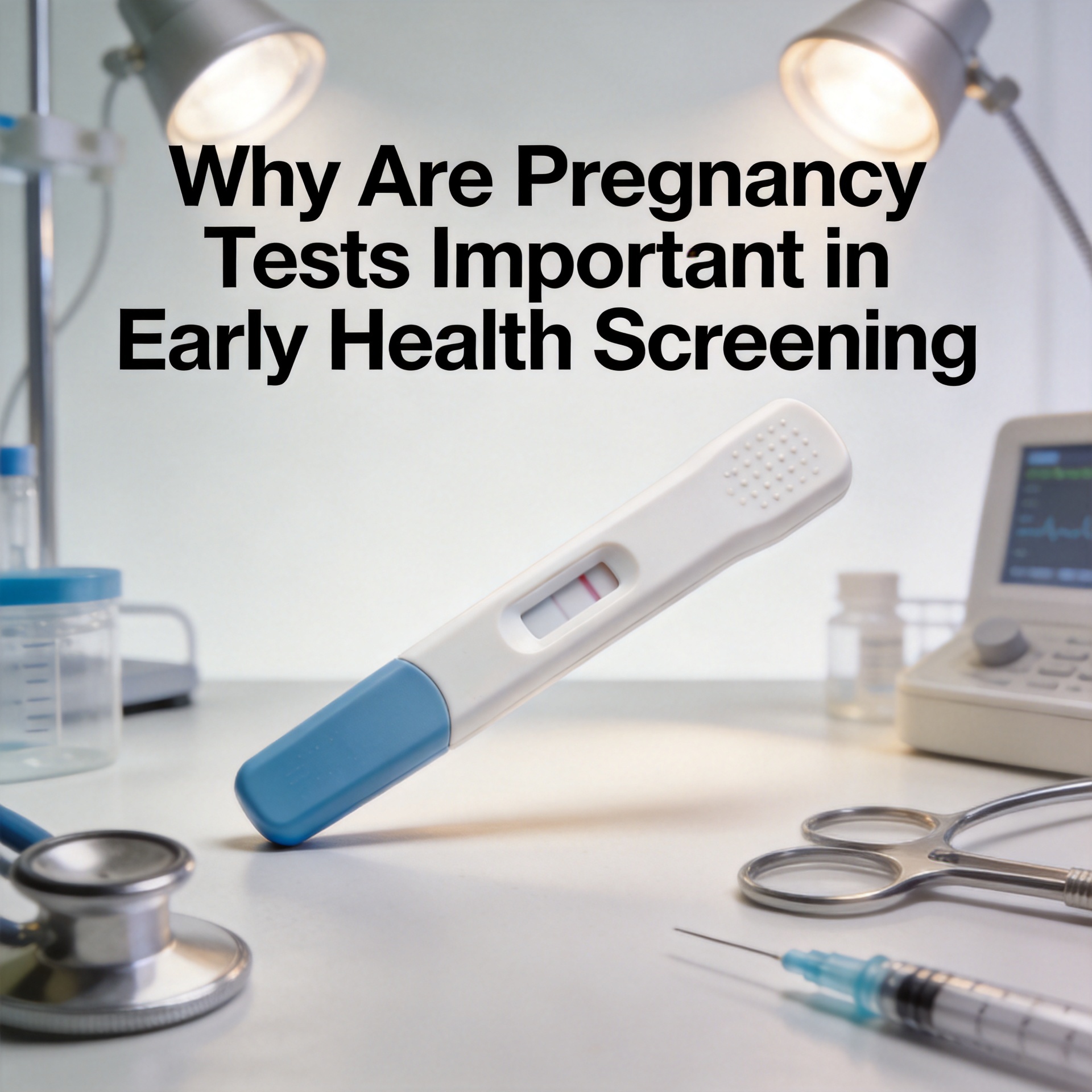
From the perspective of a clinic that handles routine reproductive health consultations every day, one pattern becomes clear quickly: the earlier a pregnancy is confirmed, the better positioned both the patient and the care team are to take the right steps. A pregnancy test is not simply a yes-or-no answer. In most cases, it triggers a chain of healthcare decisions — from scheduling prenatal visits to identifying risk factors that need immediate attention. That is why the quality and reliability of the diagnostic testing tool you use matters far more than many clinics initially expect.
What a Pregnancy Test Actually Detects
A pregnancy test works by detecting human chorionic gonadotropin, commonly known as hCG. This hormone is produced by the developing placenta shortly after a fertilized egg implants in the uterine wall. Because hCG levels rise rapidly in early pregnancy, a sensitive enough test can identify its presence in urine or blood before a missed period occurs.
The analytical sensitivity of a pregnancy test is measured in milli-international units per milliliter (mIU/mL). Research published in peer-reviewed sources indicates that early result tests with a sensitivity of around 6.3 mIU/mL can detect more than 95% of pregnancies on the day of the missed period. Tests detecting hCG at 10 mIU/mL have been shown to provide positive results up to six days before the expected period, though detection rates at that early stage vary by individual because hCG levels differ in the earliest days of implantation. When used on or after the day of the expected period, high-quality pregnancy tests generally achieve greater than 99% accuracy.
These numbers matter for healthcare settings because they define what a test can reasonably be expected to confirm — and what it cannot.
Why Early Detection Shapes Health Outcomes
One reason early pregnancy screening is emphasized in reproductive healthcare is that it directly determines when prenatal care begins. The American College of Obstetricians and Gynecologists (ACOG) and similar authorities consistently note that first-trimester care is the foundation of a healthy pregnancy. Between weeks 11 and 14, screening tests for chromosomal conditions such as Down syndrome can be performed. Infections that could affect fetal development are also tested early in pregnancy because delayed detection leads to delayed treatment.
For clinics in communities with limited specialist access, the pregnancy test result often sets off a referral cascade. A confirmed positive directs the patient toward blood type screening, infection panels, and risk assessments that are most effective when done early. Missing that window is not merely inconvenient — in some cases, it reduces the options available to the patient and the clinical team.
This is where healthcare screening protocols that include a reliable, accessible pregnancy test start to carry real weight. When the diagnostic testing step is unreliable — whether due to low sensitivity, poor batch consistency, or storage conditions affecting reagent stability — decisions downstream are built on uncertain information.
The Role of POCT in Expanding Access to Reproductive Health Screening
Point-of-care testing, or POCT, has expanded the reach of pregnancy testing well beyond large hospital laboratories. Rapid pregnancy tests that produce results in a few minutes are now used in community clinics, small private practices, pharmacies, and home settings. This shift reflects a broader trend in diagnostic testing: bringing reliable results closer to the patient without requiring specialized laboratory infrastructure.
For resource-limited healthcare settings, whether in rural areas or in systems where laboratory turnaround times are long, a well-validated POCT pregnancy test can mean acting on a result the same day rather than waiting days or weeks. That speed matters in early pregnancy screening, where the window for certain interventions is defined by gestational age.
The wider adoption of POCT also means the margin for product quality variation is smaller. When a test is used in a setting without nearby confirmation resources, the first result carries more weight. Clinics and healthcare procurement teams in these settings are right to prioritize sensitivity thresholds, lot-to-lot consistency, and cold-chain compliance in their selection criteria.
Evaluating Pregnancy Test Kits for Clinical Settings
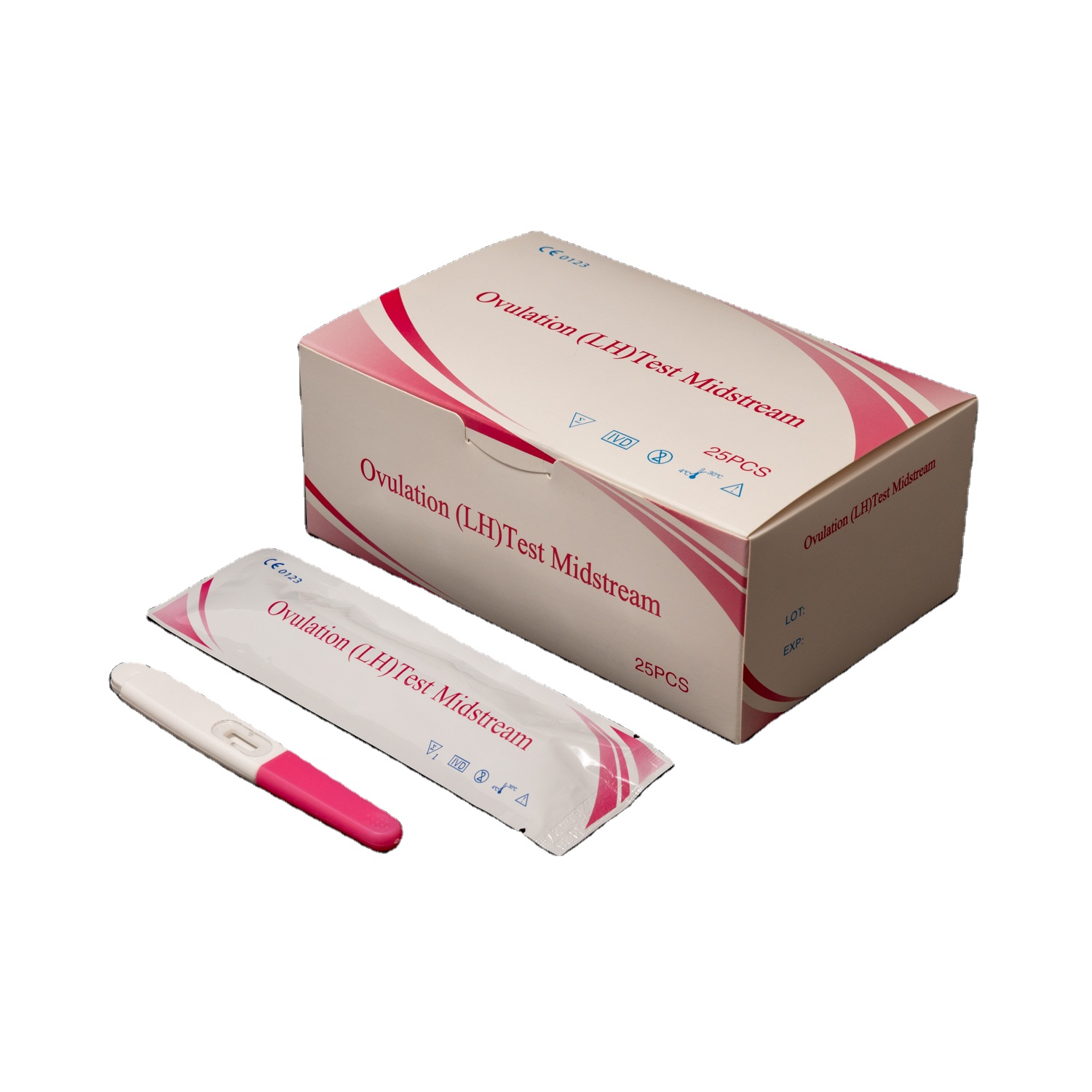
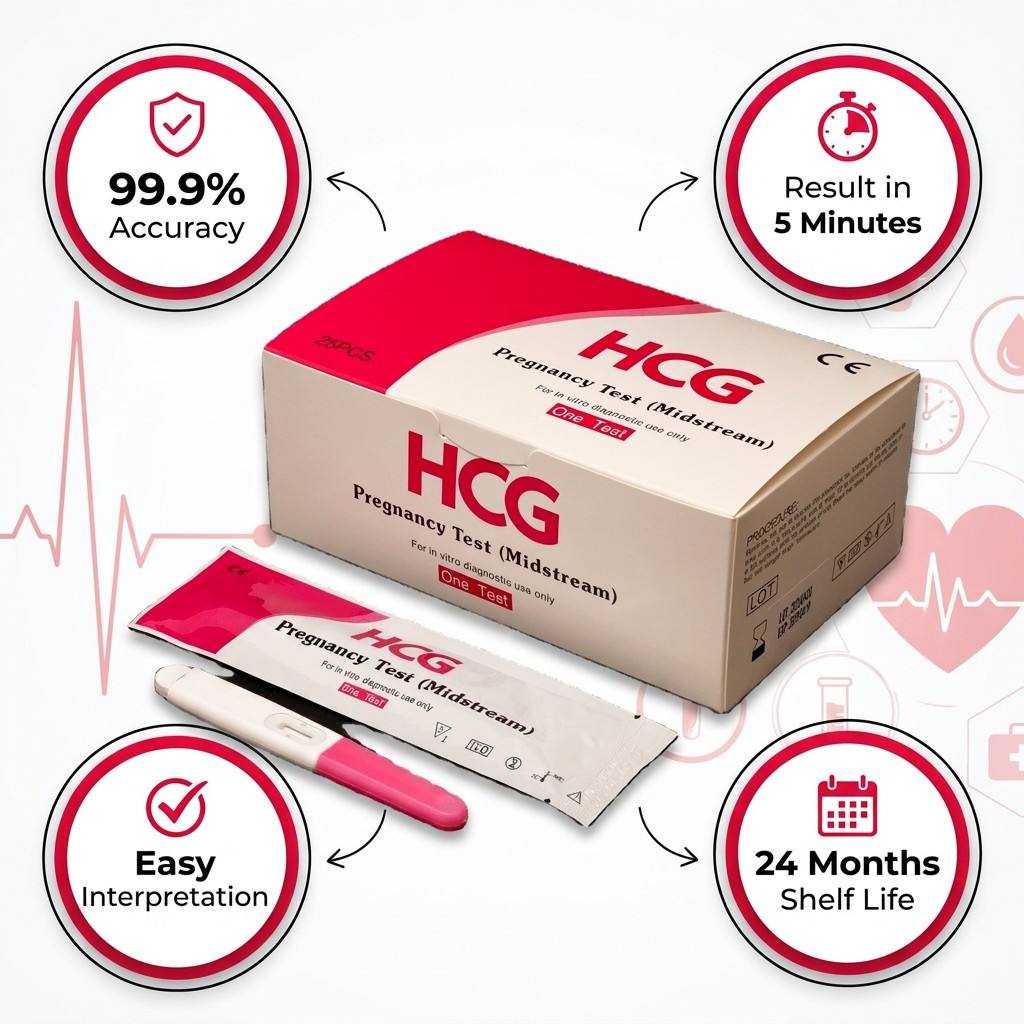
For healthcare procurement managers and clinic operators considering which pregnancy test kits to stock, evaluating multiple dimensions is more useful than focusing on a single specification. Here are the practical factors that matter in clinical use:
- Sensitivity threshold: Tests with lower mIU/mL thresholds detect pregnancy earlier. For general clinical screening where timing matters, a test detecting hCG at 20–25 mIU/mL offers a reasonable balance of sensitivity and specificity. More sensitive formats (10 mIU/mL) suit situations where very early confirmation is clinically relevant.
- Accuracy versus read-time tradeoff: Faster tests can be slightly less sensitive at the margins. Knowing where speed matters versus where accuracy is the priority helps match the product to the actual use case.
- Storage and stability requirements: Reagent kits are perishable. Transport conditions, local climate, and storage conditions at the point of use all affect performance — a particularly important factor for distributors and buyers sourcing across long supply chains or into warm-climate markets.
- Regulatory documentation: Clinical-grade pregnancy test kits should carry appropriate certifications for the target market, such as CE marking for Europe or FDA clearance for the US. Verifying compliance documentation before procurement reduces risk later.
- Batch consistency: In clinical practice, what matters is not the idealized result from a product demonstration — it is the result across a hundred tests from a standard shipment. Requesting batch QC reports from suppliers is a reasonable standard for medical procurement.
A Common Misunderstanding About Rapid Test Results
One practical point that creates confusion: a rapid pregnancy test result, while highly reliable under the right conditions, is not a final clinical diagnosis. This is not a flaw in the technology — it is a characteristic of how rapid immunoassay-based testing works. At the very early stages of pregnancy, when hCG has only just started rising, a test may read negative even if conception has occurred. Individual variation in hCG levels plays a role here.
In practice, this means a negative result in a patient with strong clinical indicators should prompt retesting a few days later rather than immediate dismissal. Most clinical guidance recommends this approach. For healthcare screening programs, building in a retest protocol for ambiguous results is part of responsible use of any rapid diagnostic test.
Connecting Diagnostic Testing to Reproductive Health Outcomes
Early pregnancy screening via a reliable pregnancy test is not a standalone data point — it is the entry point for a broader reproductive health workflow. The quality of that first result shapes every decision that follows. For healthcare providers, distributors supplying diagnostic products to clinics, and procurement teams evaluating IVD suppliers, understanding what makes a pregnancy test clinically reliable — sensitivity, accuracy, stability, and documentation — is the foundation for sourcing decisions that genuinely serve patient care.
As POCT continues to expand access to reproductive health screening globally, the standards applied to test selection become more important, not less. A well-chosen pregnancy test kit, sourced with appropriate quality standards, is one of the more straightforward ways a clinic can strengthen the reliability of its early healthcare screening program.