 EN
EN
What Is a Diagnostic Kit and How Is It Used?
What exactly is a diagnostic kit, and how should it be used? The term gets applied broadly, which can lead to real confusion when buyers are trying to evaluate products or plan clinical workflows. This article covers definition, types, usage steps, and key selection considerations for anyone involved in medical device sourcing or clinical operations.
What Is a Diagnostic Kit?
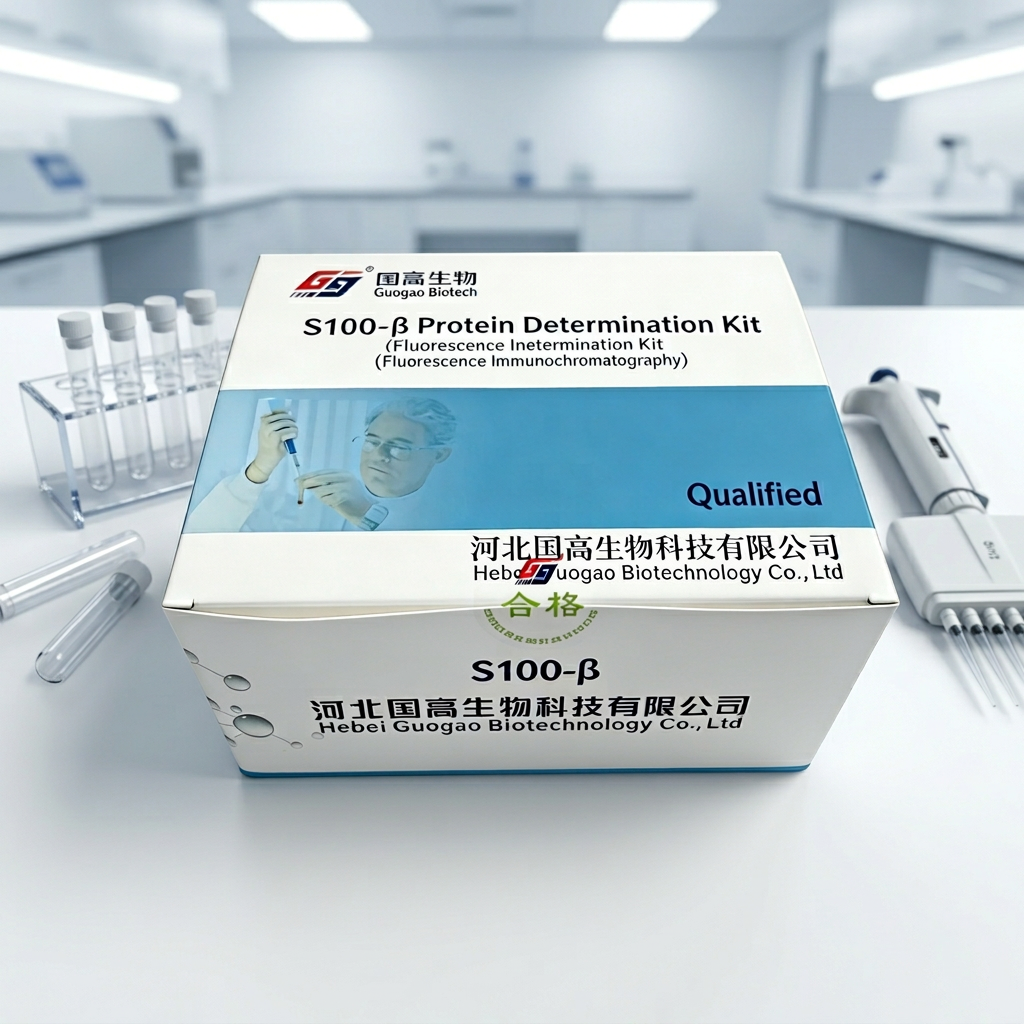
A diagnostic kit is a packaged set of reagents, components, and instructions used to detect the presence or absence of a specific substance—typically a pathogen, antibody, antigen, or biomarker—in a biological sample. In medical and laboratory contexts, this most commonly refers to an in vitro diagnostic (IVD) test kit, meaning the analysis is performed outside the body on a patient sample such as blood, urine, saliva, or a nasal swab.
The phrase "diagnostic kit" can mean different things in different contexts—physical examination sets and automotive OBD scan tool bundles are sometimes labeled the same way. For clinical and laboratory use, a diagnostic kit refers specifically to the reagent-based test system used for diagnostic testing of biological samples. According to industry reports, the global IVD market was estimated at over USD 100 billion in 2024, driven by increasing demand for point-of-care testing and infectious disease screening across both developed and emerging markets.
Common Types of Diagnostic Kits
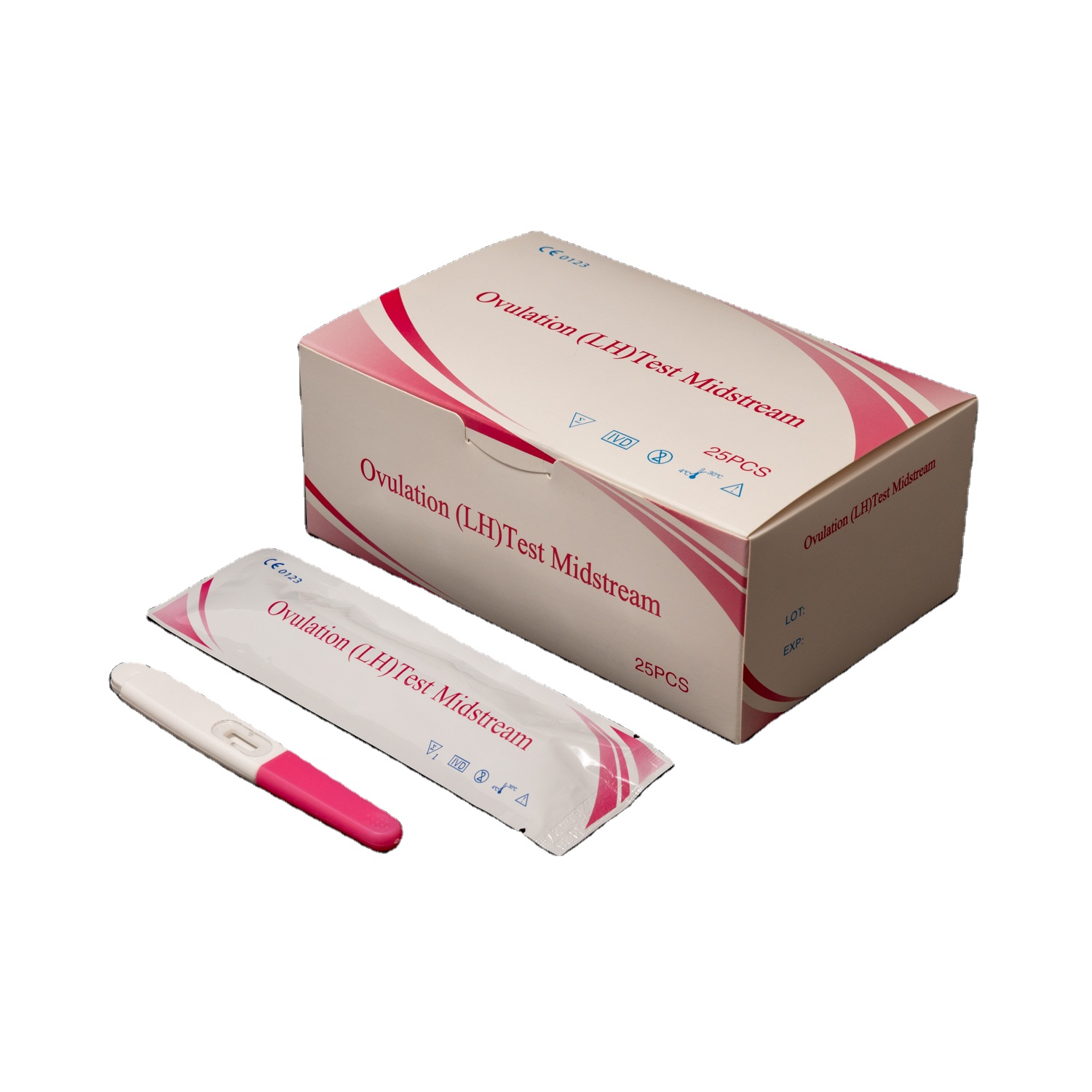
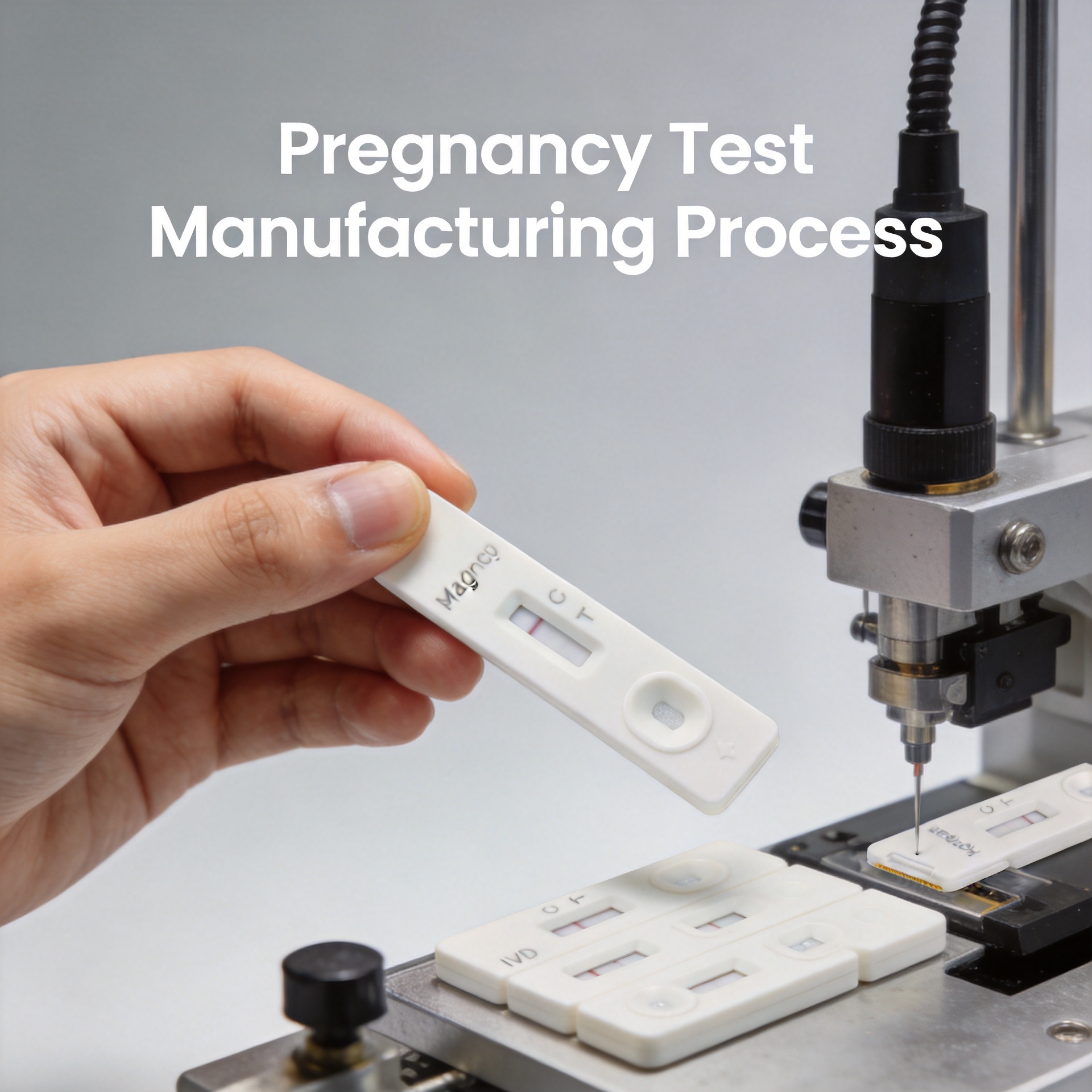
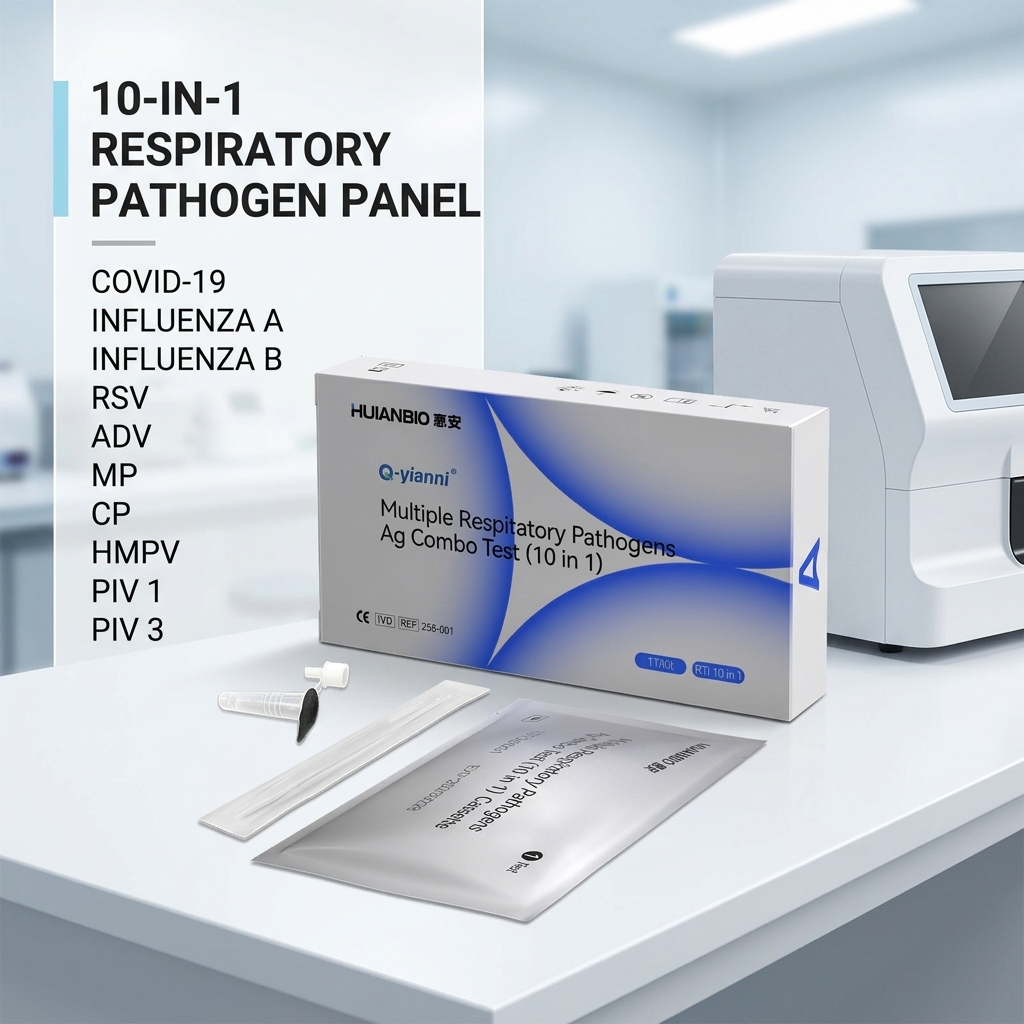
- Rapid Lateral-Flow Test Kits: These are the most widely recognized format. A sample is applied to a strip that produces a visual result—typically within 15 to 30 minutes—without requiring laboratory equipment. Common applications include influenza detection, COVID-19 screening, pregnancy testing, and malaria screening in field settings.
- Enzyme-Linked Immunosorbent Assay (ELISA) Kits: Used for laboratory diagnosis, ELISA kits detect antibodies or antigens in a sample through an enzyme-linked reaction. They offer higher sensitivity than rapid tests and are commonly used in hospital laboratories and reference labs for HIV, hepatitis, and autoimmune disease markers.
- Molecular Diagnostic Kits (PCR-Based): These kits amplify nucleic acid sequences from a sample to detect specific pathogens or genetic markers. They are highly sensitive and specific, used for conditions where early detection and accuracy are critical, such as tuberculosis, COVID-19 confirmation, and sexually transmitted infections.
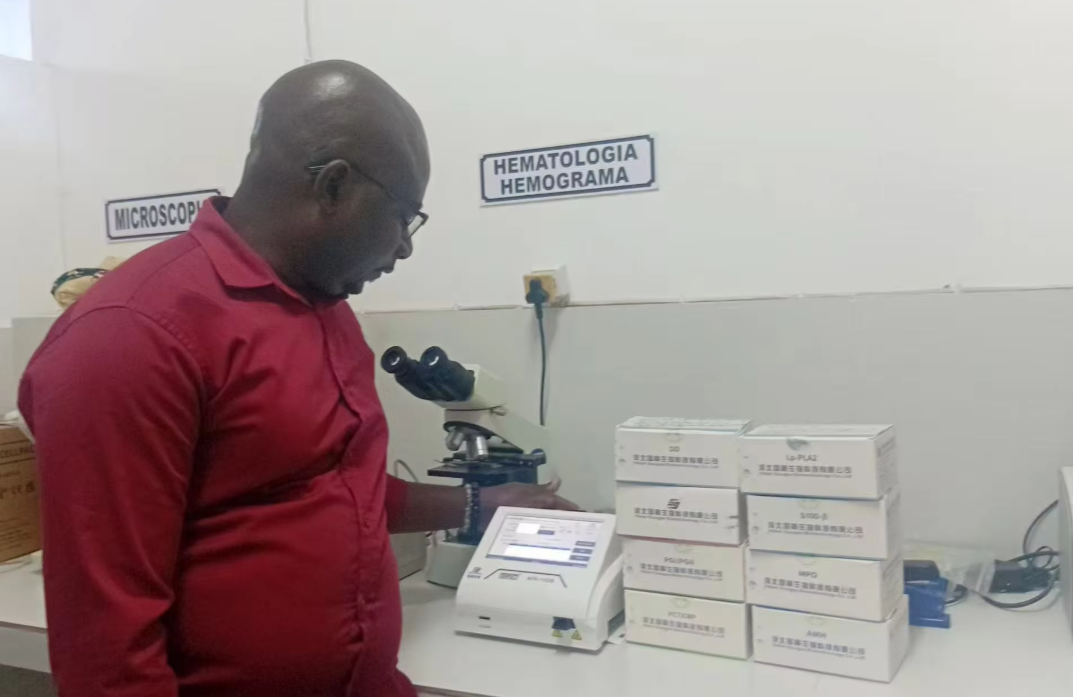
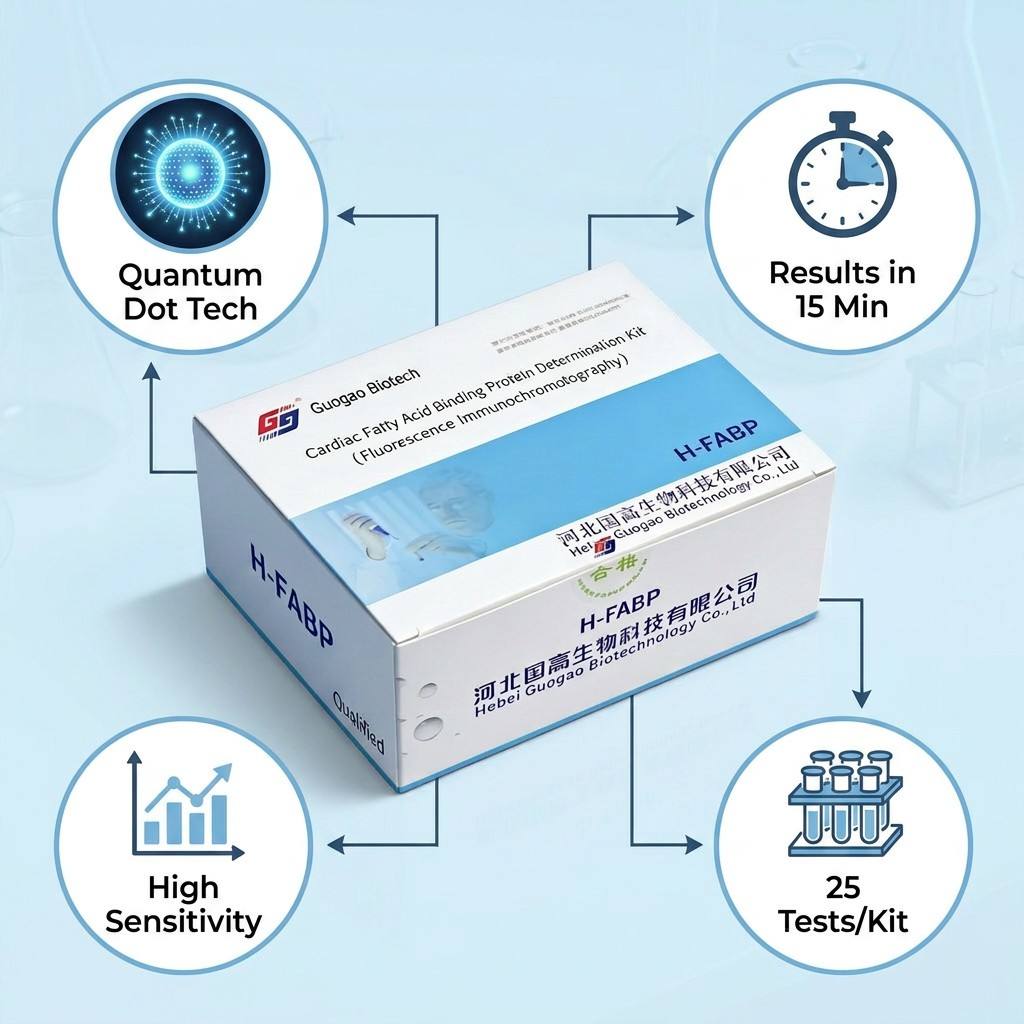
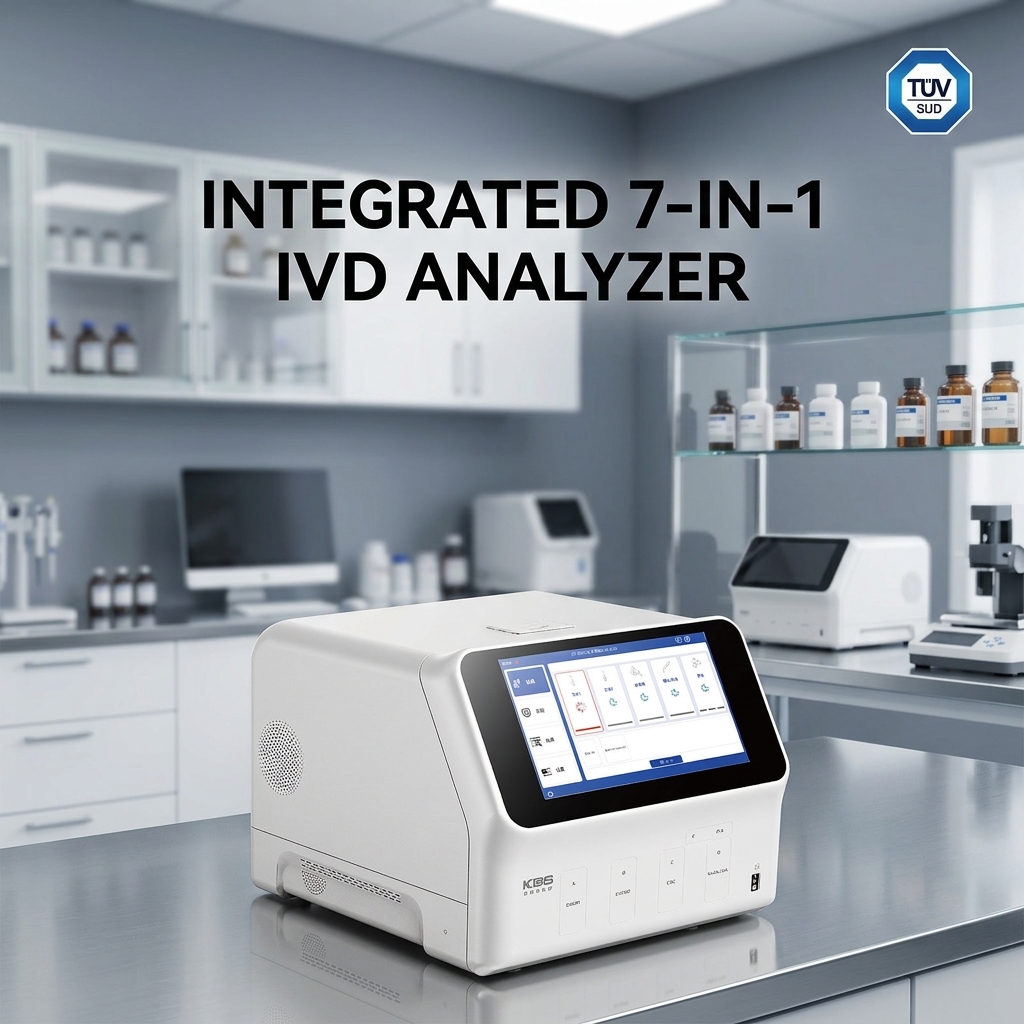
- Immunofluorescence and Chemiluminescence Kits: Often used in analyzer-based platforms, these kits work with dedicated detection machines to provide quantitative results. They are common in hospital clinical chemistry and immunology departments where throughput and precision are priorities.
Each type has distinct clinical applications, storage requirements, and operator skill demands. Rapid test kits are well-suited for point-of-care use in clinics and field settings; ELISA and molecular kits are more appropriate for laboratory environments with trained technicians and equipment.
How Is a Diagnostic Kit Used? Step-by-Step
Regardless of the kit type, diagnostic testing with a medical kit generally follows three core stages: pre-analytical, analytical, and post-analytical. Each stage has specific requirements that directly affect result reliability.
Step 1: Pre-Analytical Preparation (Sample Collection)
Most testing errors originate at this stage, since sample quality problems are difficult to detect or correct downstream. The steps typically include:
- Confirming the correct sample type for the specific test (e.g., whole blood, serum, nasopharyngeal swab, urine)
- Collecting the sample using the kit's provided collection tool, following the manufacturer's procedure for volume and technique
- Verifying that the sample is processed within the allowable time window—some kits require immediate testing, while others allow refrigerated storage for a defined period
- Allowing refrigerated samples to equilibrate to room temperature if required by the protocol
In practice, the sample collection step in rapid diagnostic kits often takes longer than the specification sheet suggests—because ensuring sample quality requires operator focus and attention, particularly in busy outpatient settings. Operators should be trained to the specific kit being used, not just to general sample collection principles.
Step 2: Analytical Phase (Running the Test)
This is the test execution step, which varies significantly by kit type:
- For rapid lateral-flow kits: Apply the collected sample (or prepared sample in a reagent buffer) directly to the test strip or cassette. Start timing according to the kit instructions. Avoid disturbing the test device during the reaction window.
- For ELISA kits: Follow the multi-step protocol including sample dilution, plate coating, incubation periods, washing steps, and absorbance measurement using a plate reader. Temperature control and timing at each step are critical.
- For analyzer-based kits: Load the cartridge or reagent into the compatible instrument, enter patient ID, and allow the analyzer to run the detection protocol automatically. Confirm quality control samples have been run within the required interval before patient testing.
Step 3: Post-Analytical Interpretation (Reading Results)
Post-analytical steps are easy to treat as a formality, but timing and documentation errors at this stage affect result validity. Key considerations include:
- Read results strictly within the time window specified in the kit insert—reading too early or too late can yield invalid or misleading results for lateral-flow formats
- Apply the correct interpretation criteria: for rapid tests, control line validity must be confirmed before interpreting the test line
- Document the result, lot number, and expiry date for traceability
- Flag any results that appear ambiguous or that fall outside the expected range for follow-up
A rapid diagnostic kit result is an initial screening reference—not a substitute for laboratory-confirmed diagnosis. Relying solely on a rapid test result for high-stakes clinical decisions carries real risk. Rapid tests deliver results in 15 to 30 minutes and are excellent for screening; when a definitive diagnosis is required, laboratory confirmation provides stronger accuracy and traceability.
Clinical Applications of Diagnostic Kits
The clinical applications of diagnostic kits span a wide range of settings:
- Hospital inpatient units and emergency departments: Rapid diagnostic kits for sepsis markers, cardiac troponins, and infectious disease screening enable faster triage and treatment initiation
- Outpatient clinics and private practices: Lateral-flow kits for influenza, streptococcal pharyngitis, and urinary tract infections allow same-visit diagnosis without laboratory referral
- Public health and field screening programs: Simplified rapid test formats enable large-scale screening for HIV, malaria, and other infectious diseases in resource-limited settings
- Medical device distributors and wholesalers: Understanding the correct use protocol is essential for training downstream clients and managing product quality expectations
The performance of a diagnostic kit in actual clinical use depends significantly on how consistently end users follow the protocol. A kit validated in controlled laboratory conditions may show higher variability in a primary care clinic if training and storage compliance are not maintained.
Key Considerations When Sourcing a Diagnostic Kit
These factors are worth prioritizing beyond sensitivity and specificity figures:
- Storage and transport requirements: Many diagnostic kits have specific temperature storage ranges. Kits requiring 2–8°C cold chain storage carry higher logistics complexity than room-temperature-stable products, particularly for cross-border supply or last-mile distribution in emerging markets.
- Regulatory compliance documentation: For export markets, confirm which certifications are applicable—CE marking, FDA registration, or in-country registration requirements for the target market. Missing documentation can delay customs clearance regardless of product quality.
- Batch-to-batch consistency: For long-term institutional procurement, request quality control data across multiple production lots. Consistency in sensitivity and specificity across batches directly affects clinical reliability in day-to-day use.
- Sample volume requirements and operator skill level: If the destination setting is a small clinic with limited clinical staff, kits with lower sample volume requirements and minimal preparation steps will perform more reliably in actual practice.
If your daily testing volume is relatively stable, selecting a kit optimized for that volume range typically offers a strong balance of cost and performance. However, if demand fluctuates significantly (seasonal disease peaks, for instance), confirming consumable lead times and backup supply options before finalizing a supplier agreement is worth the additional due diligence.
Summary
A diagnostic kit is a defined reagent system used for in vitro diagnostic testing of biological samples, most commonly in clinical and laboratory settings. Key kit types include rapid lateral-flow, ELISA, and molecular formats, each suited to different clinical contexts and operator environments. Proper use requires attention across all three stages—sample collection, test execution, and result interpretation—with appropriate training for each format. For B2B buyers, sourcing decisions should weight compliance documentation, batch consistency, and storage requirements alongside performance specifications.
For organizations evaluating diagnostic kits for hospital, clinic, or distribution use, working with suppliers who understand both technical requirements and target market compliance helps reduce procurement risk. Reaching out to established IVD suppliers with experience in your target region is a practical starting point.