 EN
EN
What Types of Medical Diagnostic Equipment Are Essential for a Primary Clinic?
For a small clinic with limited floor space and a tight equipment budget, the question isn't just "what is available" — it's "what do we actually need, and in what order?" A lot of clinic owners I've spoken with initially tried to replicate the diagnostic setup of a hospital, only to find that half the equipment sat unused while the essentials were either understocked or absent entirely. The reality is that selecting the right medical diagnostic equipment for a primary clinic requires a different approach than outfitting a hospital department.
Primary clinics serve a broad range of everyday health concerns: routine checkups, chronic disease monitoring, acute illness screening, and basic injury assessment. The medical diagnostic equipment that supports these functions doesn't need to be the most advanced — but it does need to be reliable, easy to operate, and clinically appropriate for the cases you actually see.
Why Getting This Right Matters More Than You Might Think
According to market data, the Global Primary Care Point-of-Care Diagnostics Market was valued at approximately USD 18.37 billion in 2024 and is projected to exceed USD 29.72 billion by 2032. This growth reflects a clear shift: diagnostic capability is moving closer to the patient, especially in primary care settings where laboratory turnaround times are a real barrier to timely decisions.
For resource-limited clinics, the challenge isn't access to information — it's knowing which categories of medical diagnostic equipment deliver the most value for your patient population, your volume, and your operating conditions. Below is a breakdown of the key categories worth prioritizing.
Essential Categories of Medical Diagnostic Equipment for Primary Clinics
1. Basic Vital Signs Monitoring Equipment
This is the non-negotiable foundation. Every patient encounter in a primary clinic begins with some form of vital signs assessment, and unreliable data at this stage leads to poor clinical decisions downstream.
- Sphygmomanometers (blood pressure monitors): Digital models with validated accuracy are preferred for primary care. If your clinic sees a high volume of hypertension patients or conducts routine screenings, a reliable blood pressure monitor is among your highest-priority investments.
- Pulse oximeters: Especially important for respiratory illness screening and post-COVID monitoring. Fingertip models are adequate for most primary clinic needs.
- Digital thermometers: Both contact and non-contact models are now standard. Non-contact infrared thermometers have become common for triage purposes.
- Weighing scales: A physician-grade scale is essential for medication dosing, nutritional assessment, and tracking chronic disease patients. Don't underestimate this one.
In my experience, many clinics invest in a single high-end blood pressure monitor and neglect redundancy. If your primary device is being calibrated or replaced, patient care shouldn't stall — a backup unit is worth the cost.
2. Point-of-Care Diagnostic Devices
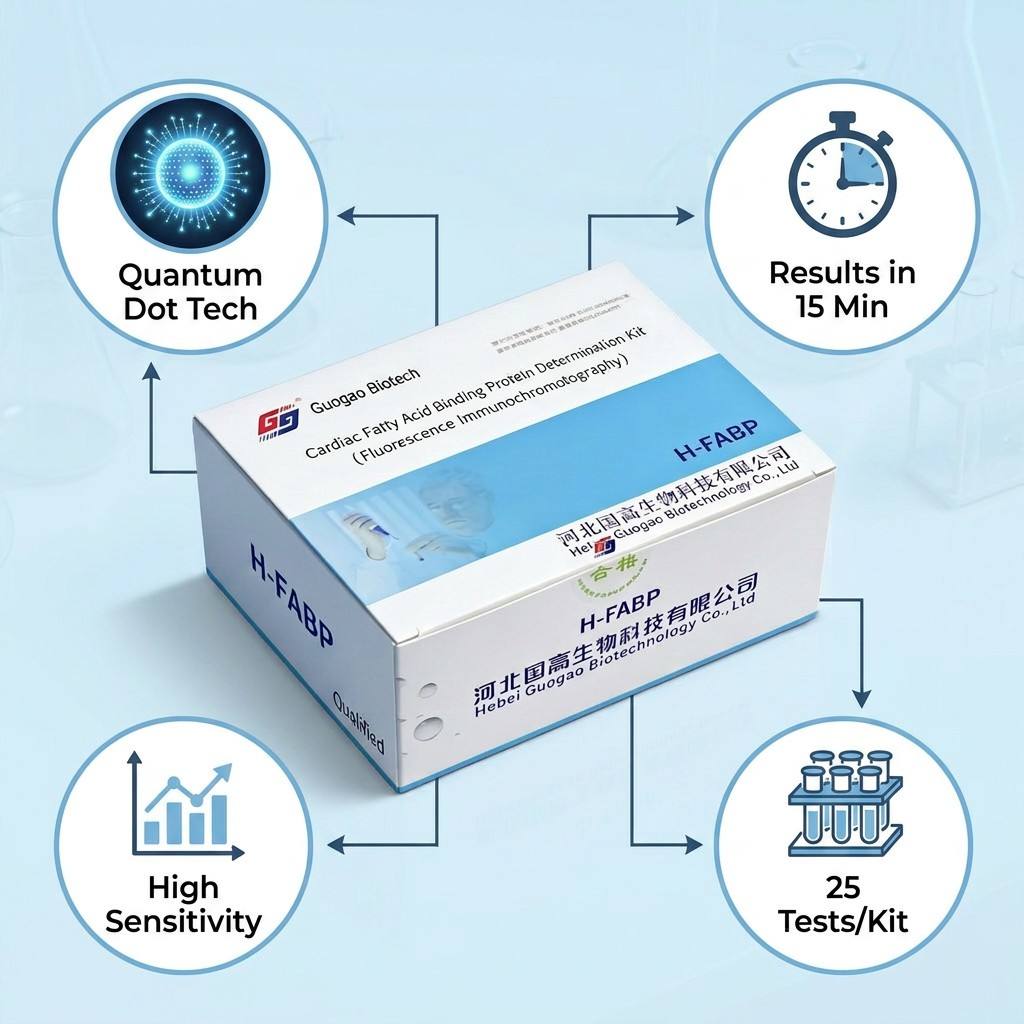
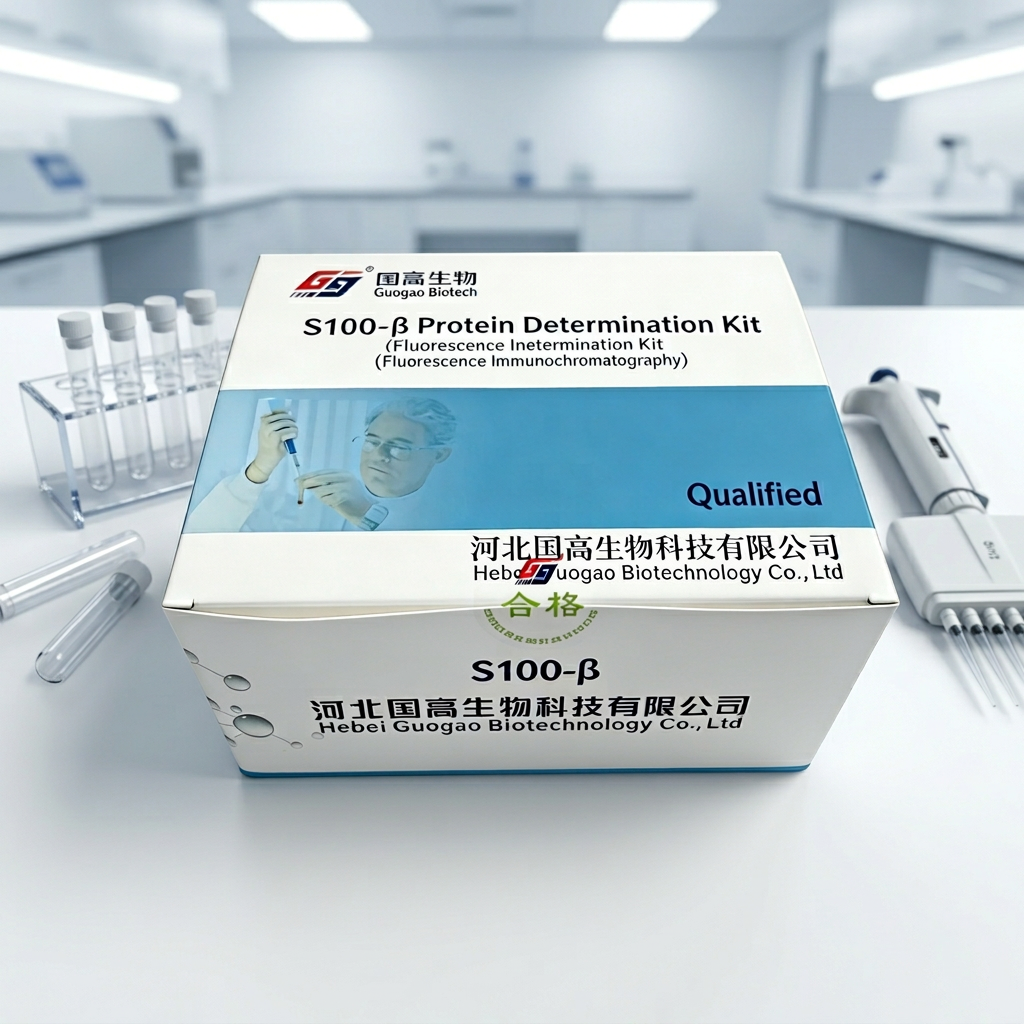
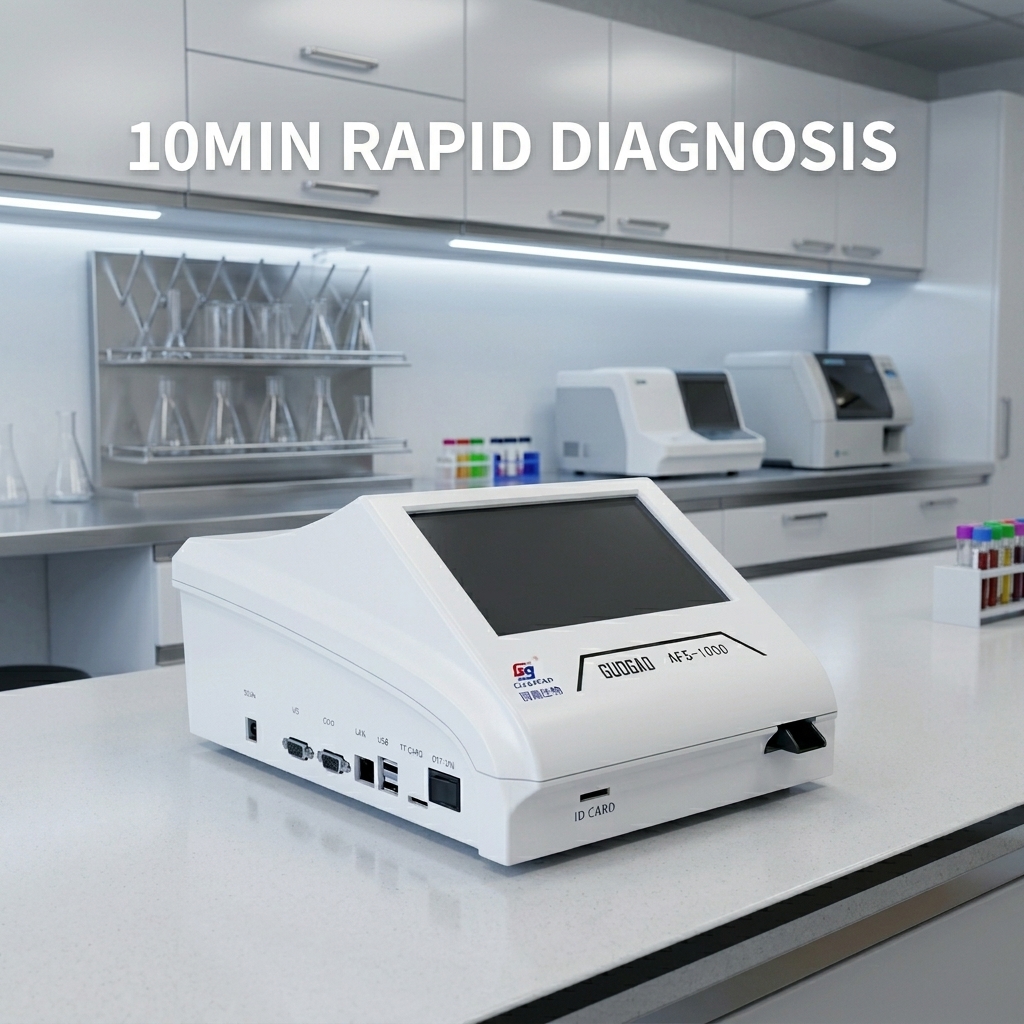
The practical value of point-of-care diagnostic devices in a primary clinic setting has become increasingly well-documented. Unlike laboratory-based tests that require sample transport and multi-day processing, POCT delivers actionable results within minutes at the site of care. For clinics in areas with limited laboratory access, this is not just a convenience — it's a clinical necessity.
Key POCT categories for primary clinics include:
- Blood glucose analyzers: Essential for diabetes screening and monitoring. Compact benchtop or handheld units are typically sufficient.
- Hemoglobin/anemia testing devices: Particularly relevant for clinics serving populations in regions with high prevalence of nutritional deficiency.
- Urinalysis strips and readers: Semi-automated urine test analyzers provide rapid, consistent results for kidney function, urinary tract infections, and metabolic screening.
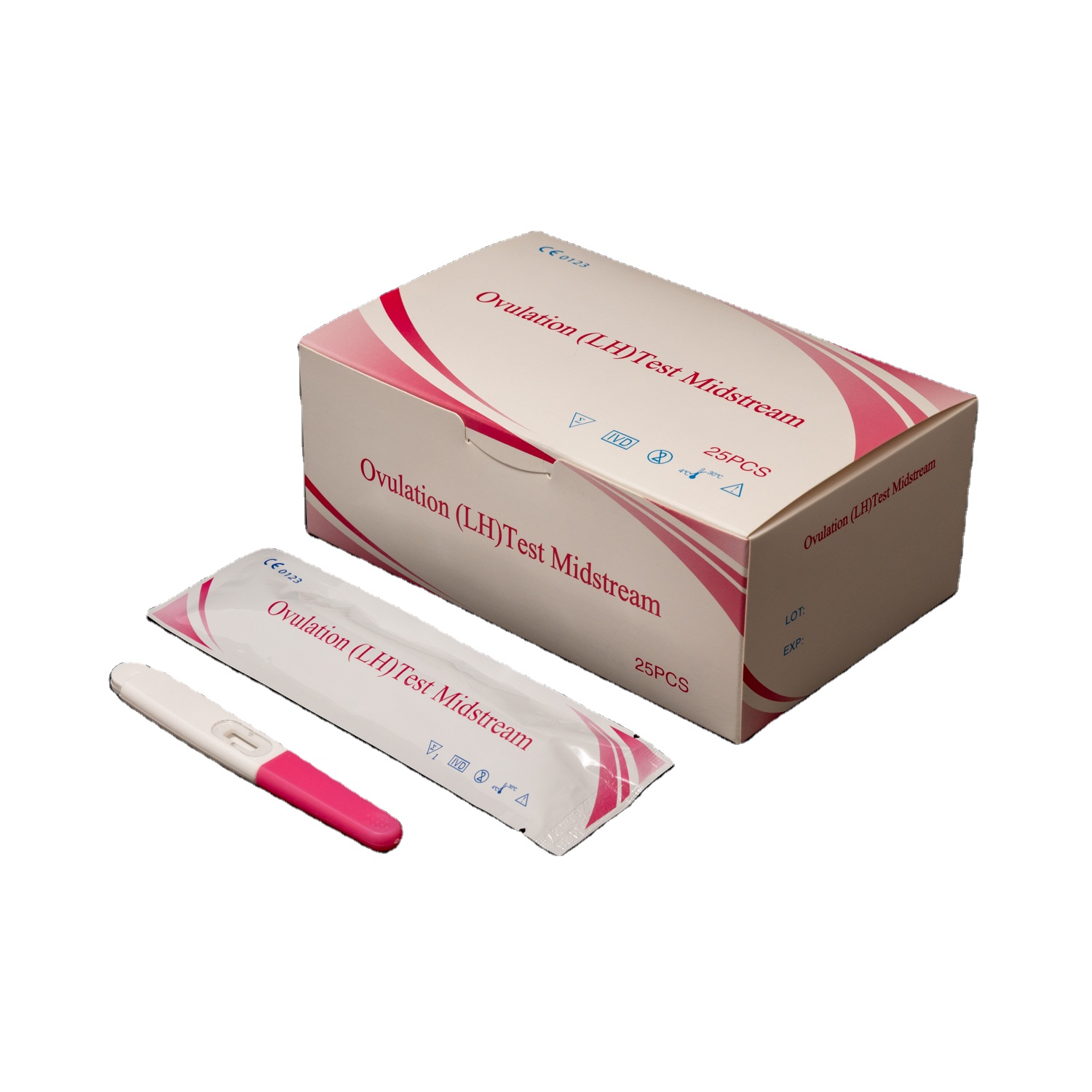
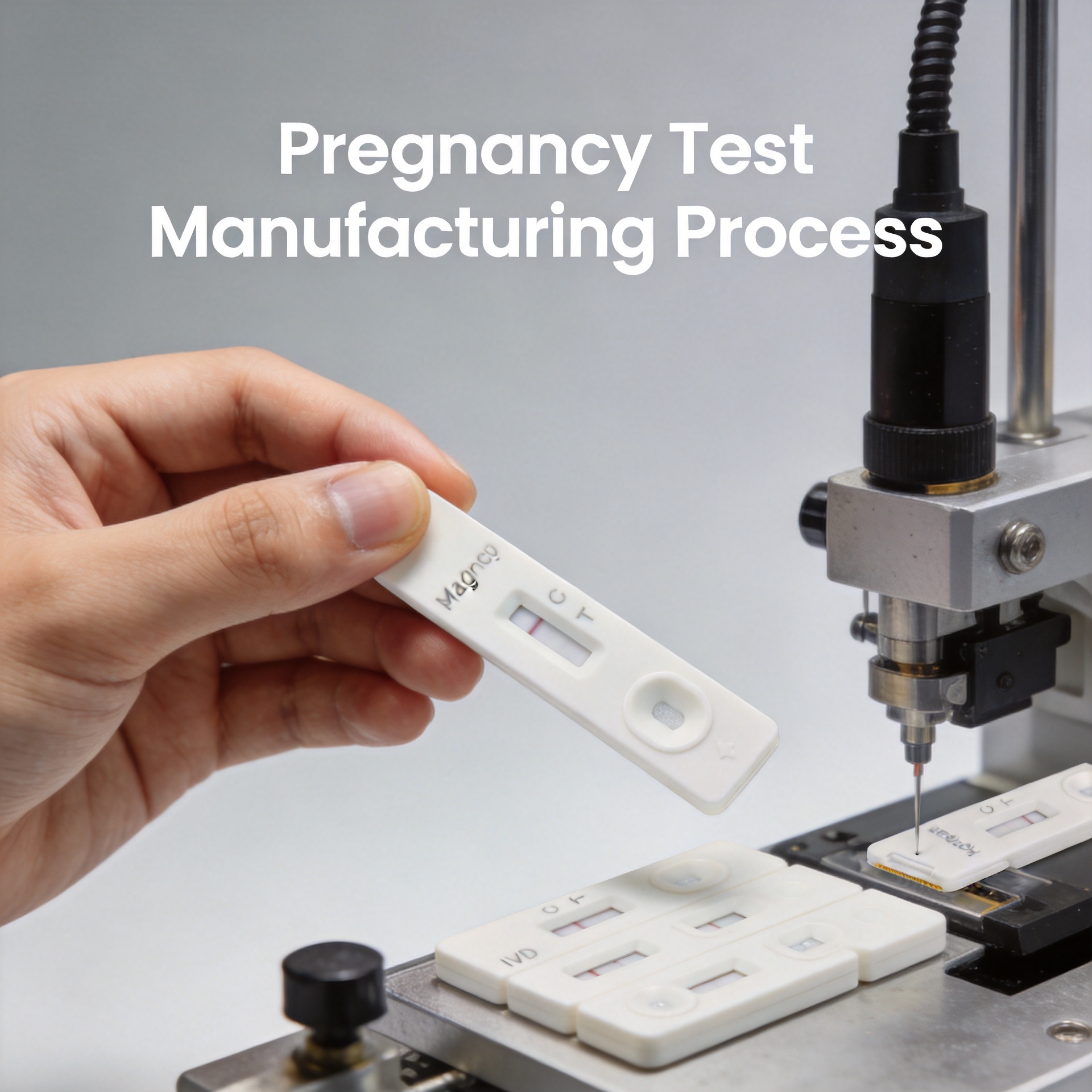
- Rapid antigen test kits: For infectious diseases such as influenza, COVID-19, streptococcal pharyngitis, and malaria (in relevant regions). These are among the most widely used point-of-care diagnostic devices in primary care globally.
If your daily diagnostic workflow is largely unpredictable — which it often is in primary care — POCT gives you the flexibility to handle a wide range of presentations without routing patients to external facilities.
3. Laboratory Diagnostic Instruments
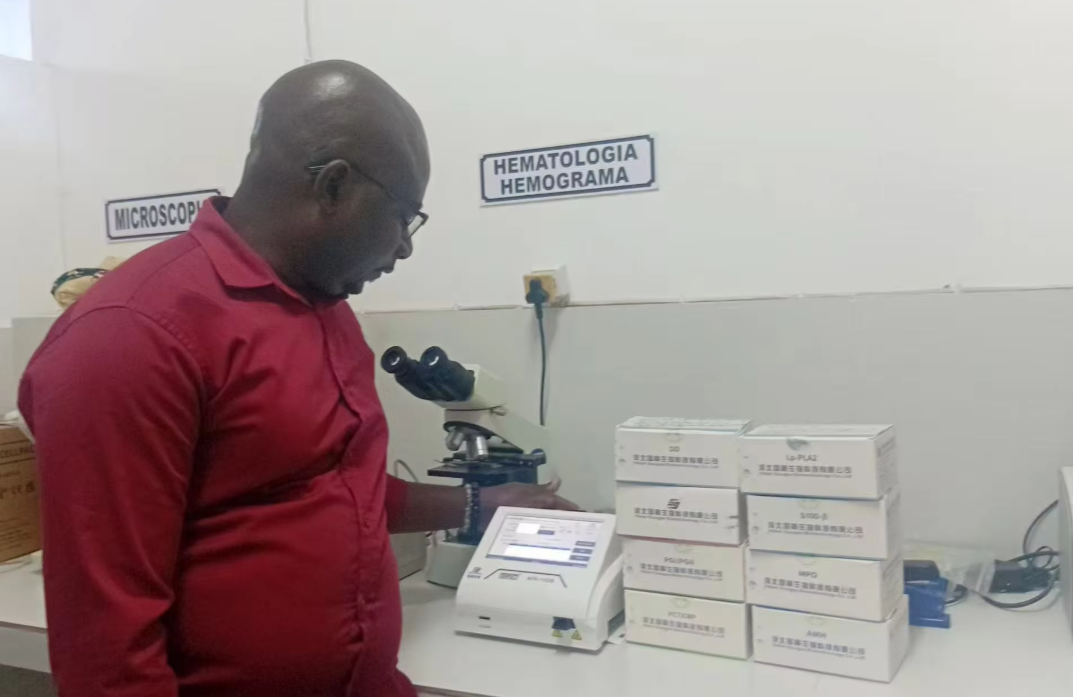
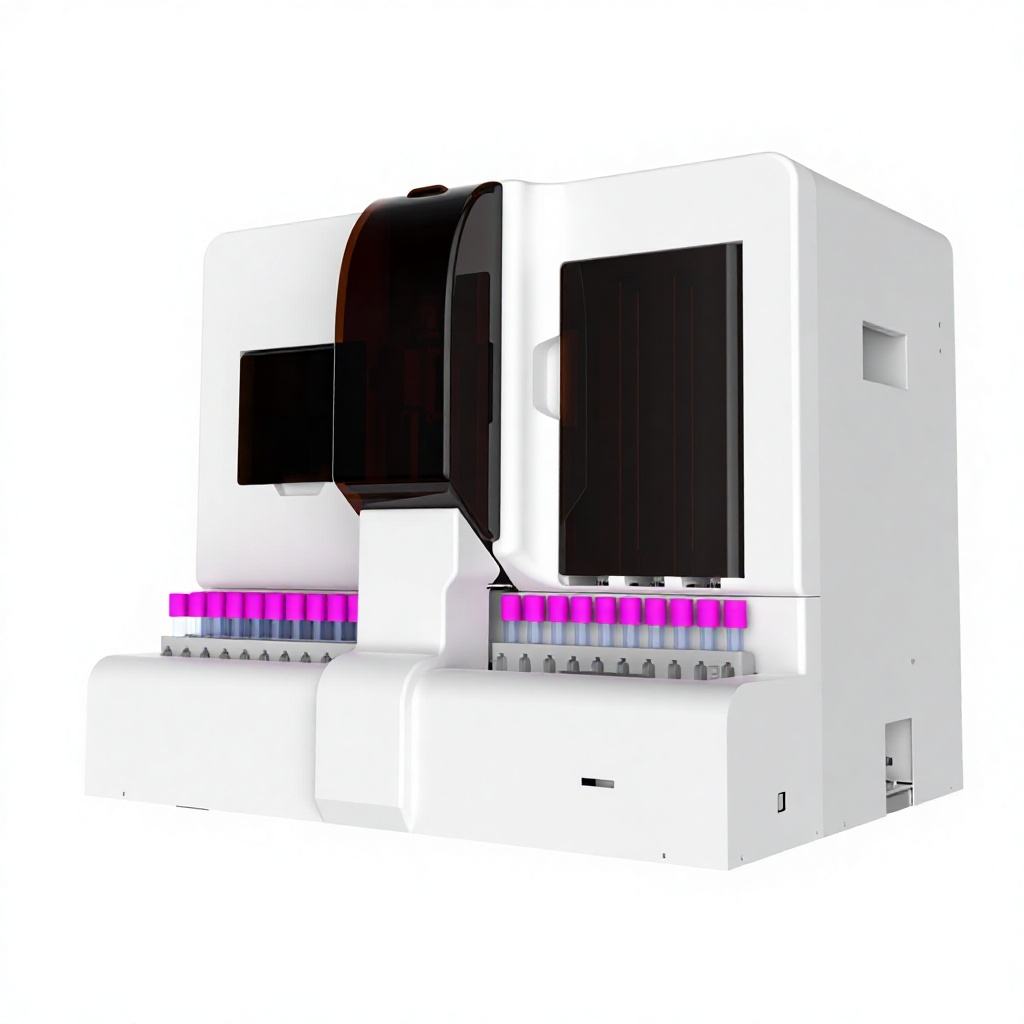
Some primary clinics operate an in-house mini-laboratory, particularly in regions where access to centralized labs is unreliable or costly. If that applies to your setting, the core laboratory diagnostic instruments to prioritize include:
- Hematology analyzers: Even an entry-level 3-part differential CBC analyzer can support a significant volume of routine testing.
- Biochemistry analyzers: For metabolic panels, liver function tests, and lipid profiles. Compact semi-automated models are suitable for clinics with moderate test volumes.
- Centrifuges: Required for serum separation before most biochemistry testing.
- Microscopes: Useful for urine sediment analysis, blood film examination, and basic microbiology review.
The key consideration here isn't just purchase price — it's consumable availability and maintenance costs. A piece of laboratory diagnostic equipment that requires a proprietary reagent system you can't reliably restock is a liability, not an asset. Before committing to a specific analyzer, confirm that the corresponding reagents and consumables are accessible through your supply chain.
4. Diagnostic Imaging Equipment
Not all primary clinics require on-site imaging, but for those with the space, budget, and patient volume to justify it, basic diagnostic imaging equipment can significantly reduce the need for referrals.
- Digital X-ray (DR) systems: Compact, wall-mounted digital radiography units are increasingly affordable and can handle most musculoskeletal and chest X-ray needs.
- Portable ultrasound devices: Point-of-care ultrasound has expanded rapidly into primary care. Handheld and cart-based systems can assist with abdominal assessment, obstetric screening, and guided procedures.
If the upfront cost of diagnostic imaging equipment is a barrier, consider whether a referral arrangement with a nearby imaging center is more practical than in-house ownership. For clinics that do invest in imaging, staff training on proper operation and interpretation is a critical companion expense — not an optional add-on.
5. Otoscopes, Ophthalmoscopes, and ENT Diagnostic Sets
Otoscopes and ophthalmoscopes rarely come up in equipment budget discussions, yet they remain core tools for primary clinical assessment. A combined diagnostic set — typically including an otoscope and ophthalmoscope — is standard equipment for any general practice or family medicine clinic. Modern LED-based models provide better illumination and longer service life than older halogen designs.
How to Prioritize When Budget Is Limited
If your clinic is setting up from scratch or upgrading in phases, here's a practical sequencing framework:
- Phase 1 (Day 1 essentials): Blood pressure monitors, pulse oximeters, thermometers, scales, otoscope/ophthalmoscope, and rapid test kits for your most common presentations.
- Phase 2 (Within the first six months): Blood glucose analyzer, urinalysis reader, hemoglobin testing device, and basic hematology analyzer if your volume justifies it.
- Phase 3 (Expansion, when volume supports it): Biochemistry analyzer, and diagnostic imaging equipment if referral infrastructure is insufficient.
The key question to ask before each purchase is: how often will this equipment be used in a week? If the answer is fewer than five times, a shared-service or referral arrangement is typically more cost-effective than in-house ownership.
Sourcing Medical Diagnostic Equipment Through the Right Channels
For clinics looking to procure across multiple equipment categories simultaneously, sourcing through a reliable medical diagnostic equipment wholesale channel can simplify logistics and reduce costs compared to purchasing from multiple individual vendors. When evaluating a wholesale supplier, look for demonstrated experience with the specific product categories you need, verifiable compliance documentation for your target market, and transparent consumable pricing — not just the upfront hardware price.
Small clinics in particular benefit from suppliers who can support small-batch orders for initial validation, provide technical documentation in accessible formats, and respond reliably to post-sale support requests.
A Final Note
Building out your clinic's diagnostic capability is a process, not a one-time event. Start with the equipment your patient population genuinely needs, confirm that supply chains for consumables are stable, and expand your medical diagnostic equipment inventory as clinical volume grows. The clinics that end up with equipment rooms full of underused machines usually made purchasing decisions based on what was available, not what was actually needed. Working from a clear clinical picture of your patient mix first makes every subsequent equipment decision easier.