 EN
EN
What Are the Steps in Developing and Validating a New Diagnostic Kit?
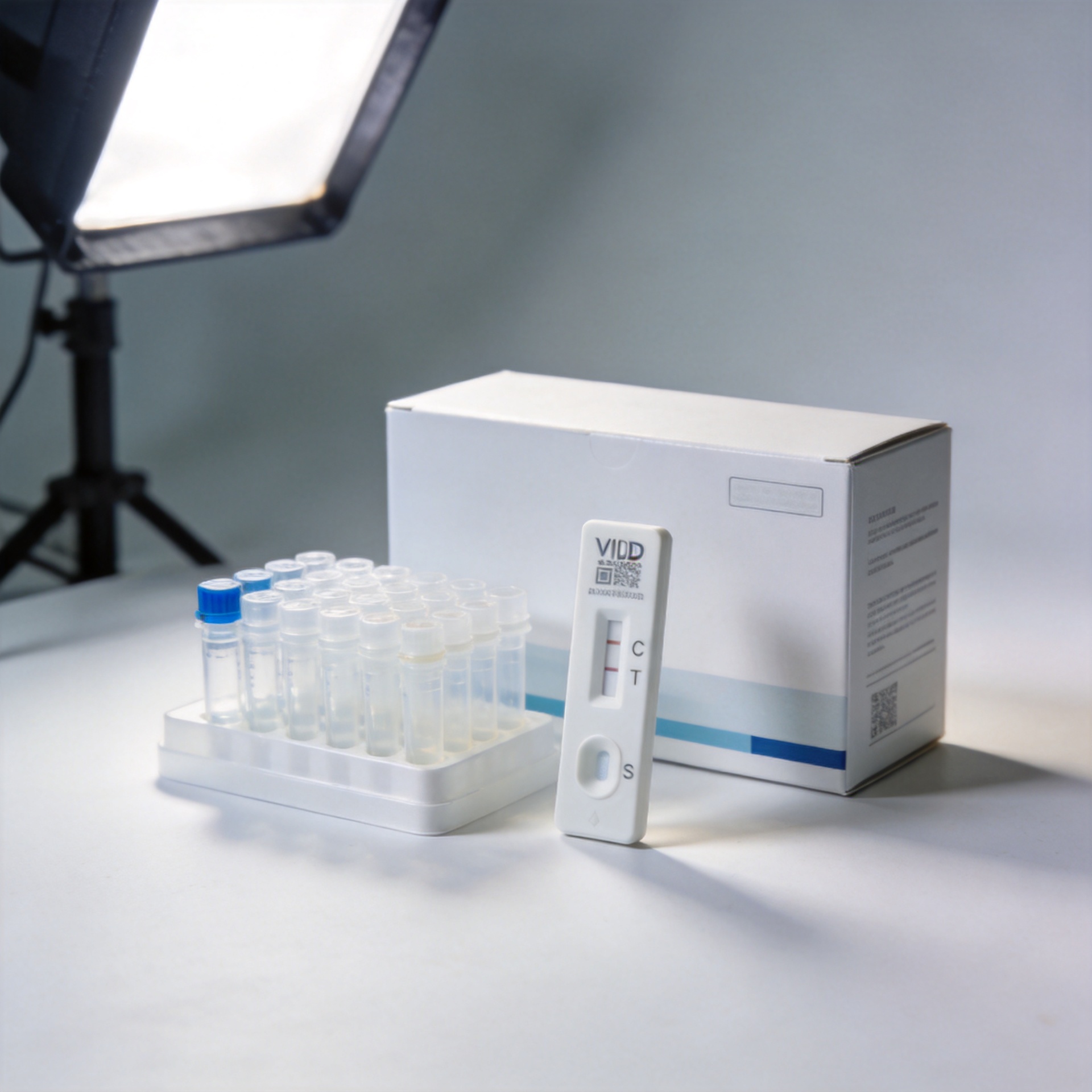
Bringing a new diagnostic kit to market is a multi-stage process that requires careful scientific development, systematic validation, and compliance with international regulatory frameworks. Whether you are developing infectious disease diagnostic kits for malaria or HIV, or a molecular diagnostic kit for pathogen detection, understanding each phase of the development lifecycle helps you anticipate timelines, allocate resources, and avoid costly setbacks before scale-up.
Speaking with international procurement teams across Asia, Africa, and Europe, one pattern comes up repeatedly: buyers who understand how a diagnostic kit is developed ask far better qualification questions, and tend to make more sound purchasing decisions as a result.
Step 1: Define the Intended Purpose and Target User Profile
Every diagnostic kit development project starts with a clear definition of the intended purpose. This means identifying:
- The target analyte or pathogen (e.g., antigen, antibody, nucleic acid)
- The sample type to be used (whole blood, serum, nasopharyngeal swab, urine)
- The intended user environment (hospital laboratory, point-of-care clinic, field setting)
- The target markets and their specific regulatory requirements
A rapid antigen test intended for use in low-resource settings in sub-Saharan Africa, for instance, will have different design constraints than a molecular diagnostic kit deployed in a hospital laboratory in Europe. Getting this definition right upfront prevents expensive redesigns later.
Step 2: Select Raw Materials and Qualify Your Supply Chain
Raw material quality is one of the most critical—and often overlooked—factors in diagnostic kit manufacturing. The consistency of antibodies, enzymes, nitrocellulose membranes, and conjugates directly determines whether each production batch performs within specification.
Under ISO 13485:2016, manufacturers must evaluate and qualify suppliers based on their ability to meet defined quality standards. For infectious disease diagnostic kits, this typically means:
- Establishing incoming material specifications with defined acceptance criteria
- Qualifying two or more alternative suppliers for critical raw materials
- Conducting lot-to-lot performance verification before materials enter production
Skipping this step is one of the most common causes of batch-to-batch performance variation, a problem that erodes clinical trust and generates costly complaints.
Step 3: Develop and Optimize the Formulation
Once materials are qualified, the development team moves into formulation and prototype optimization. This involves systematically varying formulation parameters, such as antibody concentrations, buffer composition, and signal amplification agents, then evaluating their effect on key performance indicators including sensitivity, specificity, and result stability.
A practical mindset here: assume the first prototype will not meet the target specification. Most diagnostic kit developers work through three to five formulation cycles before reaching a candidate suitable for formal analytical validation. Documenting each iteration in a design history file (DHF) is not optional; it becomes the backbone of your regulatory submission.
Step 4: Conduct Analytical Validation
Analytical validation establishes the intrinsic performance characteristics of the diagnostic kit under controlled laboratory conditions. The core parameters typically assessed include:
- Analytical sensitivity: Limit of detection (LoD) using serial dilutions of reference material
- Analytical specificity: Cross-reactivity against interfering substances and related pathogens
- Precision: Intra-assay and inter-assay reproducibility across multiple operators and instruments
- Stability: Real-time and accelerated stability under recommended storage and transport conditions
For manufacturers targeting export markets, this is also when you generate the performance data that will support regulatory submissions and the technical documentation required by international distributors.
Step 5: Perform Clinical Validation
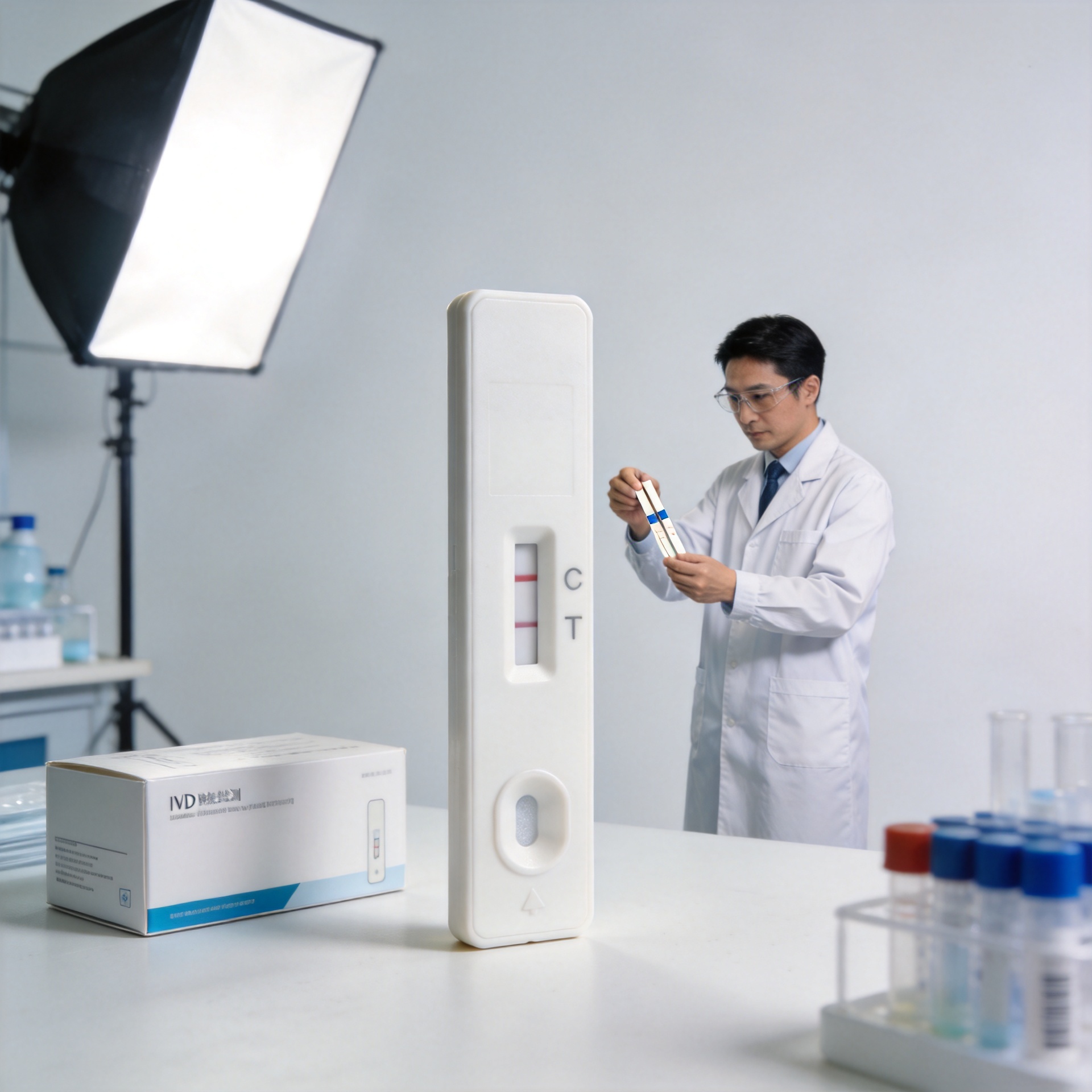
Clinical validation shifts focus from controlled laboratory conditions to actual patient samples. The goal is to show that the diagnostic kit performs as intended in the real target population, typically through:
- Prospective or retrospective studies using well-characterized clinical specimens
- Comparison against a reference method (e.g., PCR, culture, or an established IVD)
- Statistical calculation of clinical sensitivity, clinical specificity, positive predictive value, and negative predictive value
The sample size required for clinical validation varies by regulatory jurisdiction. EU IVDR generally demands more rigorous clinical evidence than many national frameworks in Asia or Africa. If you plan to export infectious disease diagnostic kits to multiple regions, designing one clinical study that satisfies the most demanding requirement saves considerable time downstream.
Step 6: Navigate Regulatory Submissions
Regulatory approval is not a single event; it is a market-specific process. The three major frameworks relevant to most diagnostic kit exports are:
- FDA (United States): Most IVDs require 510(k) clearance or de novo classification; high-risk diagnostics require PMA approval
- EU IVDR (Europe): The EU In Vitro Diagnostic Regulation, in effect since 2022, significantly raised the bar for clinical evidence and QMS requirements
- NMPA (China): China's National Medical Products Administration requires domestic registration for all IVDs sold in the country
Distributors procuring diagnostic kits from international suppliers, particularly for markets in Africa and Southeast Asia, should confirm which regulatory certifications the product holds. Many emerging markets accept CE marking or have bilateral recognition arrangements with the EU or WHO.
Step 7: Scale Up Manufacturing and Establish Quality Controls
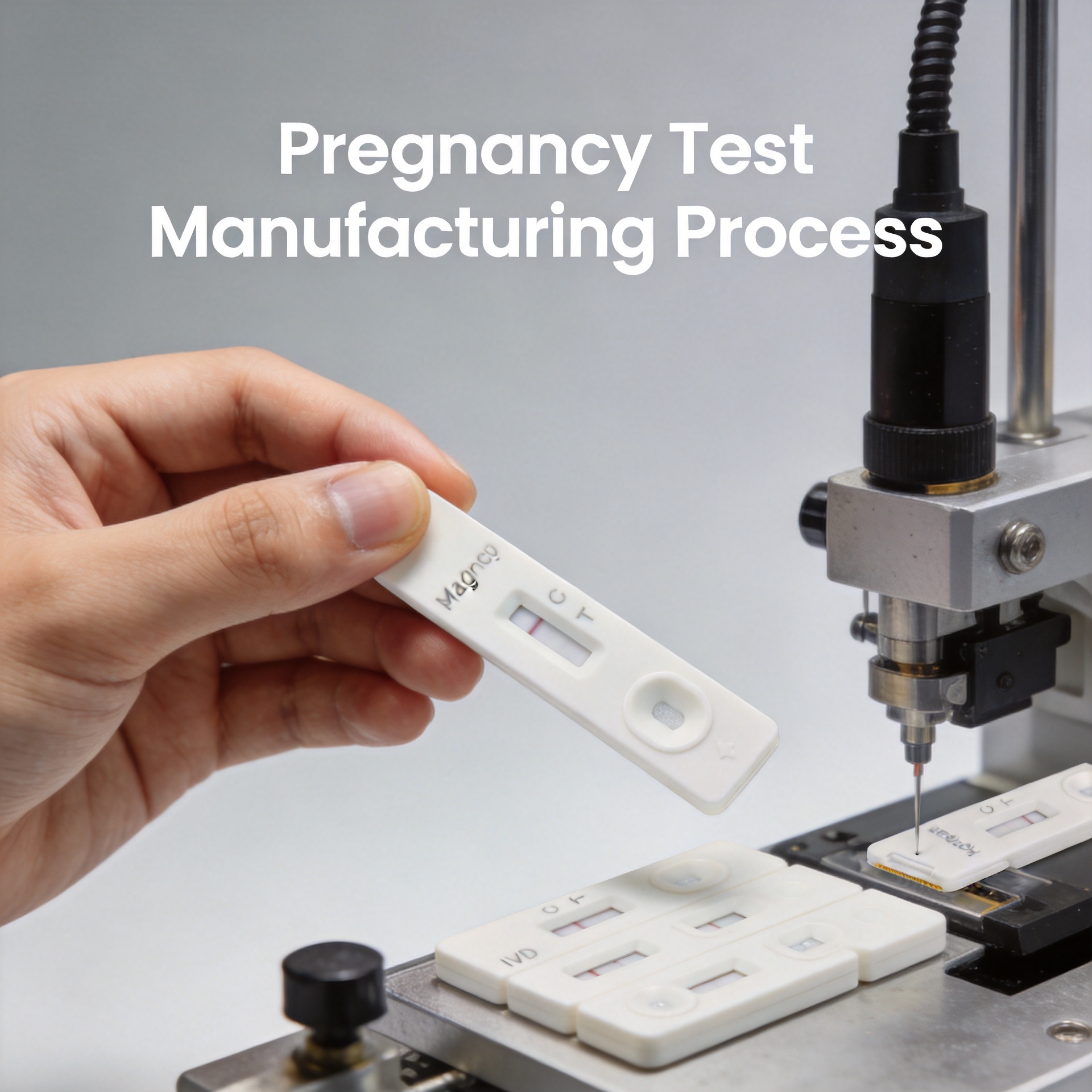
Scale-up is where many development projects run into unexpected problems. Formulation parameters that worked at bench scale can behave differently in production batches of thousands or tens of thousands of tests. Effective diagnostic kit manufacturing at scale requires:
- Process validation studies showing that scaled-up manufacturing consistently delivers product within specification
- Establishment of in-process controls and final product release testing protocols
- Implementation of a batch record system to ensure full traceability from raw materials to finished product
Under ISO 13485, maintaining complete batch records is a regulatory requirement. It also provides the practical mechanism to investigate complaints, trace affected lots, and execute targeted recalls if a performance issue surfaces after market release.
Step 8: Design Packaging and Labeling for Target Markets
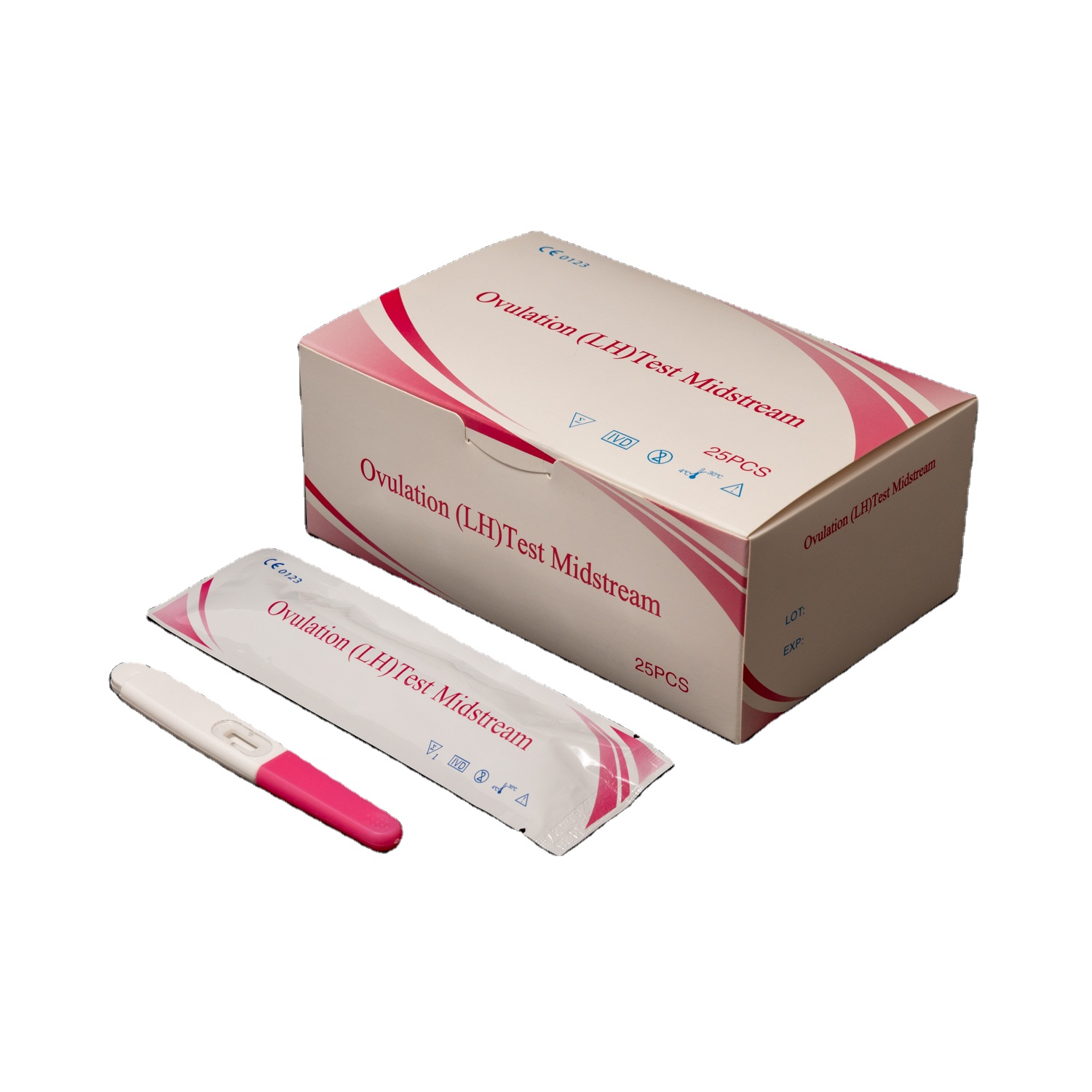
Effective diagnostic kit packaging serves three functions: protecting the product during transport, communicating essential use instructions, and meeting the labeling requirements of each target market.
For cross-border shipments to markets in Africa, Southeast Asia, or South America, packaging design needs to account for:
- Temperature and humidity ranges encountered during freight and last-mile distribution
- Language requirements for instructions for use (IFU), which many regulators require in the local official language
- Symbol compliance (ISO 15223-1 for medical device symbols is widely referenced)
- Shelf life and storage condition labeling visible on both the primary container and the outer carton
A well-considered packaging system reduces the risk of product degradation in transit and can simplify customs clearance by presenting compliant documentation directly on the label.
Key Takeaway: Development Quality Determines Procurement Confidence
The development and validation steps above are not bureaucratic hurdles. They are the foundation of every reliable diagnostic kit on the market. Buyers who understand this process are better placed to evaluate supplier claims, request the right documentation, and build procurement relationships with manufacturers whose quality systems will support consistent long-term supply.
When evaluating a new supplier for infectious disease diagnostic kits or molecular diagnostic kits, asking for the design history file summary, batch release records, and regulatory approval certificates gives you a direct window into the rigor of their development process, and the likely consistency of what arrives once regular supply begins.