 EN
EN
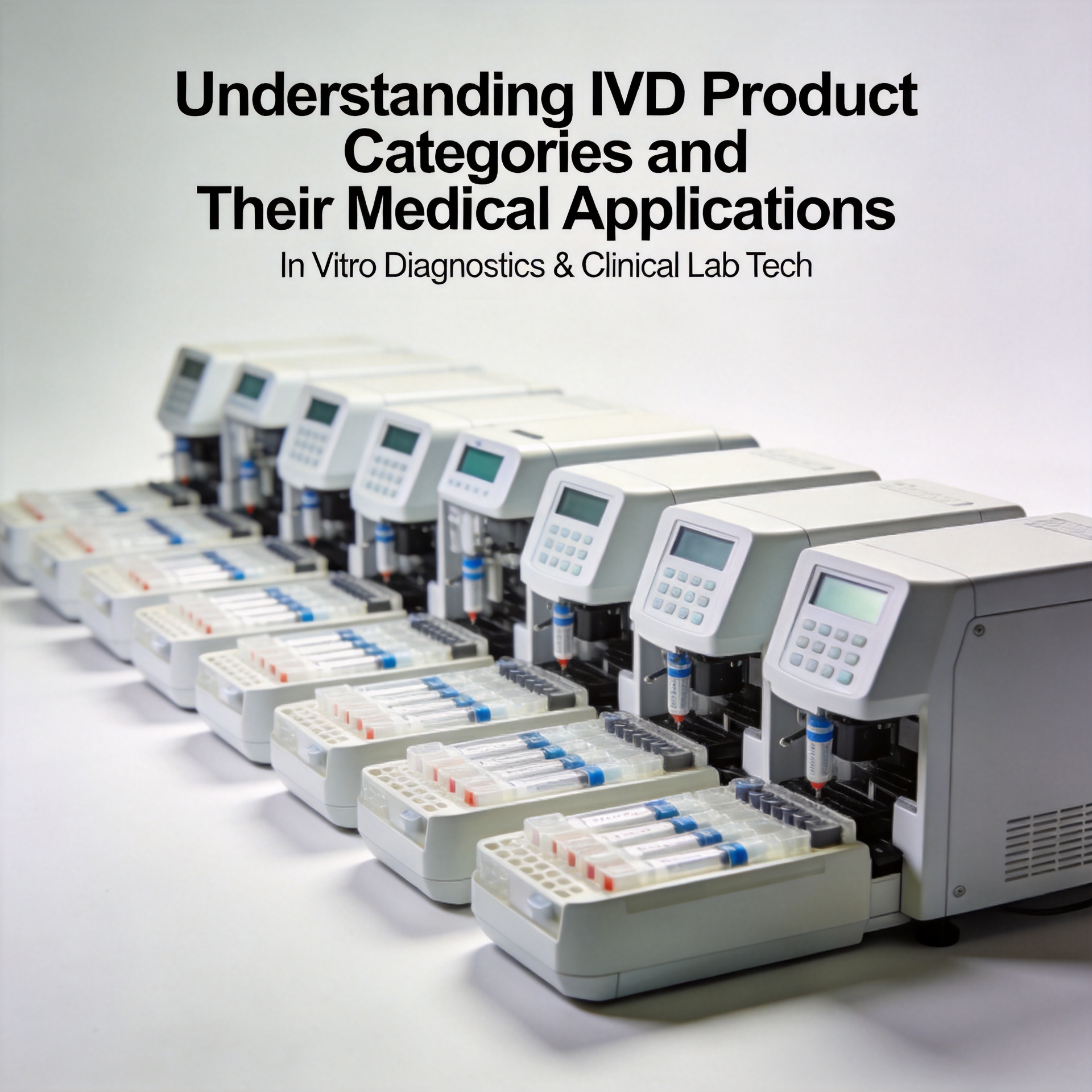
Understanding IVD Product Categories and Their Medical Applications
When I first stepped into a clinical laboratory, the sheer variety of diagnostic tools was genuinely disorienting. After years of working with everything from benchtop chemistry analyzers to rapid lateral flow strips, one thing became clear: not all IVD products serve the same purpose—and understanding the distinctions between categories is the foundation of any sound procurement decision.
In vitro diagnostics (IVD) refers to a broad family of tests performed on biological samples—blood, urine, saliva, tissue—taken from the human body but analyzed outside of it. These tools span hospital reference laboratories, point-of-care clinics, and home self-testing environments. The IVD classification landscape is more nuanced than a simple "test kit" label suggests, and getting that picture right matters both clinically and commercially.
The Major IVD Product Categories
Immunoassay and Serology
Immunoassay platforms are among the most widely deployed tools in clinical laboratory medicine. They detect specific antigens or antibodies in patient samples, making them central to infectious disease screening, allergy testing, hormonal profiling, and tumor marker monitoring. For procurement teams sourcing for hospital laboratories or multi-test outpatient centers, immunoassay analyzers often represent the highest-volume daily instrument in the department.
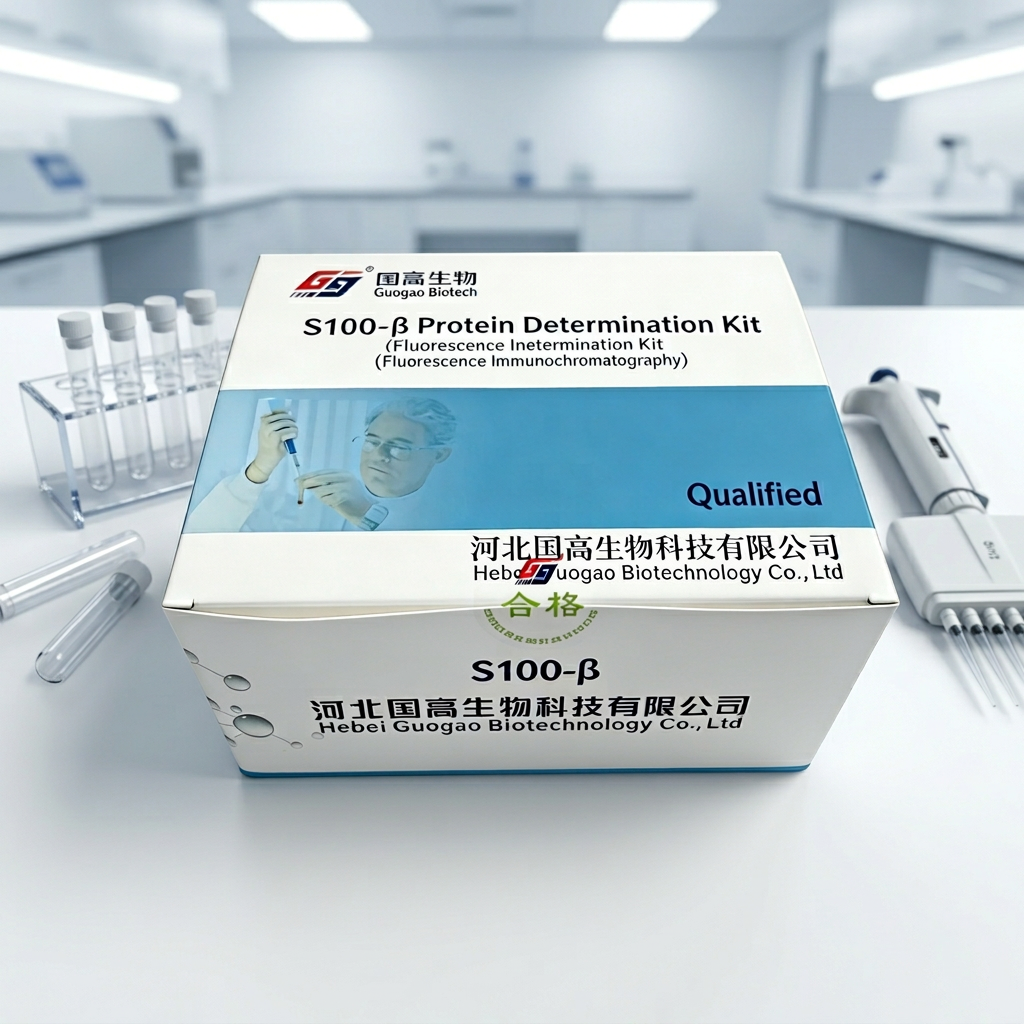
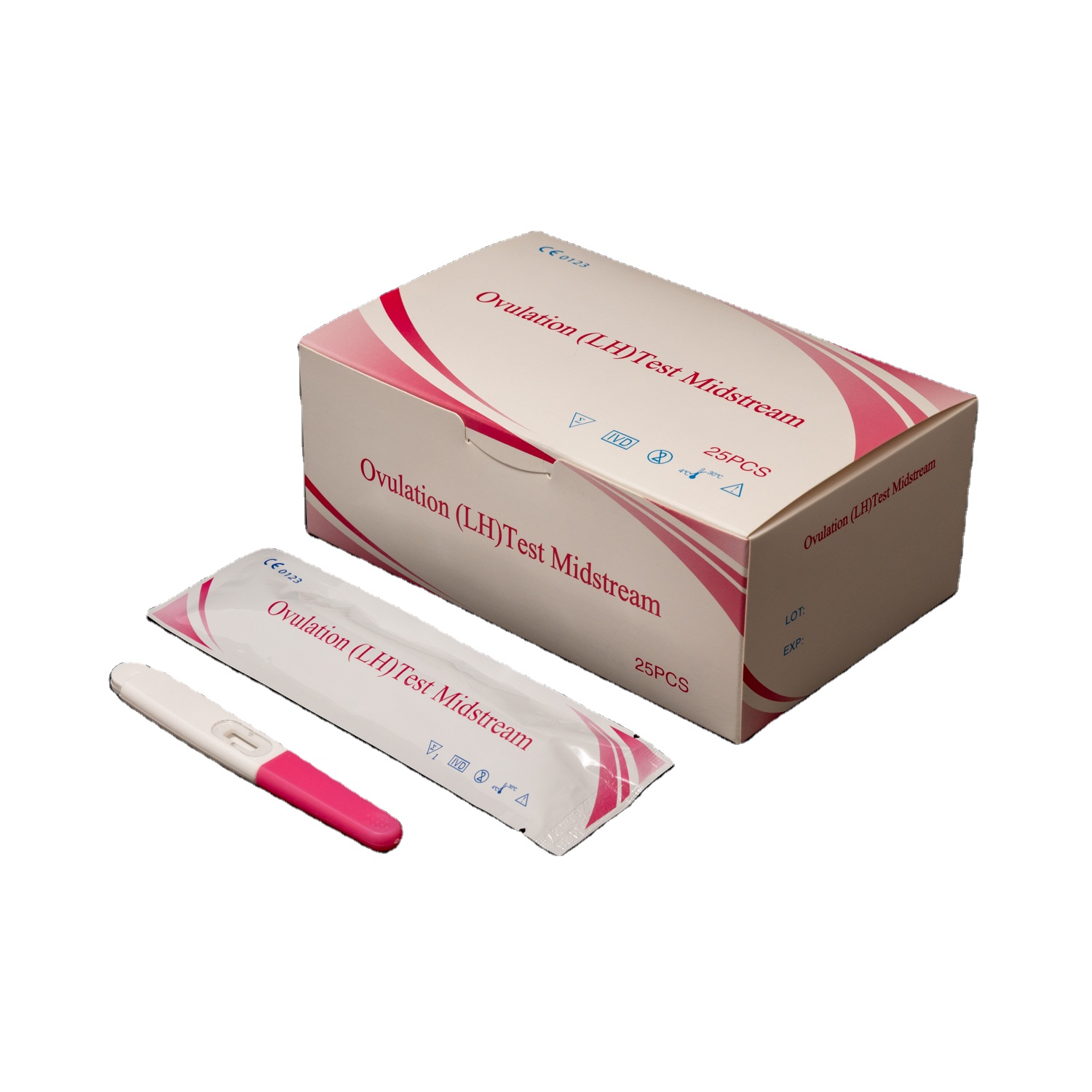
The diagnostic technology in this category spans a wide range—from simple visual lateral flow rapid test strips to fully automated chemiluminescent immunoassay (CLIA) platforms. Rapid strips serve point-of-care and resource-limited settings; automated analyzers suit high-throughput workflows where dozens or hundreds of tests run simultaneously in a shift.
Clinical Chemistry
Clinical chemistry covers the measurement of biochemical markers: liver enzymes, kidney function indicators, glucose, lipids, and electrolytes, among others. This is the backbone of routine health screening and the monitoring of chronic conditions like diabetes and cardiovascular disease. Most hospital labs and large diagnostic centers run at least one clinical chemistry analyzer as a core instrument.
What distinguishes procurement decisions in this category is reagent dependency. Clinical chemistry reagents are frequently system-specific, which means long-term consumable costs (not just the upfront analyzer price) determine the real total cost of ownership. I've seen institutions underestimate this and end up with a budget mismatch after the first year of operation.
 Molecular Diagnostics
Molecular diagnostics—primarily PCR-based platforms and, increasingly, next-generation sequencing—detect genetic material from pathogens or the patient's own genome. Applications include infectious disease confirmation, oncology companion diagnostics, hereditary condition screening, and pathogen identification in outbreak response settings. This is one of the fastest-growing segments within the overall IVD market.
The diagnostic technology here is powerful but environment-sensitive. PCR platforms range from compact, portable units for decentralized testing to high-capacity laboratory systems. Before sourcing these instruments for emerging markets—whether in sub-Saharan Africa, Southeast Asia, or parts of Latin America—buyers should verify infrastructure requirements: stable power supply, trained personnel capable of operating the platform, and appropriate waste disposal arrangements. These are not minor considerations.
Hematology
Hematology analyzers automate blood cell counting and classification, producing complete blood count (CBC) data that is essential for diagnosing anemia, detecting infections, and identifying hematological disorders. This category is standard across virtually every hospital and many private clinics. Three-part differential analyzers are suitable for lower-volume settings; five-part systems deliver more granular classification for higher-acuity clinical environments.
Point-of-Care Testing (POCT)
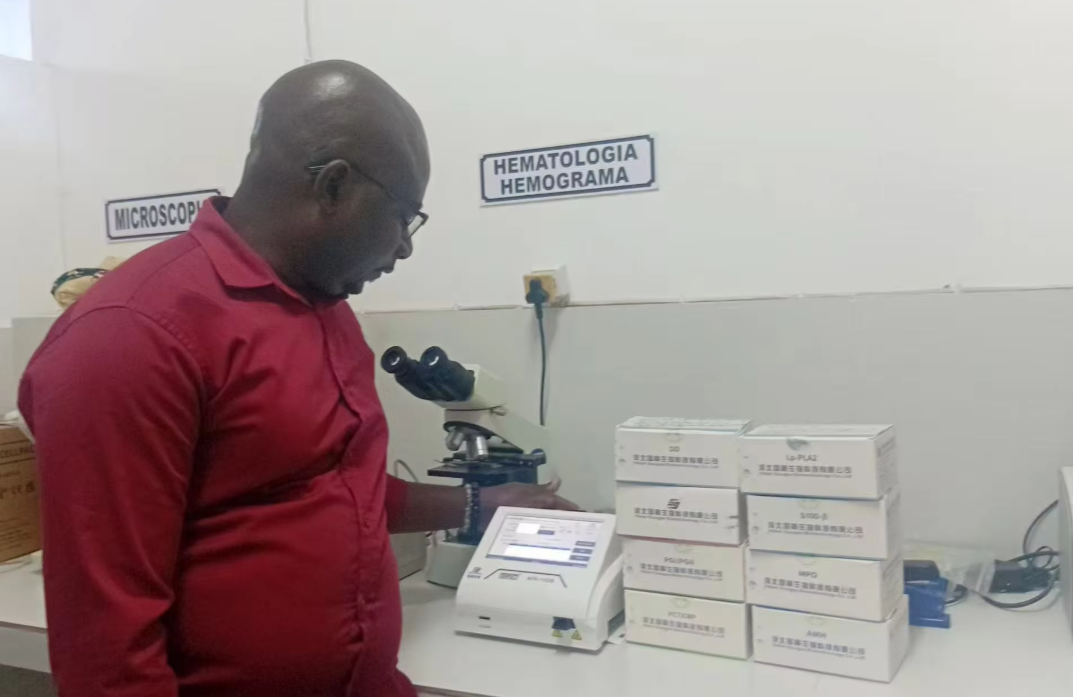
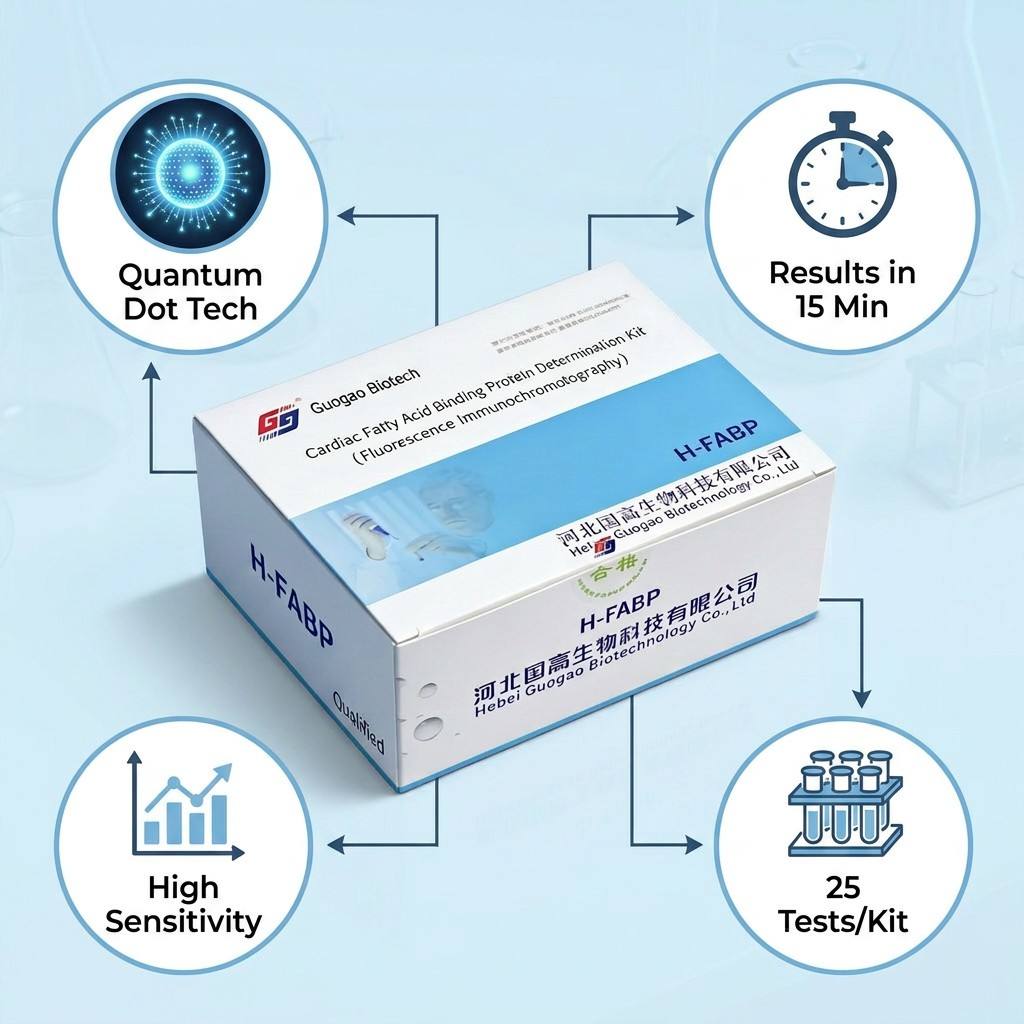
POCT is arguably the most dynamic segment in contemporary IVD. These products deliver results within minutes—at the bedside, in the clinic, in the field, or at home—without routing samples to a central laboratory. Common applications include rapid antigen testing for infectious diseases, portable cardiac biomarker assays, handheld blood glucose monitoring, and urine dipstick analysis.
The rise of POCT reflects a fundamental shift in how diagnostic technology is being deployed globally: away from centralized laboratory medicine and toward decentralized, accessible testing at the point of need. For distributors building supply networks in markets where laboratory infrastructure is limited, POCT products frequently offer the most practical and commercially viable entry point into the diagnostic supply chain.
How IVD Classification Shapes Procurement Decisions
Understanding IVD classification systems is not purely a regulatory concern—it directly affects which products can be imported, marketed, and reimbursed in a given market.
In the United States, the FDA organizes IVDs into Class I, II, or III based on the level of risk and the regulatory controls necessary to ensure safety and effectiveness. Class I devices involve general controls only; Class III devices—such as companion diagnostics for oncology—require the most rigorous premarket approval process. The classification determines the premarket submission pathway a manufacturer must follow.
The European Union applies a different framework under the In Vitro Diagnostic Regulation (IVDR), assigning products to Classes A, B, C, or D. Class A covers basic laboratory instruments and buffer solutions; Class B is the default class, encompassing tests like pregnancy strips and cholesterol assays; Class C includes tests for infectious agents with limited propagation risk; Class D covers assays for life-threatening transmissible agents such as blood grouping and HIV screening tests. Under the revised IVDR, the majority of IVD products are classified as Class B or C—a notable shift from the older IVD Directive that affects conformity assessment obligations.
For buyers and distributors working across international markets, this means supplier certification documentation requires careful verification. CE certification issued under the old IVDD may no longer satisfy the requirements for certain product categories under the current IVDR framework. Confirming up-to-date regulatory status is now a baseline step in supplier qualification—not an afterthought.
Matching IVD Category to Clinical Setting
One of the most common patterns I've observed in procurement is the selection of an IVD platform based on brand reputation or specification sheets alone, without grounding the decision in actual setting requirements. The analyzer that performs excellently in a well-resourced hospital laboratory can be entirely impractical in a rural primary health center with variable power supply and limited technical staff.
A more structured way to approach category-to-setting alignment:
- High-volume hospital laboratory: Prioritize throughput, LIS integration, and multi-parameter capability in chemistry and hematology platforms. Automated immunoassay loading reduces technician burden during peak hours.
- Private or specialist clinic: Mid-range analyzers with accessible reagent sourcing, manageable maintenance requirements, and reliable after-sales support tend to deliver better long-term value than top-tier systems with high running costs.
- Primary care or community clinic: POCT-focused products that minimize infrastructure dependency—easy operation, minimal calibration requirements, and storage specifications that tolerate variability in ambient conditions.
- Distributor sourcing for export: Prioritize products with complete regulatory documentation (CE under current IVDR, FDA clearance, ISO 13485 certification), verifiable batch consistency, and supply chain stability sufficient to meet longer international logistics timelines.
ISO 13485—the internationally recognized quality management system standard for medical device manufacturers—is widely used as a baseline qualification criterion by institutional buyers and distributors conducting supplier assessment. When evaluating a new IVD supplier, confirming ISO 13485 certification is a practical starting point for verifying that quality management processes meet internationally accepted benchmarks.
Where Diagnostic Technology Is Heading
The IVD sector is evolving quickly. Modern laboratory analyzers increasingly support digital connectivity—cloud-based data transmission, remote monitoring, and electronic health record integration—as healthcare systems push toward more integrated data workflows. Buyers planning capital equipment investments over a three-to-five-year horizon should ask prospective suppliers not just about current performance specifications, but about software update policies and instrument upgrade paths.
In emerging markets, demand for affordable, reliable POCT and rapid test solutions continues to accelerate—especially for diseases like malaria, tuberculosis, and HIV, where early diagnosis in under-resourced settings has direct impact on patient outcomes. This creates both a significant distribution opportunity and a clear responsibility: sourcing products with verified sensitivity and specificity data, not just cost advantages.
Whether you are equipping a hospital laboratory, building a multi-level distribution network, or evaluating suppliers for a new market, the same principle applies: aligning the right IVD category with the right clinical setting, backed by verified regulatory and quality documentation, remains the most reliable starting point.