 EN
EN
The Role of Rapid Tests in Emergency Care and Public Health Screening
Having worked alongside emergency teams as a clinical lab technician for years, one observation consistently stands out: the moment a patient arrives in critical condition, time is not just important — it is everything. Rapid tests, also known as rapid diagnostic tests (RDTs), are easy-to-use tests that provide quick results, usually in 20 minutes or less. They have fundamentally changed how frontline healthcare settings handle emergency diagnostics and large-scale disease detection.
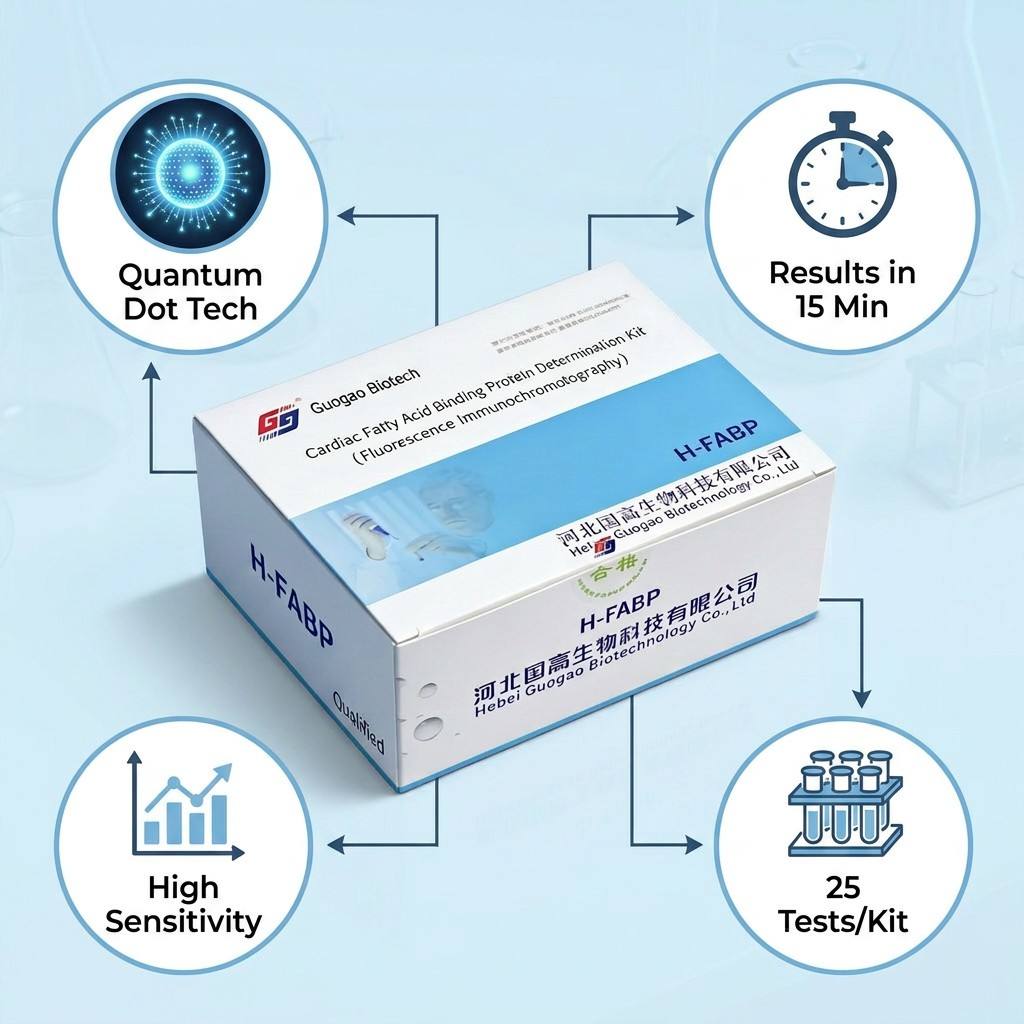
These tests typically deliver results in 5 to 30 minutes, compared to standard PCR-based laboratory tests that can take 1 to 3 days or longer. For healthcare teams, that difference is not merely a convenience — it directly influences treatment decisions, isolation protocols, and patient outcomes.
Rapid Tests in Emergency Care: Speed as a Clinical Advantage
In emergency department settings, the ability to diagnose quickly is central to effective triage. Whether a patient presents with respiratory symptoms, suspected sepsis, or potential infectious disease exposure, waiting days for laboratory confirmation is rarely workable.
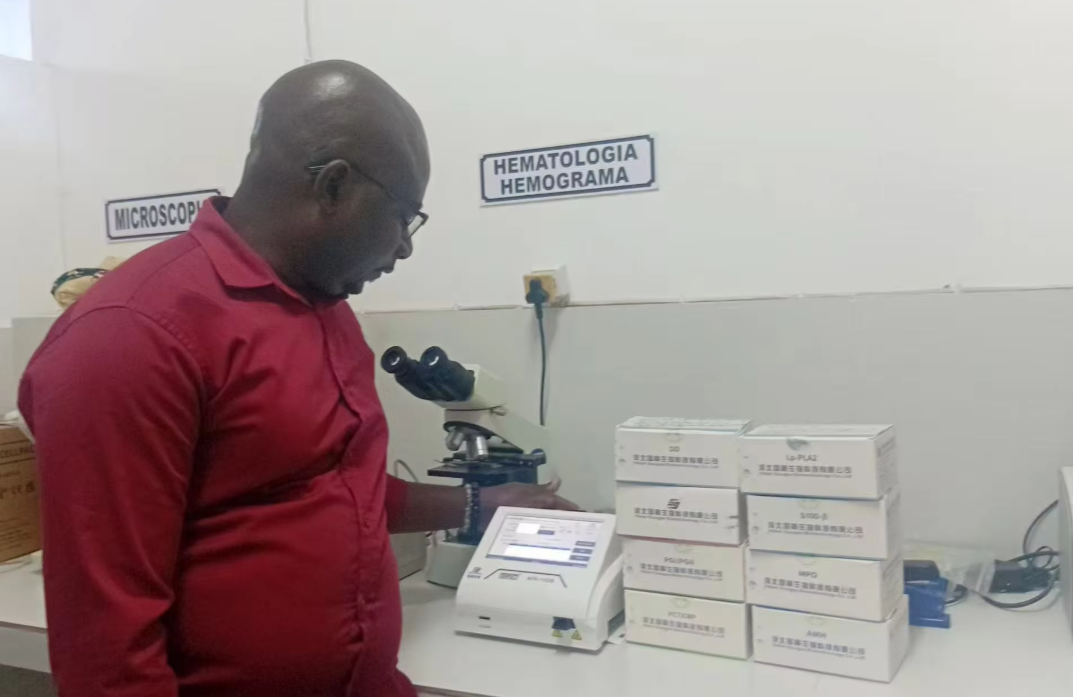
Rapid antigen tests have become a reliable part of emergency diagnostics for a range of conditions, including influenza A and B, COVID-19, streptococcal pharyngitis, respiratory syncytial virus (RSV), and malaria. These tests require minimal training and infrastructure, which matters in emergency units where non-laboratory staff often perform testing at the point of care.
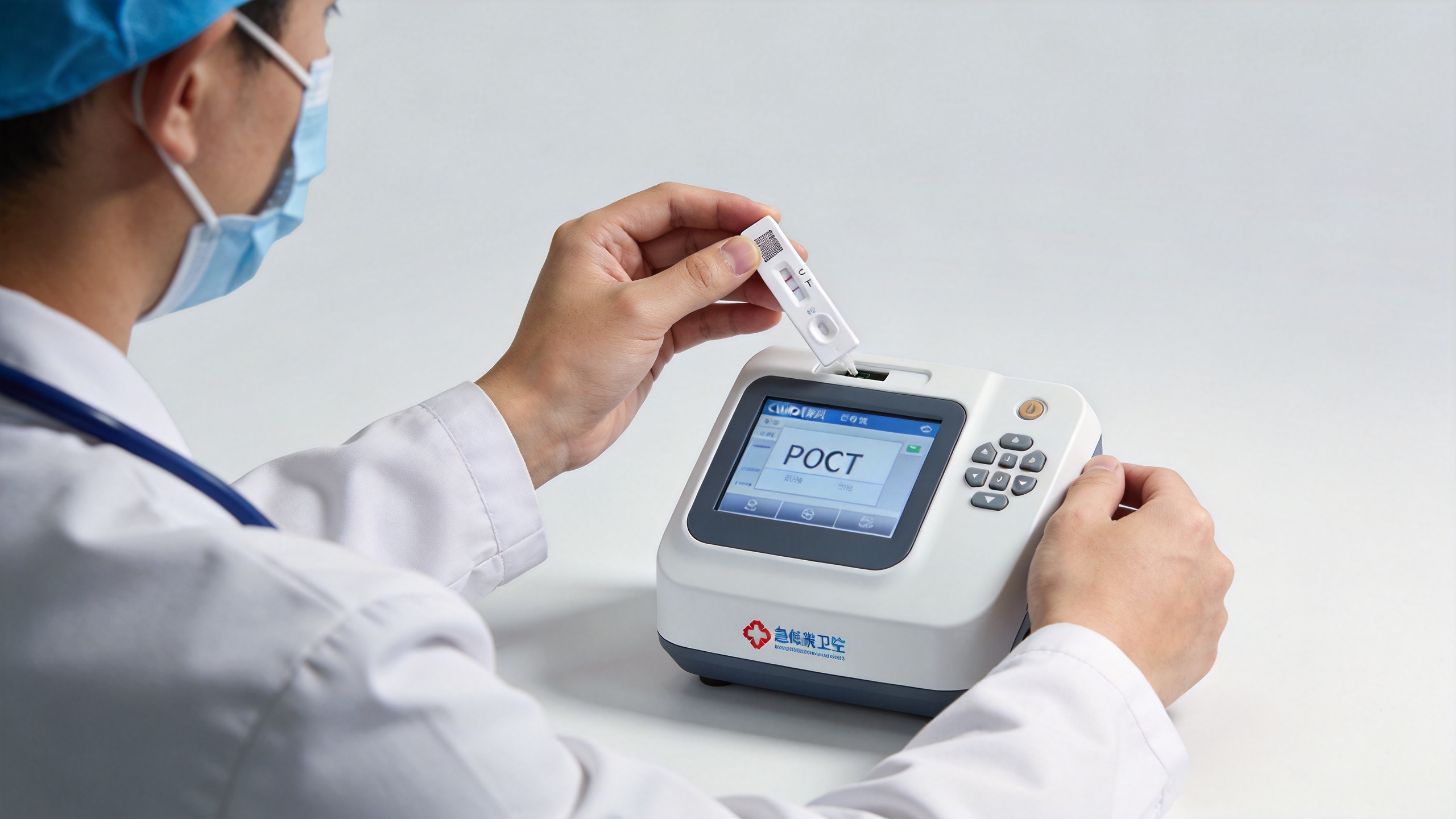
That said, I should be careful not to overstate this point — that sensitivity can vary considerably depending on the test type and the disease being detected. In clinical practice, clinicians treating emergency patients generally understand that a negative rapid antigen test result, especially early in the course of illness, may not rule out infection. Published clinical data from emergency department studies indicates that rapid antigen tests for COVID-19 can achieve specificity of approximately 92%, while sensitivity is more variable. In most cases, a positive result carries strong diagnostic weight; a negative result in a high-suspicion patient often warrants confirmatory testing.
That said, the practical value of point-of-care rapid testing in emergency care is well-established. For high-acuity patients, rapid results allow care teams to make isolation decisions, initiate targeted therapy, and manage hospital resources more efficiently — without waiting for centralized lab processing cycles.
Public Health Screening: Accessible Disease Detection at Scale
Beyond individual clinical encounters, rapid tests play a critical role in public health screening programs. Their minimal infrastructure requirements make them deployable in settings where traditional laboratory systems are unavailable or impractical — rural health posts, field clinics, community screening drives, and outbreak response scenarios.
For healthcare applications in resource-limited or high-throughput environments, the appeal is straightforward. A rapid test can be administered by a trained healthcare worker without advanced laboratory equipment, and results can guide immediate intervention decisions in the field. This is particularly relevant for disease detection programs targeting HIV, malaria, tuberculosis, and sexually transmitted infections (STIs) in community settings.
During outbreak events — a common concern in public health departments globally — the scalability of rapid testing is a major operational advantage. Mass screening using rapid antigen tests allows public health authorities to identify and isolate cases quickly, map transmission patterns, and allocate resources with current rather than retrospective data.
From a procurement and supply chain perspective, experience suggests that the biggest challenge in public health screening programs is not the test format itself, but rather ensuring a consistent, compliant supply of tests suited to the target disease and population. Not every rapid test performs equally well across all epidemiological contexts. A test optimized for urban clinical use may not carry the regulatory clearances or stability specifications needed for field deployment in high-temperature environments.
Choosing the Right Rapid Test for the Right Setting
In clinical practice, the choice between different rapid test types often comes down to three variables: the intended use setting, the required sensitivity-specificity balance, and the regulatory approval status in the target market.
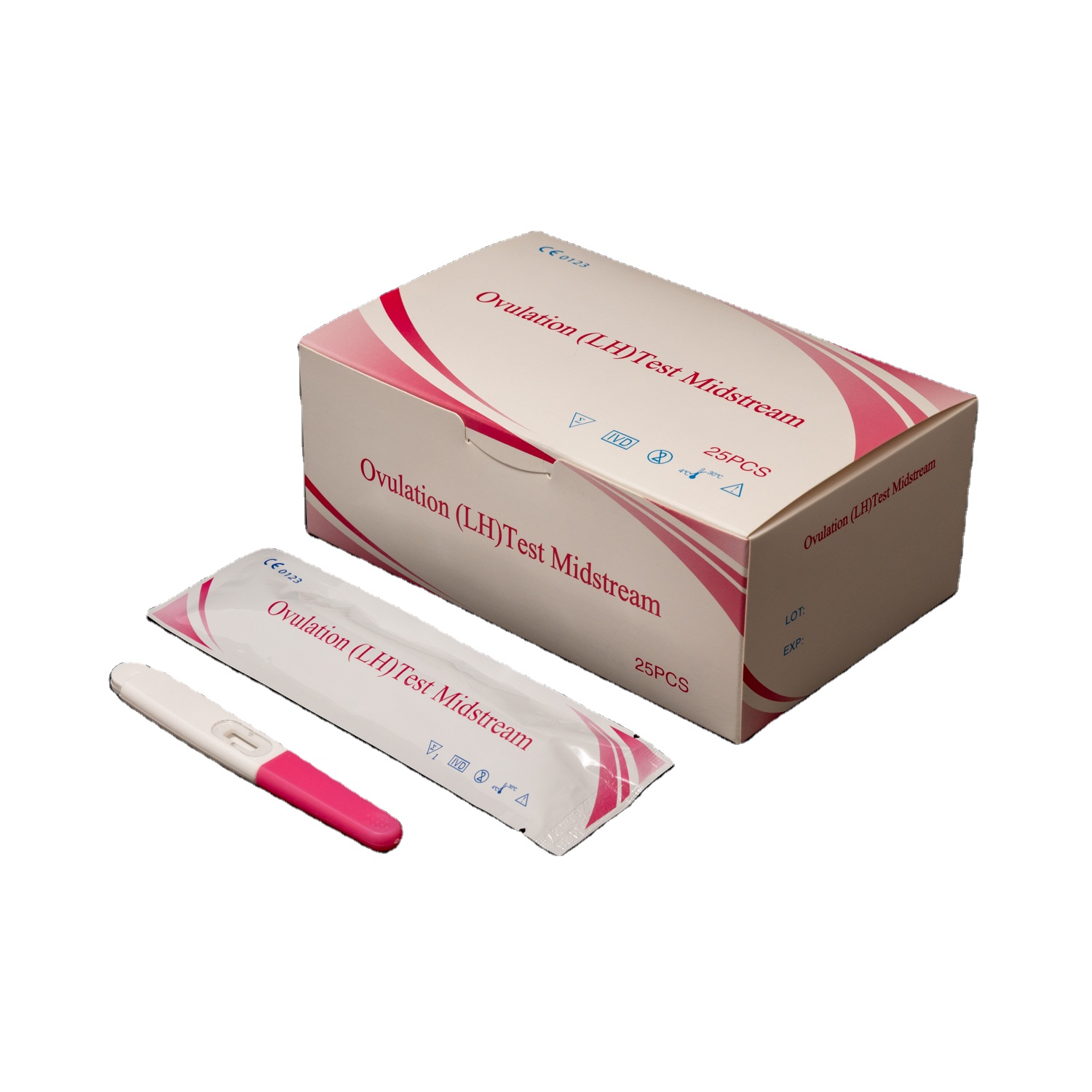
- Antigen tests (the most common rapid format) detect specific proteins from a pathogen. They are fast, cost-effective, and suitable for symptomatic patients during the active phase of infection. Turnaround time is typically 15 to 30 minutes.
- Antibody/serology tests detect the host's immune response rather than the pathogen directly. These are more appropriate for confirming past infection or assessing immunity — less suited to acute emergency diagnostics, but valuable in epidemiological surveillance.
- Molecular point-of-care (POC) tests, a newer category, bring PCR-level sensitivity to bedside or near-patient settings. While more expensive, they offer higher accuracy for applications where sensitivity is non-negotiable.
For emergency diagnostics, antigen-based rapid tests remain the workhorse option — balancing speed, cost, and operational simplicity. For population-level public health screening, the same antigen format is widely used for influenza, COVID-19, HIV, and malaria programs, though the specific product must be matched to local regulatory clearance requirements (CE, FDA, WHO prequalification, or national registration, depending on the target market).
Reliability Considerations in High-Stakes Settings
One question that comes up frequently — and is worth addressing directly — is whether rapid tests are reliable enough for high-stakes decisions. The honest answer is: it depends on how they are used.
In practice, experienced clinicians do not treat rapid tests as standalone diagnostic gold standards. They use them as one input among several — alongside symptom presentation, patient history, and clinical judgment. In emergency care, a positive rapid test for influenza during flu season, combined with appropriate symptoms, is typically sufficient to guide antiviral therapy and isolation. In a setting with low disease prevalence, however, positive predictive value drops, and confirmatory testing becomes more important.
Similarly, in public health screening programs, rapid tests are most effective when embedded within a broader testing protocol — confirmatory testing pipelines, data reporting systems, and clear action thresholds based on local epidemiological context.
Sourcing Considerations for Healthcare Institutions
For hospitals, clinics, and procurement teams evaluating rapid test options, the regulatory and supply chain dimensions matter as much as the clinical performance data. A test that performs well in a manufacturer's validation study but lacks the required market registration in your region cannot be legally used in patient care — regardless of its sensitivity and specificity figures.
Suppliers with experience in cross-border medical device trade can often provide documentation support for customs clearance and market registration in target countries. Verifying the completeness of a supplier's compliance documentation before entering a bulk procurement arrangement is a recommended practice — and one that becomes especially important when sourcing for emergency preparedness stockpiles or large-scale screening programs where supply disruptions carry significant operational risk.
Conclusion
Rapid tests have earned a durable place in both emergency care and public health screening for good reason: they deliver actionable diagnostic information at the speed that real-world healthcare demands. Their role is not to replace laboratory diagnostics, but to extend the reach of timely, evidence-based healthcare decisions to the point where patients and populations actually need them.
For healthcare applications ranging from emergency triage to community disease detection programs, selecting the right rapid test — matched to the clinical setting, disease target, regulatory requirements, and operational context — remains the critical judgment call. Understanding where rapid tests excel, and where their limitations require supplementary protocols, is what separates effective use from diagnostic overreliance.