 EN
EN
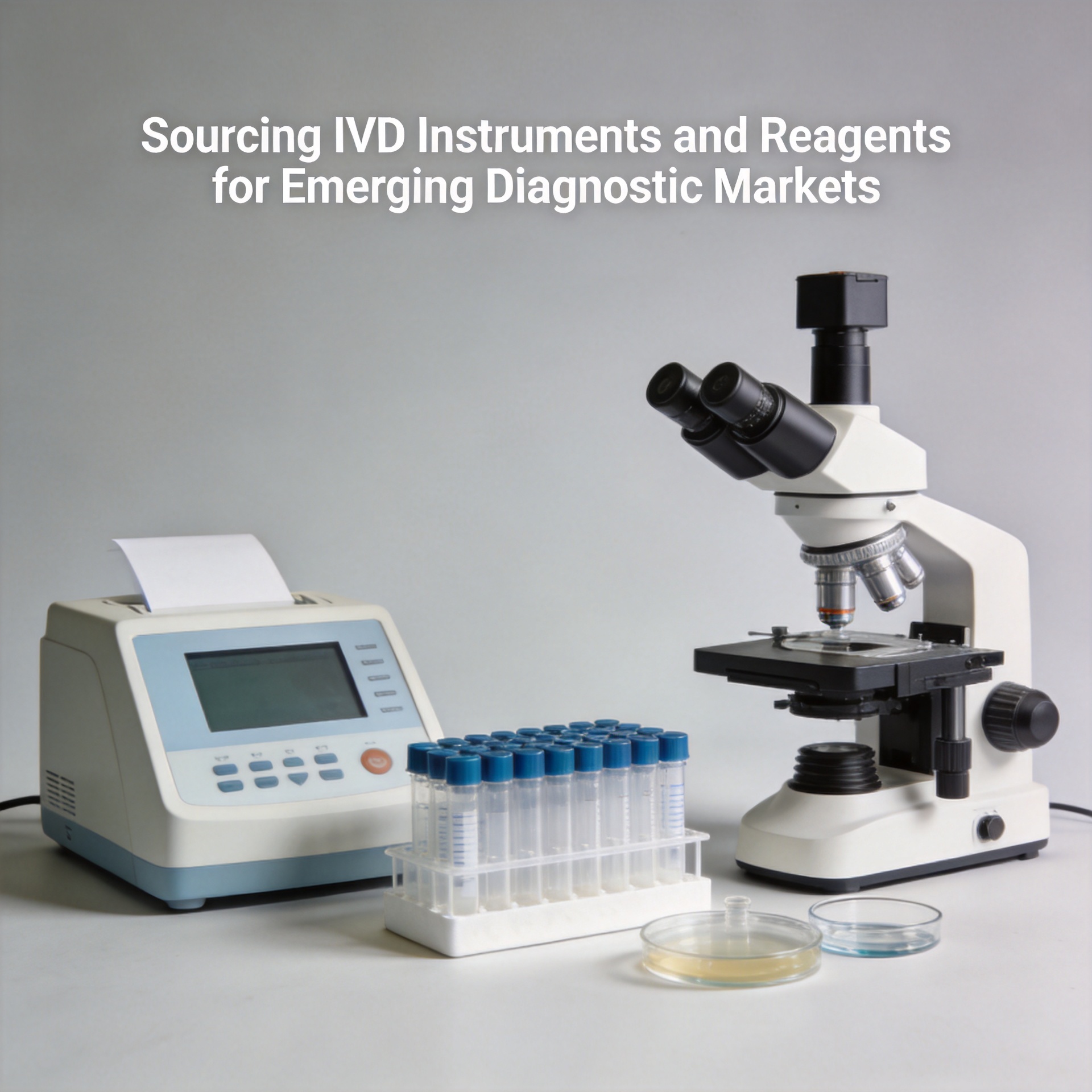
Sourcing IVD Instruments and Reagents for Emerging Diagnostic Markets.
As someone who has spent years supplying IVD products, including detection kits and diagnostic analyzers, to hospitals, clinics, and wholesale distributors across Asia, Africa, and other emerging regions, my focus when evaluating IVD suppliers has consistently been less about headline price and more about what happens after the purchase order is signed. Regulatory paperwork gets delayed. Shipments are held at customs. IVD reagent batches vary between lots. These are not edge cases; they are the routine challenges of sourcing IVD instruments and reagents for markets where healthcare infrastructure is expanding faster than the regulatory frameworks surrounding it.
The global IVD market is substantial and growing. Research estimates put the in vitro diagnostics sector at roughly USD 101–110 billion in 2025, with a projected compound annual growth rate of around 7–8% through 2030. Emerging regions are outpacing overall IVD market growth: the Asia-Pacific IVD segment alone was valued at approximately USD 19.5 billion in 2025 and is forecast to reach USD 35.6 billion by 2034. Africa's IVD market, while smaller at around USD 1.38 billion in 2025, is growing steadily at a 3.7% CAGR. Tracking IVD market trends at the regional level — rather than relying solely on global figures — gives procurement teams a clearer picture of where demand is accelerating and which product categories are seeing the fastest adoption. For distributors and procurement teams operating in these markets, the question is no longer whether to source IVD products, but rather how to do it reliably.
Understanding the Emerging Market IVD Landscape
Demand for IVD instruments and reagents in developing regions is being driven by rising disease burden, expanding primary care networks, and increasing government investment in diagnostic capacity. Infectious disease testing — for HIV, tuberculosis, hepatitis, and malaria — remains a high-volume application for IVD products in many African and Southeast Asian markets. Point-of-care IVD testing is growing particularly fast, driven by the need for diagnostic capability in settings that lack access to fully equipped laboratories.
Buyers in these markets tend to be price-sensitive but are not indifferent to IVD quality or compliance. A distributor working in sub-Saharan Africa typically needs IVD products that are affordable at scale, supported by credible documentation, and compatible with local infrastructure — including unreliable power supply, limited cold-chain logistics, and variation in user training levels. This combination of constraints requires an IVD sourcing approach that goes well beyond comparing catalog prices.
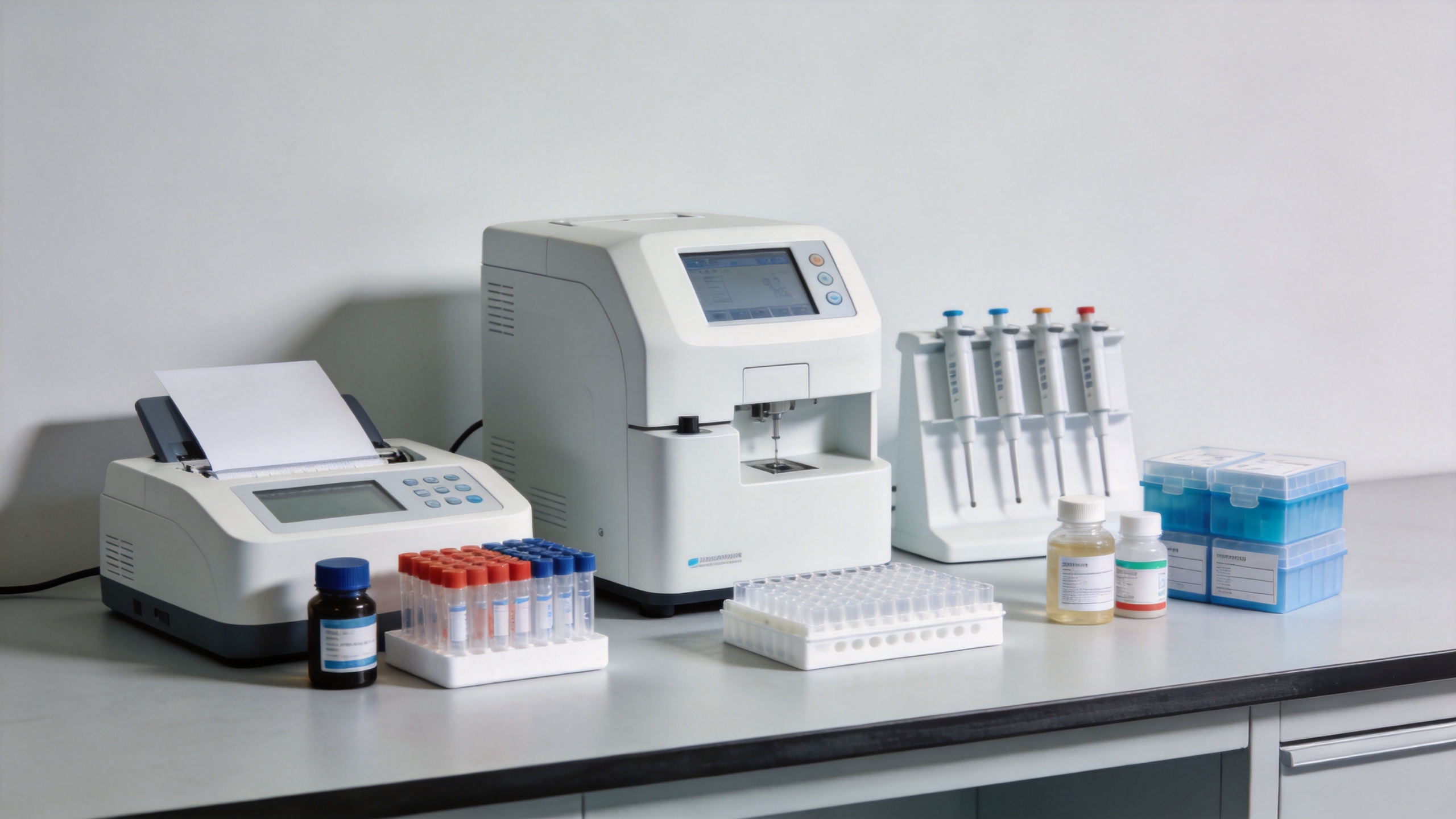
Building Your IVD Supplier Evaluation Framework
When assessing a potential IVD instrument supplier, a structured evaluation approach is more reliable than relying on product brochures alone. The following criteria consistently distinguish dependable IVD suppliers from those that create downstream problems:
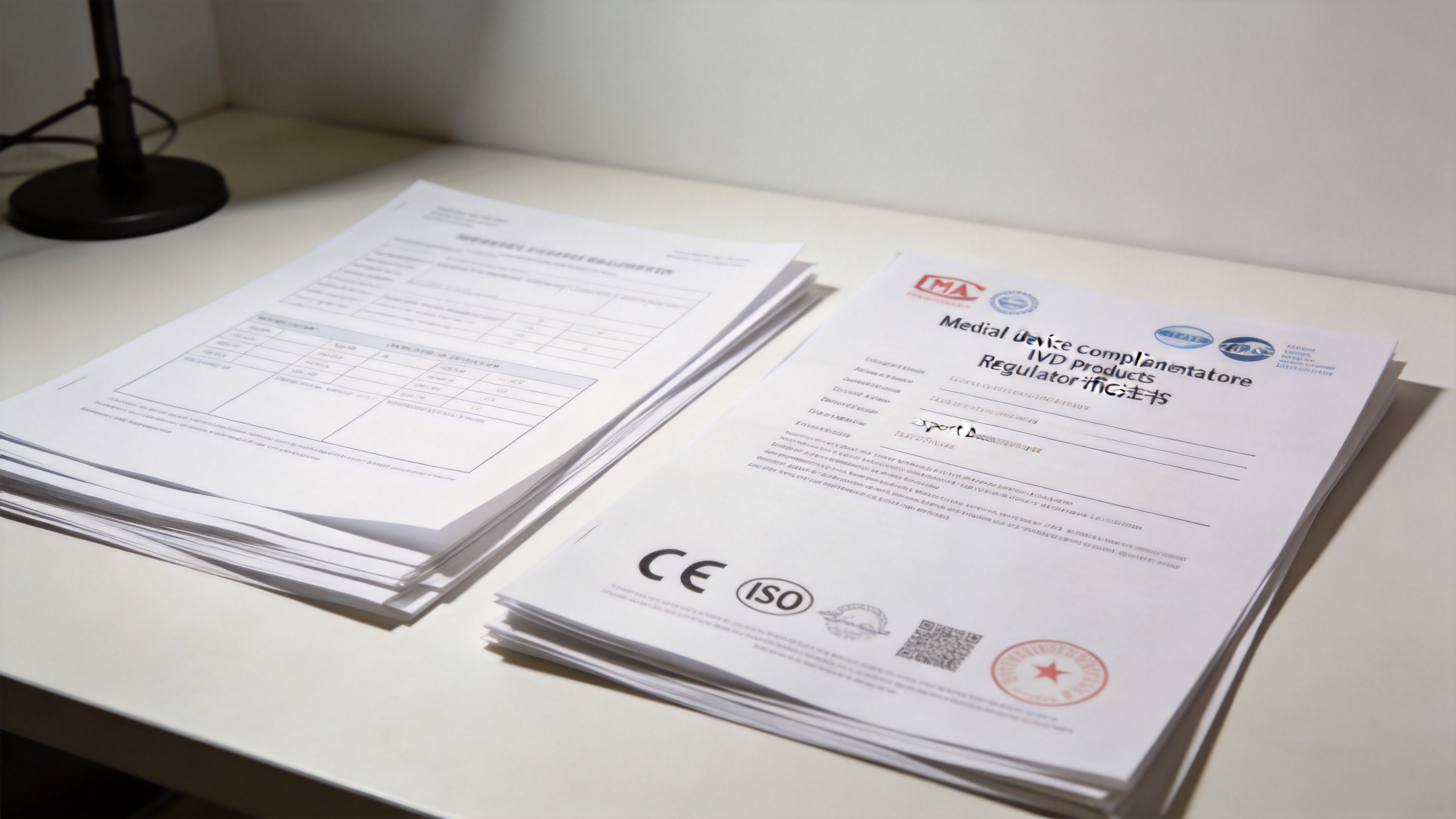
- Regulatory document completeness: Does the IVD supplier provide a full export compliance document package, including CE marking certificates, product registration documents, ISO 13485 quality management certification, and country-specific authorization letters? Incomplete IVD documentation is one of the most common causes of customs delays and market-entry setbacks.
- IVD batch consistency records: Can the supplier provide quality control data across recent IVD production batches? For reagent kits in particular, lot-to-lot performance variation is a significant operational risk for end-users.
- Cold chain and logistics capability: For temperature-sensitive IVD reagents, does the supplier have verified cold-chain export protocols? This matters especially for shipments to tropical climates where transit conditions can compromise IVD product performance.
- Minimum order quantities and IVD sample availability: For first-time procurement from a new supplier, the ability to request sample IVD kits or trial orders before committing to a full batch significantly reduces the risk of discovering product-fit issues after a large investment.
- Technical support for IVD products: What level of training materials and responsive support does the IVD supplier offer? In markets with limited local technical expertise, this dimension often determines whether a product is used correctly, and whether the distributor retains the customer long-term.
Navigating In Vitro Diagnostic Regulations by Region
One of the most frequent misconceptions among buyers entering new markets is that a product's existing IVD certifications will automatically satisfy the requirements of their target country. This is not the case. Holding a CE mark under the EU IVDR (Regulation 2017/746/EU) is a meaningful credential for IVD products, but it does not constitute market authorization in Indonesia, Nigeria, or Brazil. Each country has its own IVD registration process, and the timelines and documentation requirements vary considerably.
Under the current EU IVDR framework, the vast majority of IVD products now require assessment by an accredited Notified Body. Distributors operating in the EU must verify CE marking, unique device identifiers (UDIs), and declarations of conformity before supplying any IVD product to market. In the United States, IVD products are regulated under FDA 21 CFR Part 809, which governs labeling and marketing authorization requirements for in vitro diagnostic devices.
For emerging markets in Africa, Southeast Asia, and Latin America, the regulatory picture for IVD products is more variable. Accurate guidance on country-specific IVD regulations tends to come from local consultants or in-country distribution partners with active IVD registration experience. Building target-market regulatory verification into your IVD supplier evaluation process — rather than resolving it after procurement — consistently reduces costly delays.
IVD Reagents Wholesale: What Actually Matters
Wholesale sourcing of IVD reagents introduces distinct considerations compared to IVD instrument procurement. Reagents are consumables that create a recurring purchasing relationship, and IVD quality issues compound over time rather than being isolated incidents.
The mindset shift that makes the biggest difference for buyers sourcing IVD reagents at scale is moving from a single-purchase cost focus to a supply chain stability perspective. An IVD reagent wholesale supplier that offers the lowest per-kit price but has unpredictable lead times or inconsistent batch performance often proves more expensive in practice than a higher-priced IVD supplier with reliable delivery and consistent product quality.
Shelf life management is another variable that matters more than it appears on paper. When distributing IVD products to markets with variable storage infrastructure, selecting reagents with longer shelf lives and documented stability at ambient temperatures reduces the risk of wastage and downstream complaints. Asking IVD suppliers for stability data across storage conditions relevant to your target market is a reasonable due diligence step.
Practical Steps for Getting Started with IVD Sourcing
If you are building or expanding your IVD sourcing operations for emerging markets, a few concrete starting points tend to accelerate the process:
- Define your target market IVD regulatory requirements before shortlisting suppliers — not after.
- Request a compliance document package from any IVD supplier you are considering, and verify it covers the specific markets you plan to serve.
- Start with a small trial order or sample evaluation before committing to bulk IVD procurement, particularly with new supplier relationships.
- Clarify cold-chain and logistics protocols for temperature-sensitive IVD reagents upfront, including export packaging and transit documentation.
- Establish a technical support channel with your IVD instrument supplier and test responsiveness before placing your first significant order.
Beijing Jiachuang Jiuhe Global Trade Co., Ltd (jiuhekit.com) works with medical device wholesalers, hospitals, and distributors across Asia, Africa, Europe, and the Americas, providing IVD detection kits and instruments along with the export compliance documentation support that B2B buyers in regulated markets require. Whether you are entering a new market or expanding an existing IVD product line, discussing regulatory context and product fit early in the procurement process tends to make outcomes more predictable.