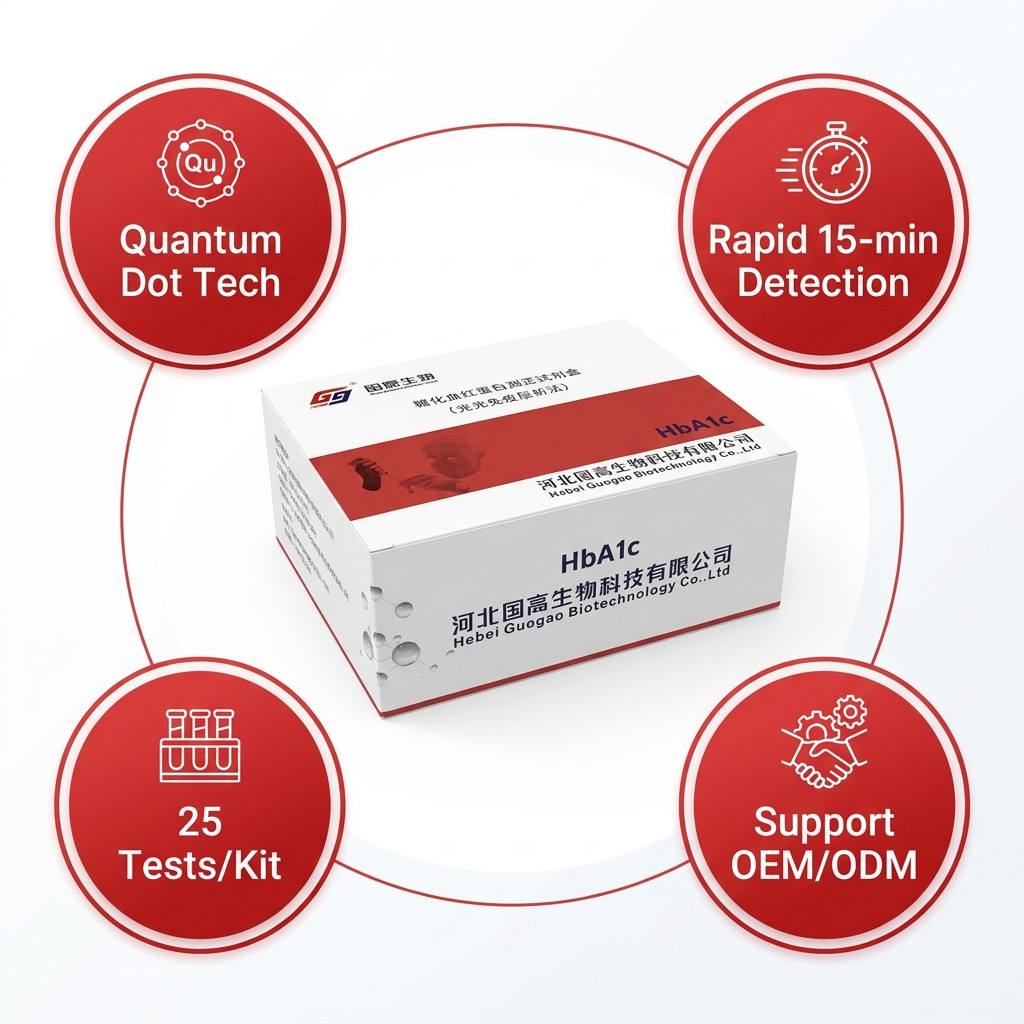
HbA1c ELISA Kit for Labs: Reliable Glycated Hemoglobin Testing

showlist/hba1c-elisa-kit, showlist/hba1c-elisa-kit, 
Inquiry
Inquiry
Practical Hba1c Testing for Consistent Laboratory Performance

Practical Hba1c Testing for Consistent Laboratory Performance

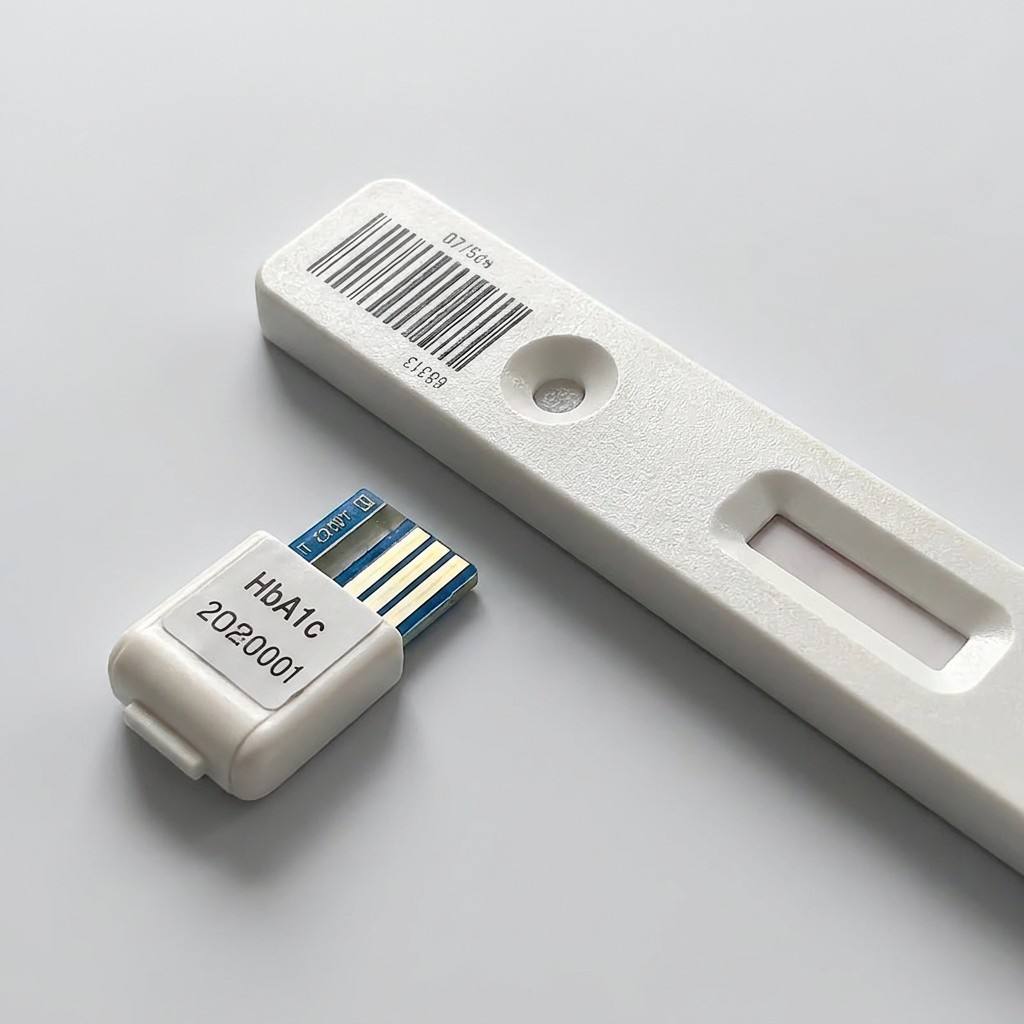
The Hba1c Elisa Kit supports laboratories, diagnostic centers, and clinical research teams that need practical assessment of long-term blood glucose control. Designed for routine immunoassay workflows, the kit helps quantify glycated hemoglobin and supports monitoring over approximately 8–12 weeks. Its ELISA format fits laboratories already equipped with standard microplate readers, reducing the need for major workflow changes. In diabetes screening and follow-up programs, reliable Hba1c measurement can complement daily glucose testing and provide a broader view of glycemic status. Jiuhe Kit focuses on standardized manufacturing, controlled reagent preparation, and batch consistency to support dependable laboratory use. The format is particularly suitable for laboratories processing multiple patient samples within established testing schedules.
Get A Quote

Case Study

Supporting Diabetes Monitoring in Clinical Laboratories

A regional clinical laboratory introduced the Hba1c Elisa Kit into its routine diabetes monitoring workflow to complement fasting glucose measurements. The laboratory processed multiple patient samples during scheduled testing periods using standard ELISA equipment already available on site. Hba1c testing provided a longer-term perspective because glycated hemoglobin reflects average blood glucose exposure over roughly 8–12 weeks. By adding this measurement to its existing workflow, the laboratory created a more comprehensive testing profile for physicians reviewing patients with suspected or established diabetes. The kit format also allowed technicians familiar with microplate immunoassays to integrate the procedure without adopting an entirely different analytical platform.

Expanding Screening Capacity for Preventive Health Programs

A preventive health screening center used the Hba1c Elisa Kit as part of its laboratory testing menu for adults requiring assessment of longer-term glucose control. The center incorporated Hba1c results alongside routine glucose measurements during scheduled screening campaigns. Because Hba1c reflects average glycemic exposure over several weeks rather than a single testing moment, the additional marker helped create a broader laboratory assessment. The ELISA format was compatible with the center’s existing microplate workflow, allowing technicians to use established laboratory procedures. For screening programs handling repeated batches of samples, a standardized kit format can simplify reagent preparation, testing organization, and result documentation.

Research Applications for Glycemic Biomarker Evaluation

A biomedical research team selected an Hba1c Elisa Kit for a study evaluating glycemic biomarkers across multiple sample groups. The researchers needed an ELISA-based method compatible with microplate laboratory infrastructure and repeat testing schedules. Hba1c was selected because glycated hemoglobin provides an integrated indication of average blood glucose exposure over approximately 8–12 weeks. The team incorporated the assay into its broader analytical workflow and compared Hba1c findings with additional glucose-related measurements. A standardized commercial kit helped streamline routine assay preparation while supporting consistent handling across study batches. This application demonstrates how ELISA-based Hba1c testing can serve both clinical laboratory assessment and structured biomedical research.

Jiuhe Kit provides the Hba1c Elisa Kit for laboratories seeking an established ELISA-based approach to glycated hemoglobin measurement. The assay is designed around immunoassay principles and can be integrated into laboratories equipped with conventional microplate readers and supporting ELISA instruments. Glycated hemoglobin is widely used as a marker of longer-term glucose exposure because red blood cells circulate for approximately 120 days, while Hba1c generally reflects average glycemic conditions over the preceding 8–12 weeks. This makes Hba1c valuable for diabetes monitoring, screening programs, and research involving glucose metabolism. Jiuhe Kit emphasizes controlled reagent preparation, standardized production procedures, and quality-focused batch management to support dependable laboratory workflows. For diagnostic centers processing multiple samples, the ELISA format can fit established microplate operations without requiring a dedicated analyzer. The product can also support research laboratories comparing Hba1c with other metabolic indicators in structured studies.

Frequently Asked Questions

What is an Hba1c Elisa Kit used for?

An Hba1c Elisa Kit is used to measure glycated hemoglobin in blood samples through an ELISA-based immunoassay procedure. Hba1c reflects average blood glucose exposure over approximately 8–12 weeks, making the marker useful for diabetes monitoring, screening workflows, and research involving long-term glycemic control.
The Hba1c Elisa Kit is designed for laboratories using conventional ELISA workflows, including microplate readers and related laboratory equipment. Compatibility should always be confirmed against the specific instrument configuration and operating procedure before routine implementation, especially when laboratories use different plate formats or analytical systems.
Hba1c provides a longer-term view of glycemic exposure than a single blood glucose measurement. Because it reflects approximately 8–12 weeks of average glucose conditions, healthcare professionals can use Hba1c as part of a broader assessment when monitoring patients, evaluating glucose control, or supporting diabetes-related screening programs.
Hba1c testing commonly uses blood-derived samples suitable for glycated hemoglobin analysis. The exact specimen requirements depend on the assay procedure, collection method, and validated laboratory protocol. Users should follow the product instructions and applicable laboratory procedures for sample collection, preparation, storage, and testing.
The ELISA format can be useful in biomedical and laboratory research involving glycated hemoglobin and glucose metabolism. Researchers can incorporate Hba1c measurements into studies comparing different metabolic indicators. Application suitability depends on the study design, sample characteristics, validation requirements, and the intended use of the generated data.

Related article

How to Use a Pregnancy Test Correctly to Avoid False Results?

16

Sep

How to Use a Pregnancy Test Correctly to Avoid False Results?

Learn how to use a pregnancy test correctly, step by step. Discover what causes false results and how proper technique improves HCG detection accuracy.
View More
What Are the Steps in Developing and Validating a New Diagnostic Kit?

16

Sep

What Are the Steps in Developing and Validating a New Diagnostic Kit?

Learn the key steps in development and validation of a new diagnostic kit: formulation, clinical testing, regulatory approval, manufacturing.
View More
The Advantages of Colloidal Gold Strips in Point-of-Care Testing.

16

Sep

The Advantages of Colloidal Gold Strips in Point-of-Care Testing.

Discover the key advantages of colloidal gold strips in point-of-care testing: rapid results, no lab equipment, cost efficiency, and reliable sensitivity.
View More
Why Are Real-Time PCR Diagnostic Kits Vital for Viral Load Monitoring?

16

Sep

Why Are Real-Time PCR Diagnostic Kits Vital for Viral Load Monitoring?

Discover why real-time PCR diagnostic kits are vital for viral load monitoring: sensitivity, quantification standards, and procurement guidance.
View More

Customer Testimonials

Get a Free Quote

Our representative will contact you soon.
0/1000
Standardized ELISA Workflow for Laboratory Integration

Standardized ELISA Workflow for Laboratory Integration

The Hba1c Elisa Kit is structured for laboratories familiar with conventional ELISA procedures, making integration more practical for teams already using microplate-based testing. In a routine clinical environment, technicians can incorporate glycated hemoglobin analysis into established sample handling and plate-reading workflows rather than introducing a completely different analytical platform. Hba1c is particularly valuable because it reflects average glycemic exposure across approximately 8–12 weeks, complementing measurements that represent glucose levels at a single point in time. For laboratories processing repeated patient batches, a standardized reagent system can help organize testing steps, improve workflow consistency, and simplify routine documentation. The format also provides research teams with a practical option for structured studies involving glucose metabolism and long-term glycemic indicators.
Long-Term Glycemic Assessment for Diverse Laboratory Applications

Long-Term Glycemic Assessment for Diverse Laboratory Applications

Hba1c analysis provides useful information for applications where a longer-term view of glucose control is more informative than an isolated glucose result. Diabetes clinics can use Hba1c testing within broader monitoring workflows, while screening centers can include the marker in preventive health assessment programs. Research laboratories may also evaluate Hba1c alongside fasting glucose and other metabolic indicators. Since glycated hemoglobin generally represents glucose exposure over approximately 8–12 weeks, it offers a practical biomarker for longitudinal assessment. Jiuhe Kit combines this application value with an ELISA-based format suitable for laboratories equipped with microplate readers. Controlled manufacturing procedures and batch-focused quality management help support consistent laboratory operations across routine testing, screening projects, and research applications.