 EN
EN
How to Use a Pregnancy Test Correctly to Avoid False Results?
From the perspective of someone who has spent years working with diagnostic test kits in clinical and distribution settings, one of the most common reasons a pregnancy test gives a wrong result has nothing to do with the product itself. It comes down to how the test is used. Whether you are relying on hcg pregnancy test strips, a digital pregnancy test kit, or a midstream pregnancy test, the core variables that determine accuracy are timing, sample collection technique, and storage conditions.
Many home pregnancy tests claim 99% accuracy when used on the day of a missed period with correct technique. That figure drops significantly when tests are taken too early or when instructions are not followed carefully. Understanding what causes false results — and how to avoid them — is the most practical thing you can do to get a reliable answer.
How Pregnancy Tests Work: The HCG Principle
All pregnancy tests — strip-based, cassette, or digital — work by detecting human chorionic gonadotropin (HCG), a hormone the body produces after a fertilized egg implants in the uterine wall. After implantation, HCG levels roughly double every 48 to 72 hours in the first weeks of a normal pregnancy.
Most standard pregnancy test strips detect HCG at around 20 to 25 mIU/mL. Early detection pregnancy test formats are designed to respond to lower HCG concentrations, some as low as 6 to 10 mIU/mL, so they can show a positive result several days before a missed period. If HCG in your urine has not yet reached the test's detection threshold, the result will appear negative even if you are pregnant. That is the most common cause of false negatives, and it is the starting point for understanding everything else in this guide.
Step-by-Step: Using a Pregnancy Test Correctly
Step 1: Check the Test Before You Begin
Before opening the packaging, check two things: the expiry date on the box, and the storage conditions the test has been kept in. Pregnancy test reagents degrade over time, especially when exposed to heat, humidity, or sunlight. A test stored above a shower or in a car during summer may give unreliable results even within its nominal shelf life.
Have you checked whether the test you are about to use has been properly stored? Expired or improperly stored tests cause invalid readings more often than most users expect.
Step 2: Choose the Right Time to Test
Testing on or after the day of your expected period? Almost any time of day works. If you want to test earlier — or if you are using a standard sensitivity strip rather than an early detection format — first morning urine is the better option. Urine collected in the morning has not been diluted by daytime fluid intake, so HCG concentration is at its peak.
A common misunderstanding is that morning testing is strictly required at all times. Clinical guidelines confirm that testing at any time is acceptable once HCG levels are well above the detection threshold, typically from the day of a missed period onward. For very early testing, morning urine remains the safer choice.
Step 3: Collect the Sample Correctly
Technique differences between test formats are most pronounced during sample collection.
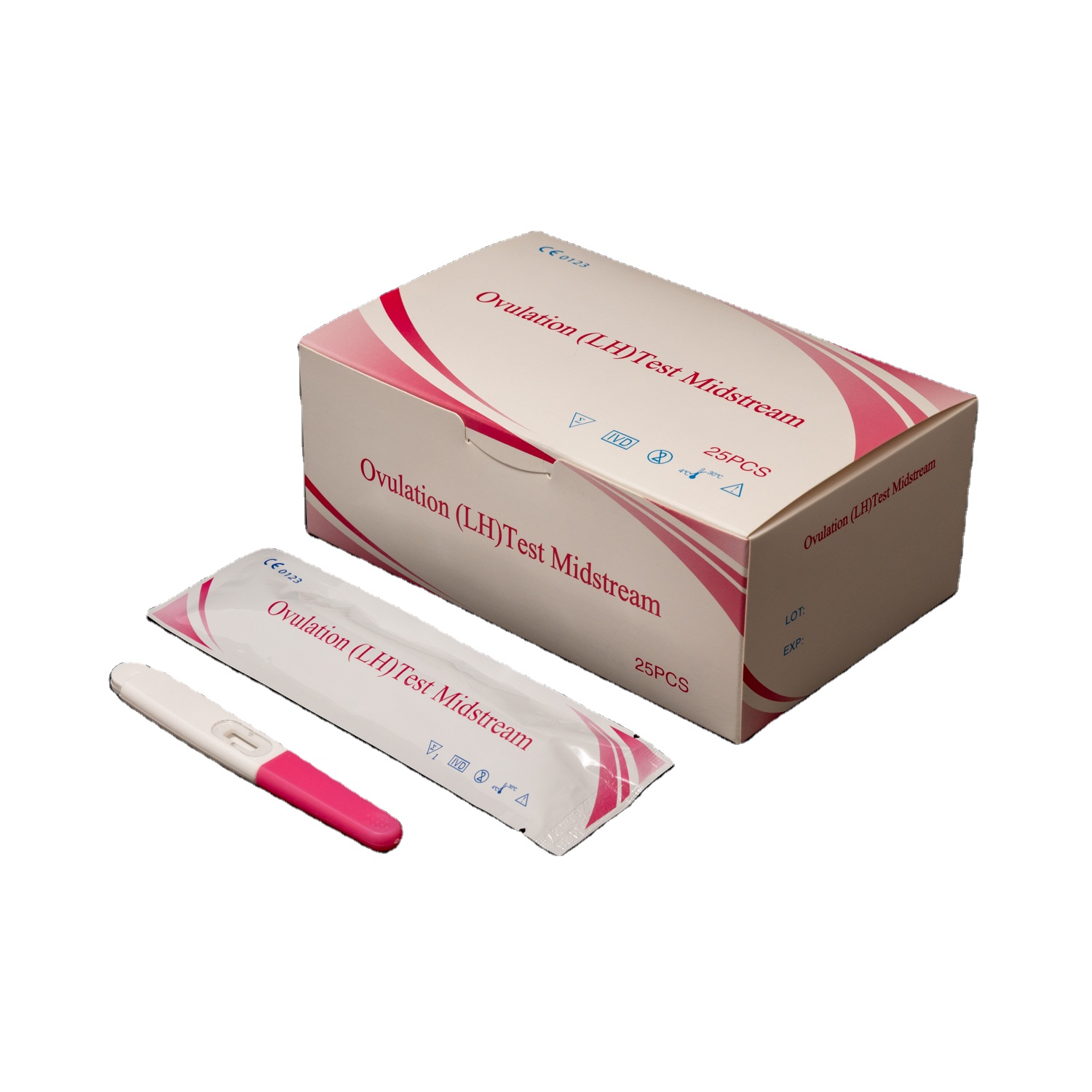
For midstream pregnancy tests: Hold the absorbent tip directly in the urine stream for at least 7 to 10 seconds. Insufficient contact time is one of the most frequent causes of invalid results. Holding the test at a slight downward angle prevents urine from running back toward the result window.
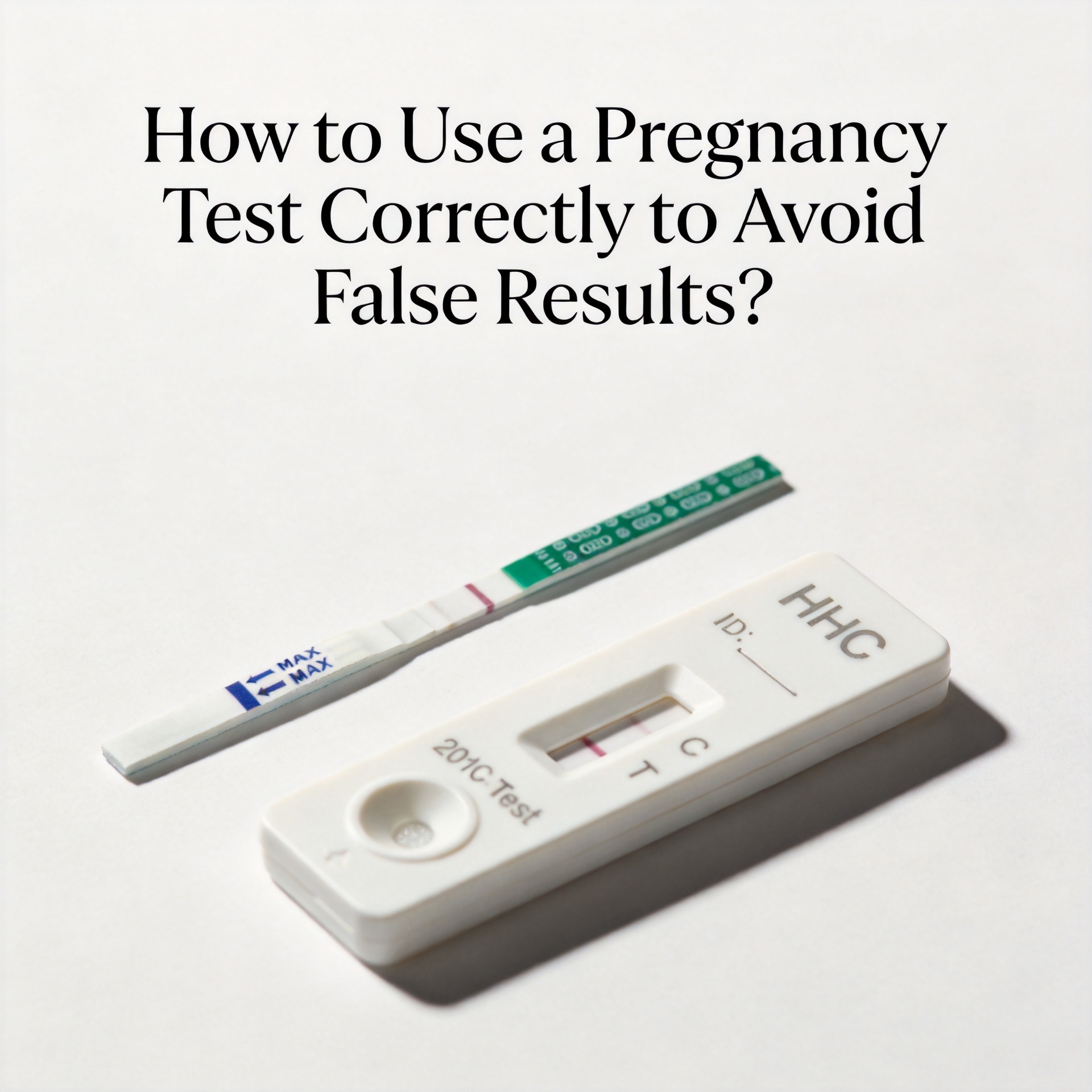
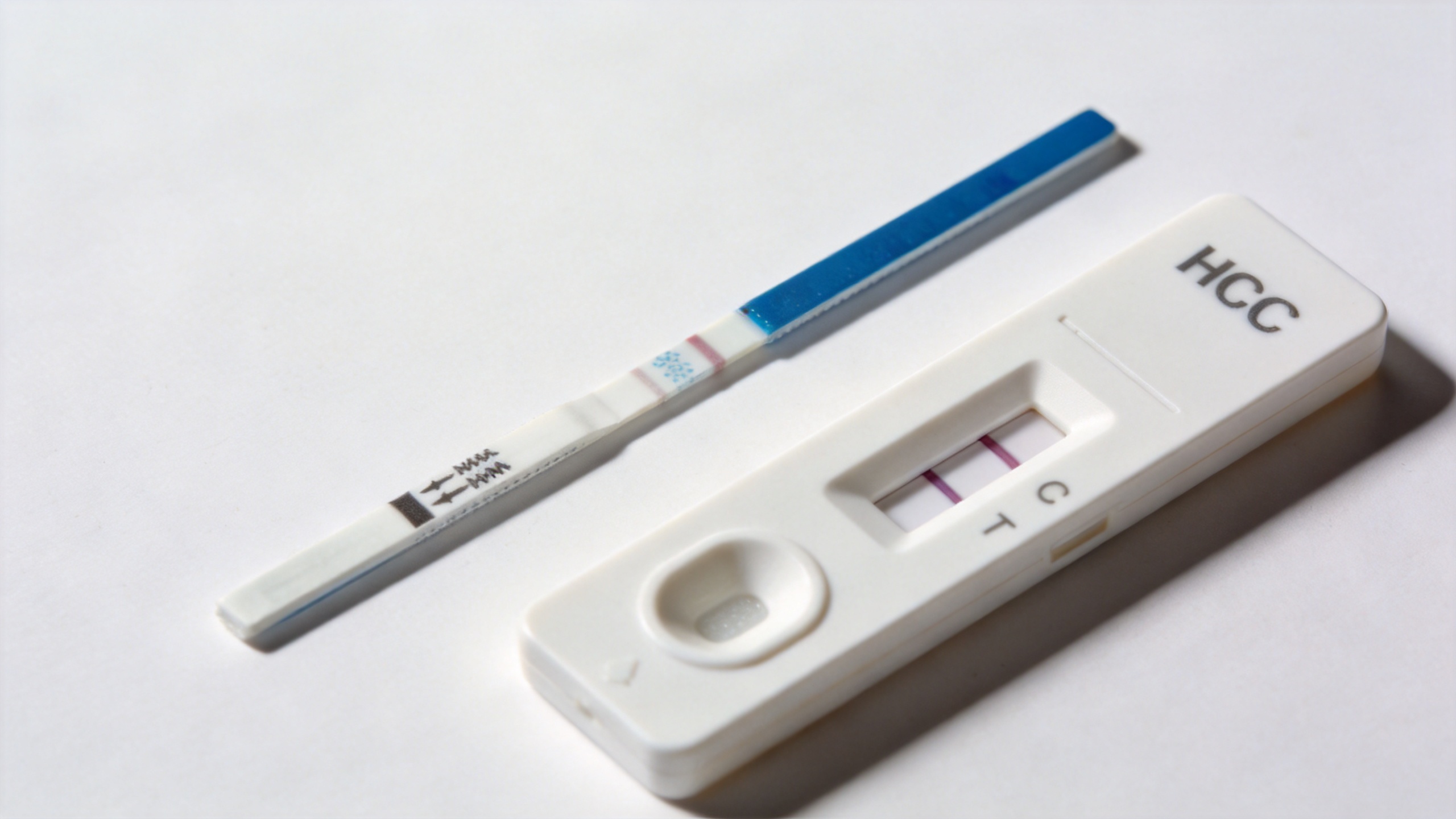
For HCG pregnancy test strips: Dip the strip, marked end down, into a clean container of collected urine for the time specified in the instructions, typically 5 to 10 seconds. Do not submerge the strip beyond the MAX line. After removing it, lay the strip flat on a clean, dry surface while waiting for results.
For digital pregnancy test kits: Follow the sample contact instructions for the specific device. Digital formats convert the HCG signal to a readable display, which removes the line-interpretation ambiguity that sometimes leads to incorrect readings of strip-based results.
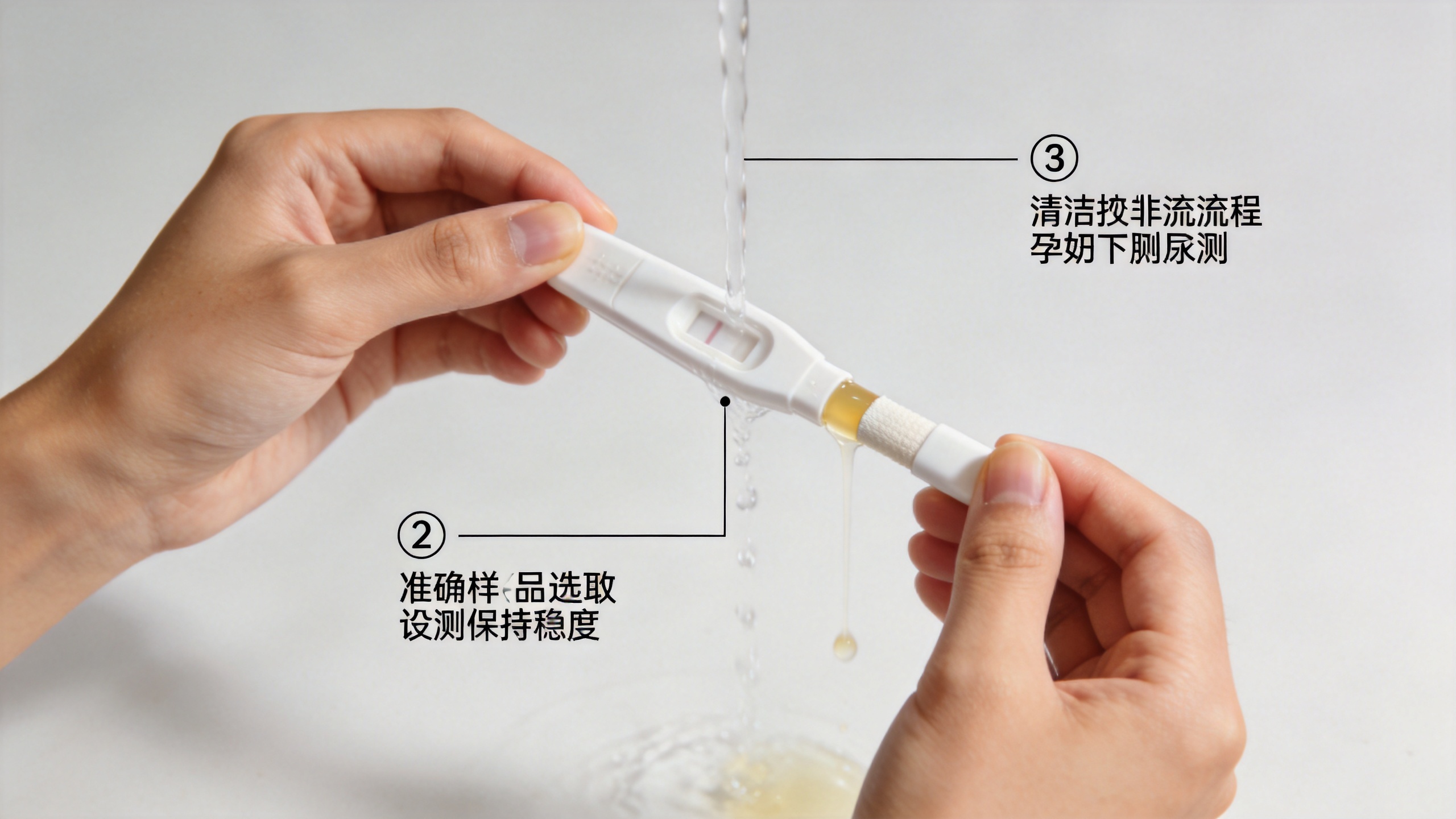
Step 4: Wait for the Full Reading Time
Reading a result too early is a common source of confusion. Most tests display results within 3 to 5 minutes. Checking at 2 minutes may show an indeterminate reading. Reading the result after the recommended window has closed, usually 10 minutes, is also unreliable: evaporation lines can appear on strip tests and be mistaken for faint positives. Set a timer and read the result once at the correct time.
Step 5: Read the Result Correctly
For strip and cassette tests: two lines indicate a positive result, even when the second line is faint. A faint positive line still represents detectable HCG. For digital kits, the display eliminates this ambiguity. An invalid result — no control line — means the test did not function correctly and a new unit is needed.
Common Causes of False Results and How to Avoid Them
Many people assume a more expensive test delivers more accurate results. Accuracy depends far more on when you test and how you collect the sample than on price. Price typically reflects brand recognition and packaging design, not a meaningfully different detection capability.
False Negatives (Test Shows Negative but You Are Pregnant)
- Testing too early: HCG has not reached the detection threshold. Use an early detection pregnancy test or wait until your missed period.
- Diluted urine: Large fluid intake before testing dilutes HCG below detectable levels. Use first morning urine or limit fluids for several hours beforehand.
- Incorrect sample volume: Insufficient urine exposure during collection, especially with midstream formats.
- Expired or degraded test: Reagents lose sensitivity over time or when improperly stored.
False Positives (Test Shows Positive but You Are Not Pregnant)
- Chemical pregnancy: A very early pregnancy loss can cause a brief, detectable HCG rise. This is not a test error.
- Certain medications: HCG-based fertility treatments produce positive readings. Inform your healthcare provider of any current medications before interpreting test results.
- Evaporation lines: Reading strip results after the valid window can produce faint colorless lines that are sometimes misread as positives.
Tips for Early Detection Testing
If you are using an early detection pregnancy test before a missed period:
- Use first morning urine without exception.
- If the result is negative but your period does not arrive, repeat the test after 48 to 72 hours. Because HCG doubles approximately every two to three days, a test taken too early may shift from negative to positive within that window.
- Confirm a positive with a healthcare provider before any clinical decision.
A Note for Distributors and Clinics
For those procuring tests in volume, whether sourcing midstream pregnancy test wholesale quantities for clinic networks or distributing hcg pregnancy test strips to pharmacy channels, operator training materials deserve as much attention as product selection. In multi-staff settings, result consistency correlates more strongly with correct technique than with brand differences. Brief, practical training on sample collection steps can meaningfully reduce invalid and inconclusive rates across a facility.
When to Seek Medical Guidance
A home pregnancy test — strip, cassette, or digital pregnancy test kit — is a screening tool, not a diagnosis. A positive result should be followed up with a healthcare provider for clinical confirmation. If your period is late but tests remain negative, or if you experience unusual symptoms, consult a professional rather than continuing to repeat home tests.
Correct usage turns a reliable test into a reliable result. The product is only part of the equation.