Product Overview
The Hospital Lab Medical Grade Glycated Hemoglobin MPO Assay Kit Immunofluorescence Diagnostic With Reader System Rapid Test Kits is a cutting-edge, dual-biomarker Point-of-Care Testing (POCT) solution designed for modern healthcare facilities. Manufactured by Beijing Jiachuang Jiuhe Global Trade Co., Ltd, this premium Immunofluorescence Diagnostic Kit provides simultaneous, quantitative detection of Glycated Hemoglobin (HbA1c) and Myeloperoxidase (MPO). By combining a high-affinity Glycated Hemoglobin MPO Assay Kit with an advanced fluorescence Reader System, clinical laboratories and hospital ICU departments can rapidly assess long-term glycemic control alongside acute cardiovascular inflammation, significantly accelerating diagnostic workflows and improving patient outcomes.
Detailed Product Description
In modern clinical diagnostics, speed and precision save lives. This Hospital Lab Diagnostic System bridges the gap between chronic disease management and acute coronary syndrome (ACS) risk stratification.
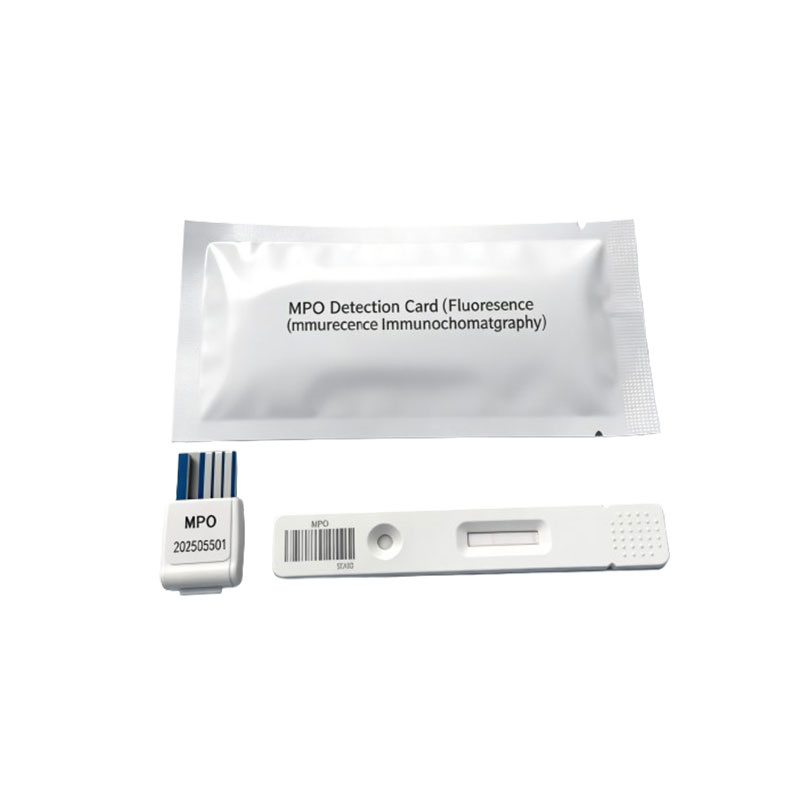
The Glycated Hemoglobin MPO Assay Kit utilizes advanced time-resolved immunofluorescence chromatography. When a patient sample is applied, the specific antigens bind with fluorescent-labeled antibodies on the test strip. The accompanying Fluorescence Immunoassay Reader scans the emission intensity, translating it into precise quantitative data within minutes.
While HbA1c remains the gold standard for monitoring diabetes mellitus over a 3-month cycle, Myeloperoxidase (MPO) serves as a critical neutrophil-activation marker that predicts plaque vulnerability and acute myocardial infarction (AMI) risks. Integrating these two tests into one medical-grade Immunofluorescence Diagnostic Kit system allows clinicians to screen diabetic patients for underlying macrovascular complications seamlessly. This eliminates the need for bulky, time-consuming central laboratory equipment, optimizing the operational efficiency of Hospital Lab Medical Grade Rapid Test Kits.
Key Features
-
Dual-Biomarker Synergy: Measures both metabolic control (HbA1c) and vascular inflammation (MPO) in one comprehensive Hospital Lab Diagnostic System.
-
Advanced Fluorescence Reader System: High-resolution optical sensors deliver precise, objective quantification, eliminating human visual error.
-
Rapid Turnaround Time: Delivers lab-quality quantitative results within 3–15 minutes, making it ideal for emergency rooms and intensive care units.
-
Minimal Sample Volume: Requires only a tiny fingerstick or whole blood sample, reducing patient discomfort during Diabetes Point of Care Testing.
-
Robust Calibration & Stability: Built-in RFID chip calibration ensures batch-to-batch consistency for the Glycated Hemoglobin MPO Assay Kit.
Technical Advantages & Deep Analysis
The core strength of this Immunofluorescence Diagnostic Kit lies in its sub-nanogram sensitivity. Traditional colloidal gold rapid tests only offer qualitative or semi-quantitative results. In contrast, our Hospital Lab Medical Grade Rapid Test Kits leverage rare-earth nanocrystals that feature large Stokes shifts and long emission lifetimes.
Why MPO and HbA1c Together?
Clinical research indicates that chronic hyperglycemia alters vascular endothelium, accelerating atherosclerosis. By deploying this HbA1c MPO POCT Analyzer, cardiologists and endocrinologists can detect microvascular inflammation early. MPO acts as an early-stage warning signal for neutrophil activation in vulnerable plaques before actual myocardial necrosis occurs. Thus, utilizing this comprehensive Glycated Hemoglobin MPO Assay Kit elevates standard patient care from reactive treatment to proactive risk mitigation.
Product Specifications & Parameters
| Parameter |
Specifications & Details |
| Product Name |
Hospital Lab Medical Grade Glycated Hemoglobin MPO Assay Kit |
| Testing Methodology |
Time-Resolved Immunofluorescence Immunoassay (TRFIA) |
| Compatible Equipment |
Specialized Fluorescence Immunoassay Reader System |
| Sample Type |
Whole Blood, Serum, or Plasma |
| HbA1c Detection Range |
4.0% – 15.0% |
| MPO Detection Range |
20 ng/mL – 1000 ng/mL |
| Reaction/Test Time |
≤ 15 Minutes |
| Storage Temperature |
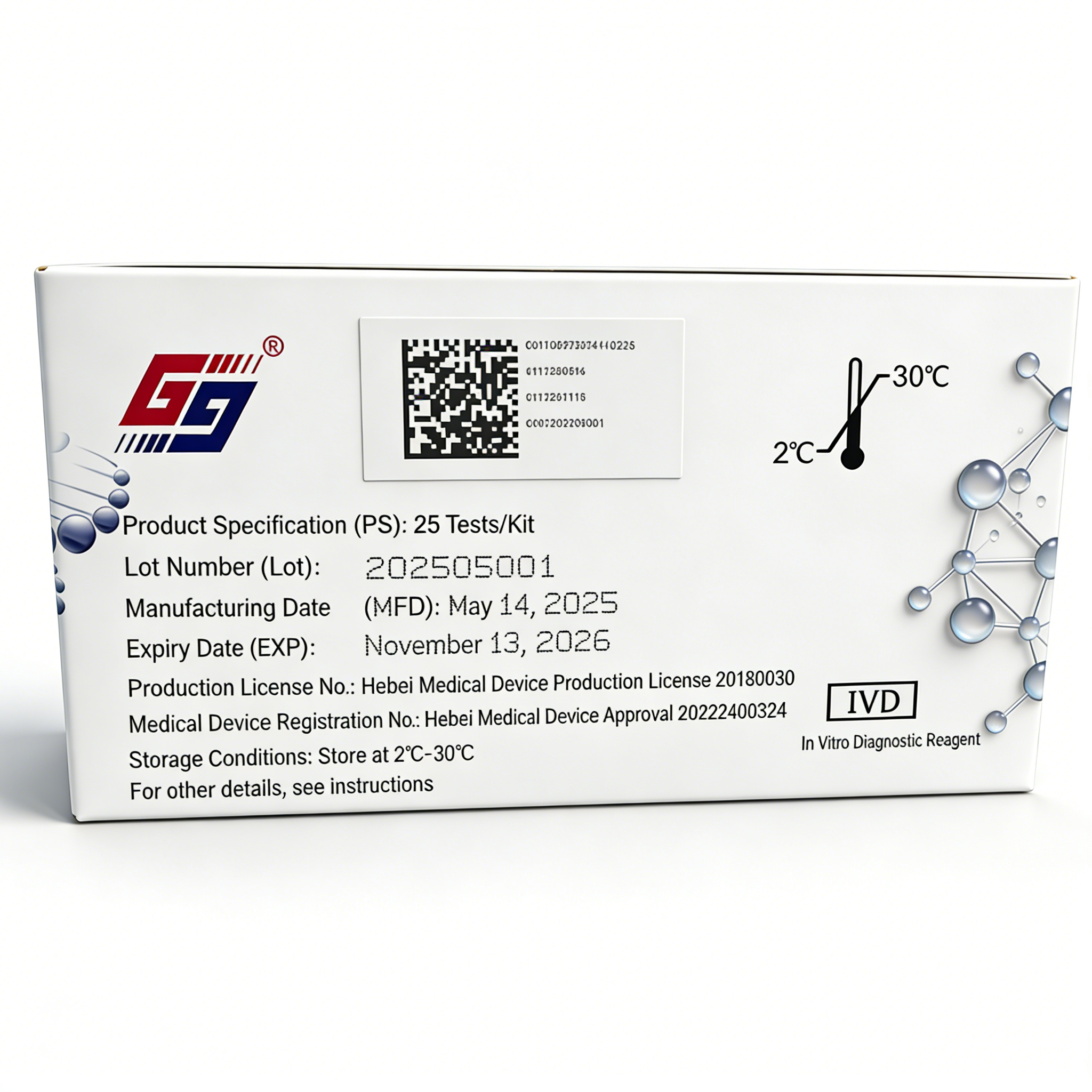
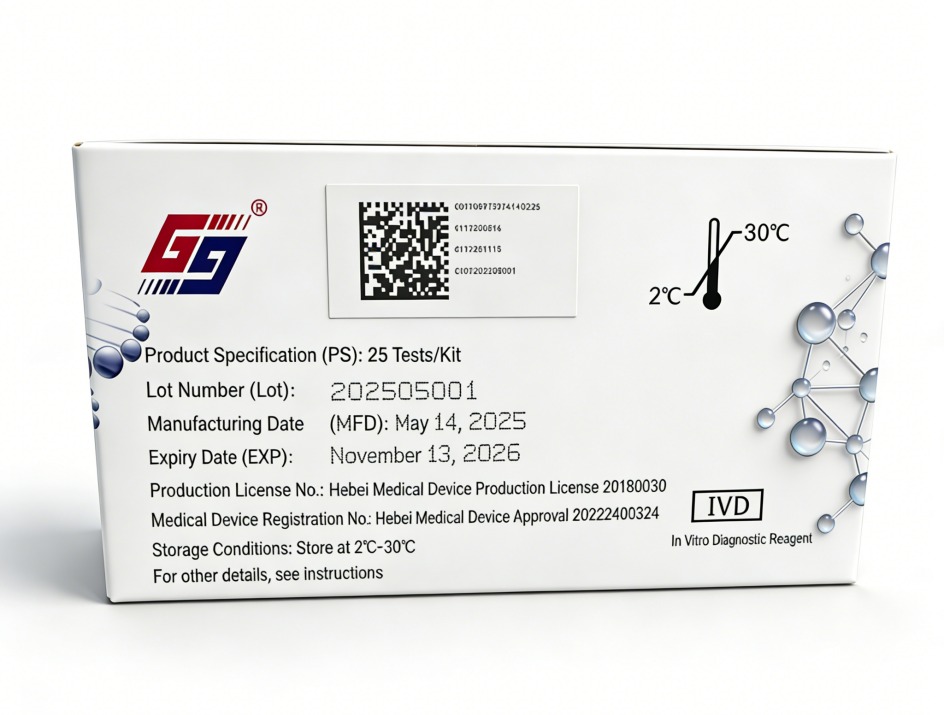
4°C – 30°C (Shelf life: 24 months) |
| Manufacturer |
Beijing Jiachuang Jiuhe Global Trade Co., Ltd |
Clinical Applications
-
Hospital Central Labs & ICUs: Enables rapid screening for patients presenting with chest pains or acute metabolic distress.
-
Endocrinology Clinics: Streamlines routine Diabetes Point of Care Testing while simultaneously screening for cardiovascular co-morbidities.
-
Cardiology Departments: Facilitates rapid Cardiovascular Risk Rapid Test protocols to assess vulnerable arterial plaques.
-
Community Health Centers: Brings affordable, high-tier Medical Grade Rapid Test Kits to decentralized healthcare networks.
Commercial & B2B Value
For medical distributors, hospital procurement officers, and laboratory directors, investing in the Hospital Lab Diagnostic System from Beijing Jiachuang Jiuhe Global Trade Co., Ltd yields excellent returns.
-
Reduced Overhead Costs: Consolidating multiple parameters onto a single Immunofluorescence Diagnostic Kit platform lowers inventory maintenance costs and reduces plastic waste.
-
High Throughput & Patient Turnaround: Rapid processing means clinics can see more patients per day, increasing revenue.
-
Regulatory Compliance & Trust: Manufactured under strict ISO 13485 guidelines, ensuring international customs compliance and rapid registration in global markets.
Frequently Asked Questions (FAQ)
1. Can this Glycated Hemoglobin MPO Assay Kit be used without the Reader System?
No. To get precise, quantitative medical-grade results, the test cassettes must be read using our matching Fluorescence Immunoassay Reader.
2. What is the shelf life of these Medical Grade Rapid Test Kits?
Our kits are stable for up to 24 months when stored at room temperature (4°C–30°C). Do not freeze the test strips.
3. How does MPO testing improve diabetes management?
Diabetes significantly increases cardiovascular risks. Testing with an HbA1c MPO POCT Analyzer allows physicians to evaluate both blood sugar stability and active vascular inflammation at the same time, preventing heart attacks before they happen.

 EN
EN