Diagnostic Medical Devices for Reliable Healthcare Testing

showlist/diagnostic-medical-devices, showlist/diagnostic-medical-devices, 
Inquiry
Inquiry
Practical Diagnostic Medical Devices for Diverse Healthcare Settings

Practical Diagnostic Medical Devices for Diverse Healthcare Settings

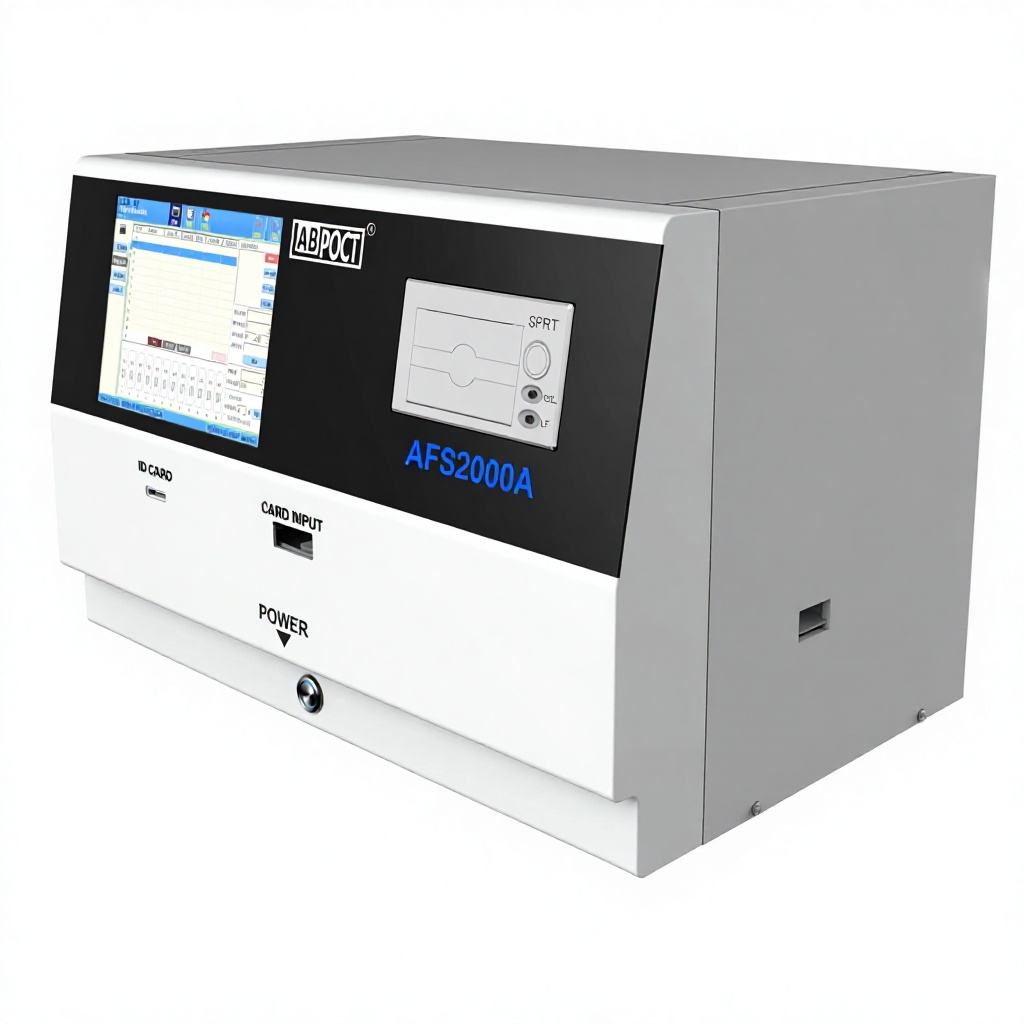
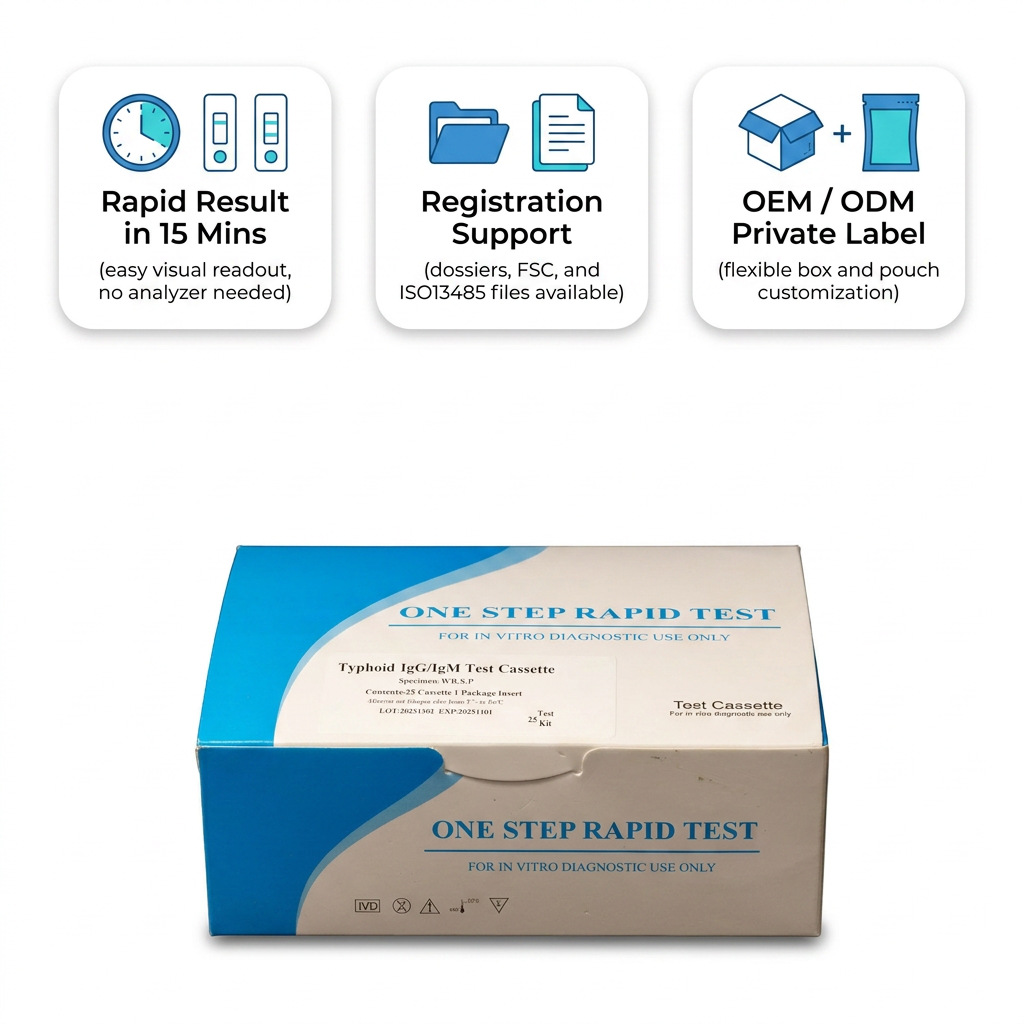
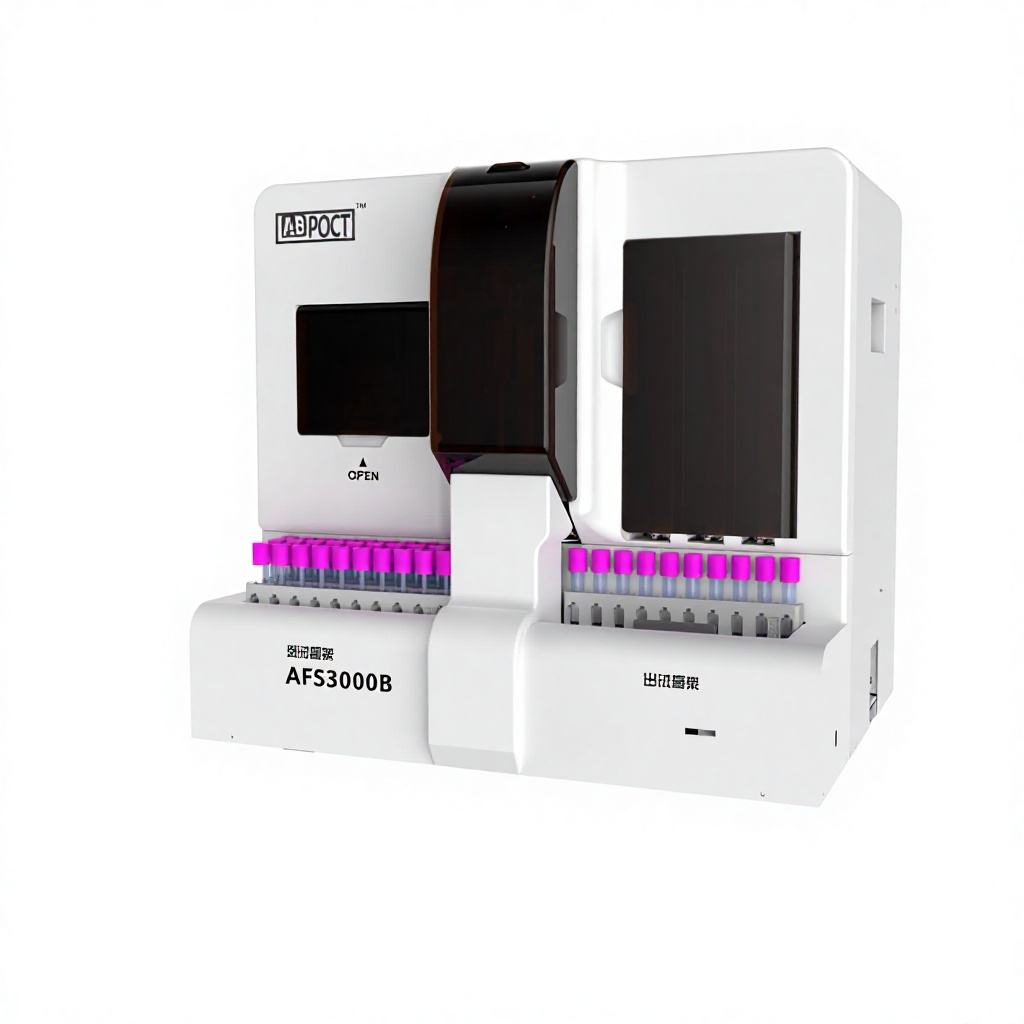
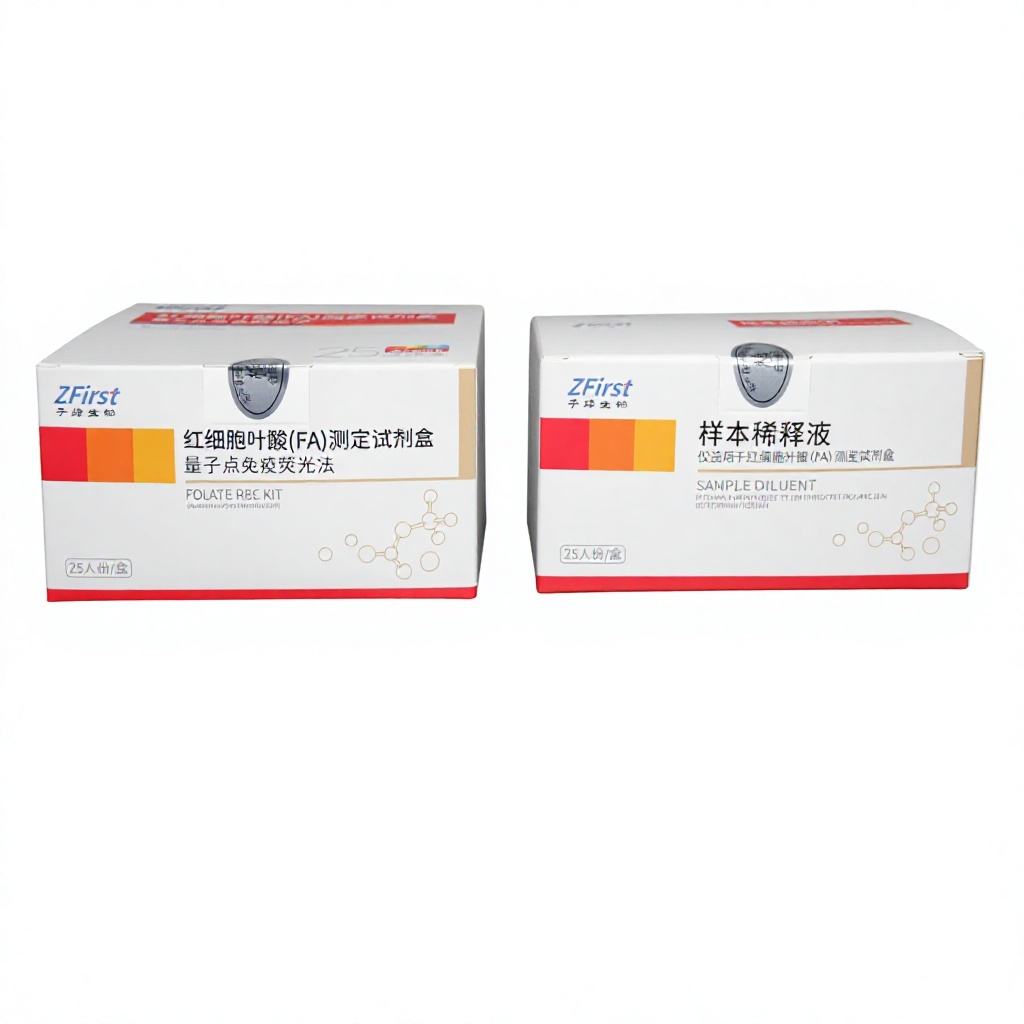
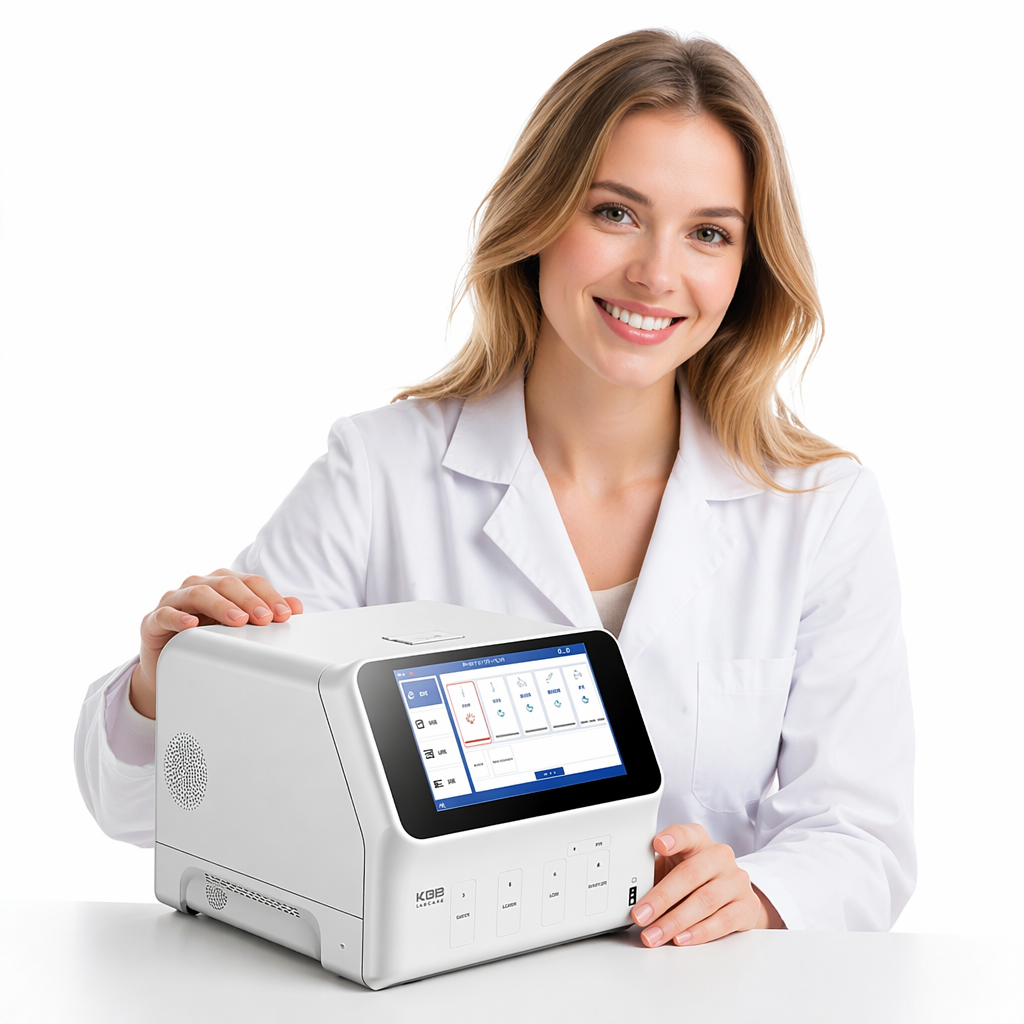
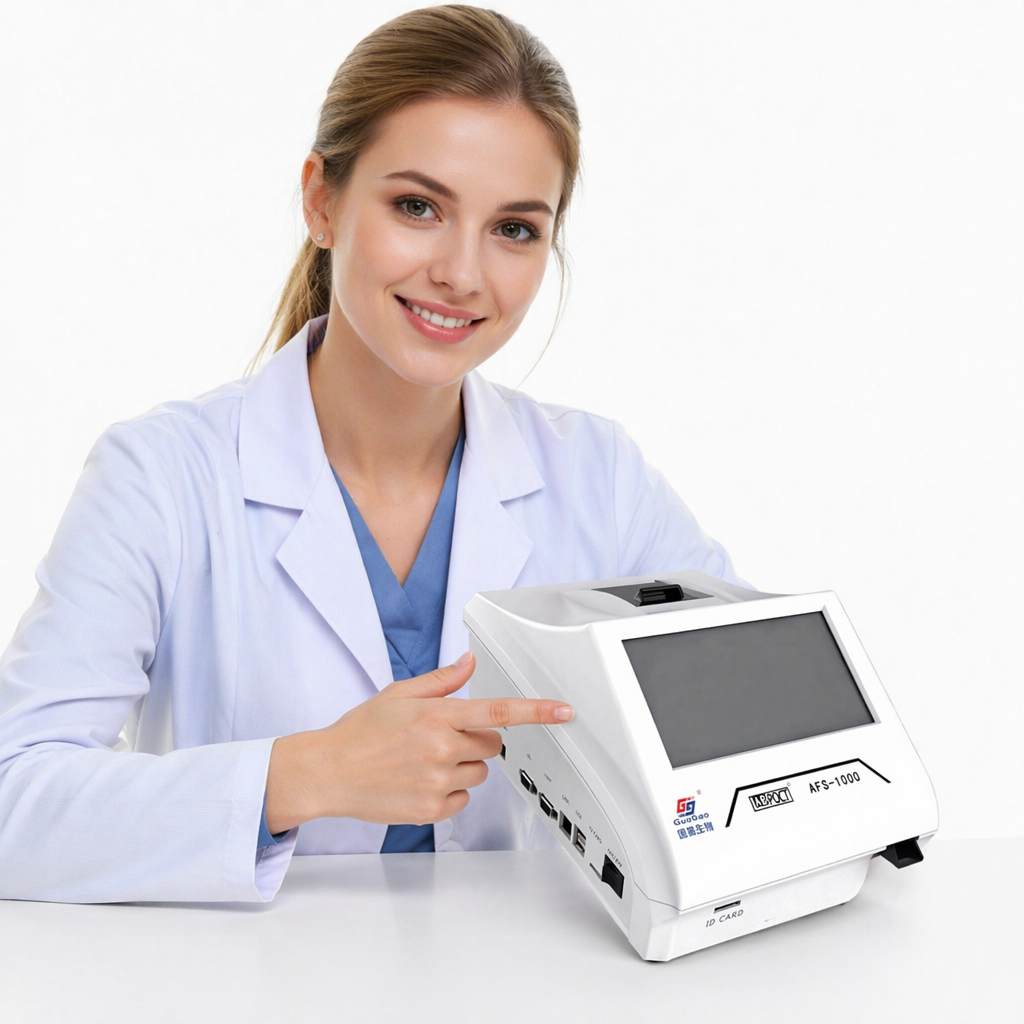
Jiuhe Kit supplies Diagnostic Medical Devices for laboratories, clinics, screening centers, and healthcare distributors seeking practical testing solutions. The product range can support different diagnostic workflows, from routine screening to decentralized testing environments. Buyers can evaluate equipment according to testing volume, operating conditions, sample requirements, and compatibility with diagnostic kits. In a clinic processing dozens of daily tests, well-matched Diagnostic Medical Devices can help organize preparation, testing, and result handling more efficiently. For distributors, combining diagnostic equipment with rapid tests and supporting consumables can create complete product packages for different customer segments. This application-based approach helps international buyers select suitable Diagnostic Medical Devices while improving procurement efficiency and supporting consistent diagnostic operations.
Get A Quote

Case Study

Improving Routine Laboratory Workflows

A regional laboratory needed to improve its routine diagnostic workflow while handling a growing number of patient samples. The project introduced suitable Diagnostic Medical Devices alongside compatible testing products, allowing technicians to organize sample preparation and testing more systematically. The laboratory processed approximately 150 samples per working day, so reducing unnecessary handling was important for maintaining workflow consistency. Equipment selection focused on practical operation, testing requirements, and available workspace rather than unnecessary functions. After implementation, technicians reported a clearer workflow and easier coordination between testing stages. This case shows how appropriately selected Diagnostic Medical Devices can support laboratories managing regular workloads while providing a structured foundation for future testing capacity expansion.

Supporting Diagnostic Services in Clinics

A network of outpatient clinics required compact Diagnostic Medical Devices that could support routine screening without creating complex laboratory arrangements. The purchasing team evaluated equipment according to available space, expected testing volume, operating procedures, and compatibility with diagnostic products. Each clinic handled approximately 30 to 50 routine tests per day, making straightforward operation an important consideration. The selected configuration helped staff organize testing activities closer to patient service areas and reduced unnecessary transfers between departments. Training requirements were also considered during procurement, helping different operators follow consistent procedures. This application demonstrates how Diagnostic Medical Devices can be adapted to smaller healthcare environments where space, workflow simplicity, and dependable supply are essential purchasing considerations.

Expanding Distributor Diagnostic Portfolios

A healthcare distributor wanted to expand from individual rapid tests into broader diagnostic solutions for laboratories and clinics. Jiuhe Kit supported the project with Diagnostic Medical Devices that could be positioned alongside testing kits and related consumables. The distributor organized products into several application categories based on facility size, testing workload, and purchasing requirements. One portfolio targeted smaller clinics, while another focused on laboratories with higher daily sample volumes. This structure helped sales teams explain equipment applications more clearly and prepare customer quotations more efficiently. The project demonstrates how Diagnostic Medical Devices can strengthen a distributor's product portfolio when equipment, diagnostic kits, and customer applications are planned as one complete solution.

Diagnostic Medical Devices support essential testing activities across laboratories, clinics, screening facilities, and decentralized healthcare environments. Jiuhe Kit develops and supplies diagnostic solutions with attention to practical application, product consistency, and international sourcing requirements. During procurement, buyers can assess instrument configuration, testing methodology, sample requirements, operating environment, and expected workload before selecting equipment. This helps customers avoid purchasing features that are not relevant to their actual workflow. In production, structured assembly and quality-control procedures are important for maintaining consistent product performance across different batches. Diagnostic Medical Devices can also be combined with rapid tests, diagnostic kits, and supporting consumables to create more complete testing solutions. For example, a laboratory handling around 150 samples per day may prioritize workflow efficiency and repeatable operation, while a small clinic may prefer compact equipment and simple procedures. By connecting equipment selection with real application scenarios, Jiuhe Kit helps international buyers develop practical Diagnostic Medical Devices portfolios for different healthcare markets and testing requirements.

Frequently Asked Questions

What are Diagnostic Medical Devices used for?

Diagnostic Medical Devices support healthcare professionals in performing diagnostic procedures using patient specimens outside the body. Applications can include laboratory testing, screening, and decentralized healthcare services. The appropriate device depends on the testing method, sample type, expected workload, operating environment, and compatible diagnostic products required for the specific workflow.
Buyers should consider testing volume, required functions, sample requirements, operating conditions, equipment size, maintenance, and compatibility with diagnostic kits. For distributors, documentation, packaging, supply stability, and application flexibility are also important. Evaluating the complete workflow helps buyers select Diagnostic Medical Devices that match actual customer requirements instead of focusing on specifications alone.
Yes, suitable Diagnostic Medical Devices can support testing in clinics, screening centers, and decentralized healthcare environments. Smaller facilities often prioritize compact equipment, straightforward operation, and efficient workflow organization. Before purchase, buyers should confirm the intended testing method, sample requirements, available workspace, applicable regulations, and compatibility with supporting diagnostic products.
Diagnostic Medical Devices can form an important part of a distributor's healthcare portfolio. Distributors can combine equipment with rapid tests, diagnostic kits, and consumables to create application-based solutions. Different configurations can then target laboratories, clinics, screening facilities, and other healthcare customers with varying testing volumes and operational requirements.
Costs can vary according to equipment configuration, functions, testing capacity, order quantity, packaging, logistics, supporting products, and service requirements. Buyers should consider total procurement value rather than equipment price alone. Reviewing expected usage, workflow efficiency, compatibility, and long-term maintenance can provide a more complete basis for purchasing decisions.

Related article

How to Use a Pregnancy Test Correctly to Avoid False Results?

16

Sep

How to Use a Pregnancy Test Correctly to Avoid False Results?

Learn how to use a pregnancy test correctly, step by step. Discover what causes false results and how proper technique improves HCG detection accuracy.
View More
The Role of Medical Diagnostic Equipment in Universal Health Coverage.

16

Sep

The Role of Medical Diagnostic Equipment in Universal Health Coverage.

Explore how Medical Diagnostic Equipment supports Universal Health Coverage goals—from diagnostic imaging to point-of-care devices and lab instruments.
View More
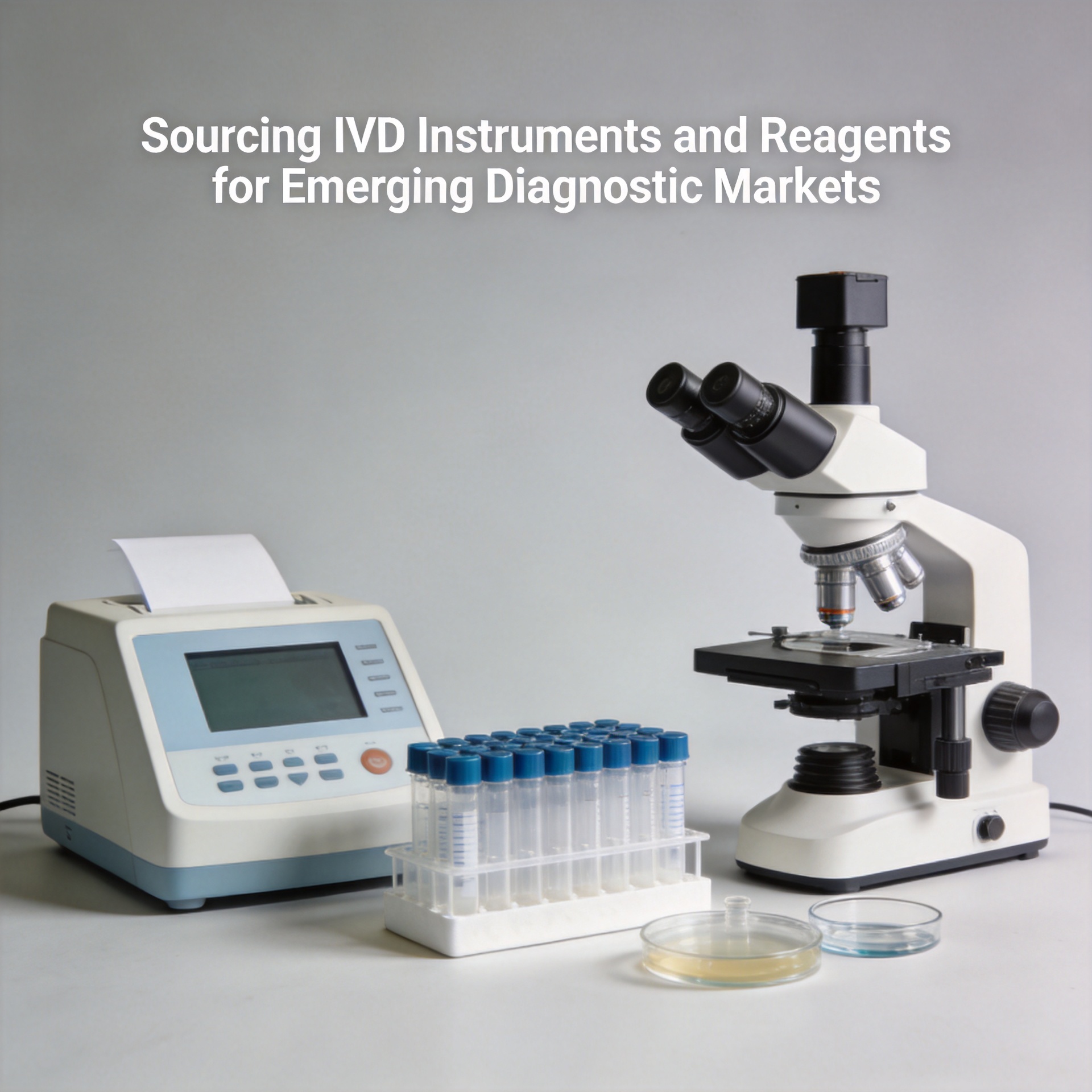
Sourcing IVD Instruments and Reagents for Emerging Diagnostic Markets.

16

Sep

Sourcing IVD Instruments and Reagents for Emerging Diagnostic Markets.

Discover how to source IVD instruments and reagents in emerging markets — supplier evaluation criteria, compliance tips, and IVD wholesale insights.
View More
The Role of Rapid Tests in Emergency Care and Public Health Screening.

16

Sep

The Role of Rapid Tests in Emergency Care and Public Health Screening.

Explore how rapid tests drive emergency diagnostics and public health screening for faster triage and scalable disease detection at the point of care.
View More

Customer Testimonials

Michael Brown

Our clinic integrated Diagnostic Medical Devices into daily screening, supporting about 40 tests per day. The clearer workflow reduced unnecessary sample transfers and helped staff maintain more consistent testing procedures during busy outpatient periods.

David Carter

We added Diagnostic Medical Devices to our distribution portfolio and created three application-based packages. The new structure helped our sales team serve both small clinics and higher-volume laboratories with clearer equipment recommendations.

Get a Free Quote

Our representative will contact you soon.
0/1000
Application-Based Diagnostic Equipment Selection

Application-Based Diagnostic Equipment Selection

Selecting Diagnostic Medical Devices according to application requirements can make procurement more practical and improve workflow planning. Laboratories may prioritize testing capacity and consistent operation when processing large numbers of samples, while clinics often require compact equipment that fits limited working areas. Screening facilities can have different requirements again, particularly when testing must be organized around patient service schedules. For distributors, application-based selection makes it easier to divide Diagnostic Medical Devices into product packages for different customer groups. A portfolio may include solutions for facilities processing 30 tests daily as well as configurations designed for workloads above 100 samples. By matching equipment capabilities with real operating conditions, buyers can build more focused diagnostic solutions and avoid unnecessary equipment configurations.
Consistent Supply for Growing Diagnostic Demand

Consistent Supply for Growing Diagnostic Demand

Reliable sourcing is important when Diagnostic Medical Devices become part of a distributor's long-term healthcare portfolio. Buyers often need consistent product specifications, clear documentation, suitable packaging, and coordinated supply across multiple orders. These factors become especially important when customers operate several clinics or laboratories using similar equipment configurations. For example, a distributor supporting five healthcare facilities may benefit from standardized Diagnostic Medical Devices that simplify product training, purchasing, and inventory planning. Jiuhe Kit focuses on practical product coordination so international buyers can evaluate equipment together with diagnostic kits and supporting products. By organizing procurement around application requirements and expected testing volume, customers can create more manageable supply plans.