Diagnostic Laboratory Equipment for B2B Buyers [2026 Guide]

showlist/diagnostic-laboratory-equipment, showlist/diagnostic-laboratory-equipment, 
Inquiry
Inquiry
Practical Diagnostic Laboratory Equipment for Modern Testing Workflows

Practical Diagnostic Laboratory Equipment for Modern Testing Workflows

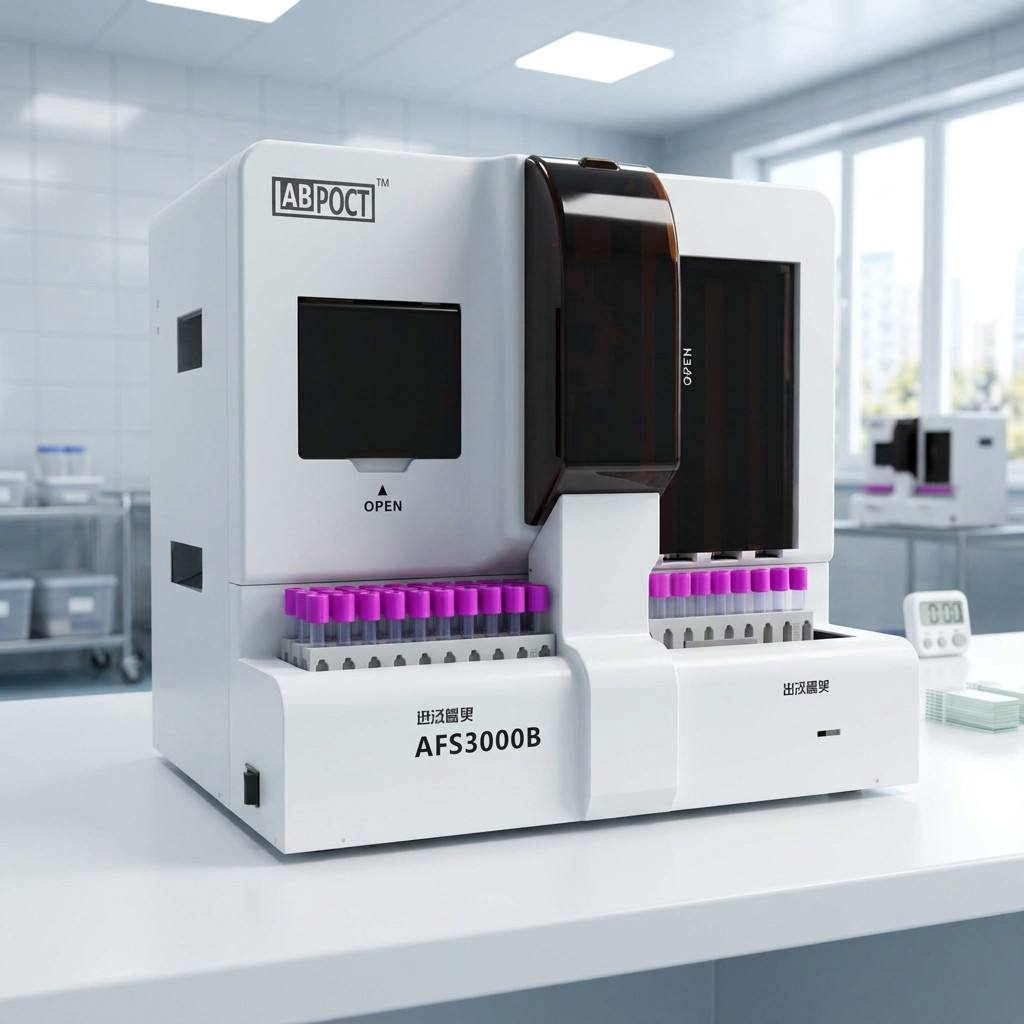
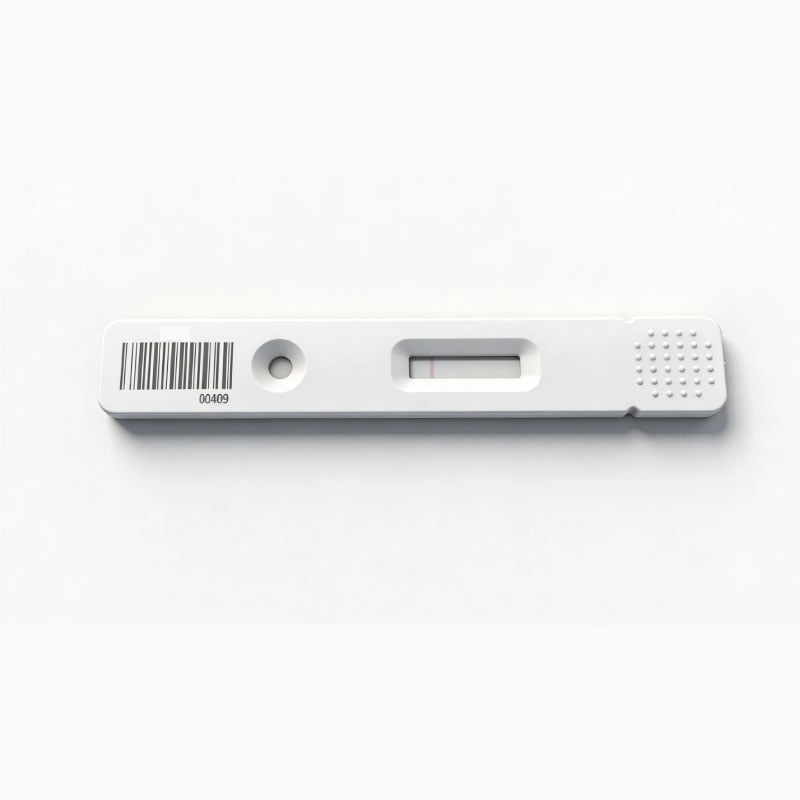
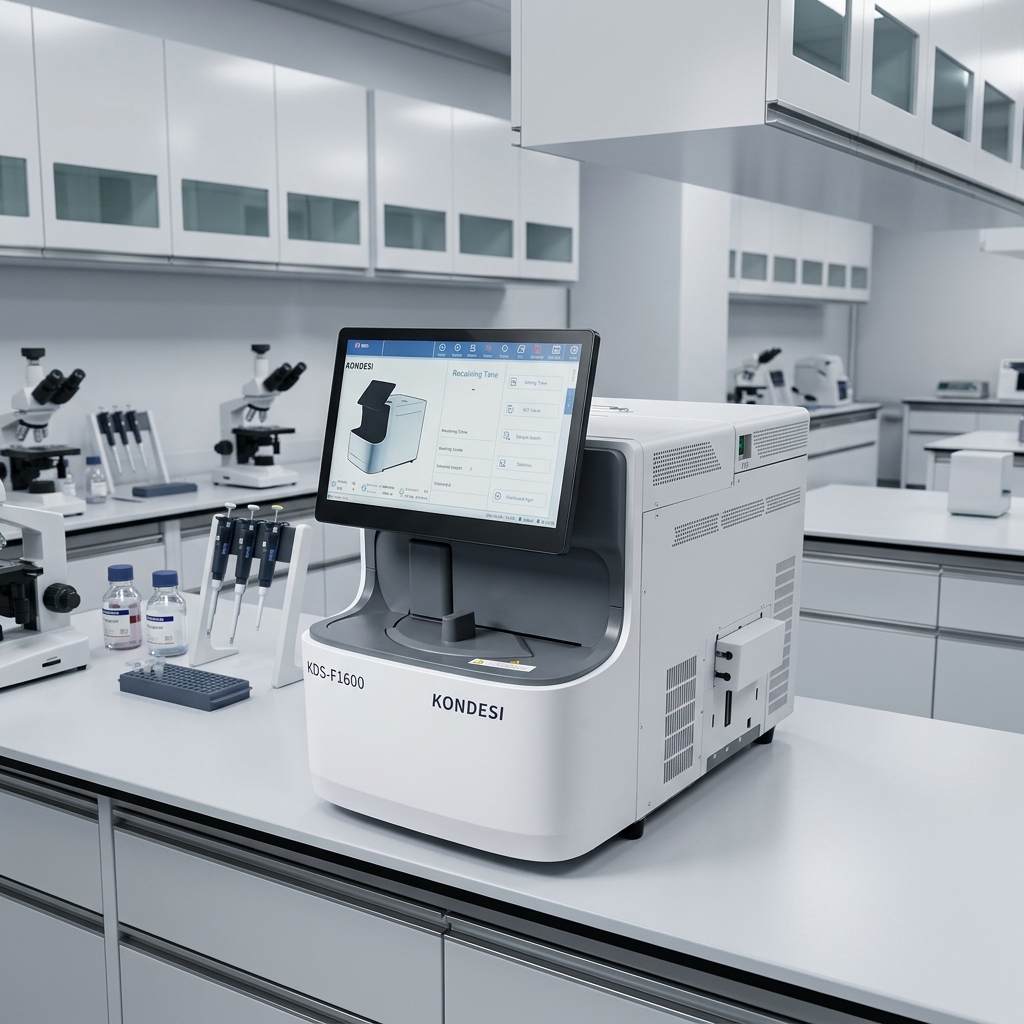
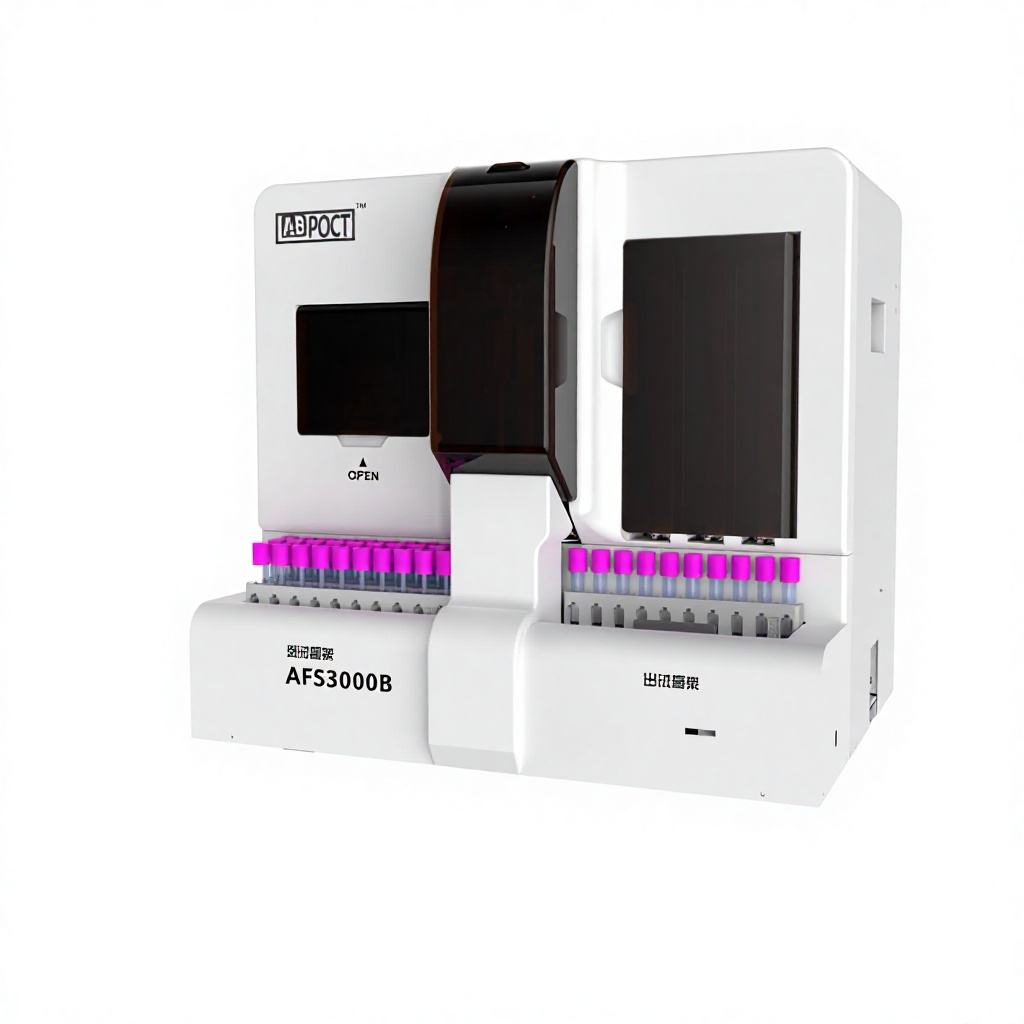
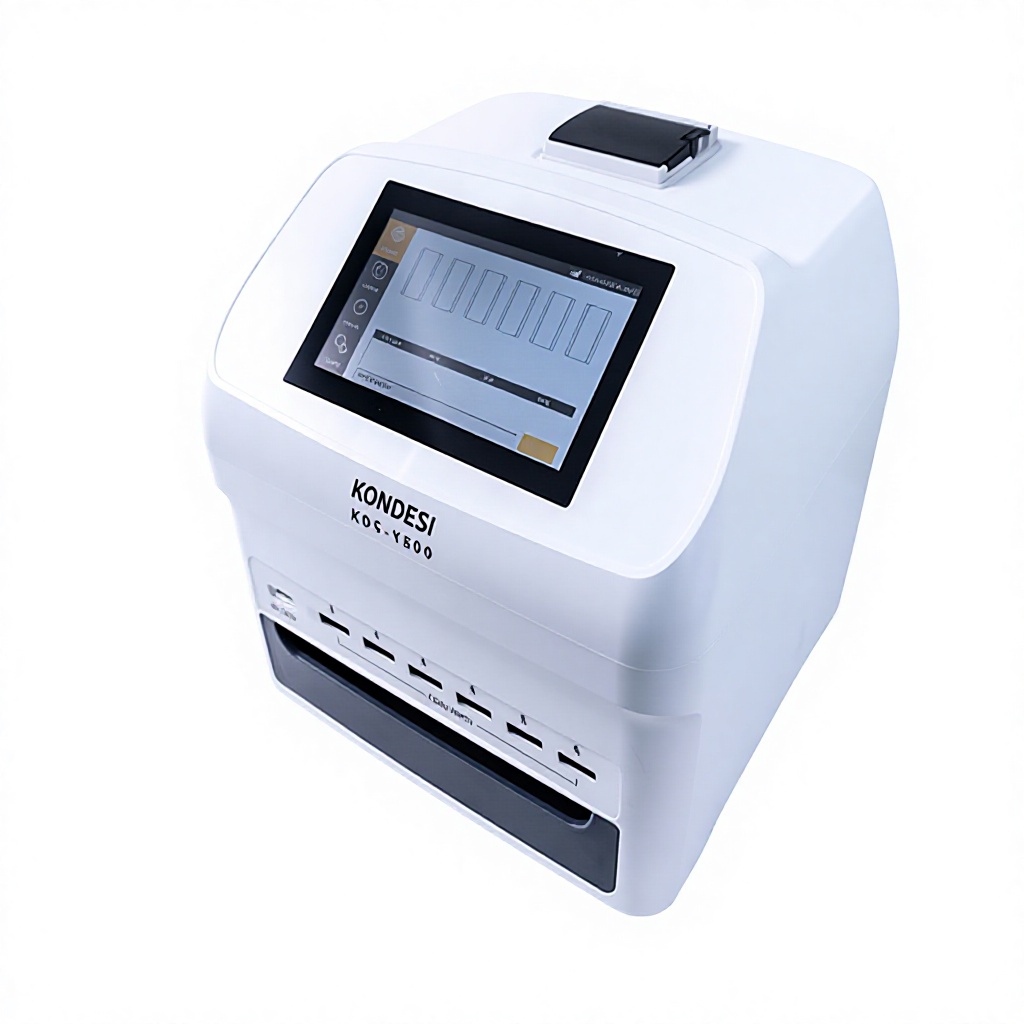
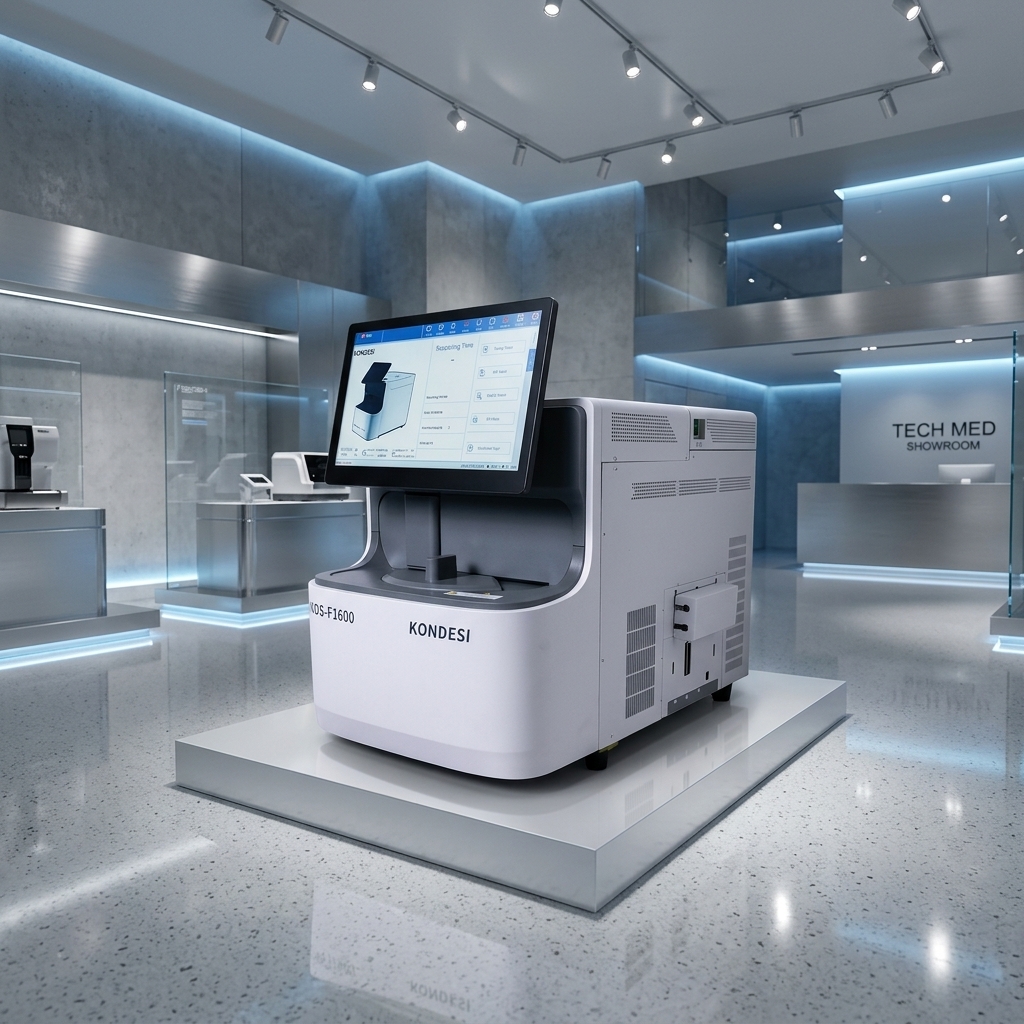
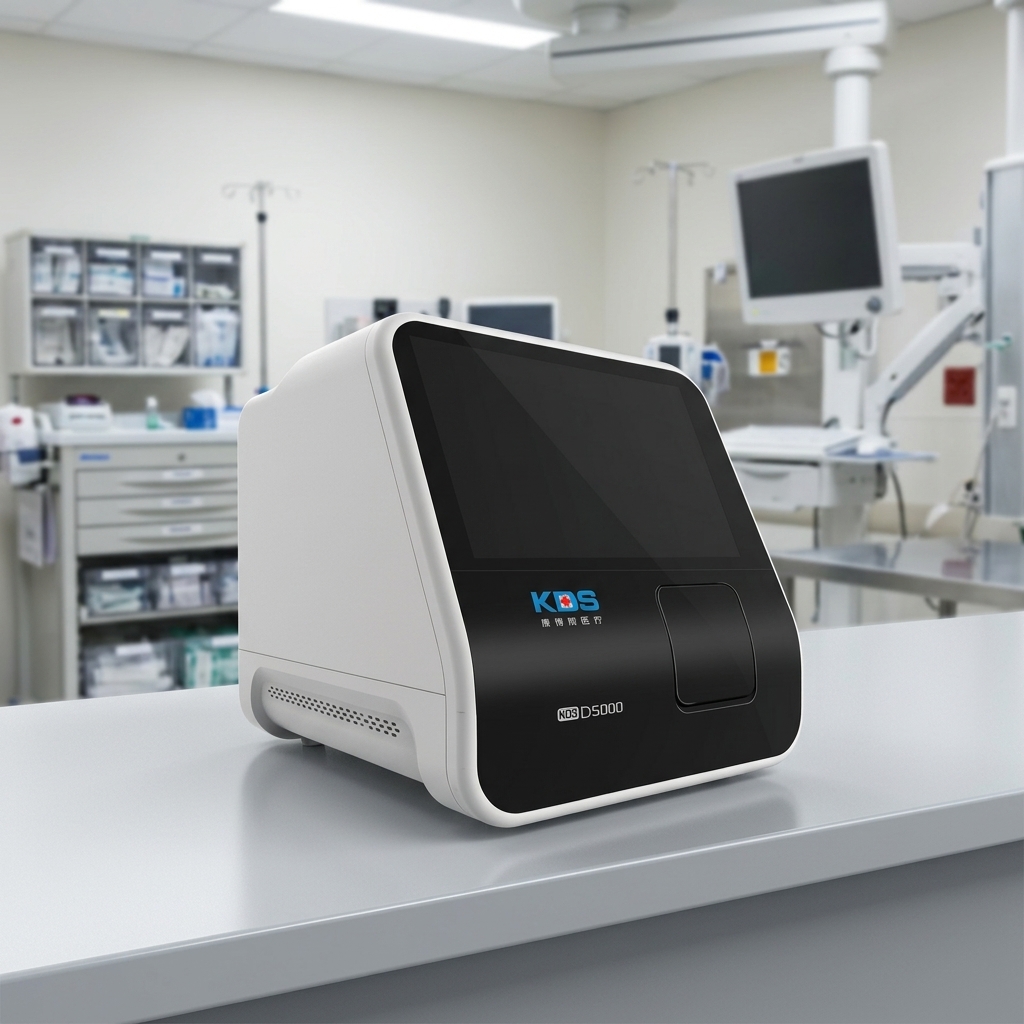
Diagnostic Laboratory Equipment supports organized testing in hospitals, clinics, laboratories, research facilities, and professional healthcare centers. Well-matched equipment can improve workflow consistency, sample handling, and routine testing efficiency. For example, a laboratory processing 100 to 300 samples daily may need equipment selected around throughput, testing requirements, operator experience, and maintenance access. Jiuhe Kit provides diagnostic solutions for international B2B buyers seeking practical laboratory products and related testing supplies. Buyers can evaluate specifications, applications, operating procedures, packaging, documentation, and regional requirements before procurement. Diagnostic Laboratory Equipment can also work alongside rapid diagnostic products, helping suppliers build broader testing portfolios for different healthcare environments while supporting scalable distribution and professional laboratory operations.
Get A Quote

Case Study

Clinical Laboratory Testing

A regional laboratory processing approximately 150 samples per day required Diagnostic Laboratory Equipment that could support stable workflows without creating unnecessary operational complexity. The purchasing team reviewed testing capacity, sample compatibility, operating procedures, maintenance requirements, and available technical documentation before selecting suitable equipment. After implementation, laboratory staff could organize routine testing steps more efficiently while maintaining a clearer workflow between sample preparation and result handling. The equipment also complemented existing rapid diagnostic products, allowing the facility to serve different testing requirements within one purchasing system. This case demonstrates why laboratories should evaluate equipment according to actual daily workload, application needs, staff capability, and long-term supply considerations rather than selecting equipment based only on headline specifications.

Hospital and Clinic Applications

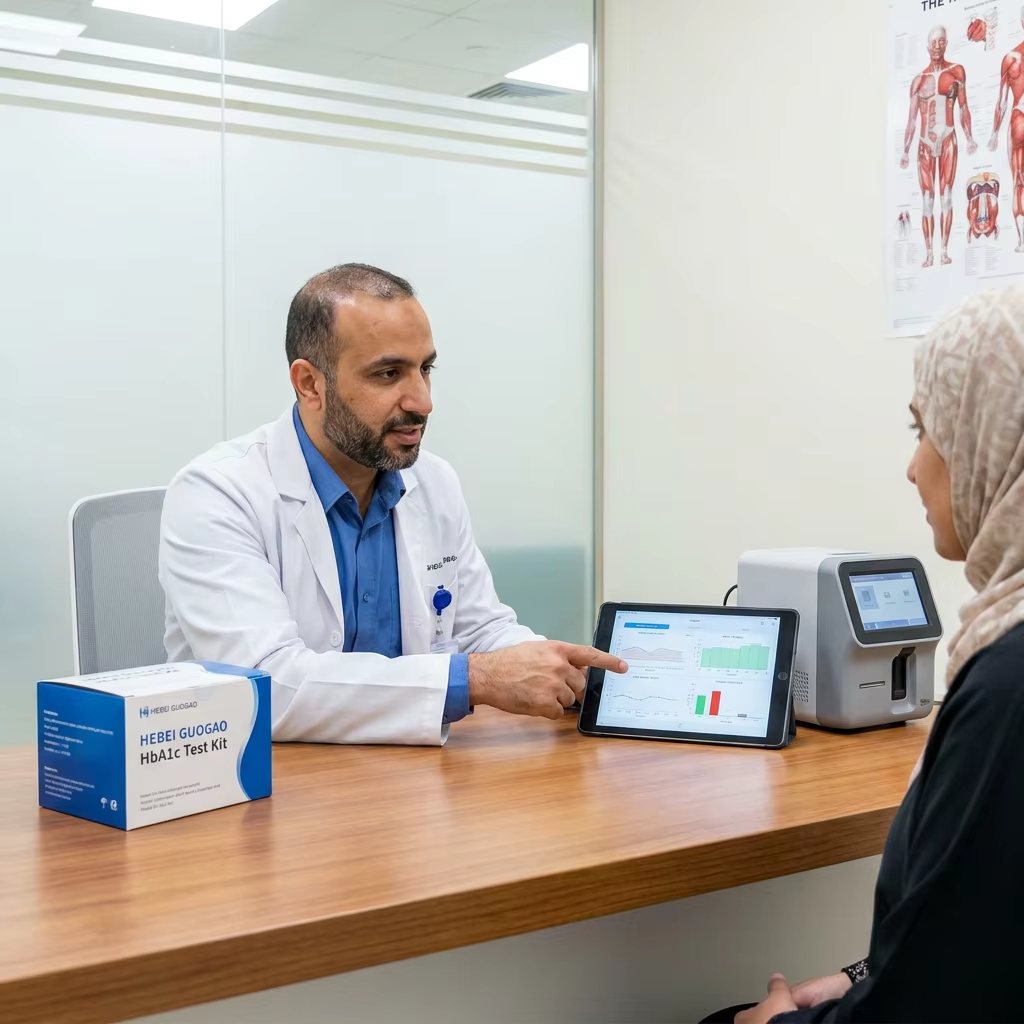
A private healthcare network managing routine testing across several clinics needed Diagnostic Laboratory Equipment suitable for professional environments with different operating conditions. Each location handled dozens of routine tests daily, so the procurement team focused on usability, footprint, testing compatibility, documentation, and maintenance planning. Standardized equipment configurations helped the network simplify staff training and coordinate purchasing across multiple locations. Diagnostic Laboratory Equipment also provided an effective complement to rapid test products already used by the clinics, creating a more complete diagnostic workflow. By reviewing application requirements before purchasing, the healthcare group reduced unnecessary equipment variation and established a more consistent approach to routine testing across its facilities, supporting practical deployment and future expansion.

International Healthcare Distribution

An international medical distributor planned an initial procurement of 20 Diagnostic Laboratory Equipment units for laboratories and healthcare accounts in several markets. Instead of using one configuration for every customer, the distributor compared throughput, application requirements, documentation, packaging, and regional procurement conditions. The supplier then prepared a product portfolio that could address different laboratory environments while maintaining consistent communication throughout the purchasing process. Diagnostic Laboratory Equipment became part of a broader diagnostic product range that included rapid testing solutions and supporting consumables. This approach helped the distributor present customers with more relevant options and manage repeat orders more systematically. The case shows how structured product selection can support scalable B2B distribution and long-term healthcare supply planning.

Jiuhe Kit provides Diagnostic Laboratory Equipment solutions for international healthcare suppliers, distributors, laboratories, and professional testing businesses. Laboratory equipment selection requires more than comparing specifications; buyers should consider sample requirements, testing workflow, throughput, operator training, maintenance, documentation, and intended application. For example, a laboratory processing over 100 samples each day may prioritize stable workflow and efficient operation, while a smaller clinic may focus on compact configuration and straightforward handling. Jiuhe Kit can support buyers evaluating laboratory testing products according to practical procurement needs and market applications. Diagnostic Laboratory Equipment can also complement rapid diagnostic tests, helping distributors develop a broader product portfolio. Before placing larger orders, B2B buyers can review technical specifications, packaging requirements, application scenarios, and regional compliance expectations to establish a more suitable purchasing plan.

Frequently Asked Questions

What is Diagnostic Laboratory Equipment used for?

Diagnostic Laboratory Equipment is used in professional environments for sample preparation, testing, analysis, and related laboratory workflows. Applications vary by equipment type and testing method. Hospitals, clinics, laboratories, and healthcare facilities should select equipment according to their specific testing requirements, expected workload, operating environment, technical specifications, and applicable regulatory requirements.
Typical buyers include clinical laboratories, hospitals, private clinics, diagnostic centers, research facilities, medical distributors, and healthcare supply companies. B2B purchasers often evaluate equipment based on testing applications, capacity, operating requirements, documentation, packaging, maintenance support, and regional market requirements before placing commercial orders or developing distribution programs.
Buyers should first identify the intended testing application, sample type, expected workload, available workspace, operator requirements, and maintenance conditions. They can then compare technical specifications, workflow compatibility, documentation, packaging, and procurement requirements. For international purchasing, regional regulations and import conditions should also be reviewed before confirming equipment configurations.
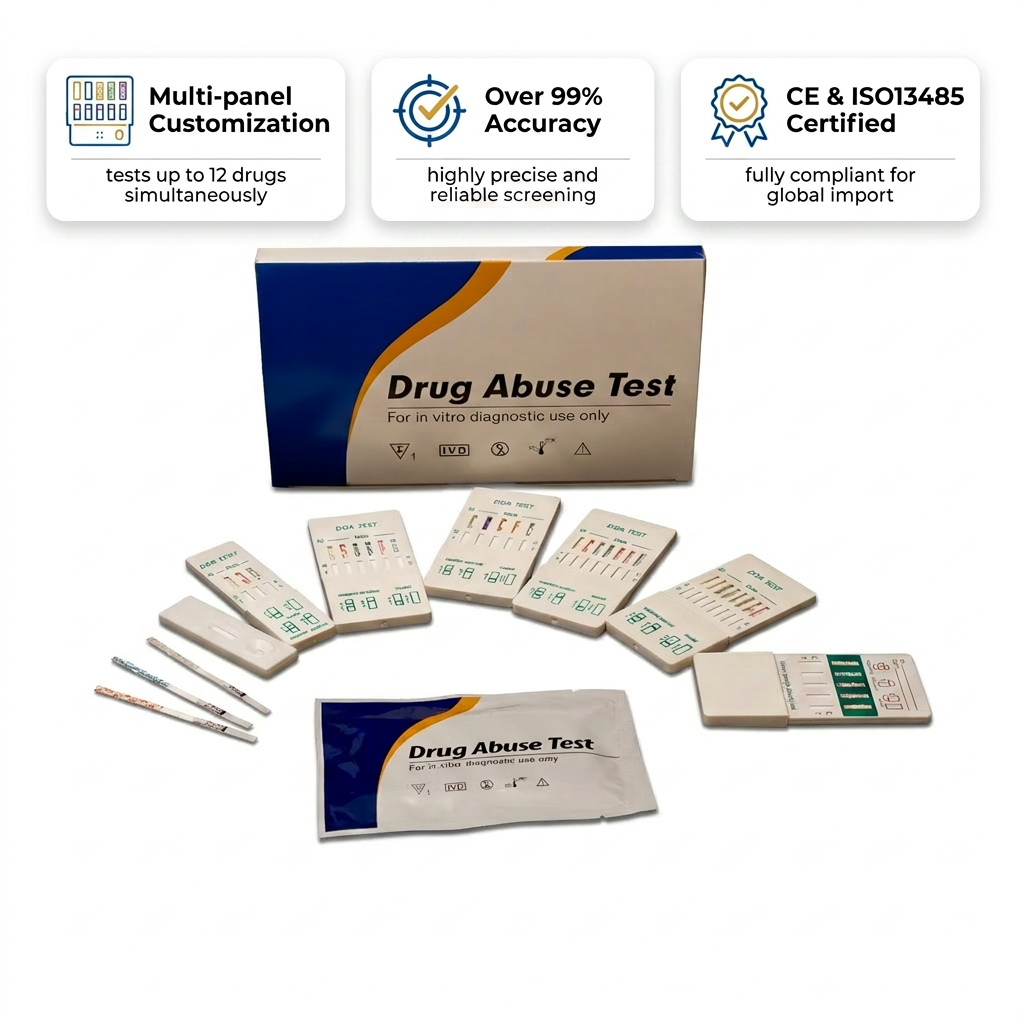
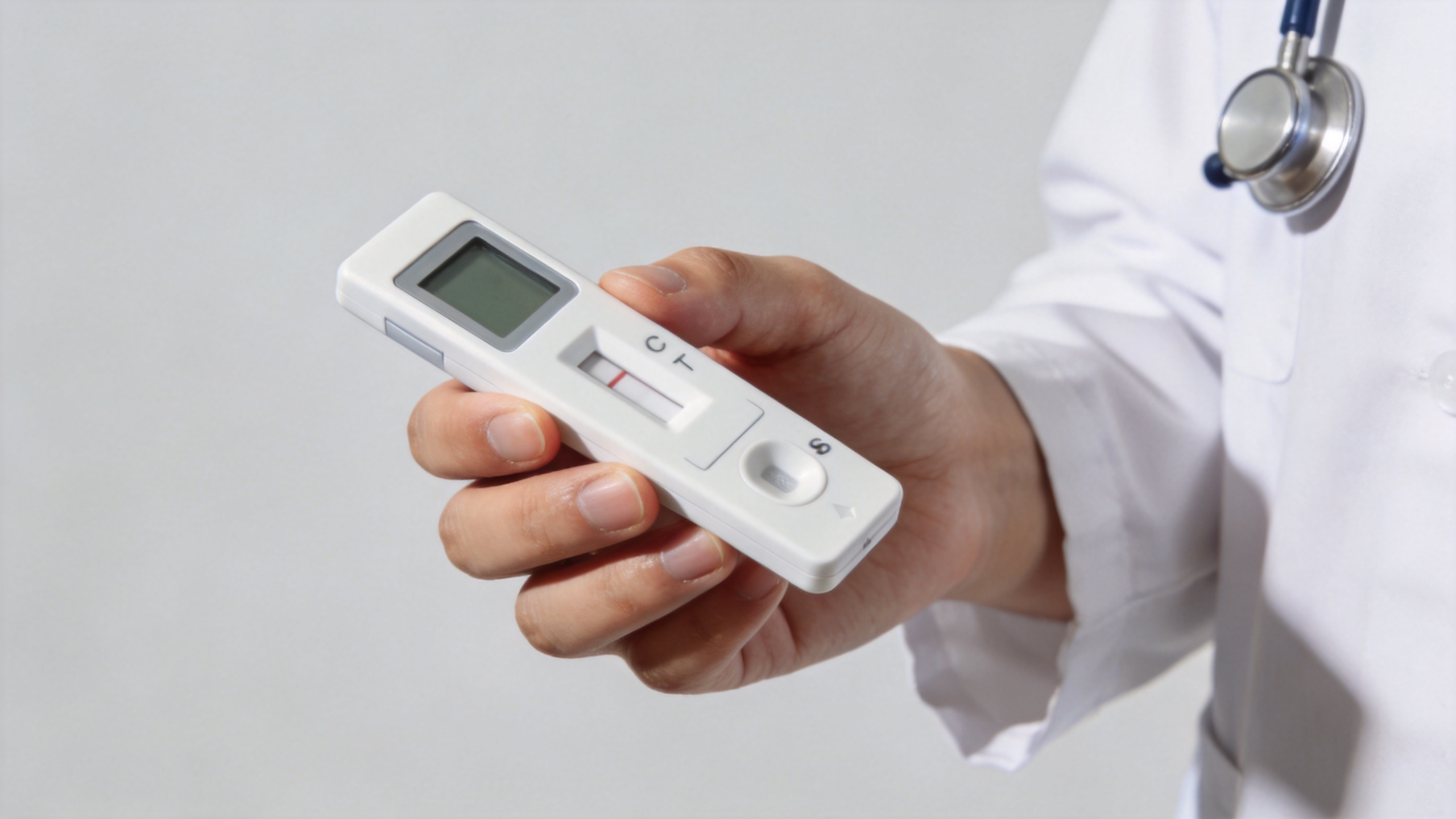
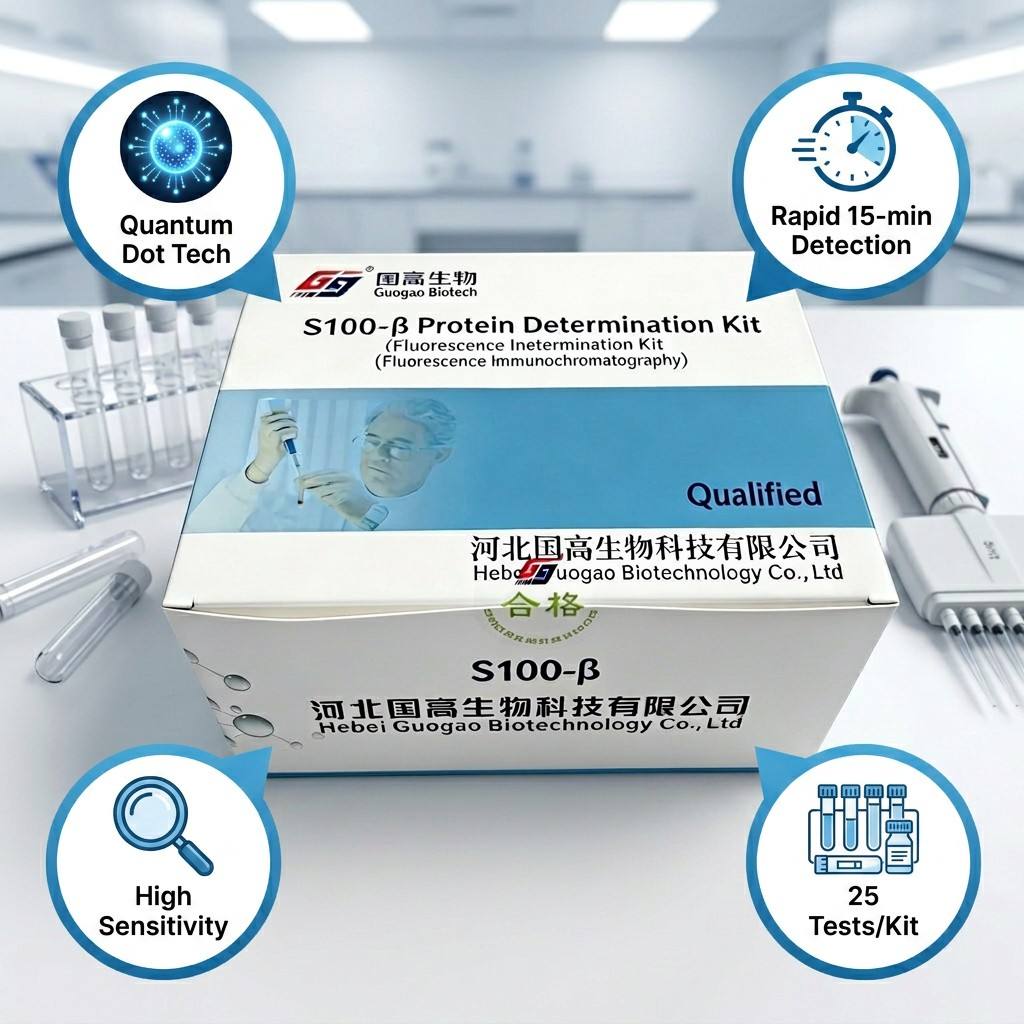
Yes. Diagnostic Laboratory Equipment can complement rapid diagnostic products by supporting different testing workflows within healthcare facilities or distribution portfolios. A supplier serving several customer groups may combine laboratory equipment with rapid tests, consumables, and other diagnostic products. This broader portfolio can help address different operational requirements across laboratories, clinics, and healthcare accounts.
Jiuhe Kit serves international B2B customers seeking diagnostic product solutions for healthcare and testing markets. Buyers can discuss product specifications, applications, packaging, documentation, and order requirements according to their target market. For larger procurement projects, customers should also confirm applicable certifications, registration conditions, and local regulatory requirements before commercial deployment.

Related article

Precise HbA1c Rapid Test Kit for Diabetes Care | Jiachuang Jiuhe

16

Sep

Precise HbA1c Rapid Test Kit for Diabetes Care | Jiachuang Jiuhe

View More
How to Use a Pregnancy Test Correctly to Avoid False Results?

16

Sep

How to Use a Pregnancy Test Correctly to Avoid False Results?

Learn how to use a pregnancy test correctly, step by step. Discover what causes false results and how proper technique improves HCG detection accuracy.
View More
The Role of Medical Diagnostic Equipment in Universal Health Coverage.

16

Sep

The Role of Medical Diagnostic Equipment in Universal Health Coverage.

Explore how Medical Diagnostic Equipment supports Universal Health Coverage goals—from diagnostic imaging to point-of-care devices and lab instruments.
View More
The Role of Rapid Tests in Emergency Care and Public Health Screening.

16

Sep

The Role of Rapid Tests in Emergency Care and Public Health Screening.

Explore how rapid tests drive emergency diagnostics and public health screening for faster triage and scalable disease detection at the point of care.
View More

Customer Testimonials

Get a Free Quote

Our representative will contact you soon.
0/1000
Equipment Designed Around Real Testing Workflows

Equipment Designed Around Real Testing Workflows

Diagnostic Laboratory Equipment should reflect the actual workflow of each testing environment rather than simply offering a long list of technical functions. A laboratory handling 200 samples per day may require different capacity and operating characteristics from a small clinic processing 30 routine samples. Buyers can therefore assess sample requirements, throughput, workspace, staff experience, maintenance access, and testing compatibility before procurement. In one multi-site healthcare project, standardized equipment configurations helped staff follow consistent procedures across three facilities. This practical approach makes equipment selection more relevant to real operations. Jiuhe Kit supports B2B buyers in evaluating laboratory testing solutions according to application scenarios, procurement objectives, and expected workload, helping build a more structured professional diagnostic portfolio.
Flexible Solutions for International B2B Distribution

Flexible Solutions for International B2B Distribution

International distributors often serve laboratories, hospitals, clinics, and healthcare suppliers with different testing requirements. Diagnostic Laboratory Equipment can become a valuable part of a broader portfolio when products are organized according to application, capacity, specifications, and market needs. For example, a distributor supplying 20 units across several healthcare accounts may need consistent documentation and packaging while allowing different configurations for individual customers. Buyers can review equipment details, operating requirements, maintenance considerations, and regional compliance expectations before confirming orders. Jiuhe Kit supports this structured purchasing approach for international B2B customers. By combining laboratory equipment with complementary diagnostic products, distributors can address multiple testing scenarios and develop a more scalable supply strategy for healthcare markets.
Scalable Laboratory Solutions for Growing Healthcare Markets

Scalable Laboratory Solutions for Growing Healthcare Markets

Growing healthcare businesses often need laboratory solutions that can expand with their customer base and testing volume. Diagnostic Laboratory Equipment can support this development when procurement is planned around measurable operational requirements. A distributor beginning with 10 units for local laboratory accounts may later expand the portfolio as customer demand increases. During this process, buyers can compare throughput, application compatibility, equipment configuration, documentation, packaging, and maintenance needs. Practical case experience shows that standardized product information can also simplify communication between distributors and end users. Jiuhe Kit provides B2B-oriented diagnostic solutions that can complement rapid tests and other healthcare products, helping buyers organize broader product portfolios while responding to laboratories, clinics, and professional testing facilities in different markets.