 EN
EN
The Role of Medical Diagnostic Equipment in Universal Health Coverage
If you work in healthcare procurement or medical device distribution, you already know that access to accurate diagnostics is rarely a simple question of budget. It sits at the intersection of supply chain reliability, regulatory compliance, and the broader goal that global health institutions have been working toward for decades: universal health coverage. According to the World Bank's 2025 Global Monitoring Report, the UHC service coverage index rose from 54 index points in 2000 to 71 in 2023—meaningful progress, yet still far from equitable access for the world's most underserved populations. Medical diagnostic equipment is not peripheral to that gap; it is central to it.
Why Diagnostics Are the Foundation of Effective Health Coverage
Universal health coverage, as defined by the World Health Organization, means that all people can access the health services they need without suffering financial hardship. In practice, that coverage is only as strong as the diagnostic layer underneath it. A clinician cannot treat a condition that hasn't been identified. A public health authority cannot respond to an outbreak without data. A procurement officer cannot justify equipment investment without understanding the clinical workflow it supports.
The UHC effective coverage index improved from 45.8 in 1990 to 60.3 in 2019, based on a Lancet analysis of global disease burden data. That trajectory reflects real investments in diagnostic capacity—but also highlights where coverage still falls short. In many low- and middle-income countries, diagnostic infrastructure remains concentrated in urban centers, leaving rural clinics and district hospitals without the tools needed to confirm diagnoses for common conditions like tuberculosis, malaria, or HIV.
For distributors and procurement specialists sourcing medical diagnostic equipment wholesale, this context matters. Understanding where the demand is coming from—and what access barriers buyers are navigating—helps you position supply chains that serve actual clinical needs, not just commercial ones.
Three Equipment Categories Driving UHC Progress
Diagnostic Imaging Equipment
X-ray machines, ultrasound systems, and portable imaging devices are among the most impactful investments health systems can make. In maternal and pediatric care, in particular, diagnostic imaging equipment enables early detection of complications that would otherwise go unnoticed until they become life-threatening. Portable ultrasound, which has become increasingly accessible in price and form factor, is expanding into community health settings that previously had no imaging capability at all.
When evaluating diagnostic imaging equipment for cross-border procurement, the critical considerations are regulatory registration in the target market, compatibility with local power infrastructure, and the availability of maintenance support. A device that cannot be serviced within a reasonable timeframe will eventually become a liability rather than an asset. In markets with unstable power supply—common across parts of Africa and Southeast Asia—this factor alone can determine whether an investment succeeds or sits idle.
Point-of-Care Diagnostic Devices
The global point-of-care diagnostics market was valued at approximately USD 32.87 billion in 2025 and is projected to grow to USD 60.43 billion by 2034, reflecting a compound annual growth rate of 7.27%. That growth is not incidental—it tracks directly with the expansion of decentralized healthcare delivery and the demand for rapid results in settings where laboratory infrastructure is limited.
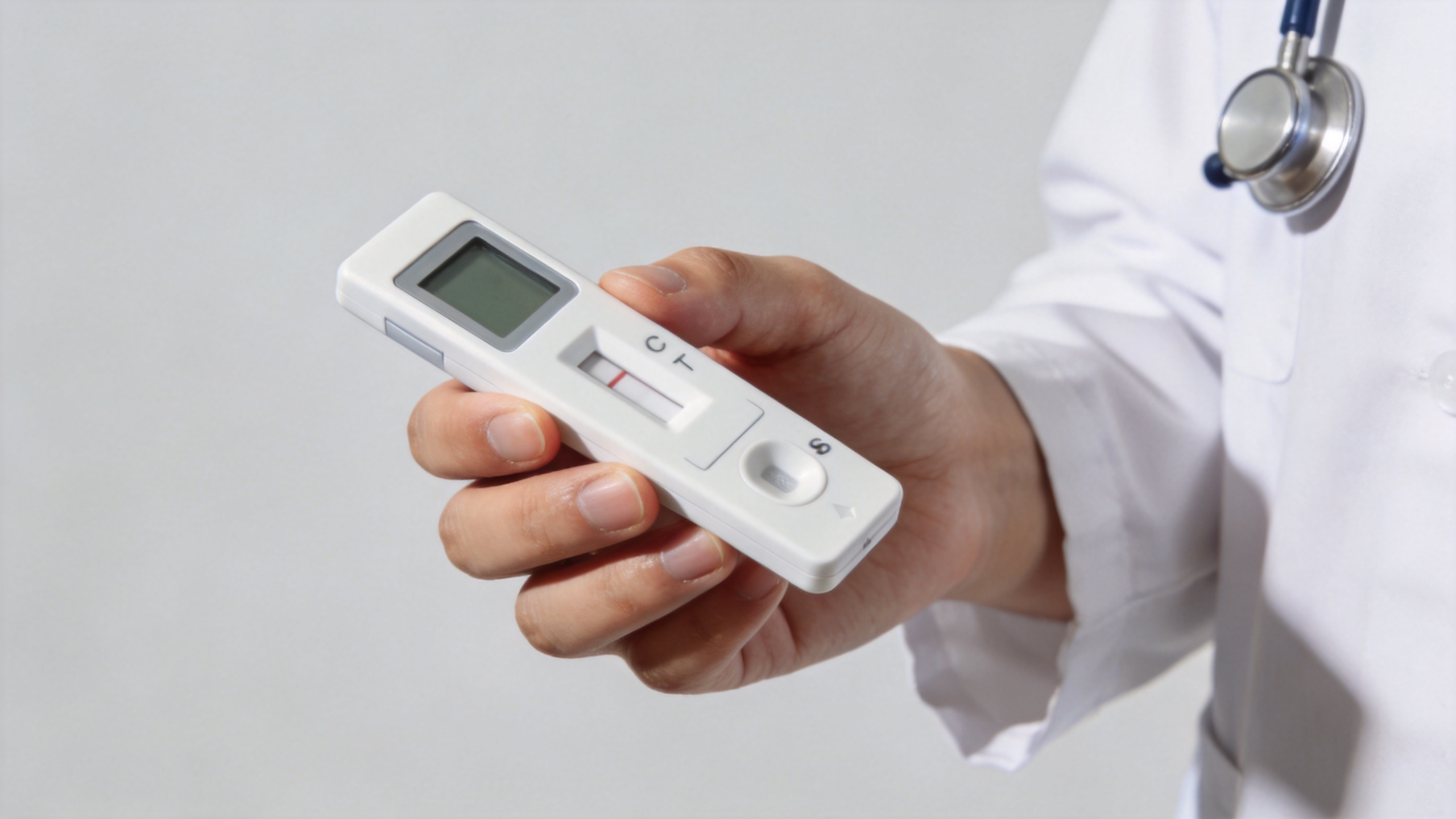
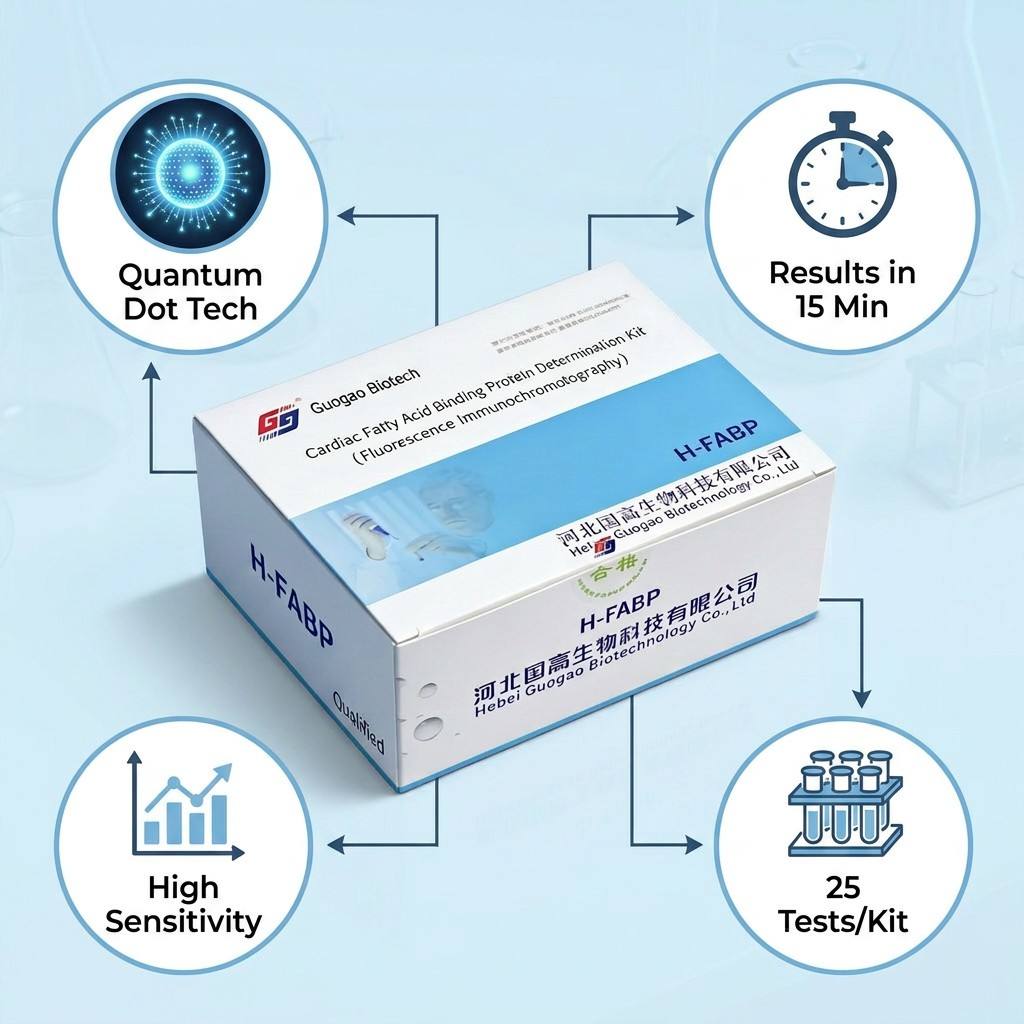
Point-of-care diagnostic devices—rapid antigen tests, handheld glucometers, portable ECG monitors, and similar tools—address a specific gap in UHC: the need for timely diagnosis at the point of contact with a patient, rather than after a sample has been sent to a distant laboratory. For primary care clinics, community health centers, and outreach programs, these devices allow healthcare workers to make treatment decisions without delay. That responsiveness is itself a form of coverage.
For wholesale buyers, the practical question is usually about validation: which devices have been evaluated under real-world conditions in markets similar to yours, and which comply with the regulatory requirements of your target country? Procurement decisions made on price alone, without assessing performance data or regulatory status, tend to generate complications at customs clearance or in post-market surveillance audits. That's a risk pattern worth building evaluation frameworks around.
Laboratory Diagnostic Instruments
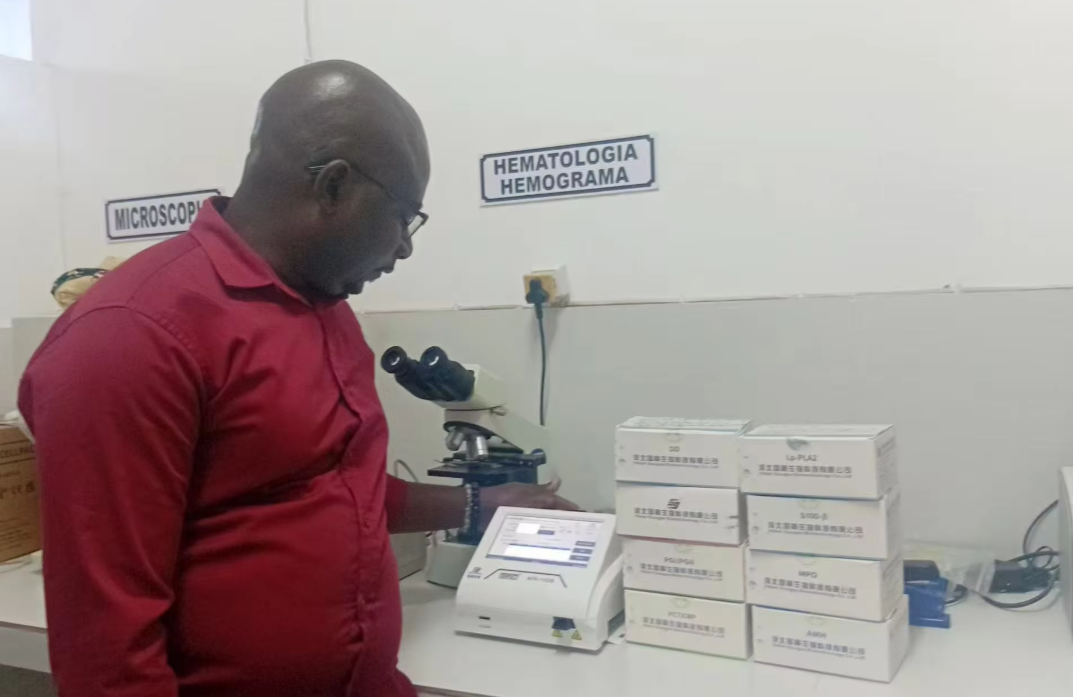
While point-of-care devices address the frontline, laboratory diagnostic instruments provide the depth of analysis that clinical management requires. Hematology analyzers, biochemistry platforms, PCR systems, and centrifuges form the backbone of hospital-based diagnostics. In contexts where UHC expansion is moving from basic care to chronic disease management—diabetes, cardiovascular conditions, cancer screening—laboratory diagnostic instruments become indispensable.
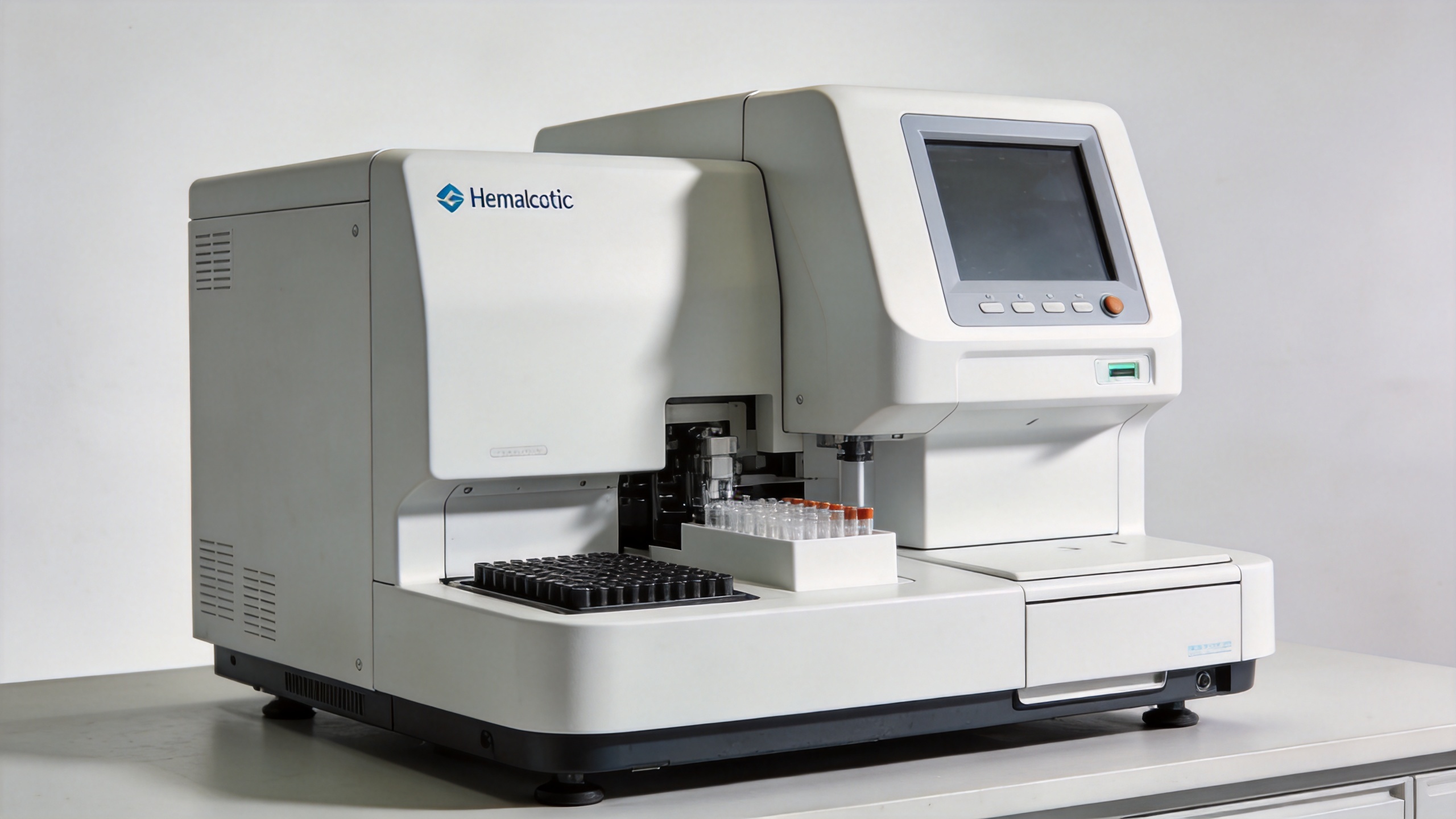
The challenge with laboratory instruments in lower-resource settings is often not the equipment itself. It is the ecosystem: trained operators, reagent supply continuity, calibration protocols, and quality control programs. A procurement strategy that accounts only for the hardware, without factoring in the consumables supply chain and maintenance requirements, often finds itself managing underperforming assets within a year of installation.
Supply Chain Considerations for UHC-Aligned Procurement
From a distribution perspective, supporting UHC goals is not an abstract aspiration—it has concrete operational implications. Building sourcing relationships that sustain consistent supply—rather than fulfilling one-time orders—is one part of that. Ensuring export compliance documentation is complete before a shipment leaves port, not assembled after a customs delay, is another. And understanding the gap between what a product is certified for in its country of origin versus what is required for market registration in the destination country remains a persistent challenge.
In our experience working across Asian, African, European, and American markets, the distributors who consistently perform well in UHC-aligned procurement are those who treat regulatory compliance not as a final step in the process, but as a filter applied at the beginning of supplier selection. That shift in sequencing—compliance first, price negotiation second—reduces the rate of clearance problems, returns, and project delays significantly.
Small batch trial orders before committing to volume purchases are another risk management tool worth building into procurement workflows. They allow buyers to validate performance under local conditions, confirm documentation completeness, and establish a baseline for evaluating future shipments. This is particularly relevant when introducing new suppliers or new device categories into a market where regulatory approval is still pending or recently obtained.
The Path Forward: Diagnostics as a UHC Enabler
The momentum behind universal health coverage will continue to drive demand for medical diagnostic equipment at all levels of the healthcare system. That demand is not uniform—it reflects different epidemiological priorities, infrastructure conditions, and regulatory environments across regions. For importers, distributors, hospitals, and clinics navigating this landscape, the value of a reliable supply partner extends beyond unit price. It includes documentation support, export compliance experience, and the practical knowledge to help buyers make procurement decisions that hold up over time, not just at the point of purchase.
Whether your immediate need is for diagnostic imaging equipment, point-of-care diagnostic devices, or laboratory diagnostic instruments, the underlying question is the same: how do these tools connect to the patients who need them, under the conditions that actually exist in the field? That question is worth asking early, and answering carefully. That distinction is what separates procurement that meaningfully advances health coverage from procurement that simply fills a purchase order.