 EN
EN
Immunoassay Analyzer Solutions for Hospitals and Laboratories
As a procurement advisor who has helped hospital labs and diagnostics centers evaluate detection equipment for a number of years, I've watched the immunoassay analyzer category grow more complex and more competitive at the same time. The global immunoassay analyzers market was valued at approximately USD 7.2 billion in 2024 and is on track to exceed USD 9.2 billion by the end of the decade, according to industry analysis. That growth reflects genuine expansion in clinical testing demand, particularly in hospital laboratories managing rising patient volumes alongside tighter staffing constraints.
But a bigger market doesn't make procurement decisions simpler. The wider selection of systems and diagnostic equipment suppliers means that understanding your own requirements—throughput, assay menu, reagent sourcing, and long-term service support—matters more than ever before committing to a solution.
What Immunoassay Analyzers Actually Do in Clinical Settings
An immunoassay analyzer is an automated instrument that detects and quantifies specific biological substances—proteins, hormones, antibodies, or small-molecule drugs—using antibody-based reaction methods. In hospital laboratory environments, these systems handle clinical testing for thyroid markers (TSH, T3, T4), cardiac troponins, infectious disease antigens, tumor markers, and fertility hormones, among many other analytes.
The dominant analyzer technologies in hospital laboratories today include:
- Chemiluminescent Immunoassay (CLIA): High sensitivity and specificity, widely used in medium to high-volume hospital labs for quantitative testing.
- Enzyme-Linked Immunosorbent Assay (ELISA): A foundational method still prevalent in reference labs and lower-throughput settings.
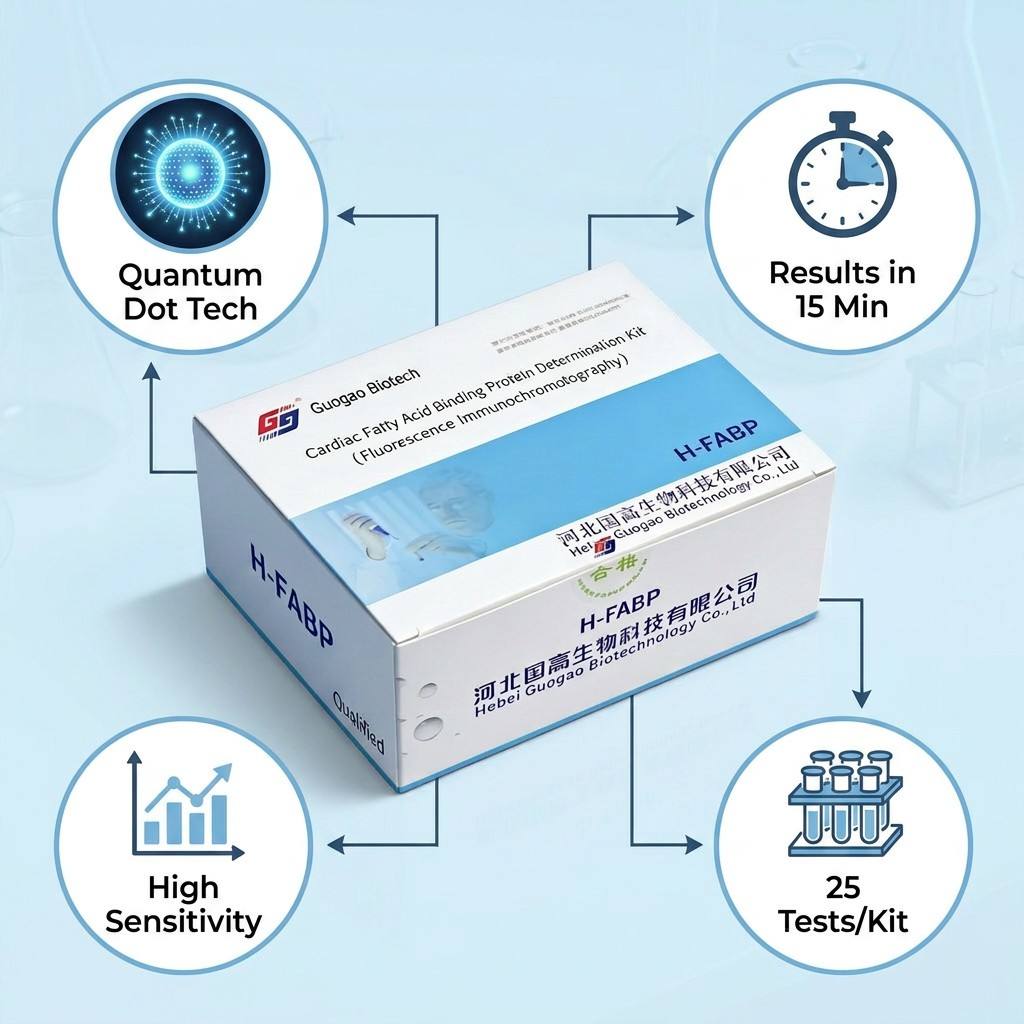
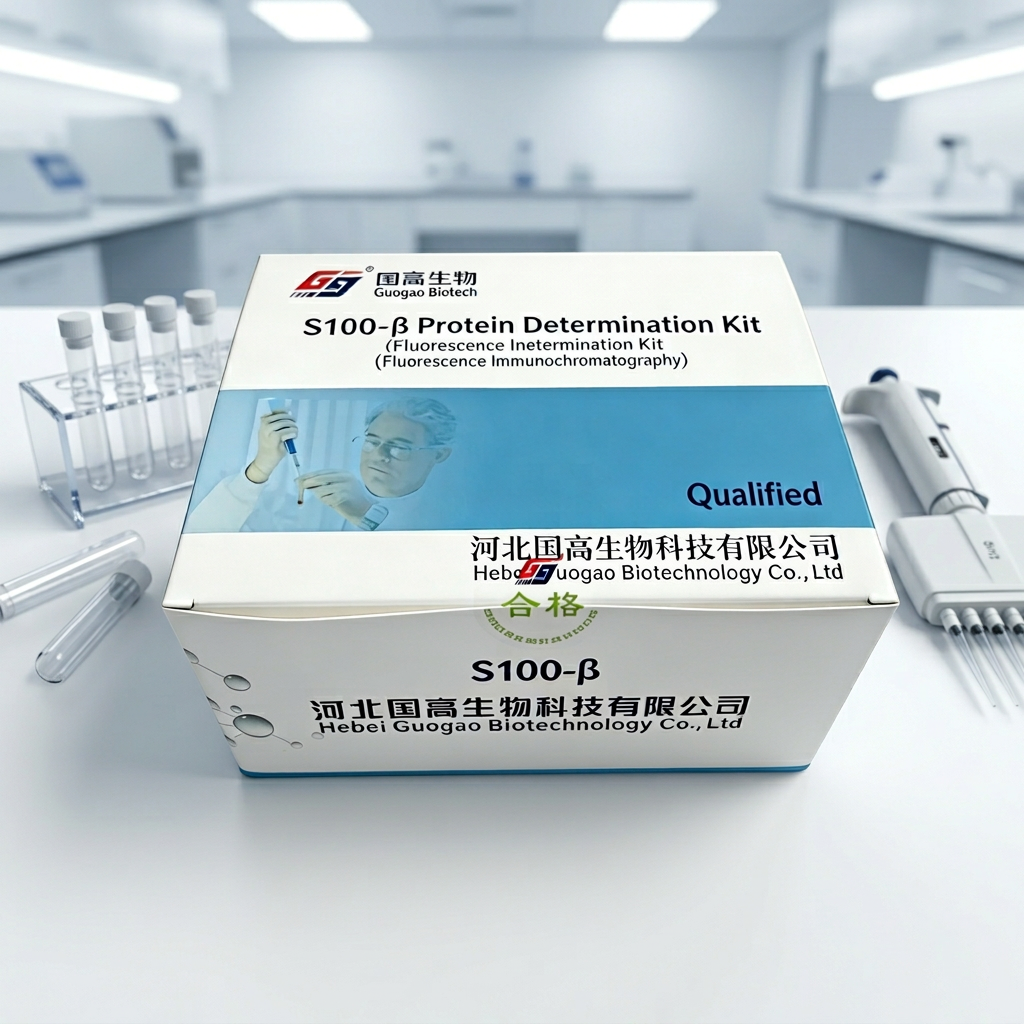
- Fluorescent Immunoassay (FIA): Common in compact benchtop analyzers used for point-of-care or rapid testing workflows.
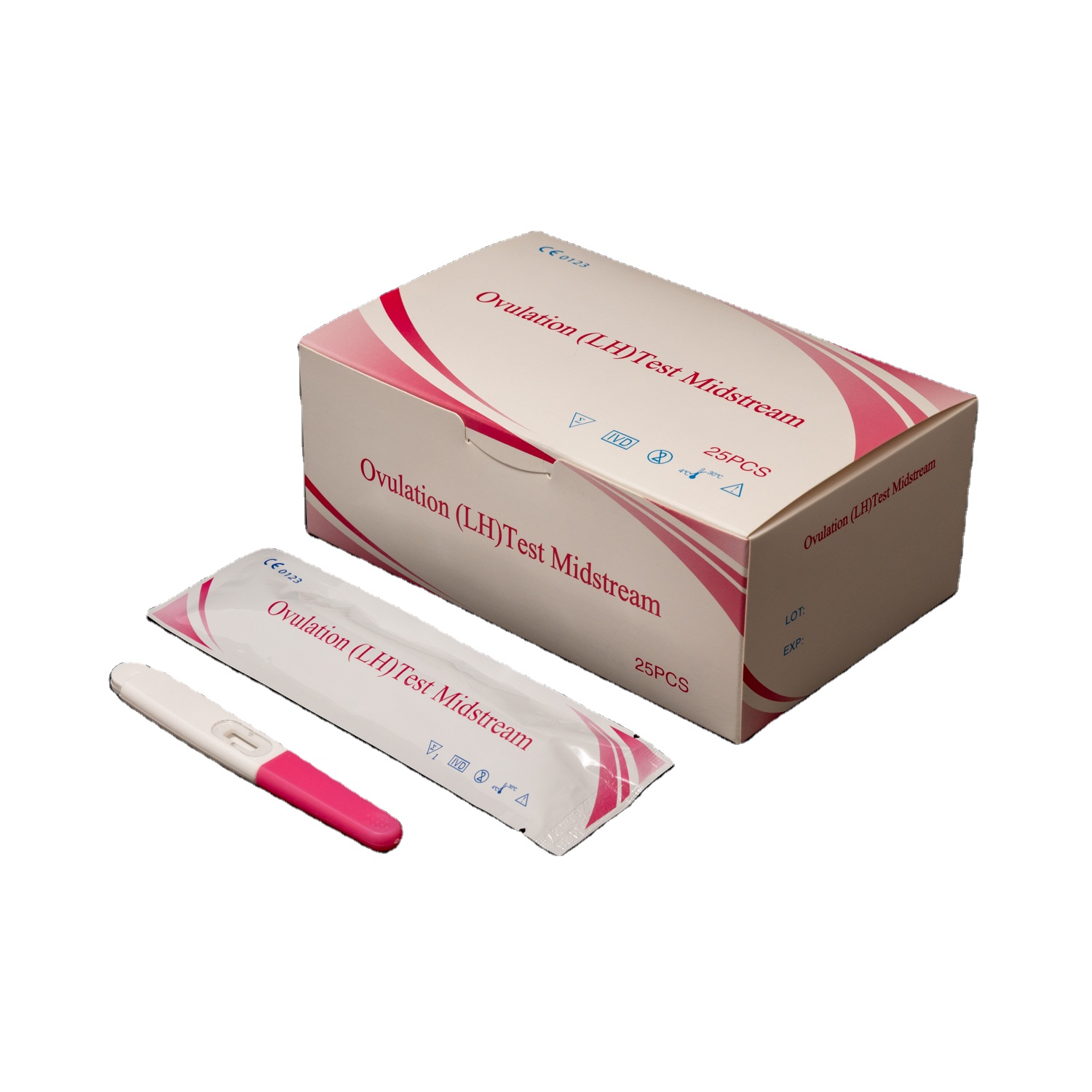
- Lateral Flow Assay (LFA): The format underlying most rapid diagnostic tests—fast results, minimal equipment requirements, suited to smaller clinical testing environments.
Each format involves different trade-offs in sensitivity, turnaround time, automation level, and cost per test. The right technology for your setting depends on testing volume, result urgency, and available operator training—not just the headline specifications on a data sheet.
Building a Practical Selection Framework
A pattern I've come across repeatedly: procurement teams focus on brand names when evaluating diagnostic equipment, then discover afterward that the analyzer's automation level doesn't match their actual throughput or staffing model. A more useful starting point is a set of questions about your operational reality.
Throughput and Automation Requirements
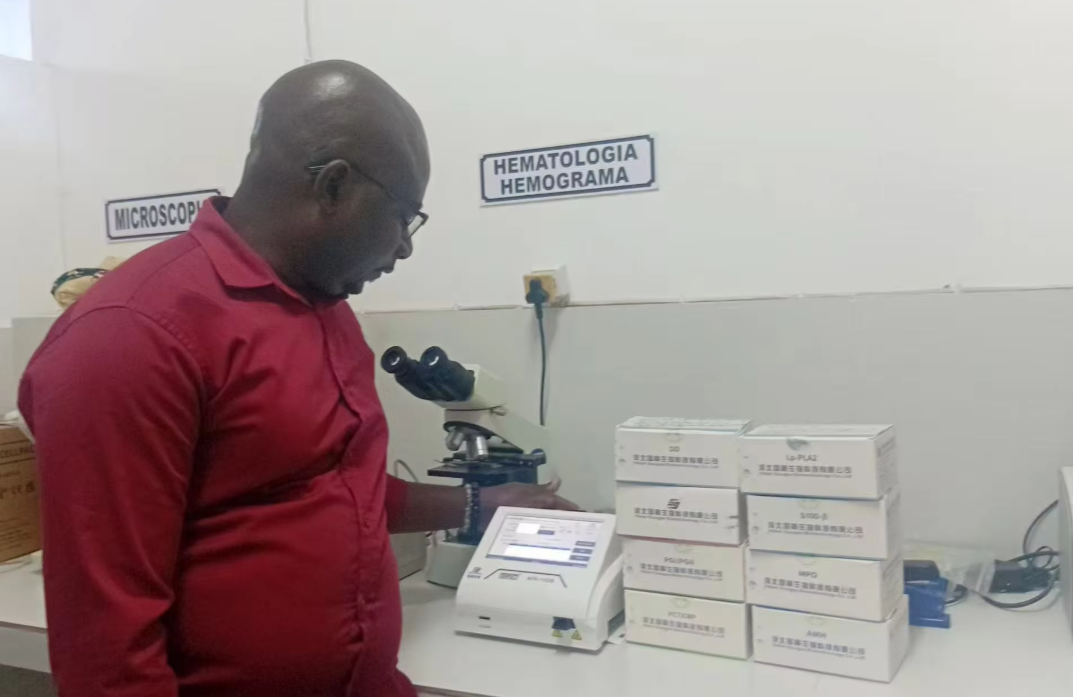
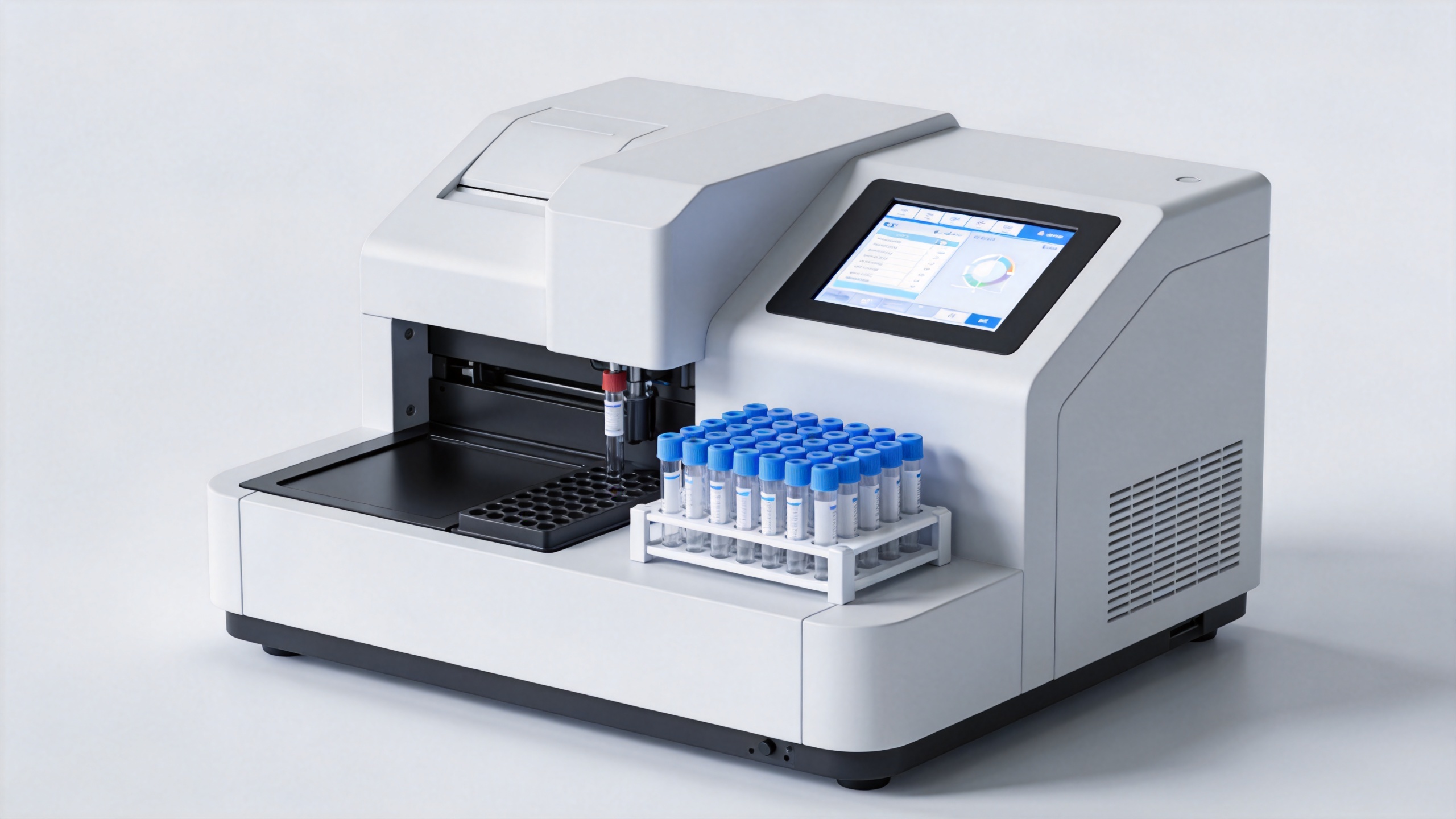
A hospital laboratory running several hundred samples per day has very different needs from a small clinic processing 20–40 samples daily. High-throughput, fully automated immunoassay analyzers reduce manual handling, support continuous sample loading, and can run multiple test panels at once—cutting patient wait times in the process. For lower-volume settings, a compact benchtop analyzer with simpler operation and a lower upfront cost is often the better fit. If your daily testing demand fluctuates significantly, check whether the system can scale without requiring a full equipment replacement.
Reagent Compatibility and Consumable Planning
This is where many hospital laboratory purchasers encounter unexpected costs. A number of immunoassay analyzers operate on closed reagent systems—the instrument only accepts proprietary consumables from the same manufacturer. Before signing any agreement, clarify whether the reagent supply is open or locked, what the minimum order quantities look like, and whether your medical supplier can guarantee consistent availability across your target markets. Reagent lock-in has pushed annual consumable budgets well above original estimates at more than a few facilities.
Regulatory Compliance and Documentation Support
For hospital laboratories and clinical testing facilities sourcing equipment internationally, regulatory documentation is not optional. Depending on your target market, requirements may include CE certification, FDA clearance, ISO 13485 quality system records, local medical device registration certificates, or some combination. A reliable medical supplier should be prepared to provide a complete compliance document package—not just a sales brochure—before any purchase order is placed. This applies especially when sourcing diagnostic equipment for facilities in Asia, Africa, or Latin America, where import clearance requirements differ significantly by country.
After-Sales Support and Service Continuity
Equipment downtime in a clinical laboratory carries real consequences—it affects the facility's ability to deliver patient care. When evaluating immunoassay analyzer suppliers, ask about regional technical support coverage, typical response times, and what the process is when spare parts are needed. There are documented cases of laboratories discovering too late that their supplier had no service presence in their region, resulting in weeks of downtime waiting for remote support that couldn't resolve a hardware issue. Service capability should be a core procurement criterion, not something evaluated after the deal is done.
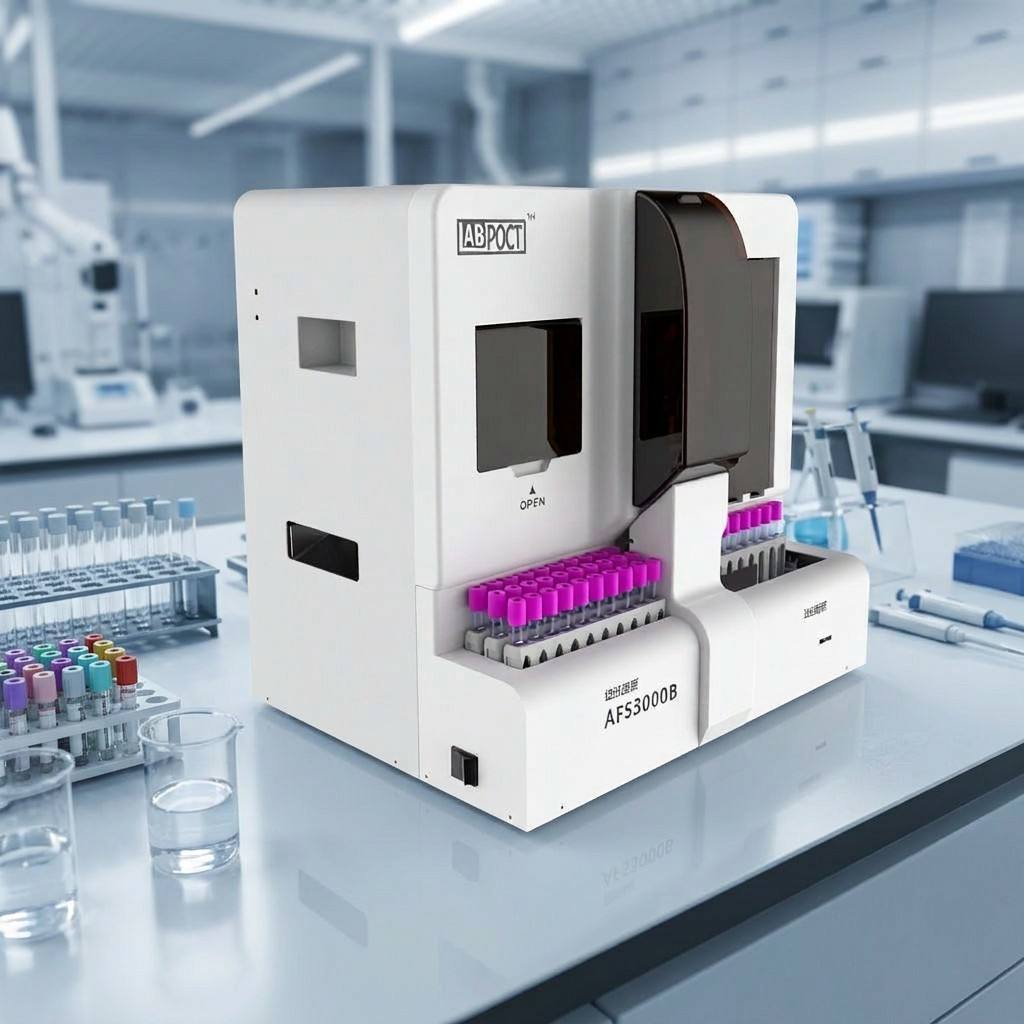
Matching Solutions to Different Hospital and Laboratory Settings
Not every immunoassay analyzer solution is built for the same clinical environment. Here's a practical way to think about matching the right system to your setting:
- Large hospital laboratories: Prioritize fully automated systems with high daily throughput capacity, multi-panel capability, LIS (Laboratory Information System) integration, and documented local service coverage. The investment in a higher-specification system typically pays off in staff efficiency and workflow continuity.
- Mid-size diagnostic laboratories and regional hospitals: Compact benchtop CLIA or FIA analyzers often hit a useful balance between automation and cost. Check whether the system can be expanded as your test menu grows.
- Small clinics and primary care facilities: Rapid immunoassay platforms using LFA or simplified FIA technology are usually the most practical choice here. The priority is ease of operation with minimal training, reliable reagent supply in smaller quantities, and a clear path to support if problems come up.
Working with Medical Suppliers for Global Immunoassay Procurement
For laboratories and procurement teams sourcing immunoassay analyzers through international medical suppliers, a few additional points apply beyond the equipment specifications themselves.
Make sure your supplier holds export documentation valid in your target market—this means product registration certificates recognized in the destination country, not just where the product was manufactured. Export compliance gaps are among the most common causes of customs clearance delays in cross-border diagnostic equipment shipments.
Request a small-batch trial order before committing to volume. Running even a basic performance check against known samples gives you far more reliable information than relying solely on the supplier's specification sheets. Batch-to-batch consistency in reagent performance is a known variable in this category.
It's also worth assessing the supplier's logistics capacity. A medical supplier with established export experience across multiple regions is better positioned to maintain reagent supply continuity across different international markets, especially when disruptions occur.
At JIUHEKIT, we work with hospitals, diagnostic laboratories, and medical device distributors across Asia, Europe, Africa, and the Americas. Our focus is on matching the right immunoassay analyzer and diagnostic equipment configuration to each facility's clinical testing requirements—and supporting the procurement process with proper documentation, sample order options, and reliable supply arrangements. To discuss your laboratory's specific needs, contact us at [email protected] or visit www.jiuhekit.com.