 EN
EN
How Test Kits Improve Diagnostic Efficiency in Modern Healthcare?
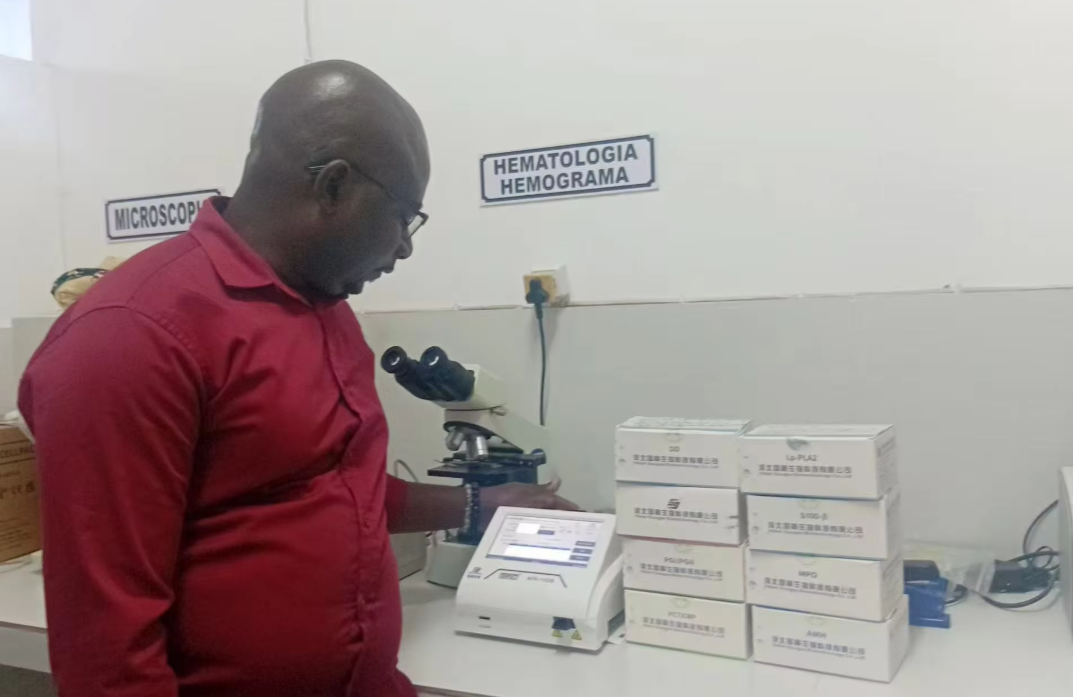
In a busy outpatient clinic or hospital ward, every minute matters. Having worked alongside clinical teams in a variety of healthcare settings, I've watched firsthand how the adoption of rapid test kits has transformed the pace of clinical diagnosis. What used to take hours in a centralized laboratory can now be completed bedside or at the point-of-care in a matter of minutes — and that shift is reshaping the entire landscape of healthcare efficiency.
The global rapid diagnostic test kit market reflects this momentum. Industry estimates suggest the market will reach approximately $49.6 billion by 2034, growing at a compound annual growth rate of 4.7%. That growth isn't driven by novelty — it's driven by demonstrated results in real clinical environments.
Faster Results, Faster Decisions: The Core Value of a Test Kit
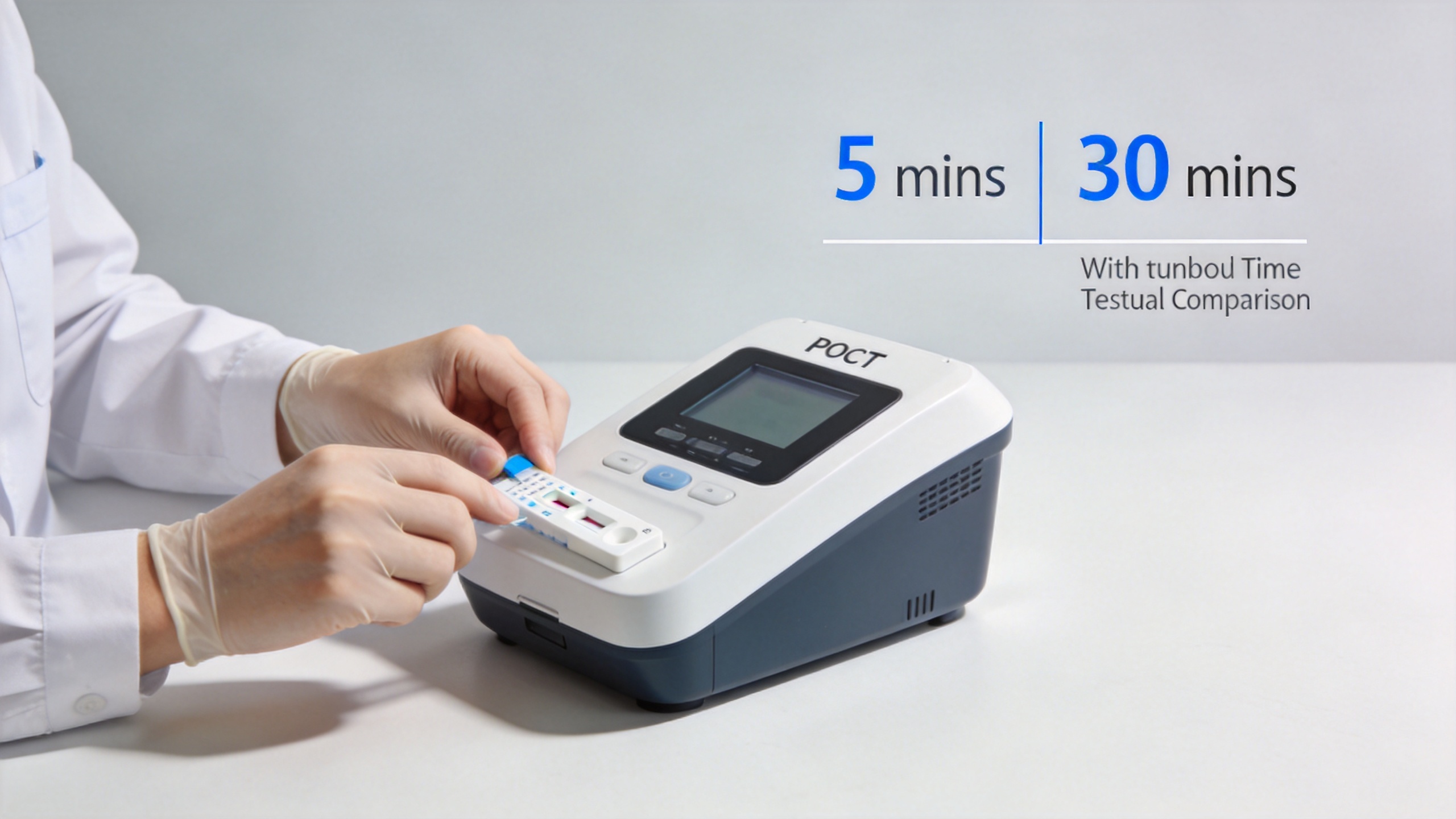
The most immediate impact of integrating a test kit into a clinical workflow is the reduction in turnaround time. Traditional laboratory-based testing requires sample transportation, processing queues, and result relay — a chain of steps that can take anywhere from one to several hours. In contrast, point-of-care testing (POCT) using rapid test kits compresses this window dramatically.
Research from emergency department studies shows that POCT reduced mean turnaround time by 51 minutes compared to central lab processing — from 79 minutes down to 28 minutes. For emergency physicians managing time-critical conditions, that difference isn't marginal; it directly affects treatment decisions, patient flow, and clinical outcomes.
If your department currently routes all specimens to a central laboratory, the numbers above should prompt a concrete question: how much of your current diagnostic delay is logistics, not science? In many cases, the answer reveals a significant optimization opportunity that a well-chosen test kit can address.
Streamlining Laboratory Workflow Through Standardized Testing
Beyond raw speed, the adoption of standardized test kits delivers measurable improvements to laboratory workflow. In clinical environments where multiple test types are processed daily, consistency across kits reduces training burden, minimizes operator variability, and simplifies quality control procedures.
In practical terms, when clinical staff use the same test kit platform across multiple analytes — whether screening for influenza, cardiac markers, or infectious disease pathogens — they develop procedural familiarity that translates into fewer errors and shorter handling times per test. This is not consistently visible in published benchmarks, but it becomes apparent when reviewing incident reports and inter-laboratory reproducibility data.
One observation worth noting: the hidden time costs in medical testing often live in sample pre-processing and result interpretation steps, not in the test reaction itself. A test kit that requires minimal pre-treatment, delivers a clearly readable result, and integrates directly with your reporting system can recover 10–20 minutes per test cycle — savings that compound significantly across a high-volume testing environment.
Accuracy and Reliability: Setting Realistic Expectations
Speed and workflow improvements are valuable, but not at the expense of diagnostic accuracy. Here it's important to apply balanced judgment rather than accept marketing claims uncritically.
Well-validated rapid test kits demonstrate strong performance benchmarks. For example, rapid diagnostic tests for certain infectious diseases have been independently documented with sensitivity rates of 90–100% and specificity rates of 95–100%. For screening purposes and preliminary clinical diagnosis, these figures are clinically meaningful — particularly in resource-limited settings or time-sensitive presentations.
That said, a test kit result — even a highly accurate one — should generally be understood as a screening or triage tool, not a substitute for laboratory confirmation when definitive diagnosis is required. The clinical value lies in using rapid results to stratify patients, initiate early treatment where appropriate, and allocate confirmatory testing resources more efficiently. That distinction, when clearly communicated to clinical staff and patients, is what makes a test kit an asset rather than a liability.
Speed versus accuracy is a real trade-off to manage consciously. In scenarios where missing a positive result carries serious consequences — such as early sepsis screening or high-consequence infectious disease detection — selecting a kit with demonstrated high sensitivity should take priority over convenience or cost per test.
Integrating Test Kits Into Clinical Decision-Making
The full value of a test kit is only realized when its results feed directly into the clinical decision pathway. A rapid result that sits unread for 30 minutes, or that bypasses the electronic health record, delivers only a fraction of its potential efficiency gain.
Effective integration requires attention to several layers: result communication protocols, documentation workflows, and staff training on appropriate interpretation. In settings where multi-department input is needed for diagnosis — which is common in both secondary care hospitals and specialized clinics — establishing clear escalation paths for positive or borderline results ensures that the speed of the test kit doesn't get bottlenecked by process delays downstream.
From a procurement perspective, this also means evaluating test kits not only on analytical performance but on system compatibility and operational fit. A kit that produces results in 15 minutes but requires manual transcription into your information system may deliver less net efficiency gain than one with slightly longer test time but seamless digital output. Consider the full workflow, not just the test cycle, when building your selection criteria.
Key Procurement Considerations for Healthcare Settings
For healthcare procurement teams and distributors evaluating test kits for deployment, a few considerations consistently determine whether a product delivers on its efficiency promise:
- Storage requirements: Test kits that require strict cold-chain management introduce logistical complexity, particularly for clinics with limited refrigeration capacity or supply chains with extended transit times. Kits with wider acceptable temperature ranges reduce operational risk.
- Shelf life management: In high-volume settings, shorter shelf-life kits can drive wastage if procurement cycles aren't tightly aligned with consumption rates. Inventory planning is as important as clinical performance.
- Staff training requirements: Kits that can be operated by non-laboratory personnel expand deployment flexibility, particularly in primary care or community health settings. However, validating operator competency before roll-out remains essential.
- Regulatory compliance: For international procurement, confirming that the test kit holds relevant market authorization (CE marking, local registration, or equivalent) is a non-negotiable baseline before evaluating technical performance.
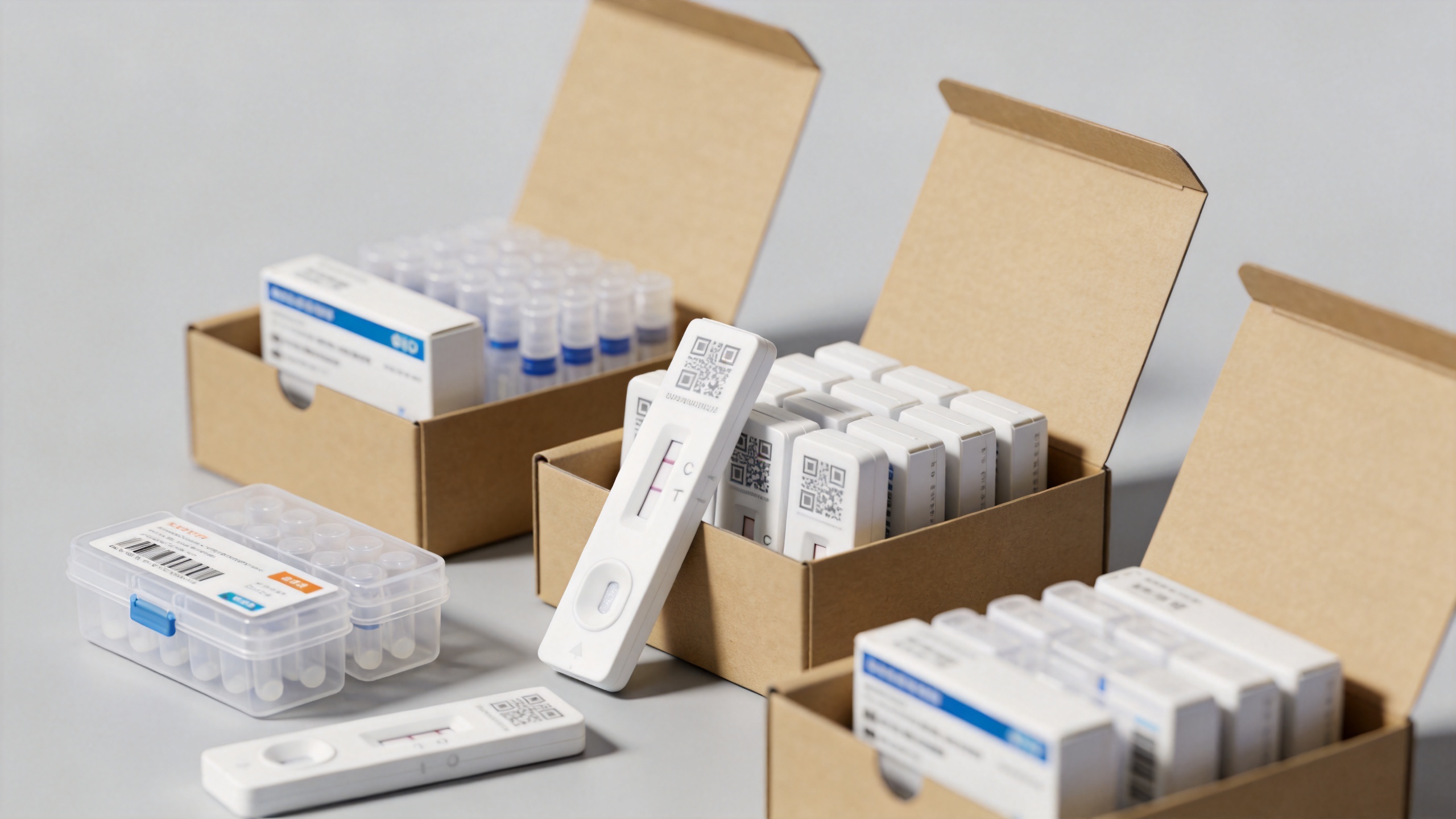
First, confirm the basic compliance and quality documentation; on top of that, evaluate operational fit for your specific setting; and beyond that, assess supplier reliability and supply continuity — because a test kit that is unavailable when you need it most delivers no efficiency benefit at all.
The Role of Test Kits in a Broader Healthcare Efficiency Strategy
No single intervention transforms healthcare efficiency in isolation, and test kits are no exception. Their value is multiplicative when combined with well-designed triage protocols, competent staff, and integrated information systems. In settings where these foundations are in place, rapid test kits help compress the time from patient presentation to actionable clinical information, freeing clinical staff for tasks that require human judgment rather than waiting time.
For healthcare organizations evaluating whether to expand their use of point-of-care testing, the evidence base is increasingly robust. The question is not whether rapid medical testing tools can improve diagnostic efficiency — they demonstrably can — but which specific solutions are most closely matched to your patient population, testing volume, workflow architecture, and budget constraints.
A structured evaluation process, beginning with clearly defined efficiency metrics and ending with pilot deployment data, typically surfaces the answer more reliably than specification sheets alone.