 EN
EN
Diagnostic Kit Applications in Hospitals and Public Health Programs
Walk through any hospital laboratory or community health clinic, and you will quickly notice how central a reliable diagnostic kit has become to everyday clinical decision-making. Laboratory in vitro diagnostic (IVD) tests are responsible for approximately 60–70% of all clinical decisions, yet they account for only around 5% of a typical hospital budget, a ratio that underscores the outsized leverage these tools carry across the broader healthcare system. As the global IVD market expands from an estimated $81.83 billion in 2026 toward a projected $135.65 billion by 2034 (CAGR ~6.5%), understanding where and how diagnostic kits deliver value in hospitals and public health programs matters more than ever to procurement teams, distributors, and clinicians working with these products.
That said, not all settings are equal. In my experience supporting IVD supply chains across multiple markets, the way a diagnostic kit performs in a climate-controlled hospital laboratory can be meaningfully different from how it holds up in a field-deployed public health program—and those differences directly affect result reliability, operator requirements, and procurement strategy.
Diagnostic Kits in Hospital Settings
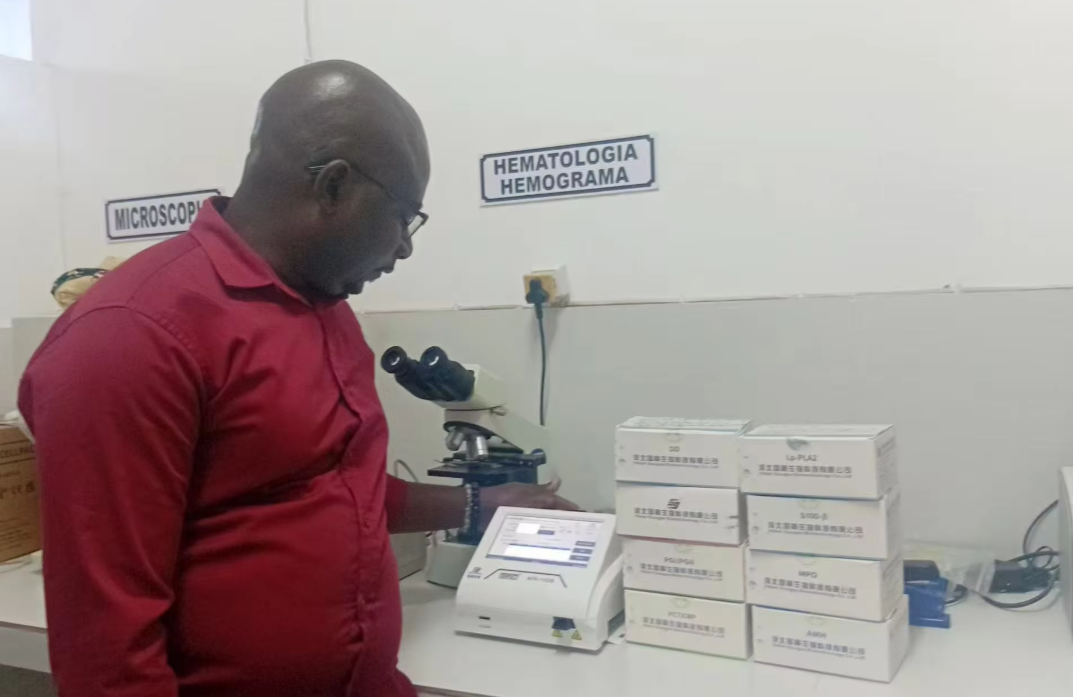
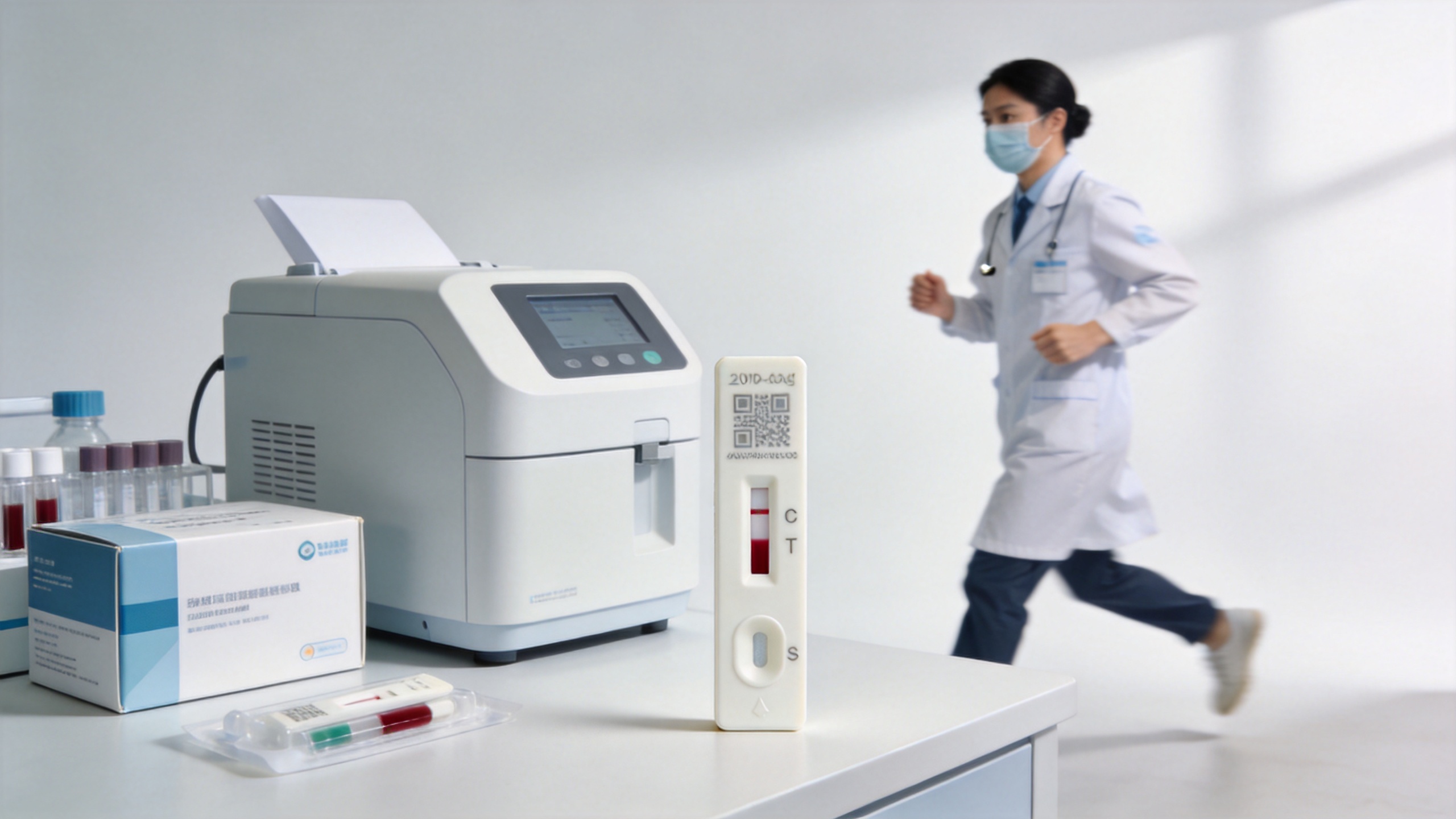
Inside a hospital, diagnostic kits support a wide range of clinical testing workflows: routine blood chemistry panels, infectious disease confirmation, hormonal assays, coagulation studies, and point-of-care (POC) rapid tests at the bedside or in emergency triage. Different departments have distinct needs, and choosing the right kit type means mapping product specifications to the actual clinical context.
Laboratory-Grade IVD Platforms vs. Rapid POC Kits
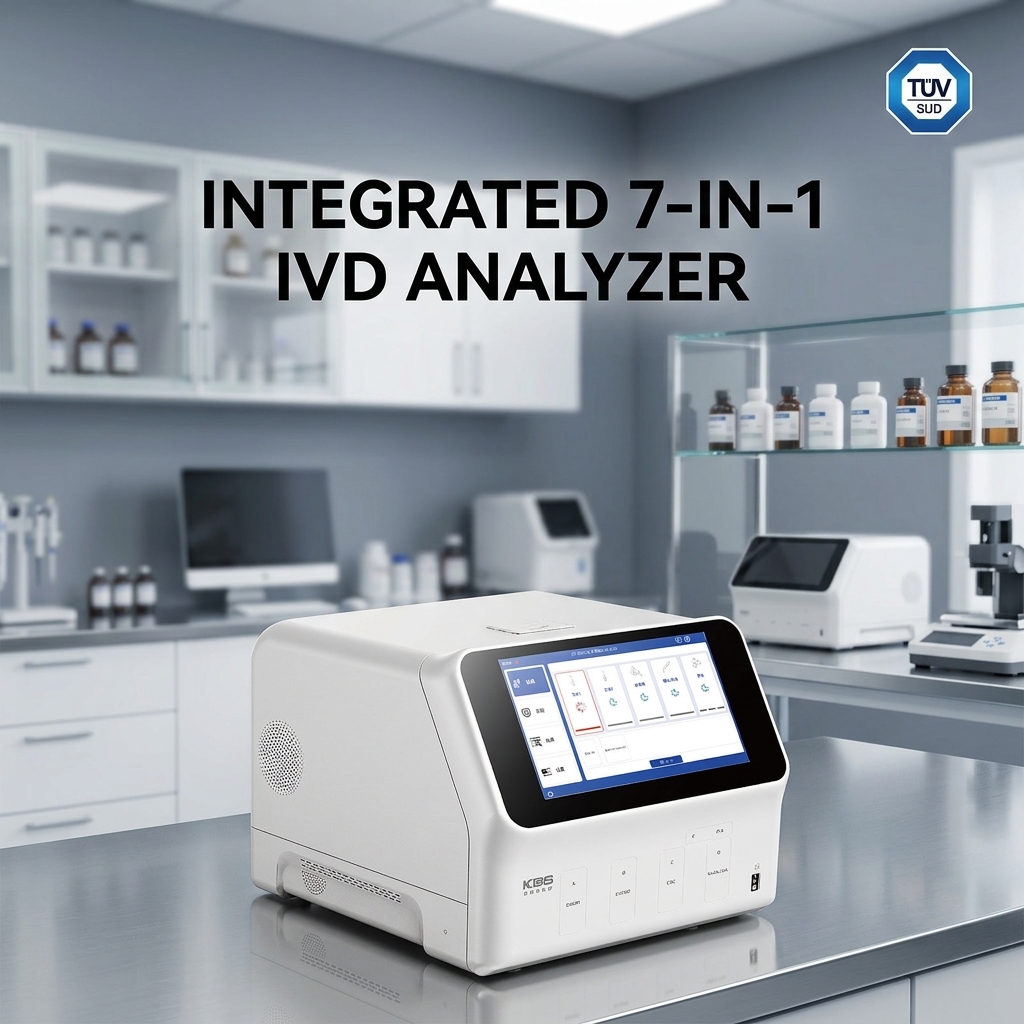
High-volume hospital laboratories typically rely on analyzer-based platforms that process large batches of samples with automated result reporting and integration into laboratory information systems (LIS). These platforms offer high throughput and standardized quality control, but they require dedicated equipment, trained laboratory personnel, and infrastructure investment.
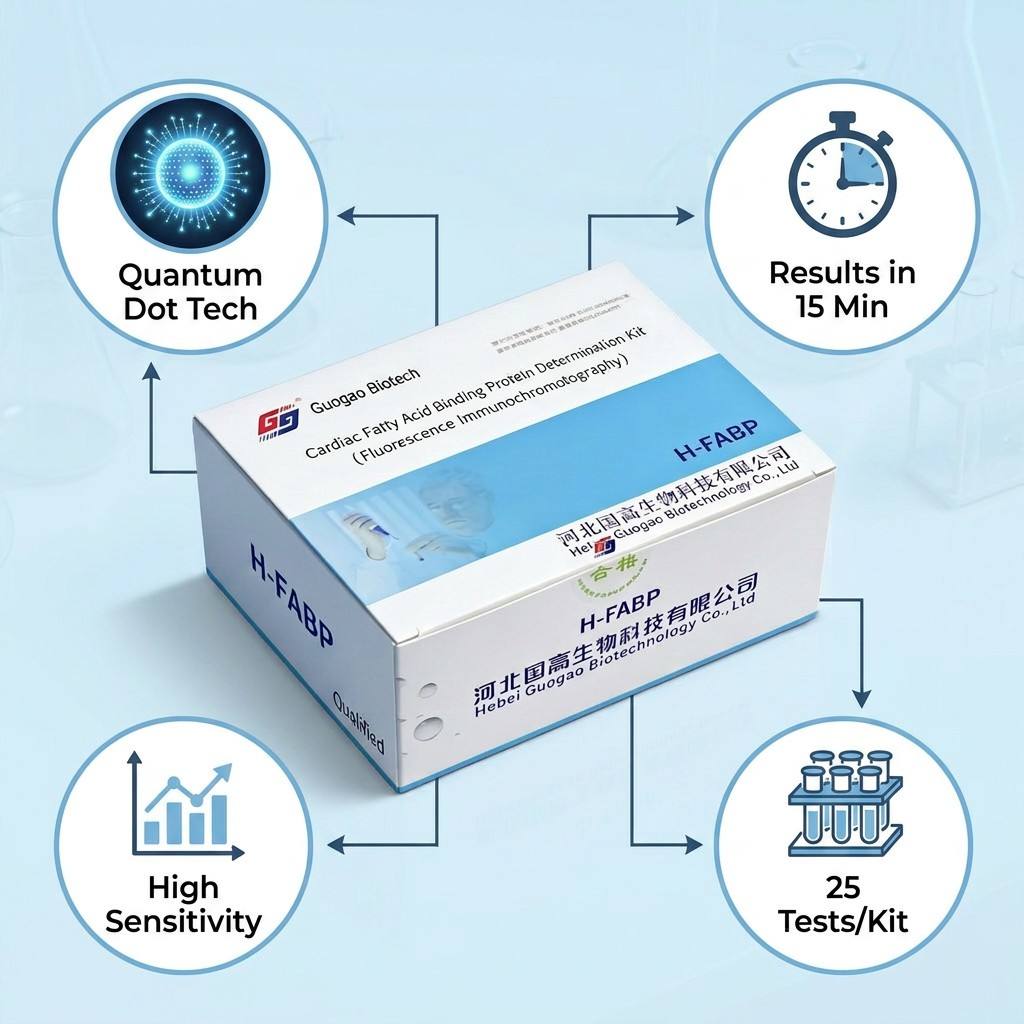
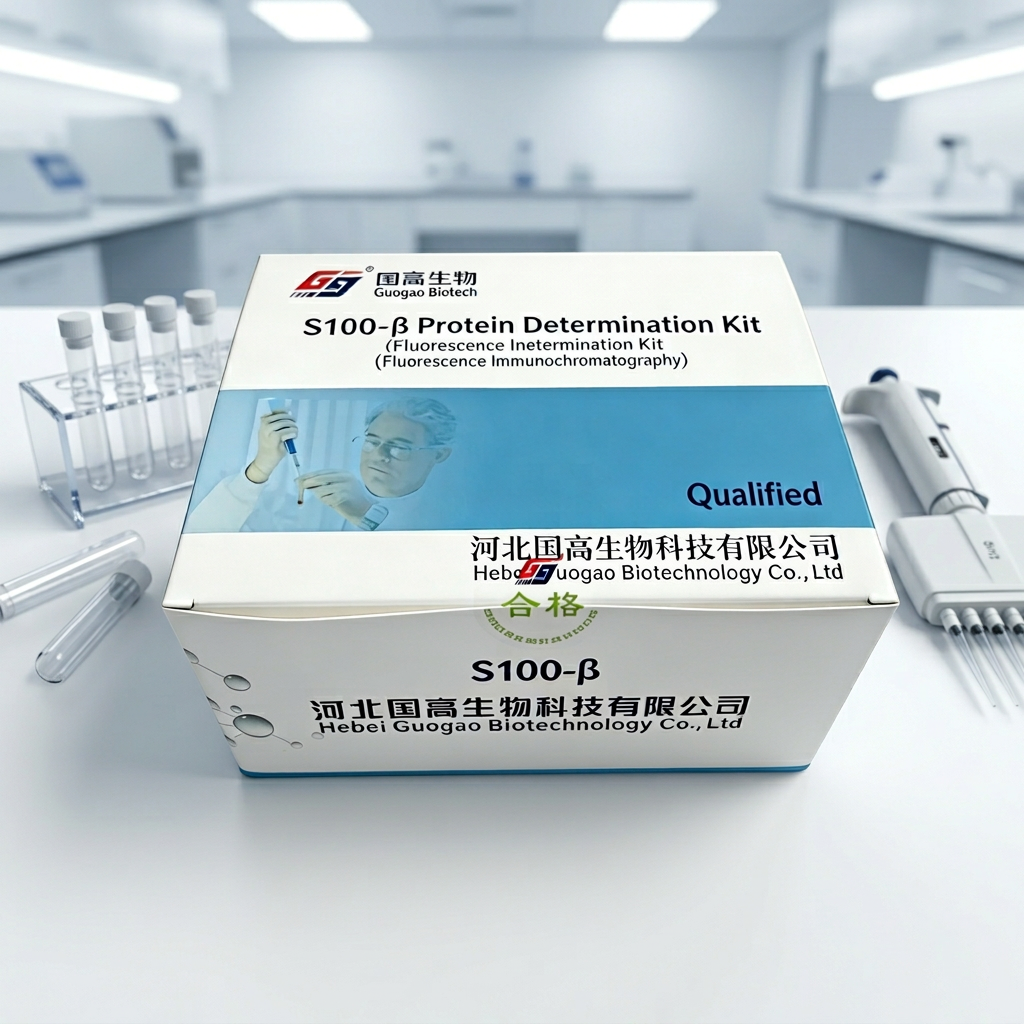
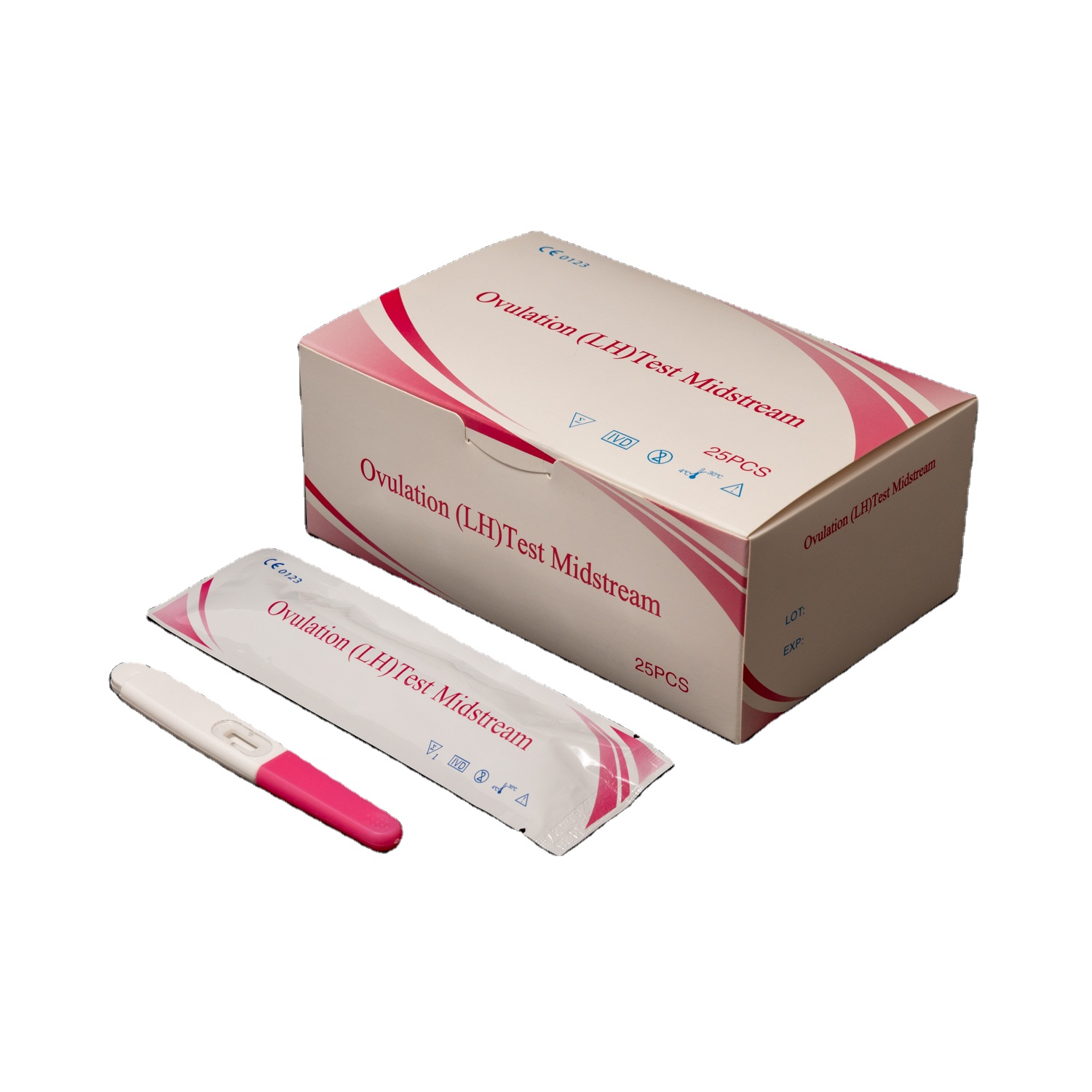
Rapid diagnostic kits take a different approach. They are designed for minimal instrumentation—many require only a sample collection device, a reagent strip, and a few minutes of reaction time. In emergency departments or intensive care units where a clinical decision cannot wait for a central lab batch cycle, a rapid diagnostic kit can narrow the differential diagnosis within 15–30 minutes. One point that often gets glossed over: a rapid test result is a preliminary screening finding, not a final diagnostic conclusion. Confirmatory testing is often still required for definitive treatment decisions, particularly in scenarios where sensitivity and specificity thresholds become clinically critical.
Procurement and Supply Considerations for Hospitals
Hospitals sourcing diagnostic supply at scale face distinct logistical demands. Batch-to-batch consistency matters significantly—if a kit lot shows drift in sensitivity, it affects not just one patient but potentially hundreds of tests run over days or weeks. Procurement teams should evaluate whether a supplier's quality control documentation covers inter-lot variability, not just individual product certifications.
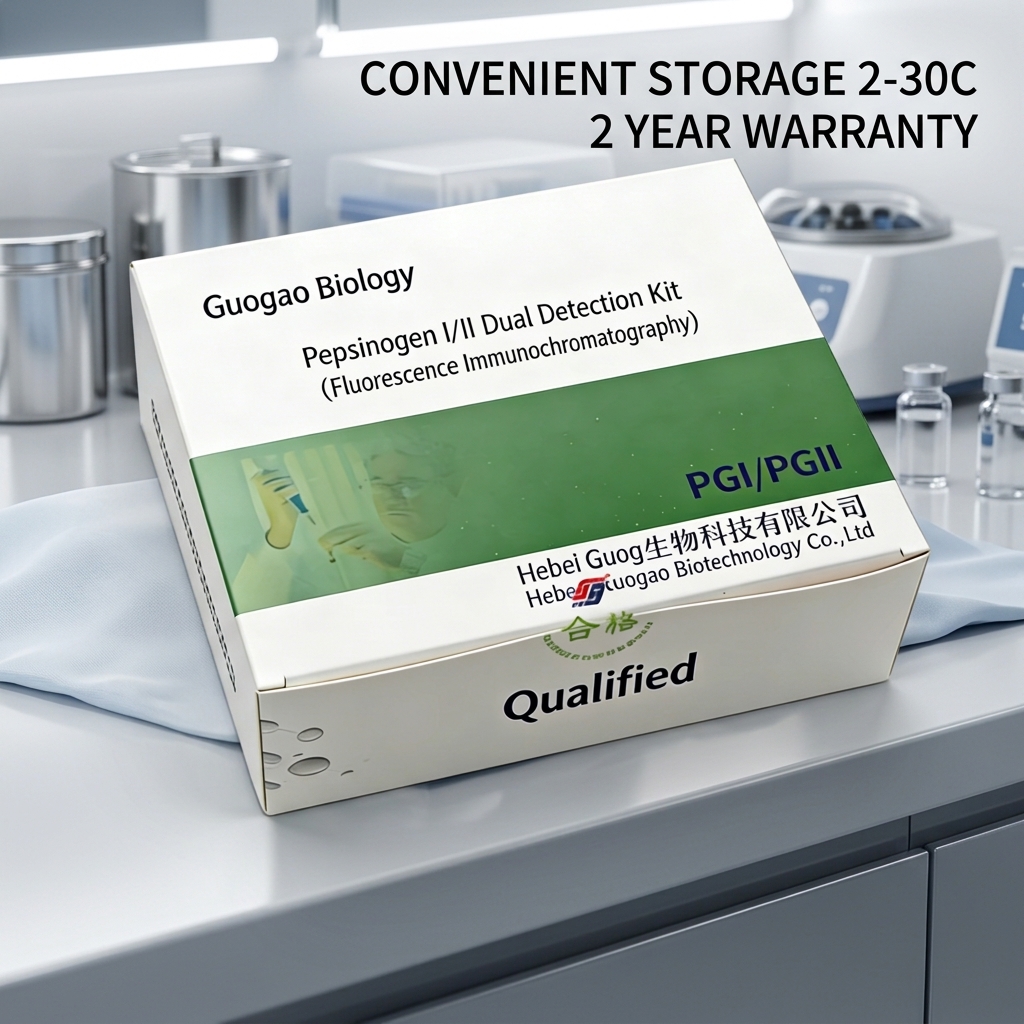
Storage conditions add another layer of complexity. Some immunoassay-based kits require refrigeration at 2–8°C, which creates cold chain dependencies across the supply chain. Kits with wider temperature stability ranges—typically 4–30°C—reduce logistics complexity, especially for hospitals in regions where cold chain infrastructure is inconsistent. Similarly, expiry date management becomes a significant cost factor for large-volume buyers: procuring kits with adequate shelf life and aligning order quantities to actual consumption rates helps avoid write-off losses.
Diagnostic Kits in Public Health Screening Programs
Public health programs operate under a different set of constraints. Mass screening campaigns for conditions such as HIV, malaria, hepatitis B and C, tuberculosis, or pregnancy-related complications often take place in community settings: mobile clinics, rural health posts, outbreak response units, or temporary screening stations. Since 1990, the WHO has maintained procurement services for IVD kits targeting these conditions, and today more than 40,000 IVD products are available globally through various procurement channels. That scale speaks to how deeply integrated diagnostic testing now is in disease surveillance and control.
Why POCT Matters in the Field
In public health programs, point-of-care testing is not simply a convenience—it is often the only practical option. Community health workers may lack access to centrifuges, pipettes, or laboratory refrigerators. A well-designed rapid diagnostic kit in this context should meet several criteria: minimal sample preparation steps, ambient temperature stability, clear result interpretation (ideally visual rather than instrument-dependent), and a short reaction time that allows results to be communicated to the patient within the same visit.
Imagine a mass screening program deployed at a rural community health fair, where a nurse or community health worker is running HIV or malaria tests on 50–80 individuals in a single day. If the kit requires specialized training to pipette precise microliter volumes or to interpret a faint control line correctly, operator variability will affect the reliability of results across the cohort. This is why operator training is not a secondary consideration—it is part of the test system. Kits designed with clear visual indicators, step-by-step pictographic instructions, and minimal manual intervention steps tend to perform more consistently across operators with varying formal training backgrounds.
Regulatory and Compliance Requirements
Public health procurement through international agencies (UN agencies, NGOs, national health ministries) typically requires IVD kits to hold relevant regulatory certifications—CE-IVD marking for European-market products, WHO prequalification for use in UN-funded programs, or market-specific approvals for deployment in regulated healthcare systems. Ensuring that a diagnostic supply partner maintains complete, auditable compliance documentation reduces the risk of clearance delays or mid-program supply disruptions.
Aligning Kit Selection to Program Objectives
Whether sourcing for a hospital clinical testing department or a national public health screening initiative, the core evaluation framework remains similar: match the kit's technical performance specifications to the actual end-use environment, then verify the supply chain can deliver reliably at the required volume and cadence.
- Sensitivity and specificity: Early screening programs prioritize high sensitivity to minimize false negatives; confirmatory workflows benefit from high specificity. Understand which tradeoff applies to your use case before comparing products.
- Sample type compatibility: Whole blood, serum, plasma, nasal swab, urine—each sample type places different requirements on collection kits and workflow design. Align the diagnostic kit to available sample collection capabilities.
- Storage and cold chain: Ambient-stable kits simplify field logistics; refrigerated kits may still be appropriate for hospital labs with reliable cold chain infrastructure.
- Operator requirements: Low-complexity kits reduce training burden in community health settings; higher-complexity platforms may be appropriate where trained laboratory staff are consistently available.
- Regulatory status: Confirm the kit holds certifications valid in your target market or procurement framework before finalizing supplier selection.
Working with an IVD Diagnostic Supply Partner
Distributors and procurement teams in the medical device sector increasingly value suppliers that can provide not just product, but integrated support: complete export compliance documentation, flexible order quantities for pilot validation before large-scale deployment, and multilingual technical materials that support operator training in diverse market environments.
For hospital procurement teams evaluating new diagnostic kit suppliers, requesting a small validation batch before committing to a large-volume order is a reasonable and widely accepted practice. It allows the clinical laboratory team to assess performance in real operating conditions—temperature range, sample matrix, operator skill level—rather than relying solely on published performance data generated under controlled study conditions.
Conclusion
The diagnostic kit sits at the intersection of laboratory science, clinical workflow, and public health infrastructure. Its value—whether in a hospital emergency department conducting rapid clinical testing or a community health program running large-scale public health screening—depends on matching the right product to the right setting with the right supply chain behind it. As demand for diagnostic testing continues to grow across healthcare systems worldwide, the ability to source reliable, compliant, and operationally appropriate IVD solutions will remain a defining capability for hospitals and public health program managers alike.