 EN
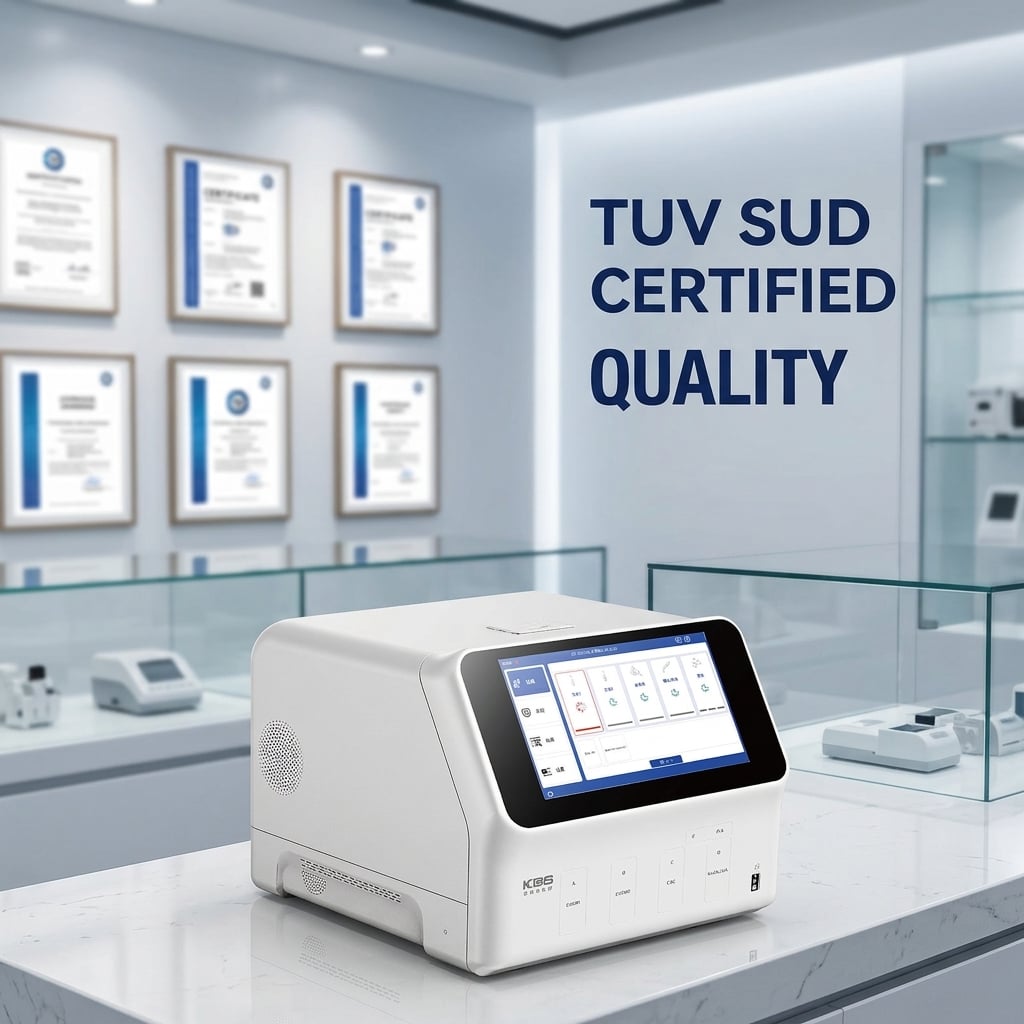
How to Choose Medical Diagnostic Equipment for Clinical Laboratories and Healthcare Facilities?
Choosing Medical Diagnostic Equipment is less about finding the longest specification sheet and more about matching a system to the way a facility actually works. A small outpatient clinic, a high-volume clinical laboratory, and an inpatient hospital department may all run similar tests, yet their staffing, sample flow, turnaround expectations, and service needs are very different. As a procurement adviser working with hospitals and clinics, I start with workload and operating conditions before comparing any model.
This approach helps buyers compare Laboratory Diagnostic Equipment, a Medical Analyzer, and other Diagnostic Instruments on the factors that affect daily use rather than on purchase price alone. The right Medical Diagnostic Equipment should support reliable workflow, documented compliance, and a realistic lifecycle budget.
Start With the Clinical Workflow, Not the Product Catalog
Define what the facility needs to diagnose, who will operate the equipment, and how results move into the clinical record. For Medical Diagnostic Equipment, useful questions include:
- What test menu, specimen types, and expected daily volume must the system handle?
- Are samples processed in predictable batches or in urgent, uneven demand?
- Will trained laboratory staff run the instrument, or does the site need a simpler guided workflow?
- Which results must connect to a laboratory or hospital information system?
- What backup process protects patient service during maintenance or downtime?
Many buyers first compare a Medical Analyzer by speed. That matters, but capacity should fit the actual peak workload, not just the average day. A system that is oversized can add avoidable reagent, maintenance, and training costs; a system that is undersized can create queues at the point when rapid reporting matters most.
Match the Equipment Category to the Use Case
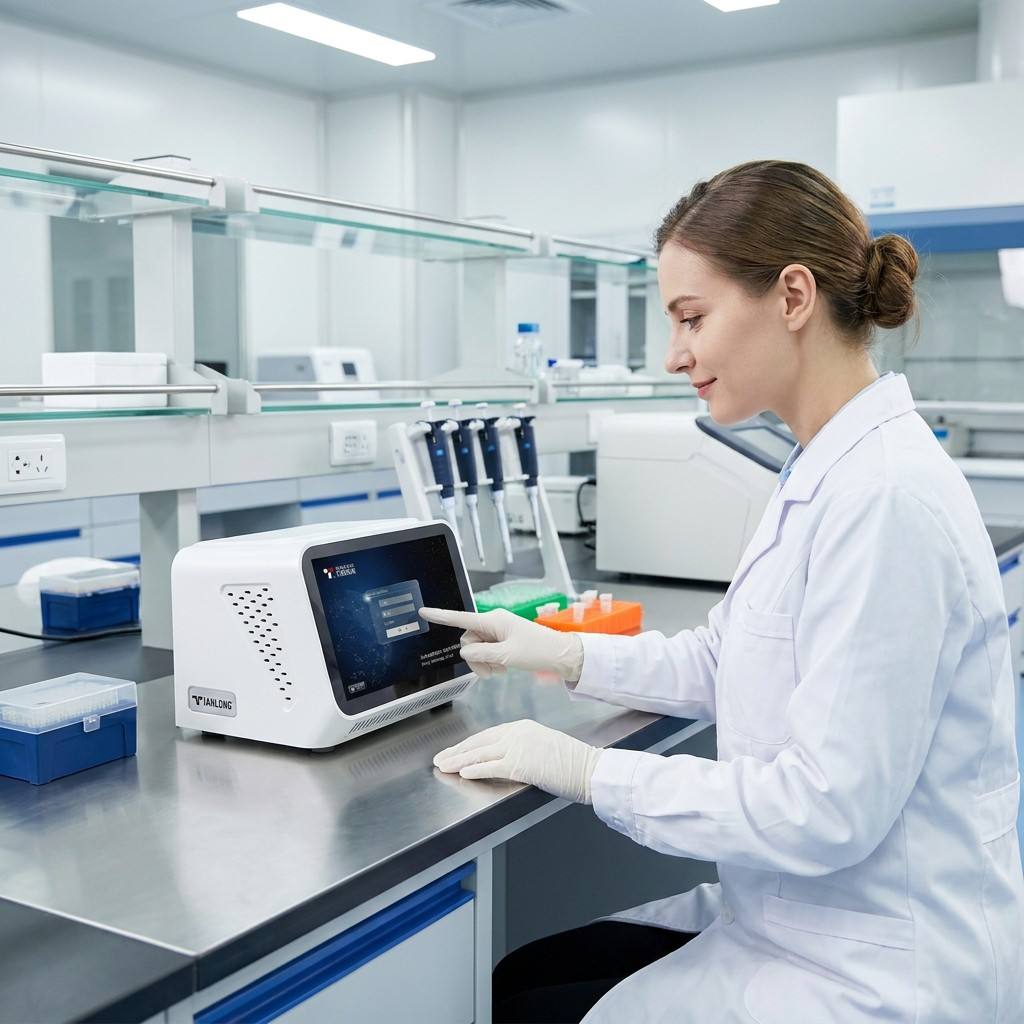
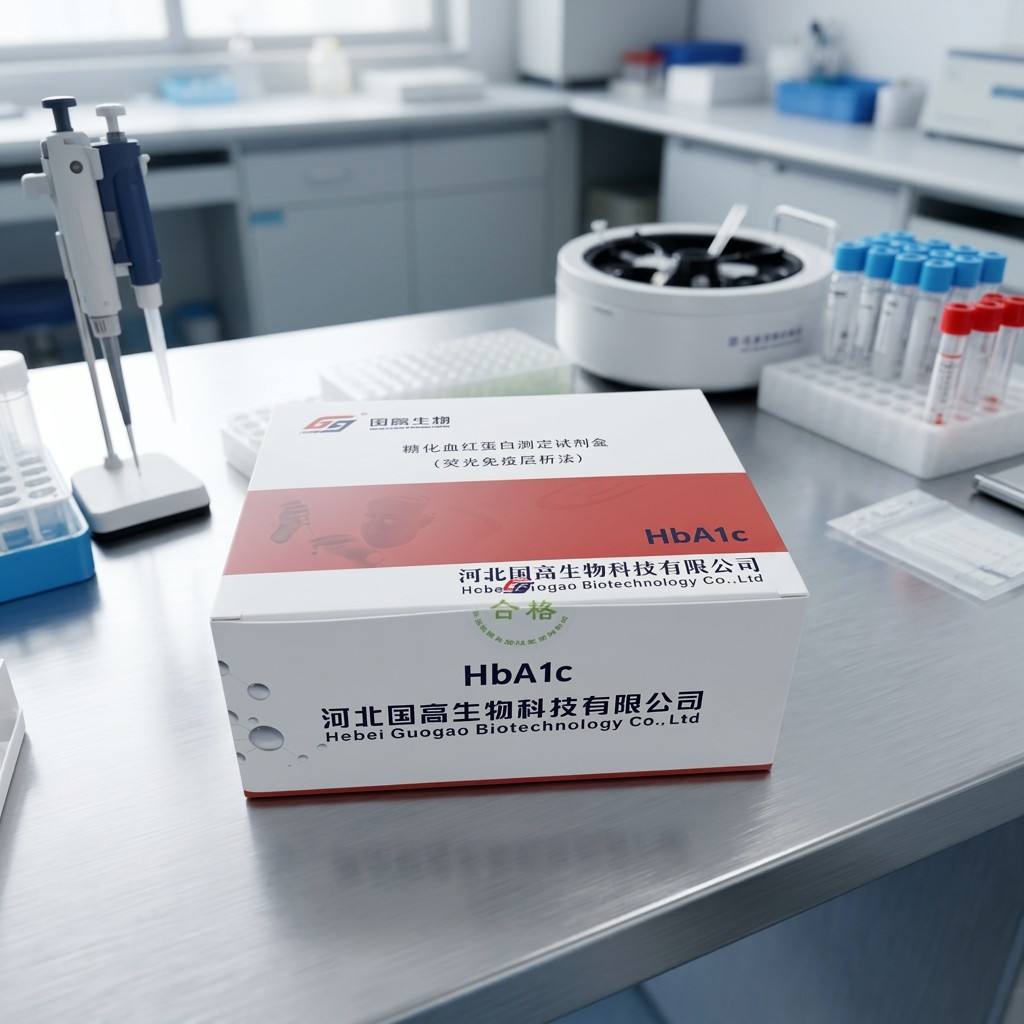
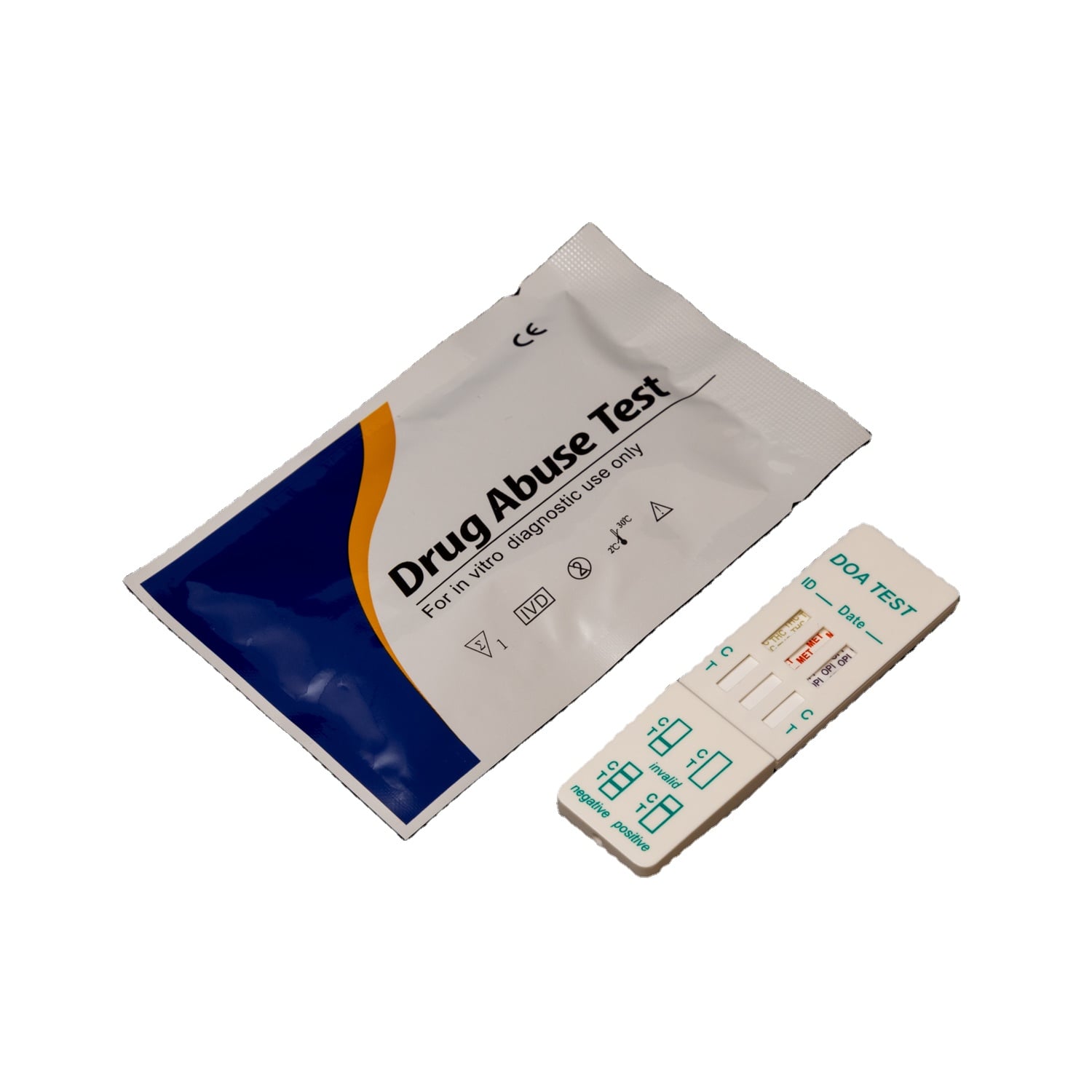
Medical facilities commonly combine several kinds of Medical Diagnostic Equipment. Point-of-care devices can support fast decisions near the patient. Core Laboratory Diagnostic Equipment may be better for centralized sample processing, quality-control routines, and a broader test menu. Imaging, vital-sign, and examination Diagnostic Instruments have another set of requirements around room layout, operator training, accessibility, and data handling.
Do not assume that a well-known brand is automatically the right fit. What matters is whether automation level, consumable supply, and service response fit the facility's use case. For a clinic with variable volume, flexibility and a clear startup procedure may outweigh maximum throughput. For a hospital laboratory, interoperability, traceability, and continuity planning may deserve more weight.
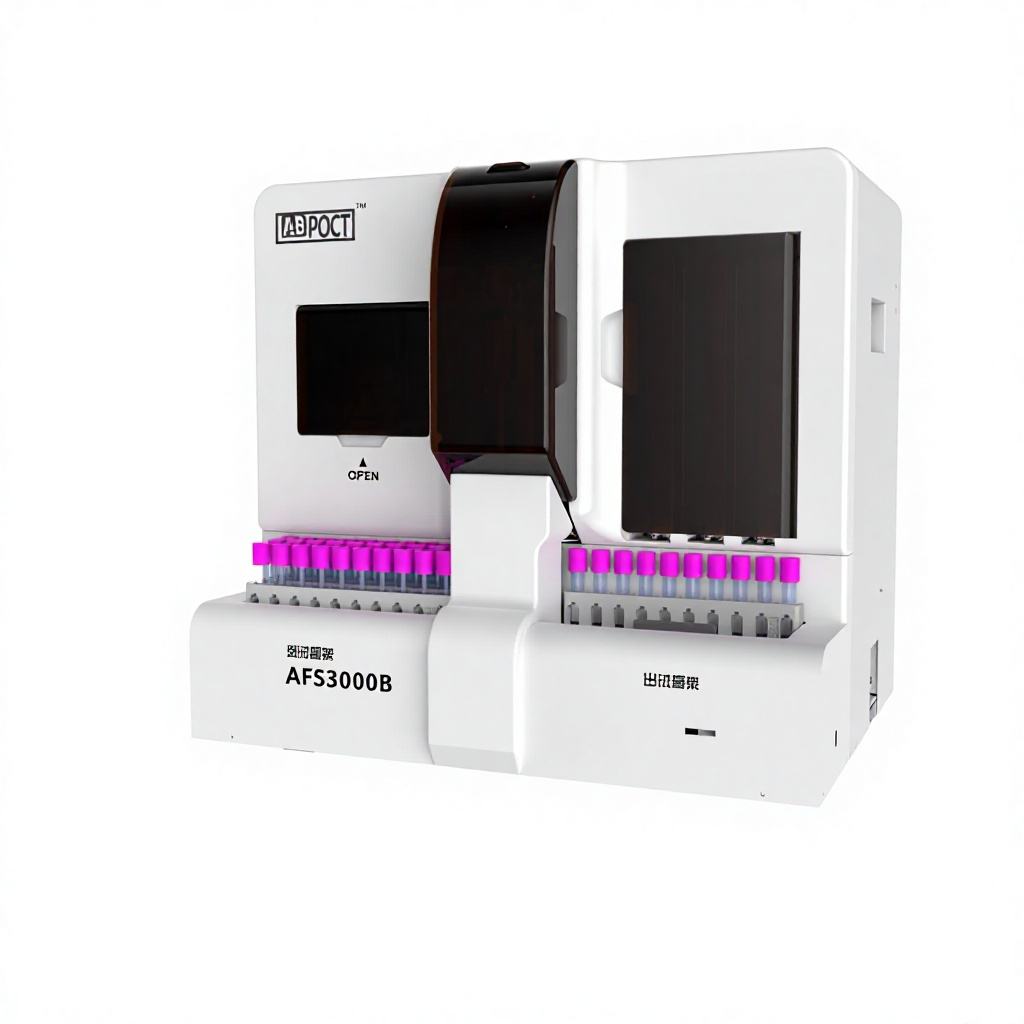
Compare Performance Claims in Operational Terms
When evaluating Medical Diagnostic Equipment, ask suppliers to explain how each claim is measured and where its limits are. Review the intended use, available test menu, analytical range where applicable, quality-control process, calibration requirements, sample preparation steps, and result flags. A performance number has little value without the conditions behind it.
| Selection area | What to verify | Why it matters |
|---|---|---|
| Throughput | Peak-hour samples, rerun capacity, and loading method | Shows whether the Medical Analyzer fits real demand. |
| Quality control | Control materials, calibration schedule, alerts, and audit trail | Supports consistent operation of Laboratory Diagnostic Equipment. |
| Connectivity | Interface compatibility, result format, and cybersecurity responsibilities | Reduces manual transcription and workflow gaps. |
| Usability | Training, cleaning, error recovery, and language of documentation | Helps staff operate Diagnostic Instruments safely. |
Make Compliance a Market-Specific Checkpoint
Compliance should be reviewed before commercial terms are finalized. Requirements vary by intended use, device classification, and destination market. For U.S.-bound Medical Diagnostic Equipment, FDA registration and device listing information can be part of supplier due diligence, but registration or listing should not be treated as product approval. In the EU, buyers should verify the device-specific conformity documentation supporting CE marking. For in vitro diagnostic products, confirm which rules apply to the product and market rather than relying on a generic certificate.
Request controlled copies of the labeling, instructions for use, declarations or registrations relevant to the target market, and traceable model identifiers. This is especially important when Healthcare Equipment will cross borders. A supplier should be able to explain what the documentation covers and what still needs local review.
Calculate Total Cost and Service Readiness
The quoted price is only one part of the cost of Medical Diagnostic Equipment. Build a comparison that includes reagents or consumables, controls, calibration materials, installation, training, preventive maintenance, repair response, spare parts, software, and disposal requirements. Many clinics begin by looking only at unit price, then discover that ordering minimums, storage conditions, and replenishment lead times shape the monthly budget more than expected.
For each Medical Analyzer, ask for a written service scope: remote support, onsite response, planned maintenance, replacement-part availability, and escalation contacts. Also confirm acceptance testing at installation. A practical acceptance plan checks the delivered model, accessories, documentation, connectivity, operator training, and agreed performance verification before the equipment enters routine use.
Use a Cross-Functional Decision Matrix
Good Medical Diagnostic Equipment decisions involve laboratory leadership, clinicians, procurement, IT, quality personnel, and finance. Give each group clear scoring criteria rather than asking for a general preference. A weighted matrix can cover clinical fit, workflow, documentation, service, supply continuity, implementation effort, and total cost. For healthcare facilities, this avoids selecting Healthcare Equipment that looks attractive in a demonstration but creates friction after deployment.
Before signing, arrange a final review of sample flow, site readiness, utilities, storage, interfaces, training, and contingency procedures. If your priority is dependable daily testing, focus first on workflow fit and support evidence, not only on headline specifications. The most suitable Medical Diagnostic Equipment is the option your team can operate, document, maintain, and replenish with confidence.