 EN
How to Select a Test Kit Supplier for Healthcare Needs?
Selecting a Test Kit supplier is not a routine purchasing exercise. For hospitals, clinics, laboratories, distributors, and public-health programs, the decision affects workflow continuity, quality control, traceability, and the ability to support staff when questions arise. A low quotation can be useful, but it is not a substitute for evidence. The practical goal is to choose a supplier whose product documentation, quality controls, logistics, and technical support fit the intended healthcare use.
Start by defining the job the Test Kit must do. Is it intended for professional point-of-care use, laboratory testing, screening, or collection for a laboratory service? Who will perform the test, what specimen is involved, and what result turnaround is required? These questions narrow the supplier shortlist before discussions turn to price or packaging.
1. Write a use-case brief before comparing suppliers
A useful procurement brief describes the setting, testing volume, user training level, required storage conditions, expected ordering pattern, and market where the product will be used. It should also list the documents your team needs to review. This prevents a common mistake: comparing two Test Kit offers that appear similar but have different intended uses, specimen types, storage limits, or operating instructions.
For example, a small clinic may value simple workflow, clear instructions, and responsive replenishment more than maximum throughput. A central laboratory may put more weight on lot-to-lot consistency, integration with its quality process, and the supplier’s ability to provide technical documents quickly. For a distributor, labeling, local-language materials, packaging configuration, and change notifications can be as important as the kit itself.
2. Verify product-specific quality and regulatory evidence
Quality certification is an important screening topic, but it should be checked in context. Ask an IVD supplier for documents that identify the legal manufacturer, product name or model, document scope, and applicable market. Then have the relevant regulatory or quality team confirm whether those materials meet the requirements for the destination market and intended use. A general company certificate does not, by itself, prove that every Test Kit is appropriate for every jurisdiction or clinical application.
FDA materials describe in vitro diagnostic products as devices under the U.S. regulatory framework. Elsewhere, requirements differ. The purchasing lesson is straightforward: confirm product-specific status and documentation for the market rather than treating one mark or certificate as a universal passport. Where appropriate, WHO prequalification listings can be a relevant procurement reference, but they are not a replacement for checking the specifications and rules that apply to your own program.
Ask to review, as relevant:
- intended-use statement and instructions for use;
- product identifier, lot format, expiry format, and storage requirements;
- quality-management and manufacturing documentation within an appropriate scope;
- available performance evidence, controls, and limitations;
- labeling and language versions required for your destination; and
- a procedure for document updates, complaints, and field actions.
3. Look beyond certificates: assess lot control and traceability
Healthcare procurement needs a repeatable way to investigate a quality concern after delivery. During supplier qualification, ask how the Test Kit supplier records lot numbers, handles incoming and final inspection, retains batch records, and communicates a change that could affect packaging, labeling, instructions, or performance. Request a sample certificate of analysis or release document if one is normally supplied, and clarify what information it contains.
It is also worth discussing the receiving process before the first order. Can the supplier provide lot and expiry details before dispatch? How are temperature-sensitive shipments packed and monitored when that is relevant? What happens if a shipment arrives damaged, short-dated, or outside agreed conditions? The answer matters more than a generic promise of quality.
In day-to-day healthcare procurement, a simple receiving log can be valuable: record the product, lot, expiry, arrival date, storage check, and any discrepancy. That record supports first-expiry-first-out stock rotation and makes follow-up much easier if a staff member reports an unexpected result or packaging issue.
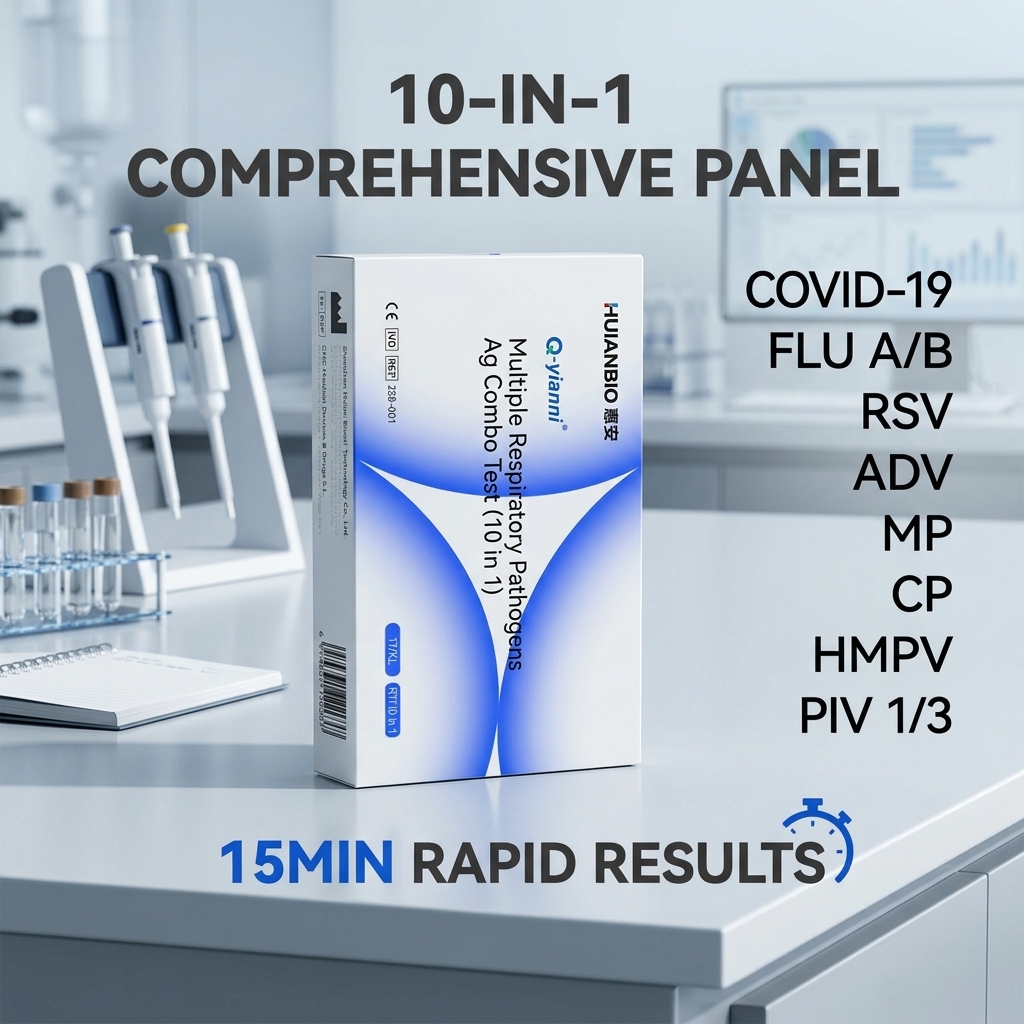
4. Evaluate OEM diagnostic kits with the same discipline
OEM diagnostic kits can help a distributor or healthcare brand meet local packaging, language, or portfolio needs. They also add responsibilities. Before approving an OEM arrangement, define who owns the technical file, who approves artwork, which changes require notice, and how private-label batches remain traceable to the original manufacturing lot. Do not assume that a new carton or brand name leaves the compliance review unchanged.
Ask the supplier to explain the minimum order quantity, sample and validation process, lead-time assumptions, and how they manage component substitutions. The right answer will be specific enough for your team to plan, while acknowledging that regulatory and transport conditions can change. A supplier that can provide a small trial order and a clear approval sequence may reduce uncertainty before a larger commitment.
5. Score service and supply resilience, not only unit price
Create a weighted supplier scorecard that your procurement, quality, and clinical stakeholders can use together. A typical scorecard includes documentation completeness, fit to intended use, lot traceability, quality issue handling, technical support, logistics readiness, pricing clarity, and commercial terms. Give higher weight to the factors that would interrupt patient-facing services if they fail.
| Evaluation area | Questions to ask | Evidence to request |
|---|---|---|
| Product fit | Does the Test Kit match the specimen, setting, and trained user? | Instructions for use and product specification |
| Quality control | How are lots released, identified, and investigated? | Lot example, quality procedure summary, complaint route |
| Market readiness | What is valid for the intended market and label language? | Product-specific documentation for review |
| Supply planning | What are the ordering, shelf-life, shipment, and change-notice practices? | Written quotation, lead-time assumptions, shipping plan |
| Support | Who answers technical questions and escalates incidents? | Named support process and response pathway |
Healthcare procurement teams should also test communication during qualification. Send a focused question about storage, lot documentation, or a product limitation and assess whether the response is timely, clear, and evidence-based. A supplier relationship is easier to manage when technical questions do not have to pass through several layers of sales messaging.
6. Use a controlled first order
Before awarding a long-term contract, consider a controlled first order when your policies and demand allow it. Agree acceptance criteria, document review points, delivery conditions, and a contact route for deviations. Train relevant staff on the instructions for use and on the process for isolating, recording, and reporting a suspected issue. This approach helps distinguish a capable IVD supplier from one that can only provide a quotation.
Do not expect a single Test Kit supplier to solve every clinical, regulatory, or operational question. Your internal quality and regulatory teams remain responsible for local decisions. However, a reliable supplier should make those decisions easier by supplying accurate documents, consistent lot information, realistic logistics communication, and accessible technical support.
Final procurement checklist
- Define the intended use, users, volume, and destination market.
- Review product-specific documents rather than relying on broad claims.
- Confirm lot traceability, expiry visibility, and issue-handling procedures.
- Assess OEM diagnostic kits for change control, labeling, and accountability.
- Score support, logistics, and quality responsiveness alongside price.
- Start with a controlled order and record lessons before scaling.
A defensible Test Kit selection process is evidence-led and collaborative. When procurement, quality, and end users evaluate the same information, they can choose a supplier with a clearer understanding of both the product and the long-term support required to use it responsibly.