 EN
EN
What Are the Common Blood Test Kits Used for Home Health Monitoring?
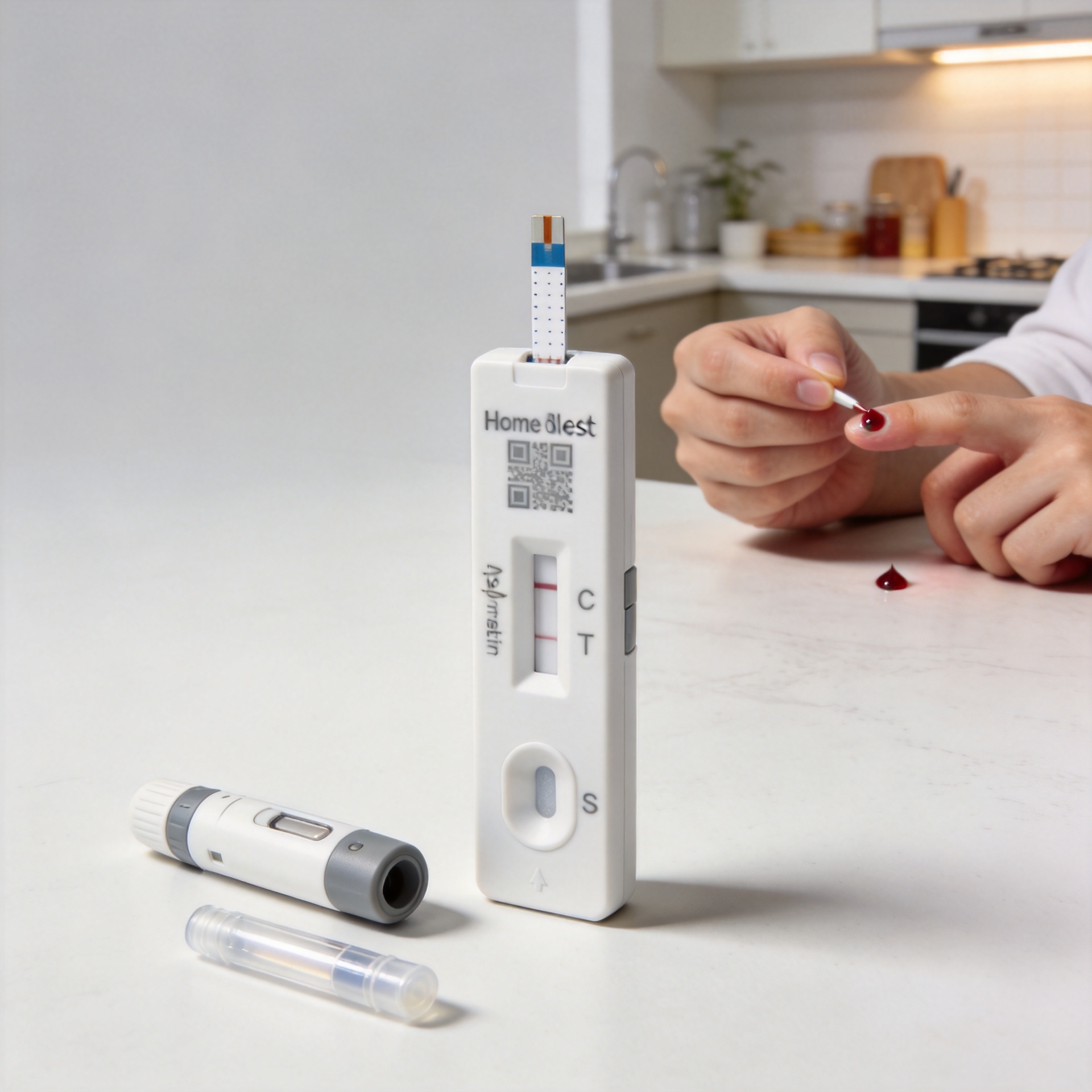
As someone who has spent years helping medical institutions and distributors source diagnostic equipment, I've watched the home health monitoring space shift from niche novelty to genuine mainstream demand. The global at-home testing kits market was valued at USD 7.89 billion in 2024 and is projected to reach USD 12.67 billion by 2032, growing at a compound annual growth rate of 6.10%. A significant portion of that growth is driven by the expanding category of blood-based home diagnostics—and understanding which blood test kit types are most commonly used, and for what purpose, is essential for anyone buying, distributing, or recommending these products.
Many people assume a single type of blood test kit can address all monitoring needs. That's not quite accurate. In reality, the category spans several distinct product types, each suited to different health goals, sample requirements, and accuracy expectations. Below is a practical breakdown of the most common types, along with guidance on what to look for when evaluating them.
1. Glucose and Diabetes Monitoring Kits
Diabetes and glucose monitoring kits represent the largest application segment in the self-testing market, accounting for approximately 28% of market share in 2025. For individuals managing diabetes or prediabetes, continuous or periodic blood glucose tracking is a clinical necessity, not just a wellness preference.
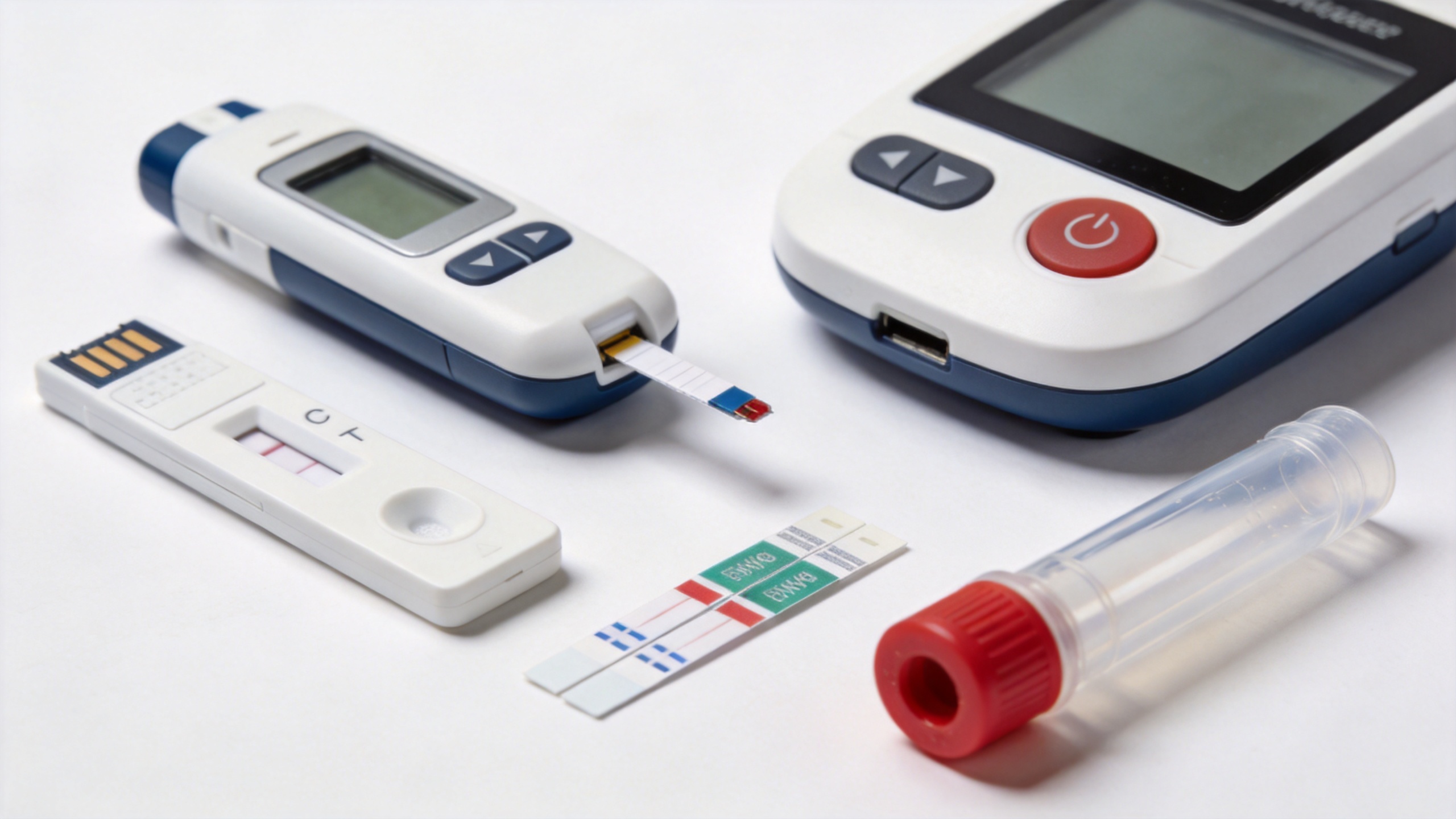
A standard glucose blood test kit typically includes a glucometer, test strips, a lancing device, and lancets. The finger prick blood test method is the standard sample collection approach—a small capillary blood sample is applied directly to the strip for analysis. If your primary goal is monitoring a known chronic condition, a glucose kit from a reputable manufacturer with clear calibration documentation and replacement strip availability is usually the right starting point. However, if daily tracking consistency matters more than occasional precision testing, look for kits with digital memory or app-connectivity features.
For distributors sourcing blood test panel kits wholesale, glucose kits typically represent the highest-volume, most stable product line in the home monitoring category due to the recurring consumable (strips) attached to each device.
2. Cholesterol and Lipid Panel Kits
Cholesterol home blood test kits allow users to measure total cholesterol, HDL, LDL, and triglycerides from a finger prick blood sample. These are widely used by individuals managing cardiovascular risk factors between clinical appointments.
Suppose you are overseeing procurement for a regional pharmacy chain considering stocking a home lipid monitoring line. In that case, the most relevant evaluation criteria are test accuracy versus laboratory standards, strip storage requirements, and whether the device provides a printed or digital record for healthcare provider review. Some kits test only total cholesterol; others provide a full lipid panel. Knowing which panel depth the target end-user needs helps narrow the selection significantly.
3. Complete Blood Count (CBC) and General Wellness Panels
Complete blood count kits and multi-analyte wellness panels have grown in popularity as consumers seek broader health snapshots from a single blood collection event. These products typically use a micro-sampling approach—a finger prick or lancet-based home blood collection kit generates a dried blood spot or micro-volume sample that is mailed to a certified laboratory for analysis.
This mail-in model is particularly common with at-home CBC and metabolic panel kits. A common assumption is that home blood test kit results are less reliable than clinical lab draws—but this varies by kit type and usage. FDA clearance data from a validated A1c home test system showed 97.5% of users collected valid samples with results equivalent to laboratory venous testing. Accuracy still depends on proper collection technique, storage conditions, and shipping handling, factors that matter considerably more for mail-in kits than for point-of-care strips.
4. Hormone and Endocrine Panel Kits
Hormone-related blood test kits cover a wide range: thyroid function (TSH, T3, T4), cortisol, estrogen, testosterone, progesterone, and FSH panels, among others. These kits are typically used by individuals monitoring fertility, menopause symptoms, thyroid conditions, or adrenal function between specialist appointments.
Most hormone panel kits rely on dried blood spot collection via a finger prick blood test, with samples mailed to an accredited laboratory. Turnaround time from sample collection to results typically ranges from 2 to 5 business days. For distributors evaluating blood test panel kits wholesale, hormone panels are a higher-margin category but require more careful attention to cold chain and stability documentation than glucose strips, since dried blood spot samples can degrade if exposed to heat or humidity during transit.
5. Vitamin, Mineral, and Nutritional Deficiency Kits
Vitamin D, vitamin B12, iron, ferritin, and omega-3 index kits are increasingly common in the wellness-oriented home testing segment. These kits typically use micro-sampling or dried blood spot collection and mail-in analysis.
Something worth noting when sourcing nutritional deficiency kits: a higher price tag does not automatically translate to more accurate results. The accuracy of a nutritional deficiency blood test kit is more directly determined by the laboratory's analytical method and accreditation status than by the kit's retail price. When reviewing supplier documentation for wholesale procurement, the critical credentials to verify are the laboratory partner's certifications, the specific analytical method used, and whether reference ranges are validated for the target population.
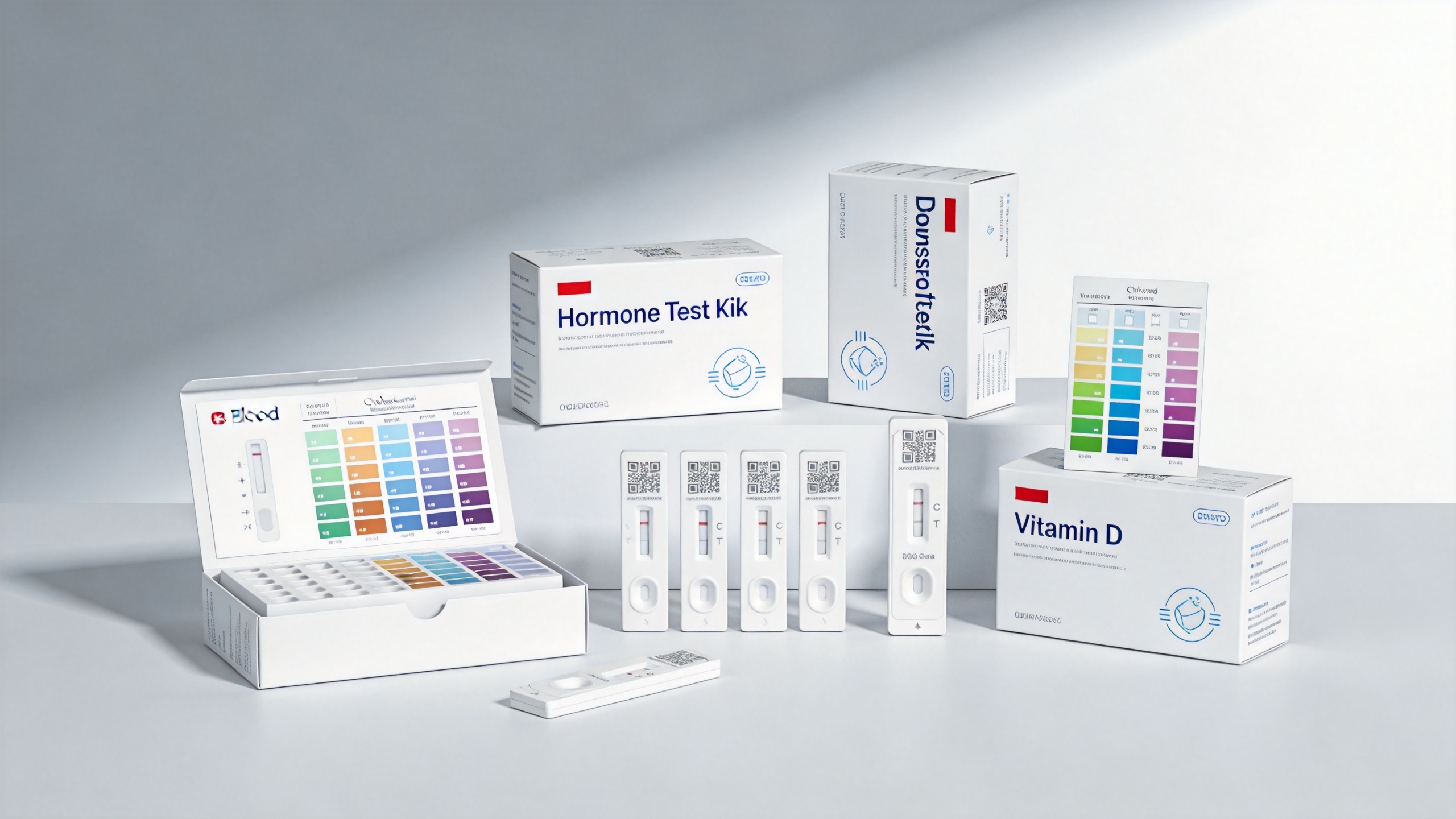
6. Blood Type Testing Kits
Blood type determination kits (ABO and Rhesus typing) represent one of the more straightforward home blood collection kit categories. These kits use a card-based agglutination method with a small capillary blood sample. They are single-use, require no special equipment, and deliver results within minutes.
While clinical utility is limited compared to more complex panels, blood type kits are popular consumer items and a useful addition to a home health kit product line for distributors serving pharmacies, health-and-wellness retailers, or emergency preparedness channels.
Choosing the Right Kit: Key Considerations
Rather than asking which blood test kit is the right choice outright, a more useful question is: which kit type is appropriate for this specific monitoring need, user profile, and use frequency?
- Condition being monitored: Chronic disease management (diabetes, lipid monitoring) favors reusable point-of-care devices with dedicated consumables. Periodic wellness screening typically suits mail-in micro-sampling kits.
- Frequency of use: Daily or weekly monitoring demands a low-cost-per-test model; quarterly screening panels can absorb a higher per-test cost.
- Accuracy requirements: If results will inform clinical decisions, verify laboratory accreditation and whether the kit has regulatory clearance (FDA, CE, or equivalent) in the target market.
- Storage and supply chain: Test strips and dried blood spot collection kits have different storage temperature ranges. For wholesale procurement of home blood test kits at scale, understanding storage requirements and minimum order stability is as important as unit price.
For healthcare distributors sourcing blood test panel kits wholesale, it is worth noting that the home monitoring segment rewards suppliers who can provide consistent product availability, proper regulatory documentation, and clear instructions for end users. Accuracy concerns from first-time users often stem from sampling technique, not kit quality—which is why comprehensive written or video instructions are a meaningful differentiator at the distributor level.
Final Notes
The home blood test kit category is not monolithic. Glucose monitoring kits, cholesterol panels, CBC mail-in kits, hormone panels, nutritional deficiency tests, and blood type kits each address distinct health monitoring needs and serve different buyer profiles. Understanding these differences—rather than treating all home blood test kits as equivalent products—is the foundation for making sound procurement decisions, whether you are sourcing for personal use, stocking a retail pharmacy, or evaluating suppliers for a larger distribution network.
If you are a healthcare distributor or institutional buyer looking to source home blood monitoring products reliably, consulting a supplier with demonstrated experience in diagnostic test kit export compliance and multi-market distribution can help you navigate product selection, documentation requirements, and supply continuity more efficiently.