 EN
EN

What Are the Benefits of POCT in Primary Care and Emergency Settings?
From a clinical lab technician's standpoint, the most immediate question when evaluating any diagnostic tool is not accuracy alone — it is time. How long does it take from sample collection to a result that changes what the clinician does next? That question is exactly what POCT was designed to answer.
Point-of-care testing (POCT) refers to diagnostic testing conducted at or near the patient's location, rather than sending samples to a central laboratory. The global POCT market forecast points to accelerating adoption, with market size reaching approximately USD 44.48 billion in 2025 and projected to grow to USD 125.33 billion by 2034 at a CAGR of around 12.20%. Healthcare systems worldwide are recognizing the practical value of decentralized diagnostics. But what does this shift mean for primary care clinics and emergency departments on the ground?
Why POCT Matters in Modern Healthcare Settings
Traditional laboratory testing has served medicine well for decades, but it carries an inherent constraint: the time between sample collection and result availability can range from one hour to several hours, depending on testing load, transport logistics, and laboratory throughput. For many routine consultations this delay is manageable. In time-sensitive clinical situations, it is not.
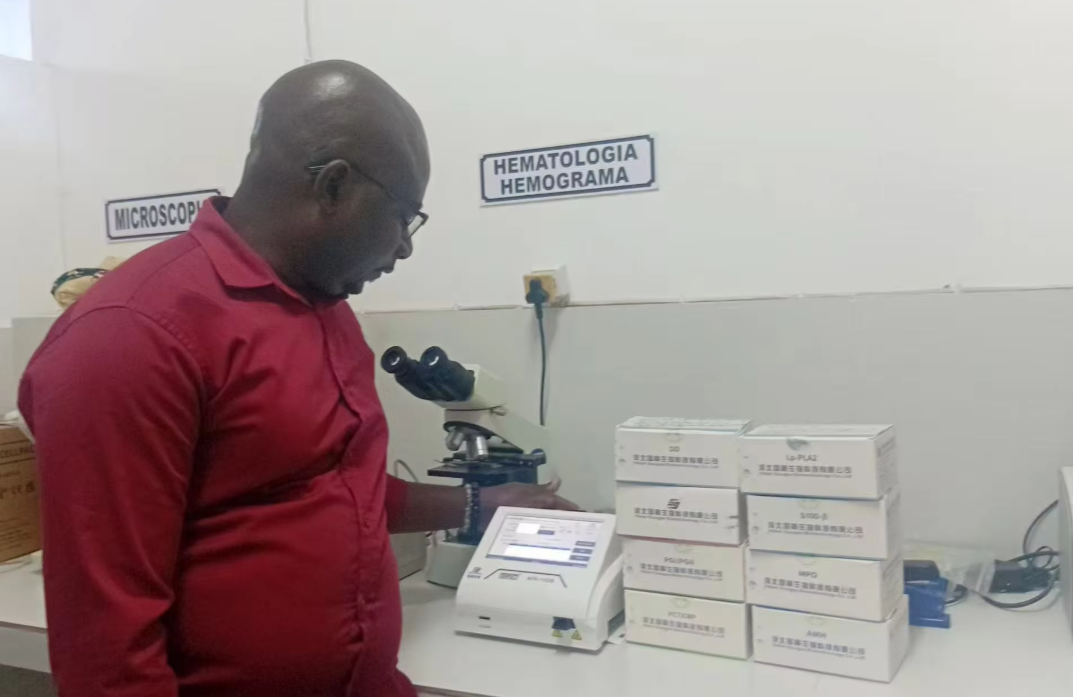
POCT addresses this gap by bringing testing to the patient, using point-of-care testing devices ranging from lateral flow assay strips to portable analyzers capable of running quantitative panels. POCT result turnaround is measured in minutes rather than hours, and that difference cascades through the entire care pathway.
Key Benefits of POCT in Primary Care
Suppose you are managing a busy primary care clinic with a moderate daily patient volume and limited on-site laboratory infrastructure. How long do your patients currently wait for a result that determines whether they receive a prescription or a referral? If the answer involves sending samples to an off-site lab and waiting until the following day, POCT changes that equation fundamentally.
Faster Decision-Making at the Point of Consultation
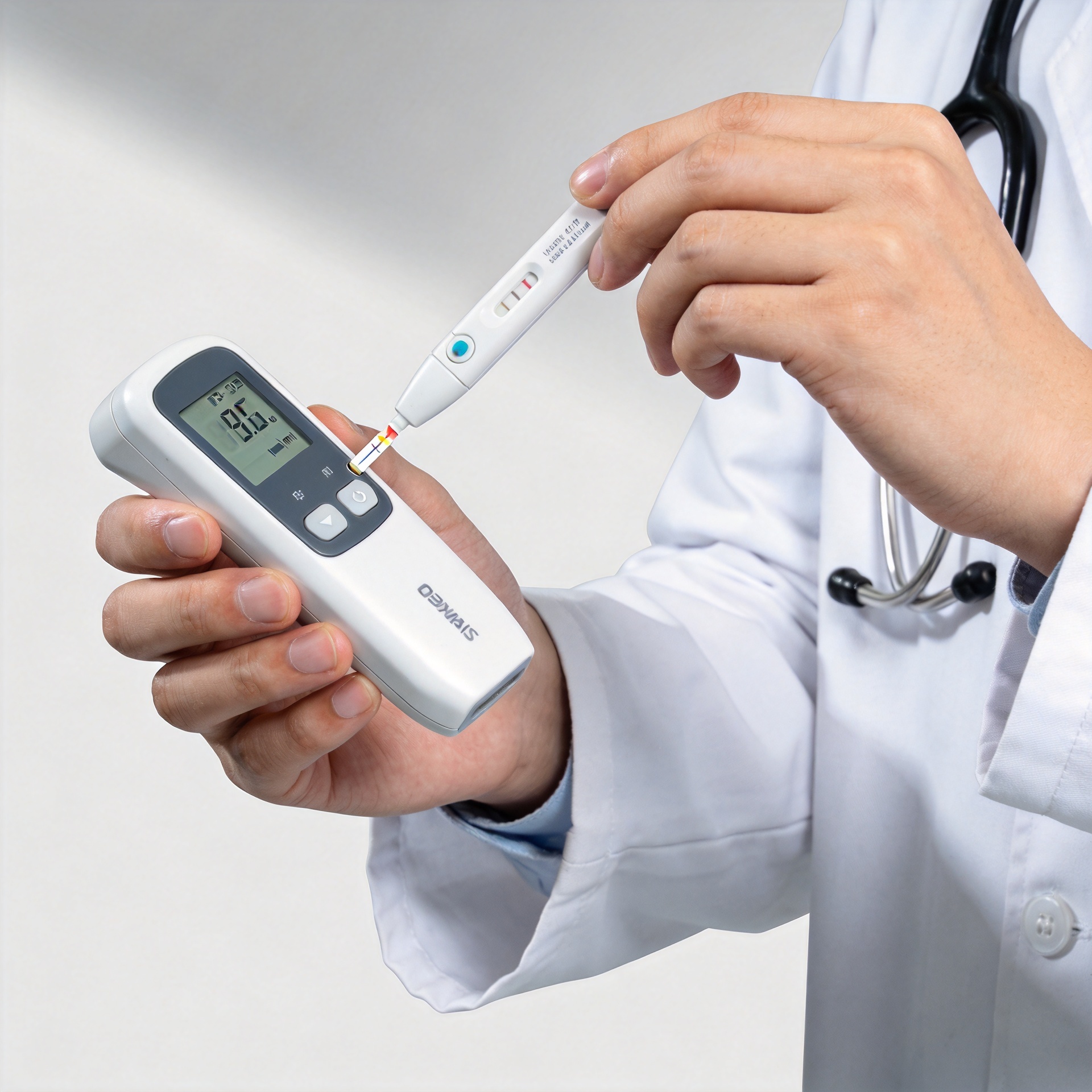
In primary care, POCT allows the clinician to receive results within the same consultation window, typically 10 to 30 minutes depending on the test type. This enables immediate patient counseling, allows the provider to explain results in context, and removes the uncertainty that comes from patients leaving without a confirmed diagnosis. When the result is available before the patient leaves the room, the quality of clinical interaction improves measurably. This is a core POCT program benefit that most sites see within the first months of deployment.
Reduced Antibiotic Overuse and Unnecessary Referrals
One of the most well-documented benefits of POCT in primary care is its role in antimicrobial stewardship. Published clinical guidance confirms that POCT enables confirmation of viral illness, such as influenza or COVID-19, which helps prevent unnecessary antibiotic prescriptions that contribute to resistance. In primary care contexts where confirmation of bacterial versus viral infection guides prescribing, a reliable negative result is clinically as valuable as a positive one.
Beyond prescribing, POCT rapid test kits for common conditions, including streptococcal pharyngitis, urinary tract infections, or respiratory syncytial virus, allow primary care providers to make same-visit referral decisions. This reduces secondary care referrals and improves throughput in resource-constrained settings.
Improved Patient Access and Satisfaction
For patients in underserved or remote communities, access to same-day diagnostic results can be transformative. POCT removes the need for a follow-up visit or phone call to relay results, reduces patient anxiety during the waiting period, and in some cases enables treatment to begin immediately rather than after a multi-day diagnostic lag.
POCT in Emergency Department Settings: A Different Kind of Value
The emergency department (ED) environment demands a different emphasis. Here, the question is less about convenience and more about triage speed and disposition decisions. Patients arriving with chest pain, dyspnea, or sepsis symptoms require rapid POCT-enabled diagnostic decisions on admission, discharge, or escalation to intensive care.
Reduced Turnaround Time and Length of Stay
Published clinical data from emergency settings illustrates the magnitude of POCT impact. In studies examining D-dimer testing, implementing POCT reduced turnaround time from approximately two hours to around 25 minutes, contributing to reductions in ED length of stay of approximately 87 minutes. Separate research found that POCT-based workflows reduced overall patient length of stay by approximately 88 minutes, from a median of 247 minutes to 158 minutes, with a similar reduction in time to disposition decision.
These are not marginal improvements. In an ED operating near capacity, an average 87-minute reduction in length of stay per patient generates meaningful throughput gains across an entire shift, validating POCT as an ED throughput tool.
Time-Sensitive Diagnoses and Immediate Treatment Pathways
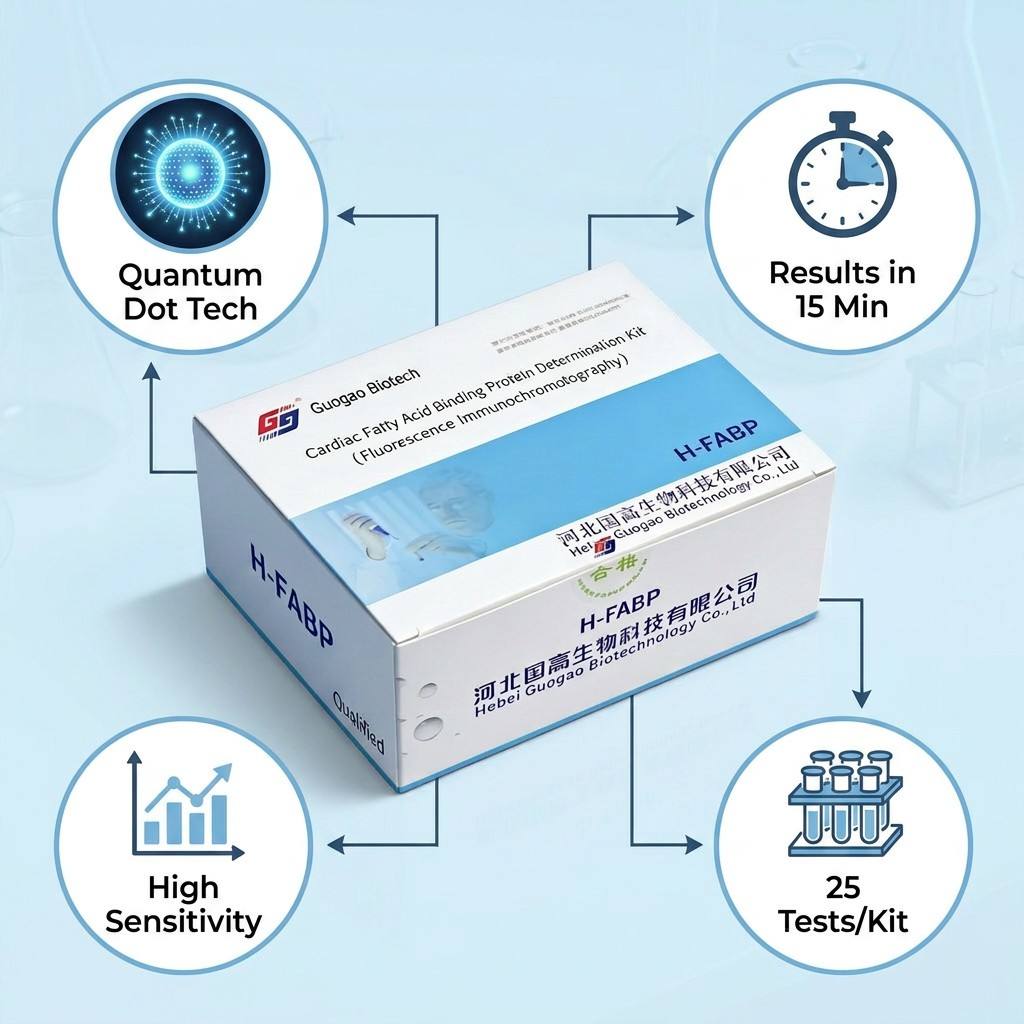
For acute conditions such as cardiac troponin elevation, sepsis markers, or blood glucose management in diabetic emergencies, waiting for central laboratory results can delay treatment by the exact window that matters most. A handheld POCT analyzer capable of returning troponin or lactate results within 15 minutes at the bedside enables the emergency clinician to initiate treatment, or rule out serious pathology, without the patient leaving the triage bay.
That said, POCT results in the emergency setting should be understood as rapid decision support rather than final diagnostic conclusions. For conditions requiring confirmatory testing, such as certain infectious disease diagnoses, coagulation disorders, or complex metabolic panels, POCT screening is the first step, not the endpoint. Most POCT devices are calibrated for triage use; confirming this with your supplier sets realistic test expectations. For formal diagnostic reporting, laboratory confirmation should be considered based on clinical context.
Choosing Between Handheld Analyzers and Rapid Test Kits
The selection between a dedicated handheld POCT analyzer and lateral flow-based POCT rapid test kits often comes down to the specific test menu required, the volume of daily testing, and the qualification level of the personnel performing the test. POCT selection also reflects the site's existing infrastructure and connectivity requirements.
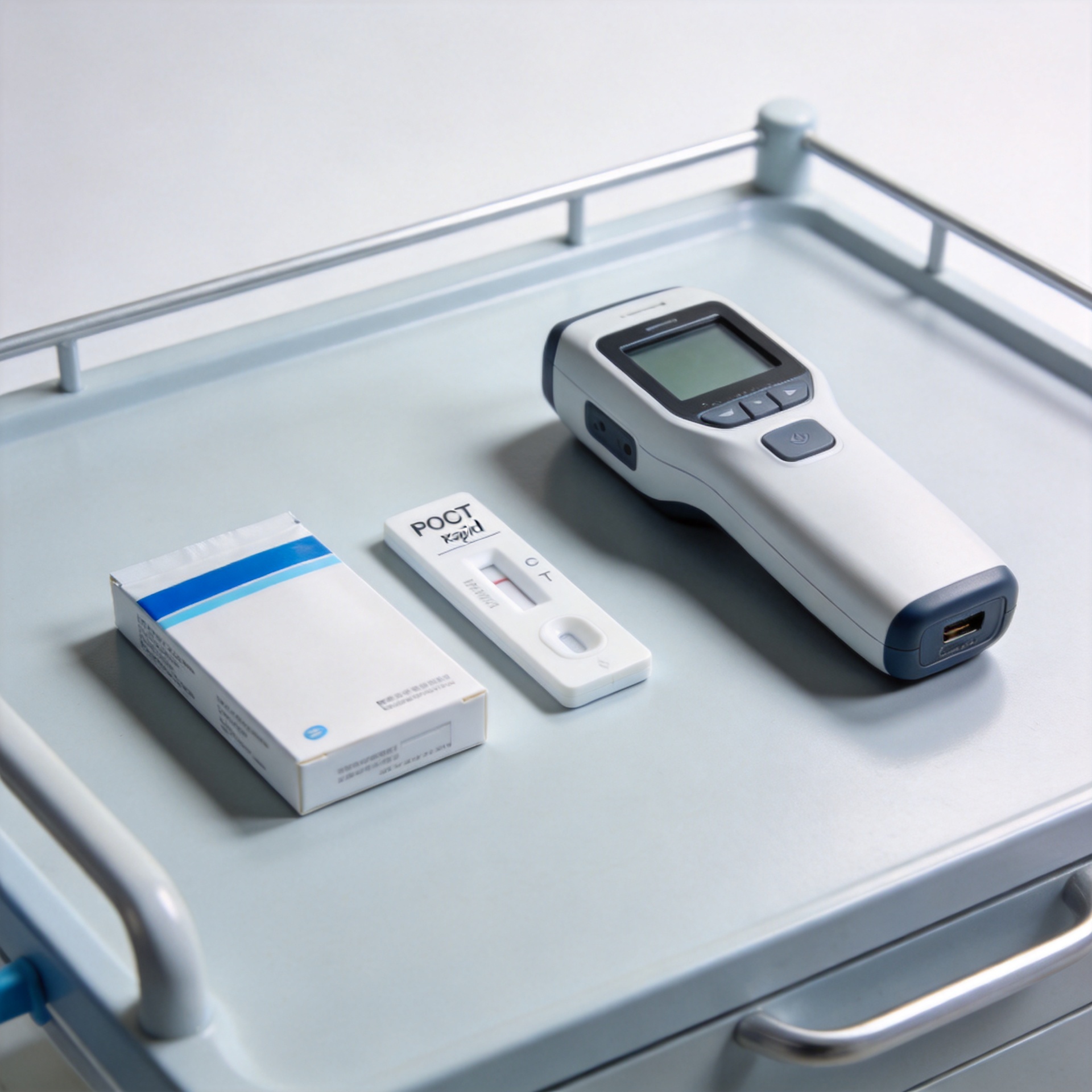
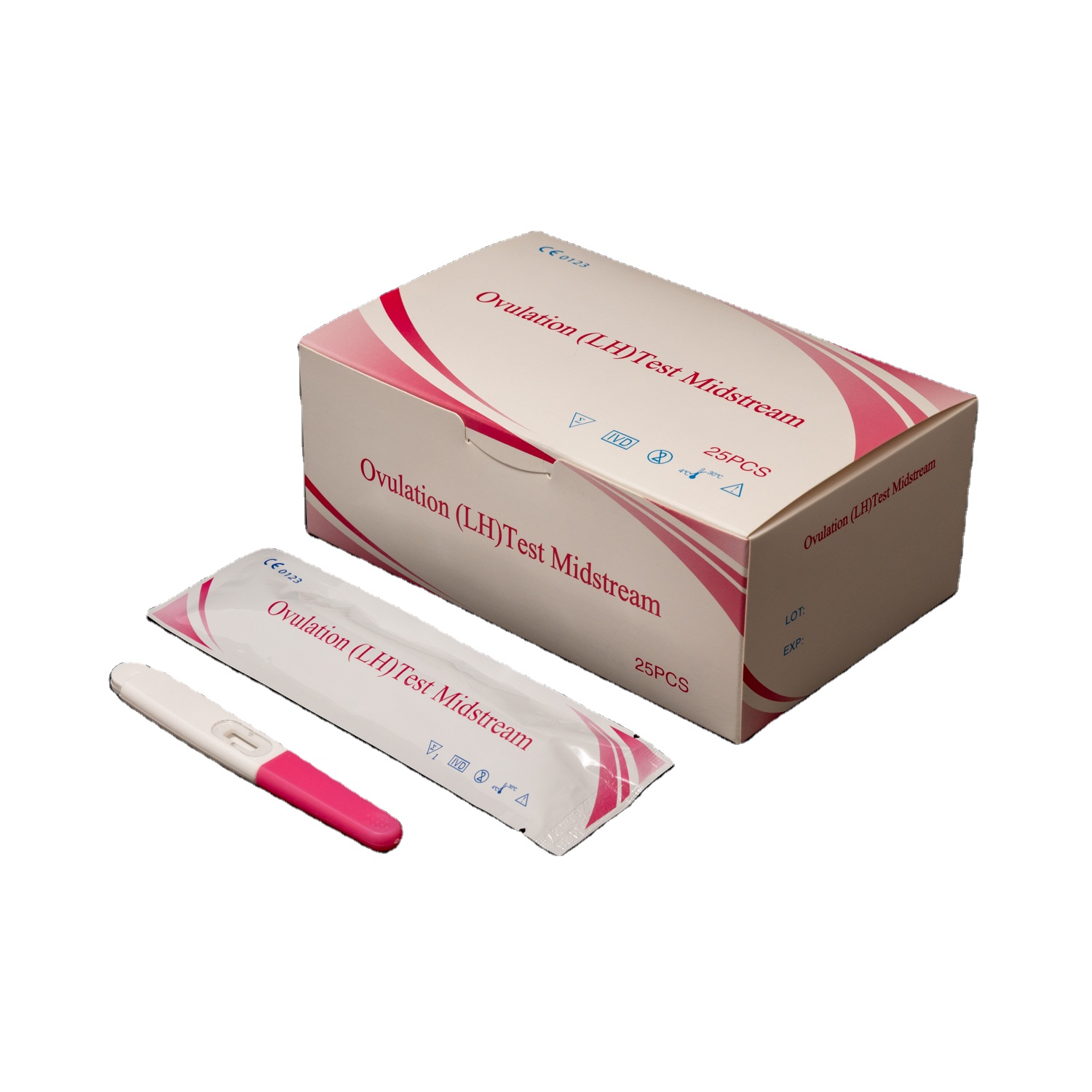
Rapid test kits offer simplicity, low cost, and minimal training, suited for primary care clinics, community health centers, or low-volume single-test settings. Handheld analyzers offer broader test menus, quantitative output, and connectivity with electronic health record systems, making them more appropriate for emergency departments or higher-volume primary care settings where multiple parameters may be needed from a single sample draw.
If your priority is rapid screening of a single target pathogen during a surge period (influenza season, for example), point-of-care testing devices in strip or cassette format will often be the most cost-effective approach. If your setting requires cardiac marker panels, electrolytes, or complete blood count at point of care, a portable POCT analyzer with a broader panel capability will serve better.
Implementation Considerations
Before deploying POCT in either setting, a few practical points are worth confirming:
- Regulatory status: Confirm that the POCT devices or kits you are sourcing carry the appropriate regulatory clearances for your target market, such as CE marking for European markets or applicable national medical device registration certificates.
- Quality control requirements: Most POCT programs require documented internal quality control procedures. Ensure your POCT supplier can provide the appropriate quality documentation and support your QC setup.
- Staff training: Even simple POCT lateral flow devices require standardized technique for consistent results. Performance gaps between trained and untrained POCT operators matter significantly in practice.
- Cold chain and storage: Many POCT rapid test kits have storage temperature requirements that must be maintained through the supply chain. Verify that your logistics and storage arrangements can reliably meet these requirements.
Looking Ahead: The Expanding Role of POCT
The POCT market forecast trajectory represents a sustained structural shift in how diagnostic capacity is being distributed. Growth is driven by expanding healthcare infrastructure, rising chronic disease burden, and increasing POCT adoption in emerging markets across Asia, Africa, and Latin America. For primary care providers and emergency departments, POCT creates practical opportunities to improve care delivery without requiring major capital investment in central laboratory infrastructure.
The case for POCT in clinical settings is broadly documented in published literature. Faster decision-making, reduced unnecessary prescribing, shorter length of stay, and improved patient throughput are measurable benefits observed across both primary care and emergency settings. For procurement teams evaluating which POCT solution most closely matches their workflow, the key questions are not whether POCT adds value, but which test menu, device format, and supply chain arrangement delivers that value most reliably for their specific context.
Beijing Jiachuang Jiuhe Global Trade Co., Ltd specializes in the import and export of diagnostic test kits and detection instruments, supporting medical device wholesalers, hospitals, and clinics across Asia, Europe, Africa, and beyond. For procurement inquiries or product information, please reach out via jiuhekit.com or contact our team directly.