 EN
EN
The Role of Ovulation Test Kits in Natural Conception and Fertility Awareness
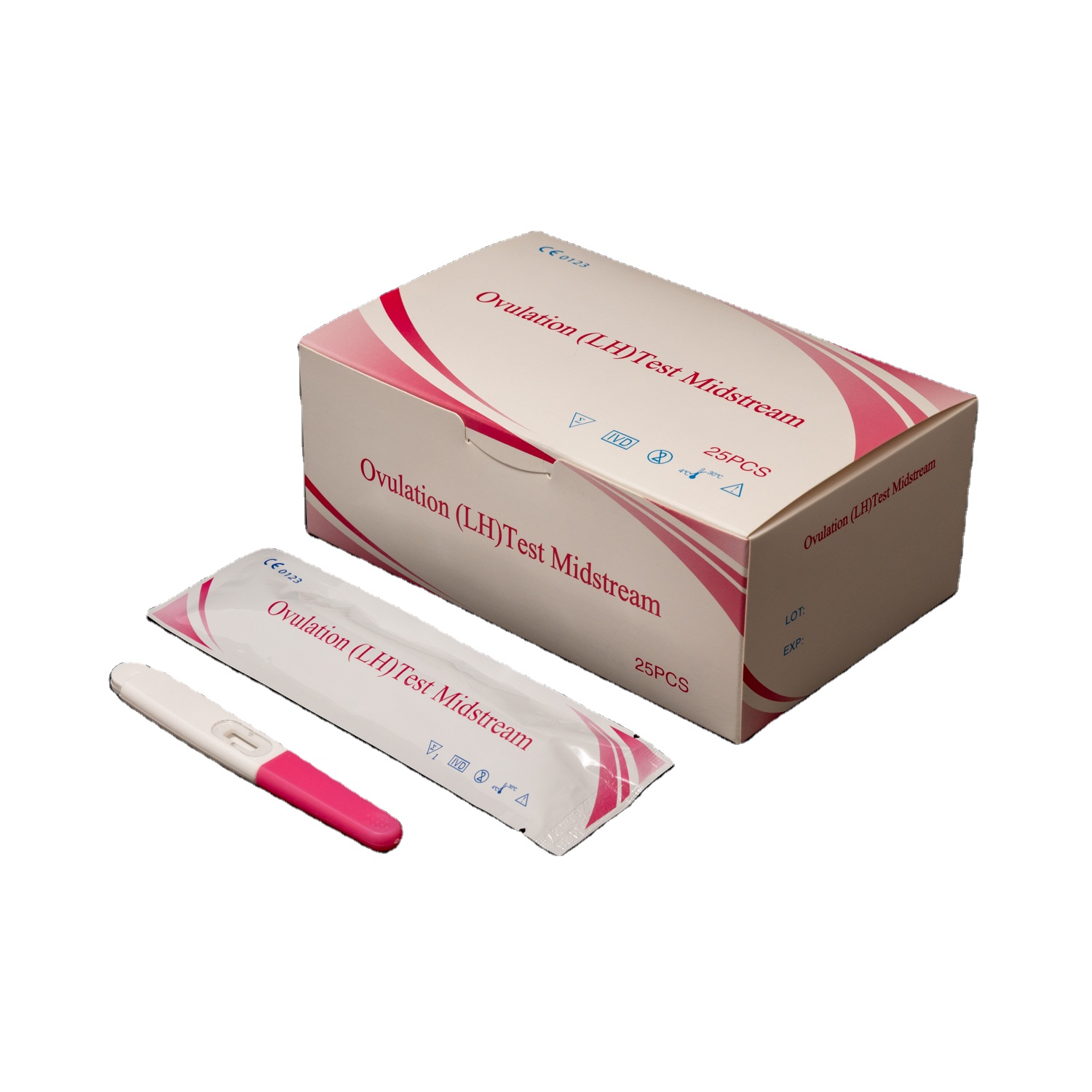
When couples decide to start a family, understanding the body's natural fertility cycle becomes one of the most practical first steps. An ovulation test kit offers a straightforward way to identify the narrow fertile window in each menstrual cycle — typically a 24- to 48-hour period when conception is most likely. As demand for at-home fertility diagnostics continues to grow, understanding how these tools work, where they fit in the broader reproductive health landscape, and what drives global procurement decisions has become increasingly relevant for healthcare distributors, pharmacy chains, and wellness retailers alike.
Why the Market for Ovulation Test Kits Is Expanding
The numbers tell a clear story. The global ovulation testing kits market is expected to reach USD 3.0 billion in 2026 and is projected to grow to USD 4.6 billion by 2033, reflecting a compound annual growth rate of 6.4%. Much of this growth is driven by two converging trends: rising rates of delayed family planning in high-income markets and increasing access to self-care diagnostics in emerging economies.
The World Health Organization estimates that roughly 1 in 6 people of reproductive age globally experience some form of infertility — a figure that reinforces sustained demand for accessible conception-support tools. In this context, an ovulation predictor kit is often one of the first products a couple reaches for before consulting a fertility specialist. It is non-invasive, affordable, and available over the counter in most markets.
Asia Pacific is projected to register the highest growth rate through 2033, driven by expanding fertility awareness, rising e-commerce penetration, and growing consumer comfort with self-administered diagnostics across markets like China, India, and Southeast Asia. For manufacturers and distributors with a focus on global export, this regional trajectory is worth tracking closely.
How an Ovulation Test Kit Actually Works
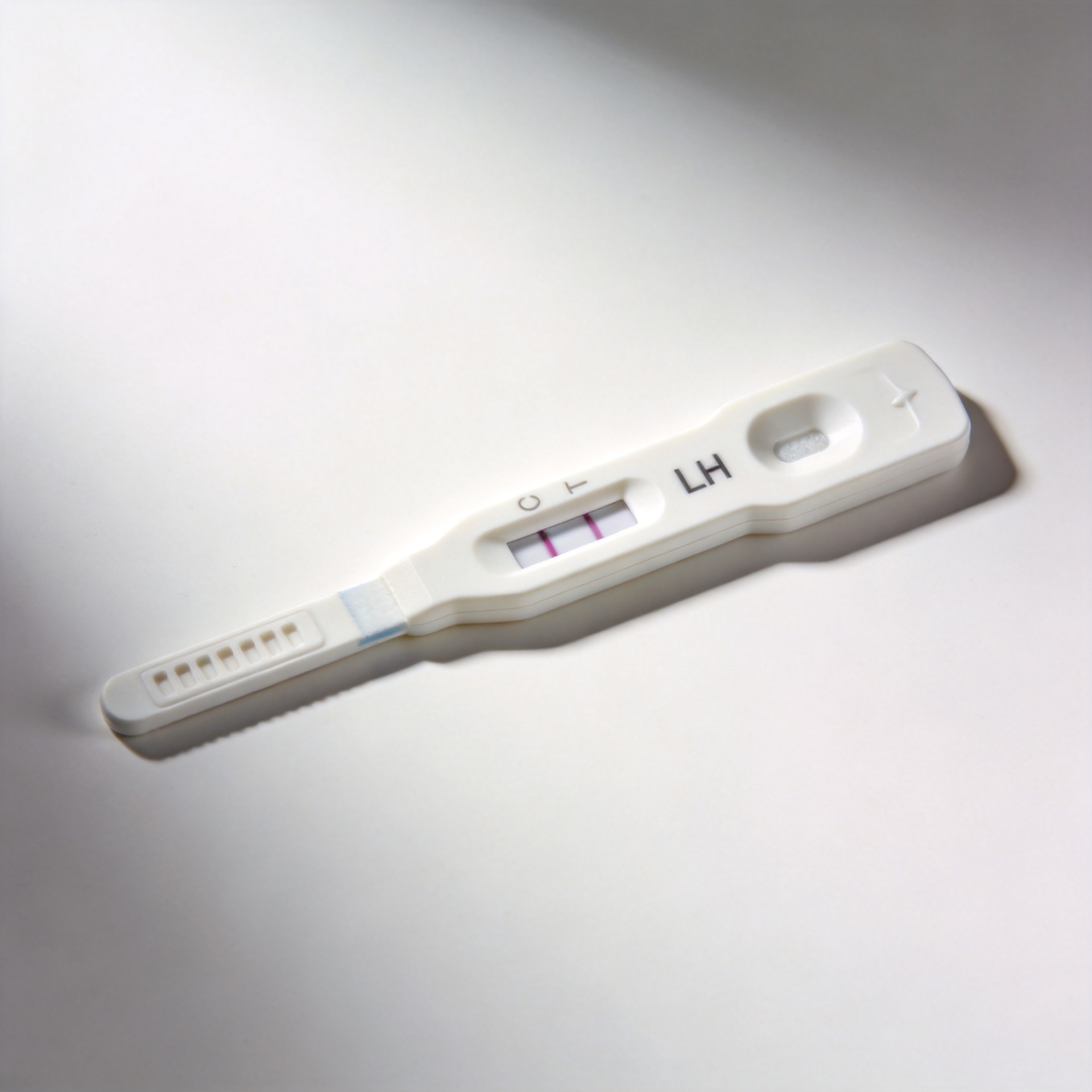
At the core of most ovulation test kits is a straightforward biochemical signal: the luteinizing hormone (LH) surge. Approximately 24 to 36 hours before ovulation occurs, LH levels in urine rise sharply. A standard LH ovulation test strip uses a lateral flow immunoassay — the same basic mechanism used in many rapid diagnostic tests — to detect this surge above a defined threshold, typically in the range of 20–25 mIU/mL for most consumer-grade strips.
Once a positive result appears (usually indicated by a test line equal to or darker than the control line), the user can reasonably infer that ovulation is likely within the next 1 to 2 days. Most kit instructions recommend testing at the same time each day, preferably in the afternoon when LH concentrations tend to peak.
If your testing window is consistent and the cycle is relatively regular, this approach is usually reliable. That said, for users with polycystic ovary syndrome (PCOS) or other hormonal variability, LH levels can fluctuate in ways that produce multiple positive readings without a corresponding ovulation event — a limitation worth acknowledging when advising end users or clinical buyers on test selection.
Types of Ovulation Test Kits: Strips, Cassettes, and Digital Monitors
Not all products in this category perform the same function. Understanding the distinctions helps procurement teams and distributors match the right product to the right end-use context.
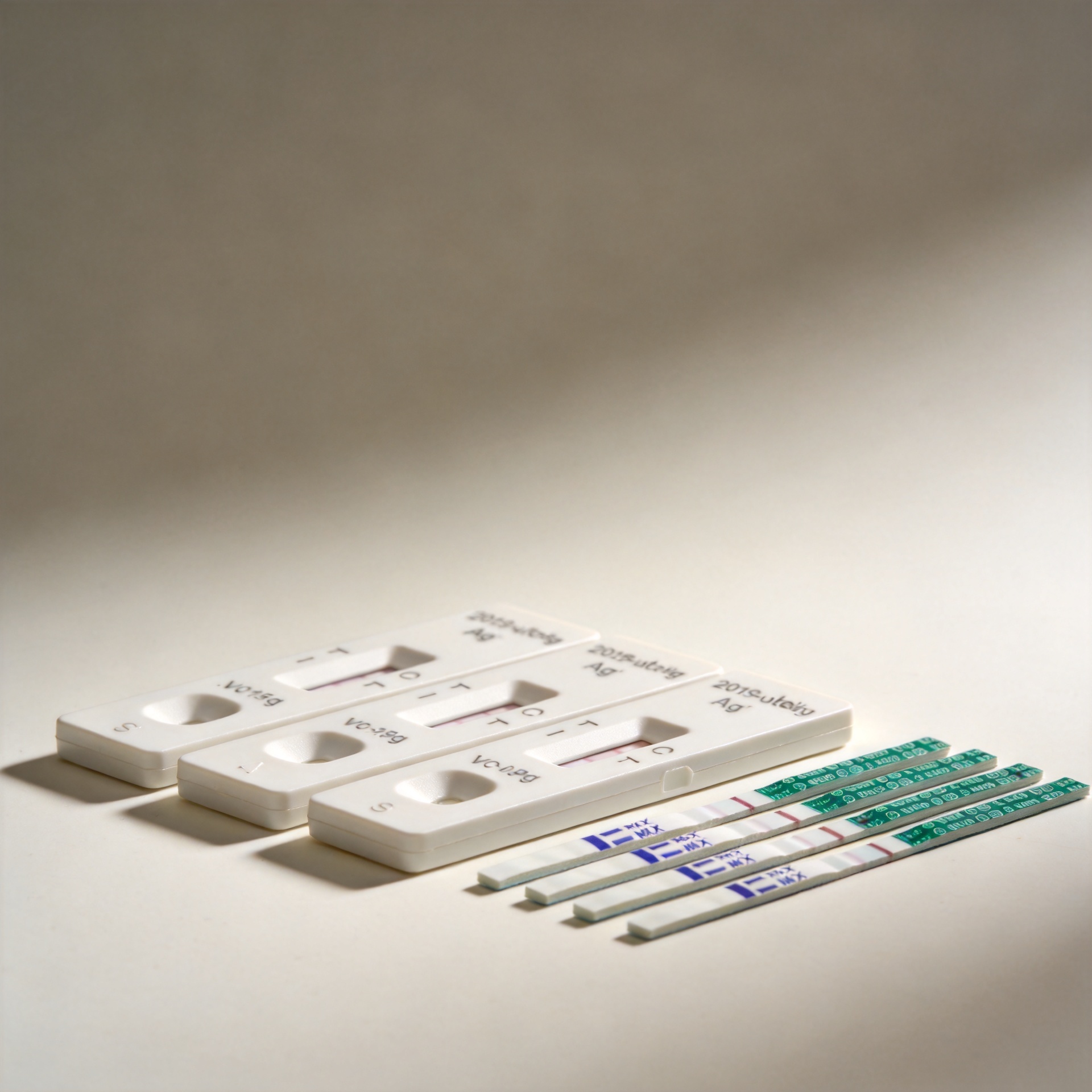
- LH ovulation test strips represent the largest and most established segment. Urine-based test kits account for approximately 91.8% of the global ovulation testing kits market in 2026. These strips are cost-effective, easy to scale for high-volume supply, and do not require additional reader devices.
- Cassette-format kits offer a more enclosed test unit suited to clinical or pharmacy-dispensed settings where handling is more formalized and a clearly readable result window is preferred.
- Digital ovulation predictor kits add a reader device that interprets the test line digitally, displaying results as "Peak," "High," or a numerical LH value. While the per-unit cost is higher, the digital format reduces user interpretation error — a relevant advantage for users unfamiliar with analog line reading.
- Fertility monitor strips go a step further by tracking both LH and estrogen (estradiol) levels over a cycle, providing a broader fertility window rather than just a one-day LH peak signal. These are typically used with a dedicated fertility monitor device and are positioned at a higher price point.
Think about the distribution context you are sourcing for. If you are supplying independent pharmacies in markets where cost sensitivity is high, high-sensitivity LH strips with a competitive per-unit price and reasonable shelf life will likely outperform digital options in volume terms. If you are supplying fertility clinics or hospital outpatient departments, a digital or combo LH-estrogen format may better reflect the clinical environment's expectations for clear, actionable output.
Procurement Considerations for Wholesale Buyers
For those involved in ovulation test strips wholesale procurement or distribution, several factors beyond retail price deserve careful evaluation before supplier selection.
Sensitivity threshold consistency. LH strip performance varies meaningfully between manufacturers. Strips calibrated for a 20 mIU/mL detection threshold will identify the LH surge earlier in its rise than strips set at 25 or 30 mIU/mL , affecting how early users receive a positive reading. The right sensitivity level depends on the intended use setting, but batch-to-batch consistency in sensitivity is what separates reliable supply from one that generates inconsistent end-user feedback.
Regulatory compliance for target markets. Export compliance for ovulation test kits varies by region. CE marking covers most European markets; FDA 510(k) clearance is required for the United States; and individual country registrations apply across Southeast Asia and Africa. Distributors entering new markets should confirm product registration status before committing to large-volume orders — a lesson often learned the hard way when cargo arrives at port without the necessary import documentation.
A common misconception in bulk procurement is that higher price automatically equals higher accuracy. In practice, many mid-range LH strips use the same lateral flow technology as premium branded products. What often distinguishes a reliable OEM supplier is not the price point but the quality management system behind the batch production: documented internal quality control records, stability testing under defined storage conditions, and consistent lot release criteria.
The Broader Fertility Awareness Context
Ovulation test kits do not exist in isolation. They sit within a broader ecosystem of fertility awareness tools that includes basal body temperature charting, cervical mucus observation, period tracking apps, and, at the clinical end, hormonal blood tests and ultrasound monitoring. For most individuals attempting natural conception, an ovulation predictor kit offers the most practical balance of immediacy and information: a urine test that takes a few minutes and provides a same-day actionable result.
The growth of fertility tracking mobile applications has also expanded the way test results are used. Many digital OPK systems now sync with companion apps to build a longer-term picture of cycle patterns — moving from a single-cycle view to a multi-cycle fertility profile. This integration is accelerating consumer expectations around data continuity, which in turn influences what end users look for when selecting or recommending products.
Suppose you are advising a pharmacy chain that wants to expand its reproductive health category. If the customer base skews toward younger, tech-savvy users who are already tracking their cycles with an app, offering a connected digital test kit alongside a more affordable LH strip option may increase basket value and repurchase frequency. If the customer base is more cost-sensitive or less familiar with fertility tracking, a straightforward high-sensitivity LH strip with clear instructions addresses the core need without unnecessary complexity.
What to Look for in a Reliable Ovulation Test Kit Supplier
As demand for reproductive health diagnostics continues to grow across both developed and emerging markets, the sourcing landscape for ovulation test kits is becoming more competitive. When evaluating suppliers — whether for OEM labeling, private label, or branded product distribution — the factors that matter most are less about the test format and more about operational reliability: consistent sensitivity performance across production batches, clear documentation for regulatory submission in target markets, and the ability to scale volume delivery reliably over time.
It is also worth confirming whether the supplier can provide products calibrated to your target market's preferred sensitivity threshold, and whether multi-language labeling or packaging customization is available if you are distributing across diverse geographic regions. These details rarely appear in a standard product catalog but tend to surface at the wrong moment — after shipment arrives and the packaging does not meet local shelf standards.
The ovulation test kit category is one where consistent product performance, supply reliability, and documentation quality often matter more than the per-unit price alone. For distributors and wholesale buyers navigating a growing but competitive market, those supply chain fundamentals are the factors most worth spending time on early in the supplier evaluation process.