TNF Alpha ELISA Kit for Inflammation Research | Jiuhe

showlist/tnf-alpha-elisa-kit, showlist/tnf-alpha-elisa-kit, 
Inquiry
Inquiry
Reliable Tnf Alpha Elisa Kit Testing for Cytokine Research

Reliable Tnf Alpha Elisa Kit Testing for Cytokine Research

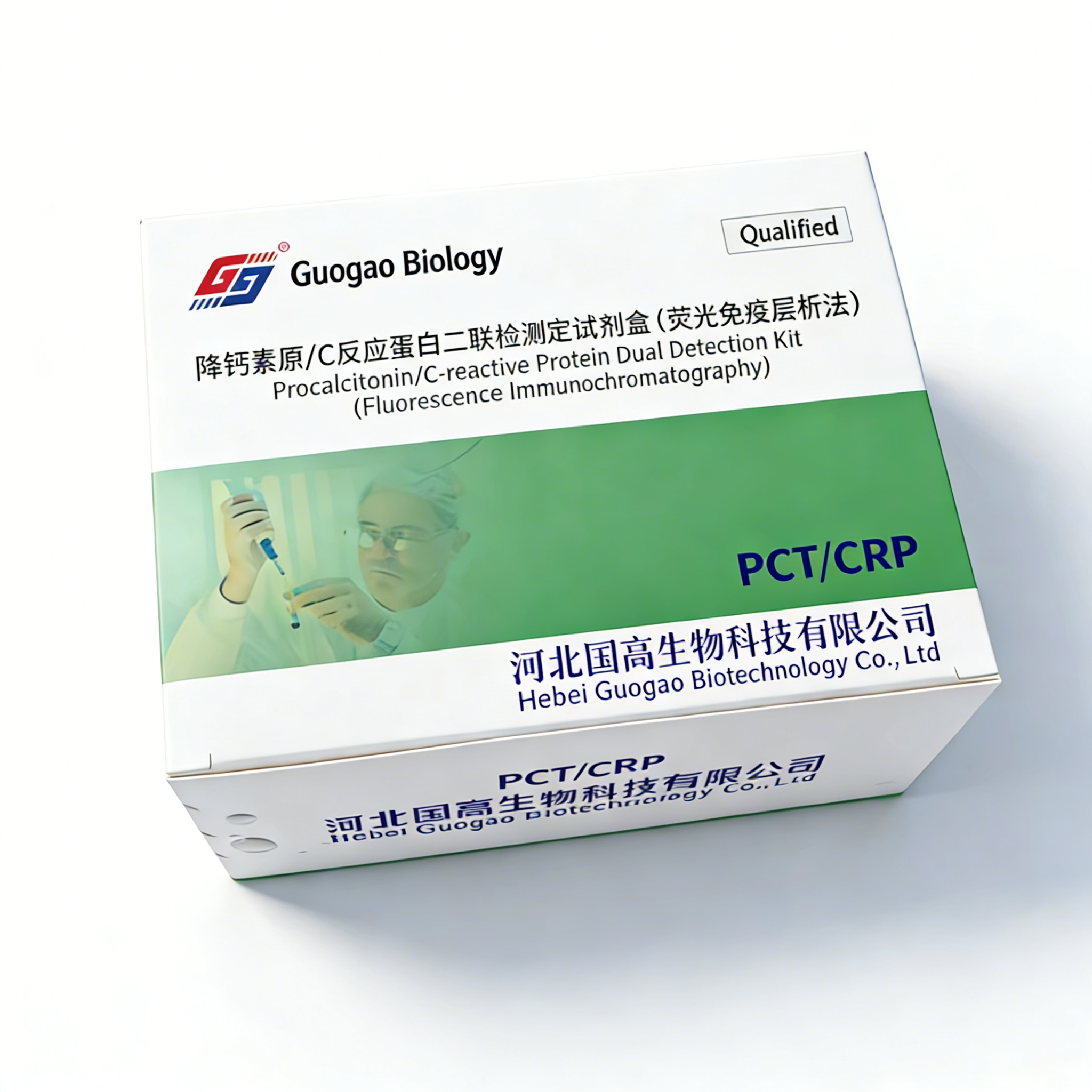
Jiuhe Kit provides Tnf Alpha Elisa Kit solutions for laboratories investigating inflammation, immune signaling, and cytokine responses. The assay supports quantitative TNF-alpha measurement in validated research samples, helping teams compare experimental groups with a consistent analytical workflow. It is suitable for biomedical studies, cell culture research, biomarker screening, and controlled inflammation experiments. For laboratories processing 40 to 60 samples, organized reagent preparation and standardized incubation can simplify batch management and improve traceability. A research group studying inflammatory responses across 48 samples, for example, can use Tnf Alpha Elisa Kit testing to generate comparable measurements alongside other biomarkers. This practical workflow helps researchers collect structured cytokine data for subsequent statistical analysis and research documentation.
Get A Quote

Case Study

Cytokine Screening for Inflammation Research

A biomedical laboratory used Tnf Alpha Elisa Kit testing to examine inflammatory responses across 48 serum samples from control and experimental groups. Researchers followed a standardized sequence for sample preparation, reagent addition, incubation, washing, and signal development. The workflow helped the team organize measurements by experimental condition and maintain traceable sample records. Tnf Alpha Elisa Kit results were reviewed alongside additional inflammatory markers to provide broader biological context. The project demonstrated how a structured cytokine assay can support medium-sized research batches without adding unnecessary complexity to routine laboratory procedures. For studies comparing multiple treatment conditions, consistent handling is particularly important because it helps researchers evaluate changes in TNF-alpha levels more systematically.

Cell Culture Cytokine Monitoring

A university research team incorporated Tnf Alpha Elisa Kit analysis into a cell culture experiment examining cytokine responses over several time points. The study included 36 samples collected during controlled experimental stages. Researchers used the same preparation and measurement sequence for each batch, allowing TNF-alpha results to be compared across time points. The assay data contributed to an evaluation of inflammatory signaling together with cell-response indicators. Tnf Alpha Elisa Kit testing provided a practical quantitative component within the wider experimental design, particularly where repeated measurements were required. This case shows how laboratories can integrate cytokine testing into scheduled research workflows while keeping sample identification, processing records, and result interpretation organized throughout a multi-stage cell culture investigation.

Biomarker Evaluation in Laboratory Research

A contract research laboratory selected Tnf Alpha Elisa Kit testing for a biomarker project involving 60 research samples. The objective was to compare TNF-alpha concentrations between defined study groups as part of an inflammation-focused investigation. Technicians organized samples into manageable testing batches and maintained consistent incubation, washing, and detection procedures. Tnf Alpha Elisa Kit results were documented with sample identifiers and experimental conditions before statistical review. The workflow supported efficient handling of a moderate sample volume while providing quantitative cytokine information for broader research analysis. This example illustrates how TNF-alpha testing can fit into commercial laboratory projects where researchers need structured measurements, clear documentation, and repeatable procedures across several experimental groups during a defined study period.

Jiuhe Kit develops Tnf Alpha Elisa Kit solutions for research laboratories studying inflammation, immune regulation, and cytokine signaling. The assay uses antibody-based recognition and enzyme-linked detection to quantify TNF-alpha in validated research samples. A typical workflow includes sample preparation, reagent addition, controlled incubation, washing, substrate development, and signal measurement. Standardized operation is important when laboratories compare experimental groups or repeated time points. For example, a 48-sample inflammation study can organize TNF-alpha measurements by control and treatment groups, then combine results with complementary biomarkers for broader analysis. Tnf Alpha Elisa Kit testing can support cell culture research, biomarker screening, and investigations requiring quantitative cytokine data. Jiuhe Kit focuses on laboratory workflows, production, and research-oriented assay applications, helping customers manage cytokine testing with clear procedures, organized sample records, and consistent analytical practices.

Frequently Asked Questions

What is a Tnf Alpha Elisa Kit used for?

Tnf Alpha Elisa Kit is commonly used to quantify tumor necrosis factor-alpha in research samples. Laboratories may apply it to inflammation studies, immune-response investigations, cell culture experiments, or biomarker screening. The exact sample types and validated applications depend on the specific assay instructions and research design.
Researchers should consider sample compatibility, detection range, sensitivity, assay format, reagent stability, storage requirements, and laboratory equipment. They should also review validation information and intended research applications. Matching the Tnf Alpha Elisa Kit to the sample matrix and experimental objective helps establish an appropriate and reproducible testing workflow.
Tnf Alpha Elisa Kit generally uses specific antibodies to capture or recognize TNF-alpha, followed by enzyme-linked detection and substrate development. After incubation and washing steps, the resulting signal is measured with suitable equipment. Researchers compare sample signals with standards to estimate TNF-alpha concentrations within the validated analytical range.
Tnf Alpha Elisa Kit can support research involving inflammatory signaling, immune responses, cytokine interactions, and biomarker evaluation. It provides quantitative information that researchers can compare across control and experimental groups. In a multi-group study, standardized testing can help organize TNF-alpha measurements alongside complementary biological indicators.
Laboratories should follow the assay instructions for sample collection, storage, dilution, incubation, washing, and measurement. Consistent handling is especially important when comparing several batches. Researchers should use appropriate controls and validated procedures to reduce avoidable variation and maintain reliable records throughout their TNF-alpha research workflow.

Related article

Precise HbA1c Rapid Test Kit for Diabetes Care | Jiachuang Jiuhe

16

Sep

Precise HbA1c Rapid Test Kit for Diabetes Care | Jiachuang Jiuhe

View More
Accurate AMH Rapid Test Kit for Ovarian Reserve Assessment | Jiachuang Jiuhe

16

Sep

Accurate AMH Rapid Test Kit for Ovarian Reserve Assessment | Jiachuang Jiuhe

View More
What Are the Steps in Developing and Validating a New Diagnostic Kit?

16

Sep

What Are the Steps in Developing and Validating a New Diagnostic Kit?

Learn the key steps in development and validation of a new diagnostic kit: formulation, clinical testing, regulatory approval, manufacturing.
View More
The Role of Ovulation Test Kits in Natural Conception and Fertility Awareness.

16

Sep

The Role of Ovulation Test Kits in Natural Conception and Fertility Awareness.

Explore how ovulation test kits support natural conception through LH surge detection and fertility awareness — from home use to wholesale supply.
View More

Customer Testimonials

Get a Free Quote

Our representative will contact you soon.
0/1000
Flexible Applications Across Biomedical Research

Flexible Applications Across Biomedical Research

Tnf Alpha Elisa Kit offers practical flexibility for biomedical studies involving cytokine signaling, immune activity, and inflammatory biomarkers. Researchers can incorporate the assay into cell culture experiments, controlled laboratory models, or sample-based screening projects. For a 60-sample study, consistent reagent handling and batch organization can help technicians maintain comparable procedures from one testing session to another. Tnf Alpha Elisa Kit results may then be reviewed with complementary biomarkers to understand broader experimental patterns. The workflow is particularly useful when researchers need quantitative TNF-alpha measurements at defined stages of an investigation. By combining standardized testing steps with clear sample records, laboratories can integrate cytokine analysis into established research processes while supporting efficient documentation and structured interpretation of experimental results.
Practical Workflows for Recurring Cytokine Studies

Practical Workflows for Recurring Cytokine Studies

For laboratories managing recurring cytokine studies, Tnf Alpha Elisa Kit can provide a practical analytical option within a controlled research workflow. Applications may include inflammation research, immune-response studies, biomarker screening, and cell culture investigations. A laboratory handling 40 samples per batch can establish repeatable preparation and measurement routines, making sample tracking easier across different experimental conditions. In one representative research design, TNF-alpha measurements from control and treatment groups can be compared with additional markers to support broader interpretation. Tnf Alpha Elisa Kit testing does not replace overall experimental validation; instead, it contributes quantitative information to the research dataset. Clear procedures, suitable controls, and consistent handling help laboratories maintain organized records and make meaningful comparisons across planned study groups.