HIV AIDS Self Test Kit | WHO-Approved Rapid Screening

showlist/hiv-aids-self-test-kit, showlist/hiv-aids-self-test-kit, 
Inquiry
Inquiry
Convenient HIV Screening With Clear Result Guidance

Convenient HIV Screening With Clear Result Guidance

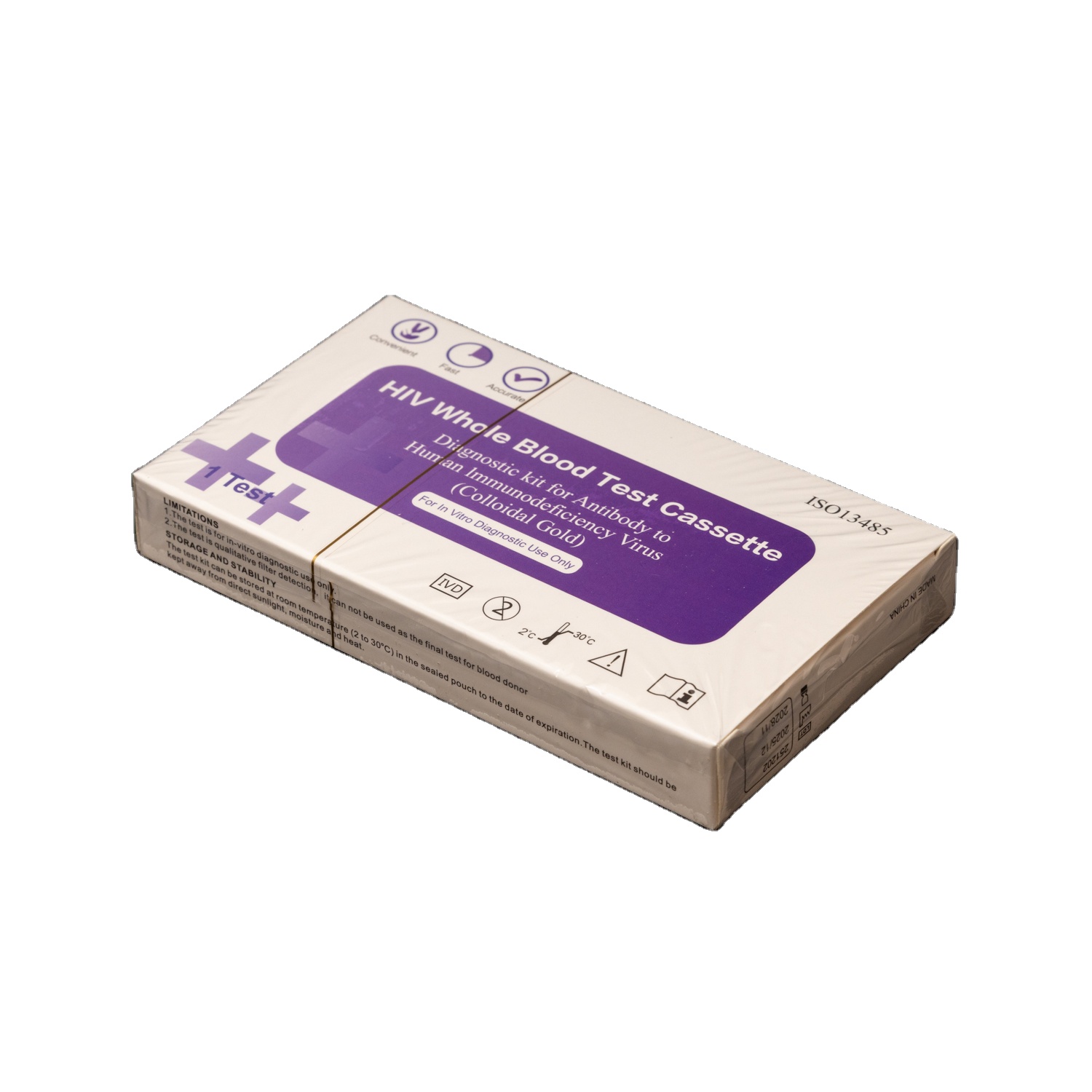
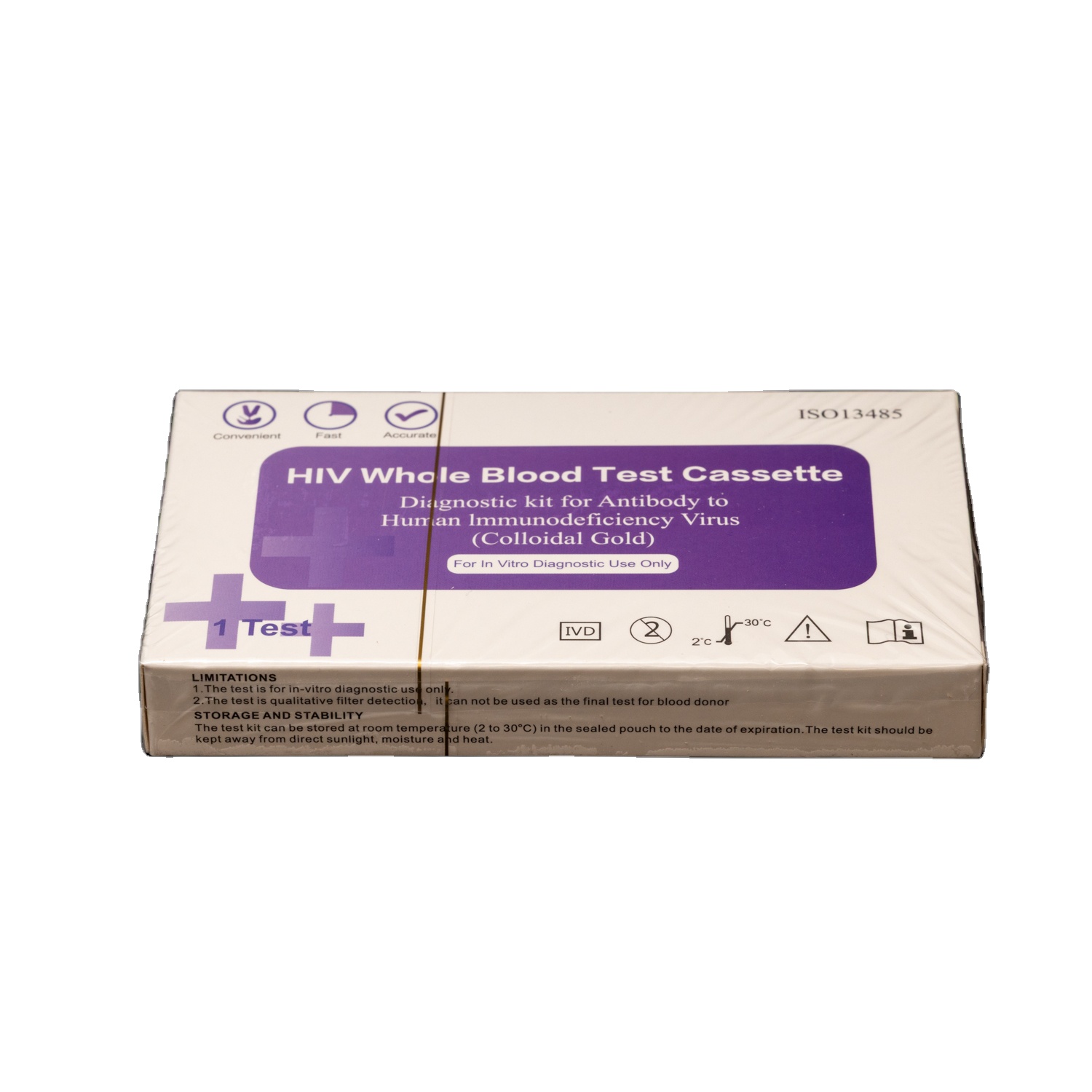
An HIV AIDS self test kit provides a private and convenient way to perform initial HIV screening without visiting a testing facility for the first step. HIV self-testing is recognized by WHO as an additional approach to HIV testing services, with oral-fluid and finger-prick formats available depending on the product design. Results for many rapid self-tests are available within about 20 minutes when instructions are followed correctly. This makes self-testing suitable for home use, community programs, outreach activities, and settings where access to facilities may be limited. A reactive result is not a definitive HIV diagnosis and requires follow-up testing by a qualified provider.
Get A Quote

Case Study

Private Home Screening

An HIV AIDS self test kit can support individuals who prefer privacy when beginning the HIV testing process. For example, a home user can collect the required specimen and interpret the result according to the manufacturer's instructions, without arranging an initial clinic visit. WHO recognizes HIV self-testing as a convenient option that can increase access to testing services. Many rapid self-tests provide results within approximately 20 minutes. However, users should understand that a reactive result requires confirmatory testing through a trained healthcare provider. A recent potential exposure may also fall within the test's window period, so a non-reactive result may require repeat testing according to the specific test and exposure timing.

Community Outreach Screening

Community health programs can use HIV self-testing to extend initial screening opportunities beyond conventional facility-based services. In an outreach setting, individuals may receive guidance on specimen collection, test operation, result interpretation, and follow-up procedures. WHO reports that HIV self-testing can increase access and uptake of testing while supporting privacy and autonomy. A program handling 50 participants, for example, can organize testing education and referral procedures around a standardized self-testing workflow. Reactive results should be linked to further testing using the applicable national testing algorithm rather than treated as confirmed HIV diagnoses. Clear instructions and referral pathways are therefore essential when HIV self-testing is introduced in community programs.

Workplace and Institutional Health Programs

Organizations seeking confidential health education can incorporate HIV self-testing information into voluntary workplace or institutional health programs. A structured program may provide educational materials, explain appropriate test use, and direct participants toward professional services when further testing is required. For example, an institution supporting 100 eligible participants can provide standardized guidance while allowing individuals to control where and when they perform the initial self-test. HIV self-testing should always be voluntary and should never be coercive or mandatory. If a result is reactive, the individual should receive clear information about confirmatory testing and appropriate healthcare referral. This approach supports privacy while maintaining the clinical safeguards required for HIV diagnosis.

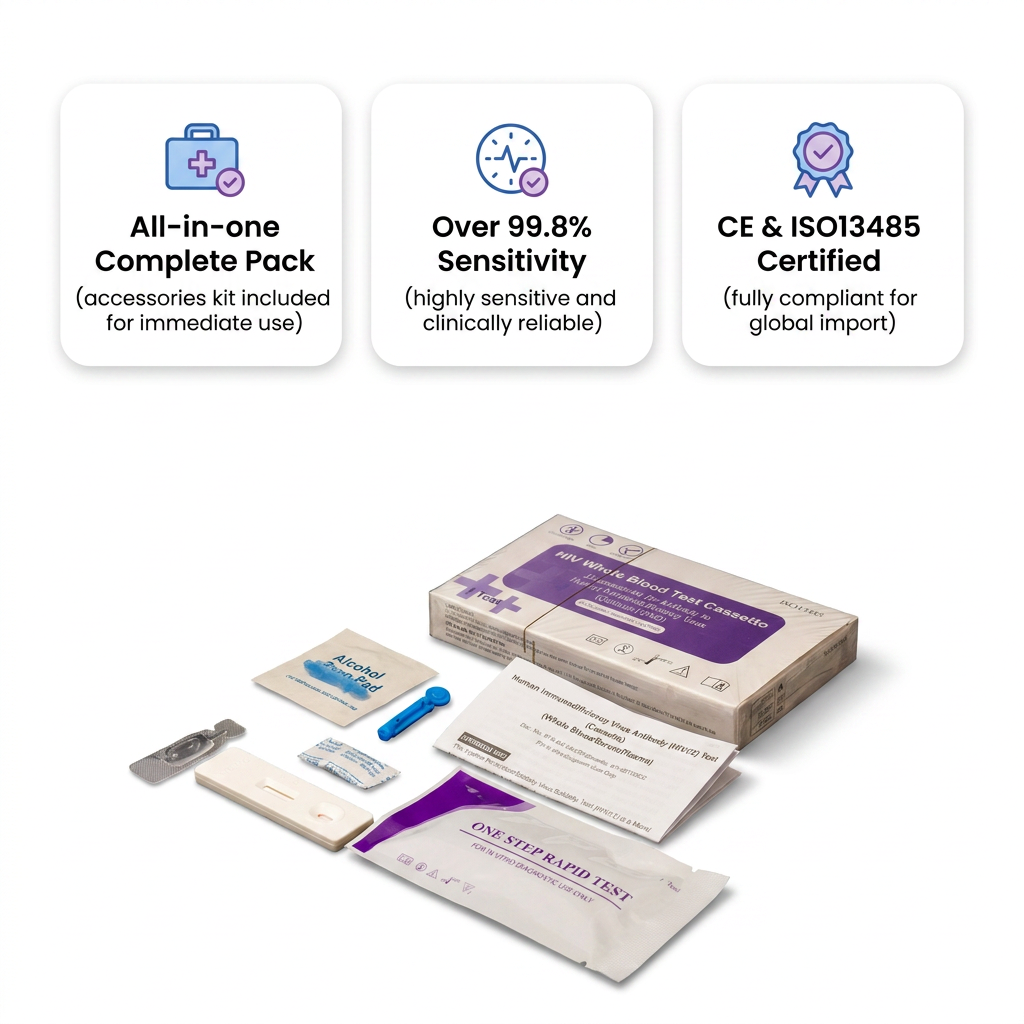
An HIV AIDS self test kit is designed to support convenient initial HIV screening in settings where privacy, accessibility, and straightforward operation are important. Depending on the product, HIV self-tests may use oral fluid or blood collected through a finger prick. Many rapid self-tests can provide results within approximately 20 minutes, although timing and specimen requirements vary by product. Jiuhe Kit provides professional IVD and rapid testing solutions for international markets, supporting applications such as home screening, community outreach, and institutional health programs. Product development should focus on controlled specimen handling, clear operating instructions, appropriate controls, and easy result interpretation. Users should follow the supplied instructions exactly and understand the limitations of self-testing. A reactive HIV self-test does not establish a definitive HIV-positive diagnosis; confirmatory testing by a qualified provider is required. Recent exposure may also fall within the window period, making follow-up testing important when clinically appropriate.

Frequently Asked Questions

How does an HIV self test kit work?

An HIV self test kit allows an individual to collect a specified specimen and perform an initial HIV screening test independently. Depending on the product, the specimen may be oral fluid or finger-prick blood. Users should follow the manufacturer's instructions precisely and interpret the result only within the stated reading time.
Many rapid HIV self-tests provide results in approximately 20 minutes, although the exact testing and reading time depends on the specific product. Users should not interpret results before or after the manufacturer's specified timeframe. Correct specimen collection and procedure are essential for obtaining a valid result.
No. A reactive HIV self-test is an initial screening result, not a definitive HIV-positive diagnosis. Anyone with a reactive result should promptly seek follow-up testing from a qualified healthcare provider using the applicable national testing algorithm. Confirmatory testing is necessary before an HIV diagnosis is established.
Detection depends on the test type and timing after exposure. Antibody-based self-tests may not detect HIV during the early window period. CDC states that antibody tests can usually detect HIV 23 to 90 days after exposure. People with recent potential exposure should consider appropriate follow-up testing based on the test used.
A non-reactive result generally indicates that the test did not detect the target according to its intended use, but it may not exclude infection during the window period. After recent potential exposure, follow-up testing may be appropriate. Users should follow product instructions and seek professional advice when uncertain about timing or results.

Related article

Precise HbA1c Rapid Test Kit for Diabetes Care | Jiachuang Jiuhe

16

Sep

Precise HbA1c Rapid Test Kit for Diabetes Care | Jiachuang Jiuhe

View More
Accurate AMH Rapid Test Kit for Ovarian Reserve Assessment | Jiachuang Jiuhe

16

Sep

Accurate AMH Rapid Test Kit for Ovarian Reserve Assessment | Jiachuang Jiuhe

View More
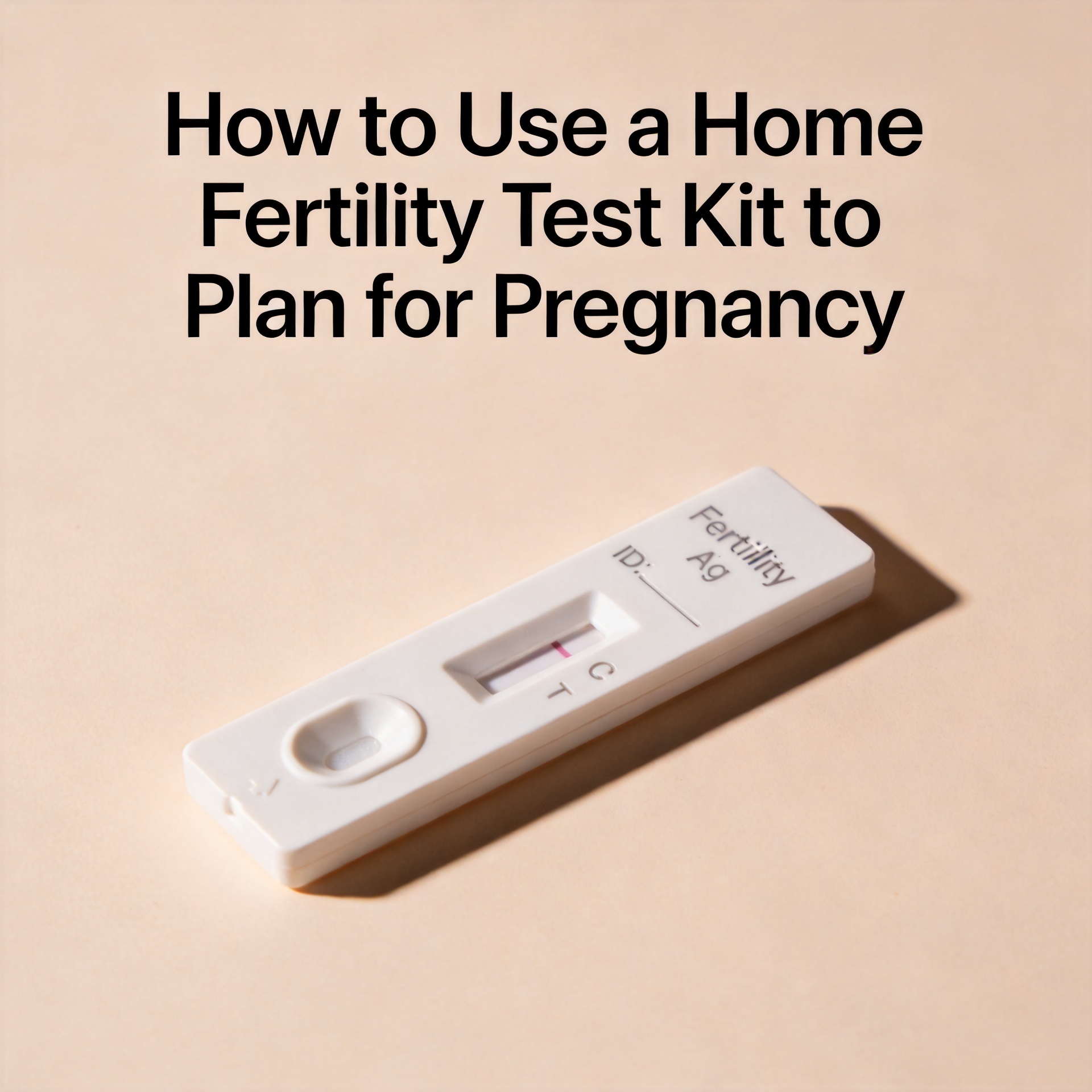
How to Use a Home Fertility Test Kit to Plan for Pregnancy?

16

Sep

How to Use a Home Fertility Test Kit to Plan for Pregnancy?

Learn how to use a home fertility test kit — covering FSH tests, OPKs, hormone panels, and male fertility kits to support pregnancy planning.
View More
The Role of Rapid Tests in Emergency Care and Public Health Screening.

16

Sep

The Role of Rapid Tests in Emergency Care and Public Health Screening.

Explore how rapid tests drive emergency diagnostics and public health screening for faster triage and scalable disease detection at the point of care.
View More

Customer Testimonials

Example User

Sample feedback: A community program reported that a standardized self-testing workflow supported 50 participants with clear instructions, helping improve privacy and simplify the initial screening process.

Sample User

Sample feedback: An institutional program used structured guidance for 100 participants, making result interpretation and referral instructions easier to communicate during voluntary HIV screening activities.

Get a Free Quote

Our representative will contact you soon.
0/1000
Designed Around Privacy and Accessibility

Designed Around Privacy and Accessibility

HIV AIDS self test kit solutions can make initial HIV screening more accessible for people who value privacy or face barriers to facility-based testing. WHO recognizes HIV self-testing as an approach that can expand access, support autonomy, and complement existing HIV testing services. A practical program can combine the test with clear instructions, result interpretation guidance, and referral information. For example, a community initiative supporting 50 participants can provide standardized education before testing while allowing each person to perform the test voluntarily. The kit should be used exactly as instructed, because incorrect specimen collection or reading procedures can affect validity. A reactive result must always be followed by professional confirmatory testing rather than being treated as a final diagnosis.
Clear Testing Workflow for Responsible Use

Clear Testing Workflow for Responsible Use

A well-designed HIV AIDS self test kit should support a simple testing workflow while clearly communicating the limitations of self-testing. The process may include specimen collection, test operation, result reading, and guidance for next steps. Many rapid HIV self-tests can provide results within about 20 minutes, helping users complete initial screening without a prolonged appointment. However, timing after potential exposure remains important because antibody-based tests may not detect very recent infection. A responsible product page should therefore explain window-period considerations, invalid results, and confirmatory testing requirements. For a 100-person voluntary screening program, standardized instructions can help maintain consistent communication while protecting individual privacy and supporting appropriate healthcare referral when further testing is needed.