 EN
EN
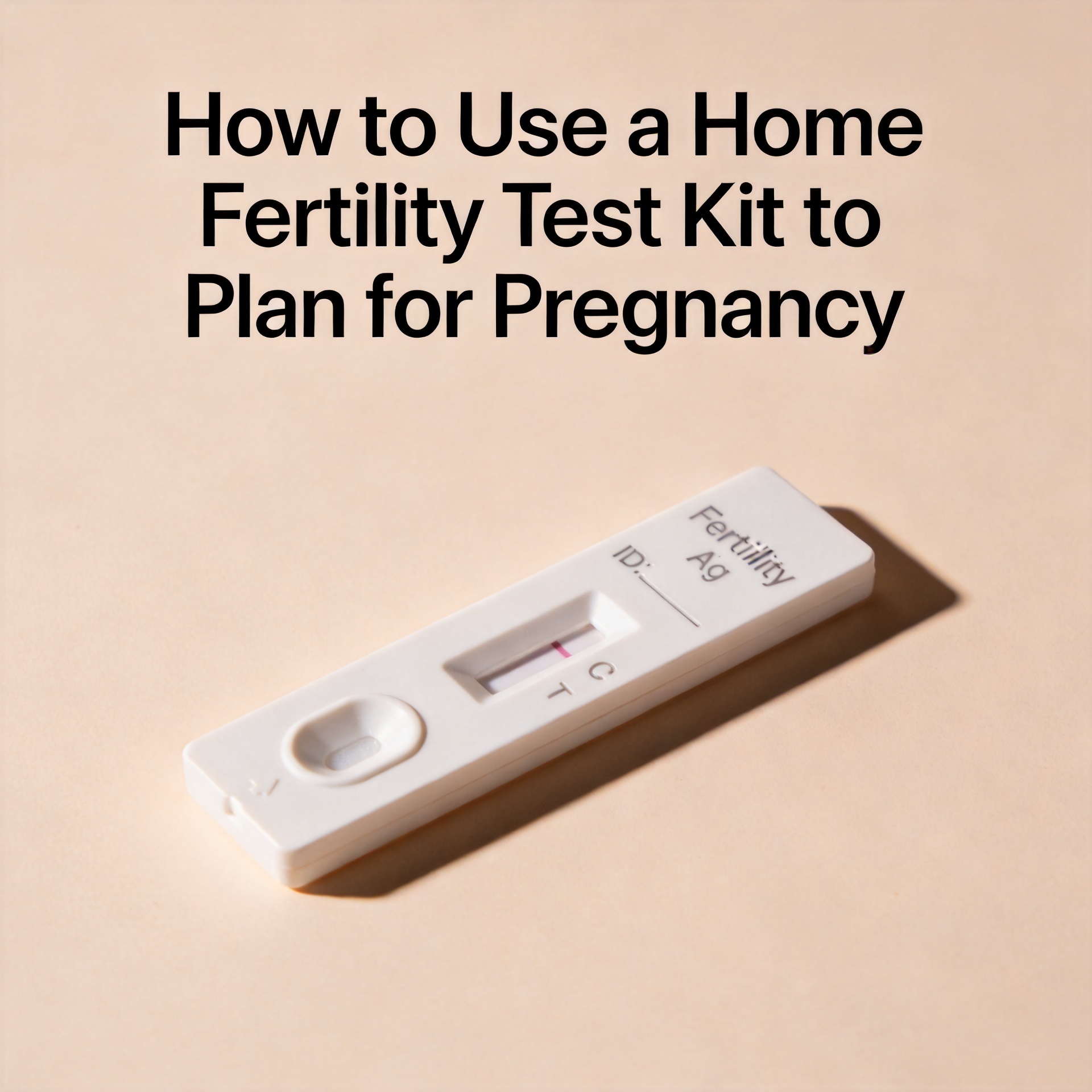
How to Use a Home Fertility Test Kit to Plan for Pregnancy?
From a clinical perspective, one question I hear consistently is: "Can I really understand my fertility from home?" The short answer is yes. With the right fertility test kit and a clear understanding of what each test measures, you can gather meaningful data to help plan your path to pregnancy. Knowing what these tests can and cannot tell you, however, is just as important as running them.
A home test kit for fertility is not a diagnosis. It is a screening tool. Whether you are tracking ovulation, assessing your ovarian reserve, checking hormone levels, or evaluating sperm health, these kits provide a first look at the picture, not the final word. With that in mind, here is a practical, step-by-step guide to using one effectively.
Types of Home Fertility Test Kits
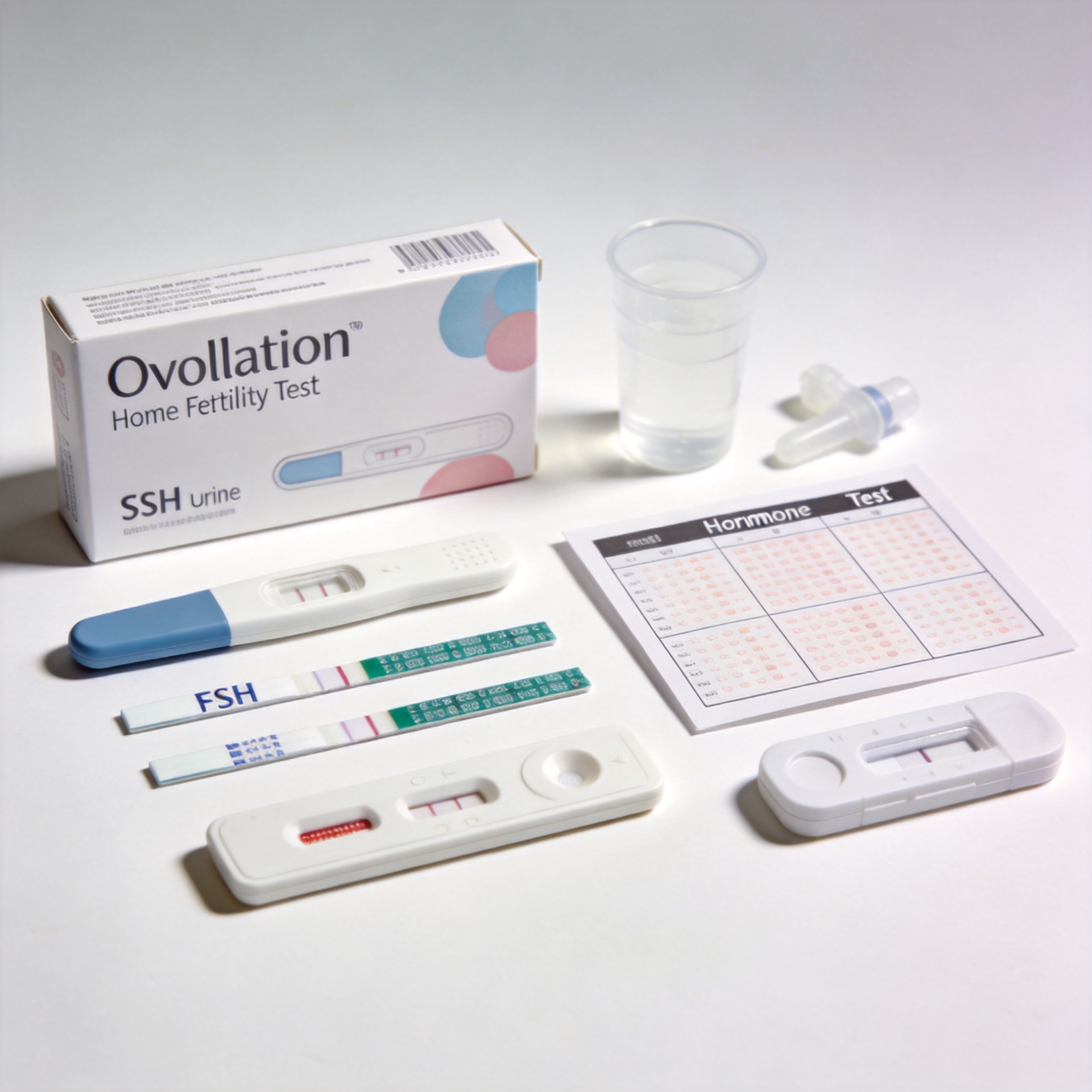
Before you begin, understanding which type you are using matters. There are four main categories:
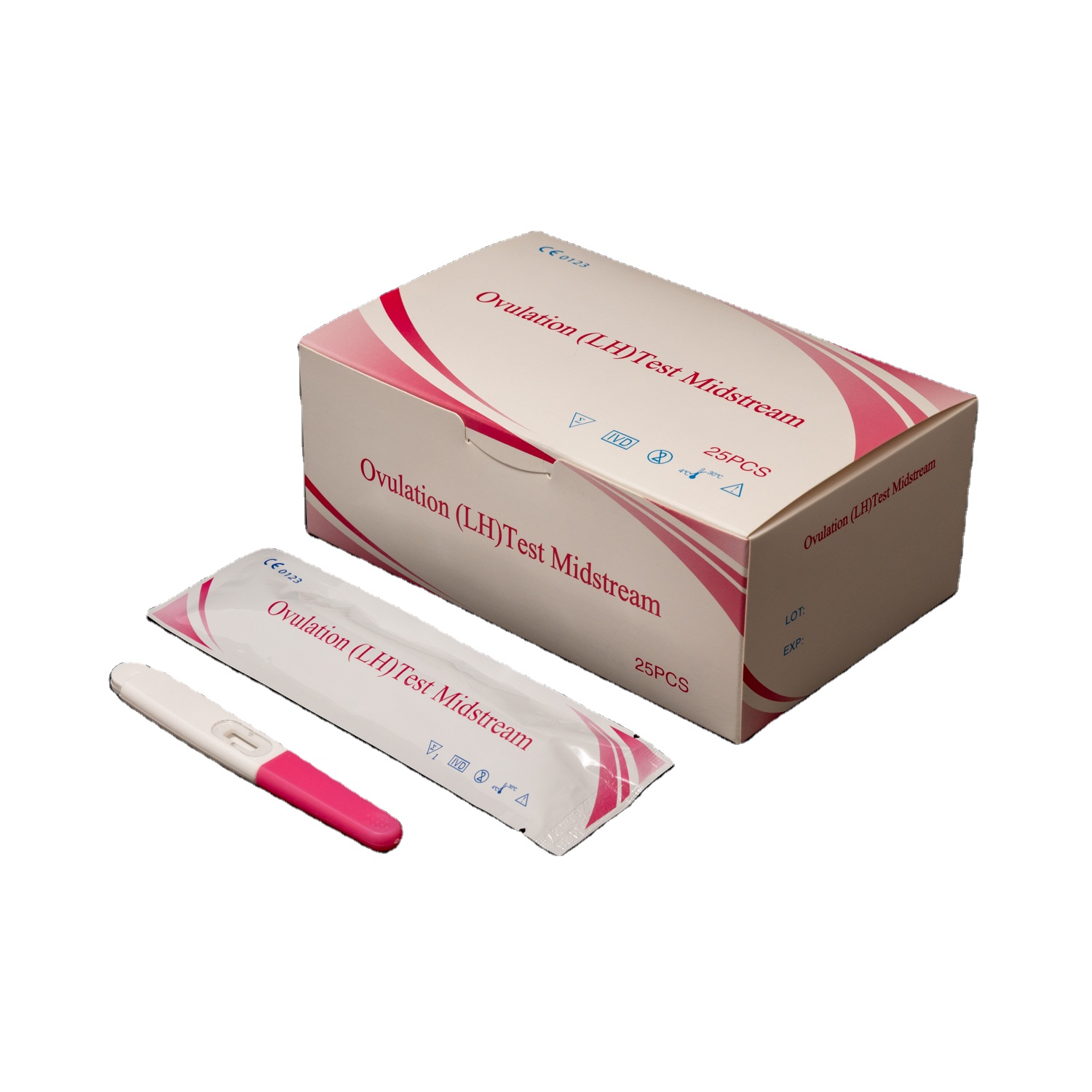
- Ovulation Predictor Kits (OPKs) — These detect the luteinizing hormone (LH) surge in urine, which occurs approximately 24 to 36 hours before ovulation. They are the most commonly used fertility test kit for women tracking their fertile window.
- FSH Test Kits — A fsh test kit measures follicle-stimulating hormone in urine, which reflects ovarian reserve. Elevated FSH levels in early cycle can suggest a declining egg count.
- Fertility Hormone Test Panels — More comprehensive fertility hormone test panels measure multiple markers — FSH, LH, anti-Müllerian hormone (AMH), estradiol, progesterone, and sometimes thyroid hormones. AMH is considered a more stable indicator of ovarian reserve than FSH alone.
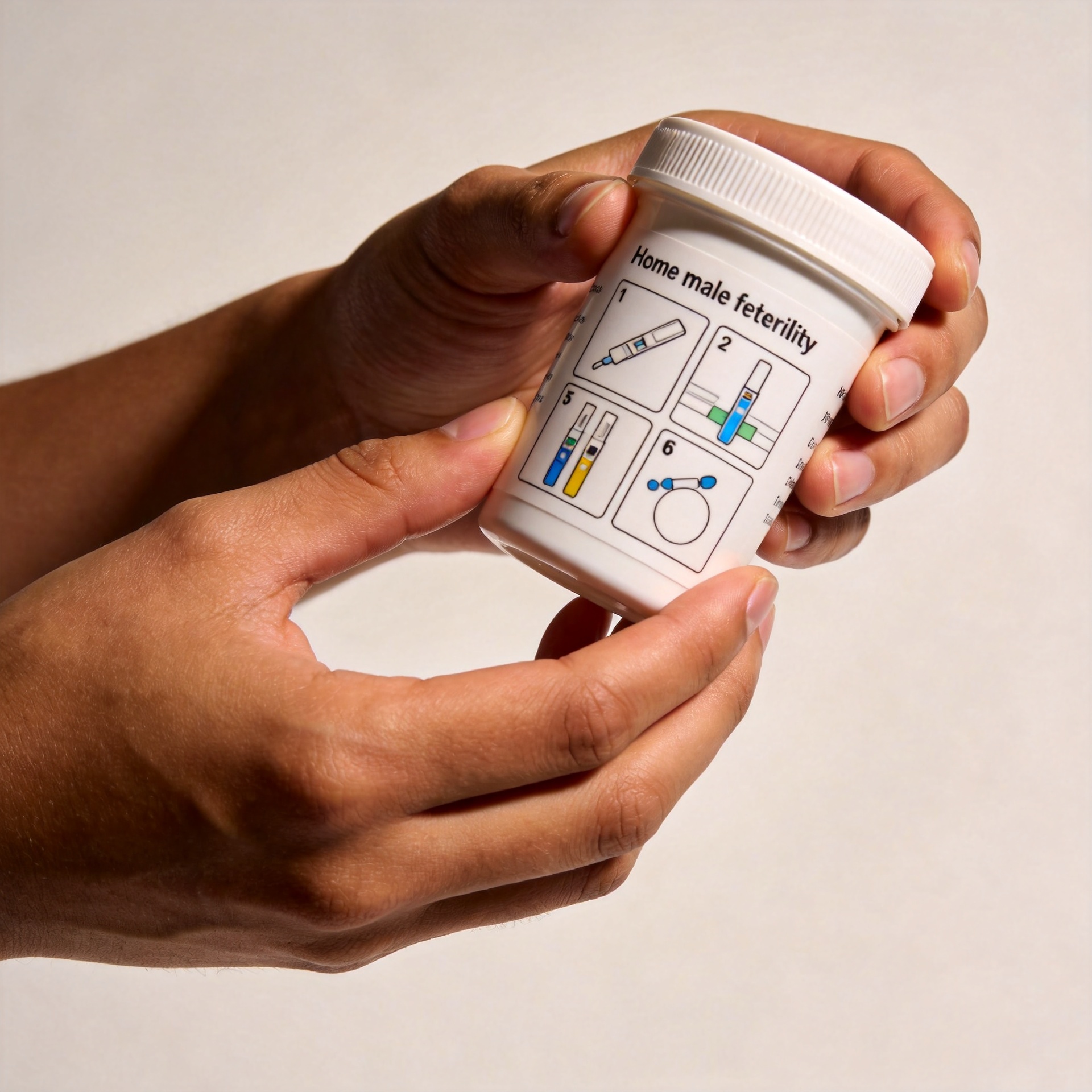
- Male Fertility Test Kits — A male fertility test kit typically analyzes sperm count, motility, or concentration from a home-collected semen sample, either via a rapid visual test or a lab-processed analysis.
Step-by-Step: Testing Female Fertility at Home
Step 1 — Choose the Right Test for Your Goal
Are you trying to identify your fertile window to time intercourse? Start with an OPK. Are you concerned about your egg supply or want a broader hormonal picture? A fsh test kit or a comprehensive fertility hormone test panel will serve you better. If you are trying to conceive with a partner, consider running tests for both of you simultaneously to identify any contributing factors on either side.
Step 2 — Time Your Test Correctly
Timing is critical. For OPKs, start a few days before your expected ovulation window. If your cycle is regular (around 28 days), begin around day 10 to 12. For FSH and hormone panel assessments, day 3 of your menstrual cycle is the recommended testing window — days 2 to 4 are also acceptable, because hormone baselines are most interpretable at the beginning of the follicular phase.
Here is something worth asking yourself: do you know your average cycle length? If not, tracking for two or three cycles before testing will give you a more reliable baseline for interpreting results.
Step 3 — Collect the Sample Correctly
Most OPK and FSH urine tests recommend using first morning urine, as it tends to be more concentrated. This improves the accuracy of LH and FSH detection. For blood prick hormone panels, follow the kit instructions closely — air dry the sample card fully before packaging to avoid contamination.
In practice, the sample collection step often takes longer than expected. Gathering a clean, uncontaminated sample, especially for first-time users, requires reading the instructions carefully in advance rather than during the process.
Step 4 — Run the Test and Read Results
Follow the instructions exactly regarding incubation or processing time. For rapid strip-based tests, results typically appear within 5 to 10 minutes. For lab-analyzed hormone panels, results are delivered digitally within 3 to 5 business days after the sample is received.
For OPKs, a positive result — indicated by a line as dark or darker than the control line — suggests an LH surge and predicts ovulation within the next day or two. For FSH assessments, results are categorized as normal or elevated; elevated FSH levels on day 3 may warrant follow-up with a reproductive specialist.
Step 5 — Record and Repeat
A single data point is rarely sufficient. FSH levels can vary cycle to cycle, so one elevated reading is not necessarily cause for alarm. Using a fertility journal or app to log results over two to three cycles helps identify patterns rather than isolated numbers. When using a fertility test kit for women to confirm ovulation occurred via a post-ovulation progesterone check, tracking multiple cycles increases confidence in the findings.
Step-by-Step: Using a Male Fertility Test Kit at Home
Step 1 — Select a Test That Matches Your Needs
Rapid at-home sperm tests primarily measure sperm concentration. Lab-processed options through a male fertility test kit sent to CLIA-certified labs offer a more complete semen analysis, including motility and morphology. These factors matter equally for conception. A positive rapid result does not capture all relevant parameters; a comprehensive lab analysis provides a fuller picture.
Step 2 — Follow Sample Collection Guidelines
The sample must be collected after 2 to 5 days of abstinence. Avoid heat exposure such as saunas or hot tubs in the days preceding collection, as elevated scrotal temperature can temporarily affect sperm quality. Use only the collection cup provided with the kit — household containers may introduce contaminants that skew results.
Step 3 — Process and Submit Promptly
For lab-sent samples, ship within the time window specified by the kit — typically within 30 to 60 minutes for rapid tests, or with a temperature-controlled shipping pack for mail-in options. Time-sensitive handling is one real limitation of home testing compared to in-clinic semen analysis.
Understanding Your Results
At-home fertility test kit results provide directional signals, not definitive diagnoses. Think of it like a home glucose monitor — it gives a useful data point but does not replace a full metabolic panel from a laboratory. The same principle applies here.
Keep in mind that fertility hormone test panels capture a snapshot of your hormonal state on a single day. They do not account for cycle-to-cycle variability, medication interactions, or conditions like polycystic ovary syndrome (PCOS), which can cause persistently elevated LH readings misread as a positive OPK result.
A normal result does not guarantee conception will happen quickly. An abnormal or borderline result is a prompt to speak with a healthcare provider. It is not a diagnosis of infertility.
When to Consult a Fertility Specialist
If you are under 35 and have been trying to conceive for 12 months without success, or over 35 and trying for 6 months, seeking specialist evaluation is the recommended next step — regardless of your home test results. Use the data from your fertility test kit as a starting point for that conversation. It gives the clinician useful context and may reduce the number of repeat tests needed at the initial appointment.
For couples whose results from fertility hormone test panels flag potential concerns (elevated FSH, suppressed AMH, or abnormal sperm parameters), earlier consultation is advisable rather than waiting for the standard time thresholds.
Final Thoughts
A home fertility test kit is one of the most accessible tools for proactive reproductive health monitoring. Used correctly — with appropriate timing, proper sample collection, and realistic expectations — it can give you and your partner a clearer picture before you book that first clinic appointment. The key is to treat results as information to act on, not conclusions to worry about in isolation.
If you have questions about selecting the right type of fertility test kit for women or identifying a reliable male fertility test kit for your situation, reaching out to a supplier or healthcare provider experienced in reproductive diagnostics can help you choose a product that fits your specific needs and goals.