 EN

Why Are Rapid Diagnostic Kits Important for Pet Disease Management?
When a sick pet arrives with vague signs—poor appetite, coughing, diarrhea, fever, or sudden lethargy—the first clinical question is often not “What is the final diagnosis?” It is “What do we need to know now?” A Diagnostic Kit can help a veterinary team answer that question at the point of care, while the animal, owner, and clinician are still in the same decision window.
Rapid testing does not replace a complete examination, a medical history, or confirmatory laboratory work when it is needed. Its value is more practical: it turns an uncertain presentation into information that can guide isolation, triage, treatment planning, client communication, and the next test. For Pet Healthcare teams, that shorter path from concern to action can make a real difference.
Why timing changes pet disease management
Many infectious and metabolic problems share early signs. A dog with vomiting may have a dietary upset, pancreatitis, a toxin exposure, or an infectious process. A cat with upper-respiratory signs may need supportive care, further workup, or management steps to reduce spread in a multi-cat setting. Waiting for every answer before deciding what to do can be impractical, especially in a busy clinic.
A Rapid Veterinary Test is designed to move selected information closer to the patient. Point-of-care testing is commonly described as testing performed near the patient rather than in a central laboratory, with rapid turnaround that supports quicker clinical decisions. That does not make every result conclusive. It does mean the care team can decide whether to monitor, isolate, investigate further, or begin an appropriate next step without treating uncertainty as a reason to do nothing.
What a Diagnostic Kit contributes at the first appointment
A sound use of a Diagnostic Kit places it within a workflow rather than treating it as a stand-alone verdict. In practice, a clinic may combine the pet’s history, physical findings, a rapid test result, and the local disease context. The result can help clinicians prioritize what matters most during the visit.
- Faster triage: A result can help identify cases that merit urgent attention, additional monitoring, or separation from other patients.
- More focused follow-up: Instead of ordering every possible test, the clinician can choose confirmatory assays, imaging, or laboratory panels that fit the presentation.
- Clearer owner conversations: A same-visit discussion can explain what has been found, what remains uncertain, and why a follow-up plan is needed.
- Better workflow control: In hospitals, shelters, boarding environments, and multi-pet homes, timely Animal Disease Detection information may support sensible hygiene and exposure-management decisions.
There is a useful distinction here. Quick answers are valuable, but speed alone is not quality. A rapid result must be interpreted in the context of sample collection, timing of illness, test instructions, and the pet’s clinical picture.
Rapid screening can support earlier, more deliberate decisions
Consider a common clinic scenario: an animal has compatible signs, an owner is anxious, and the veterinarian needs to decide whether the patient can wait, needs further diagnostics, or should be managed with added precautions. A Rapid Veterinary Test can provide a relevant data point while the patient is still present. That may reduce avoidable delays and help the team document a coherent plan.
It also helps to avoid a familiar mistake: treating a rapid screen as the whole answer. A positive result can be clinically meaningful, but its implications depend on the disease, prevalence in the local population, vaccination or exposure history where relevant, and the test’s intended use. A negative result may lower suspicion without eliminating it. When signs and results do not agree, the right response is often to reassess sampling, repeat testing at an appropriate time, or select a confirmatory method—not to force the case into a simple conclusion.
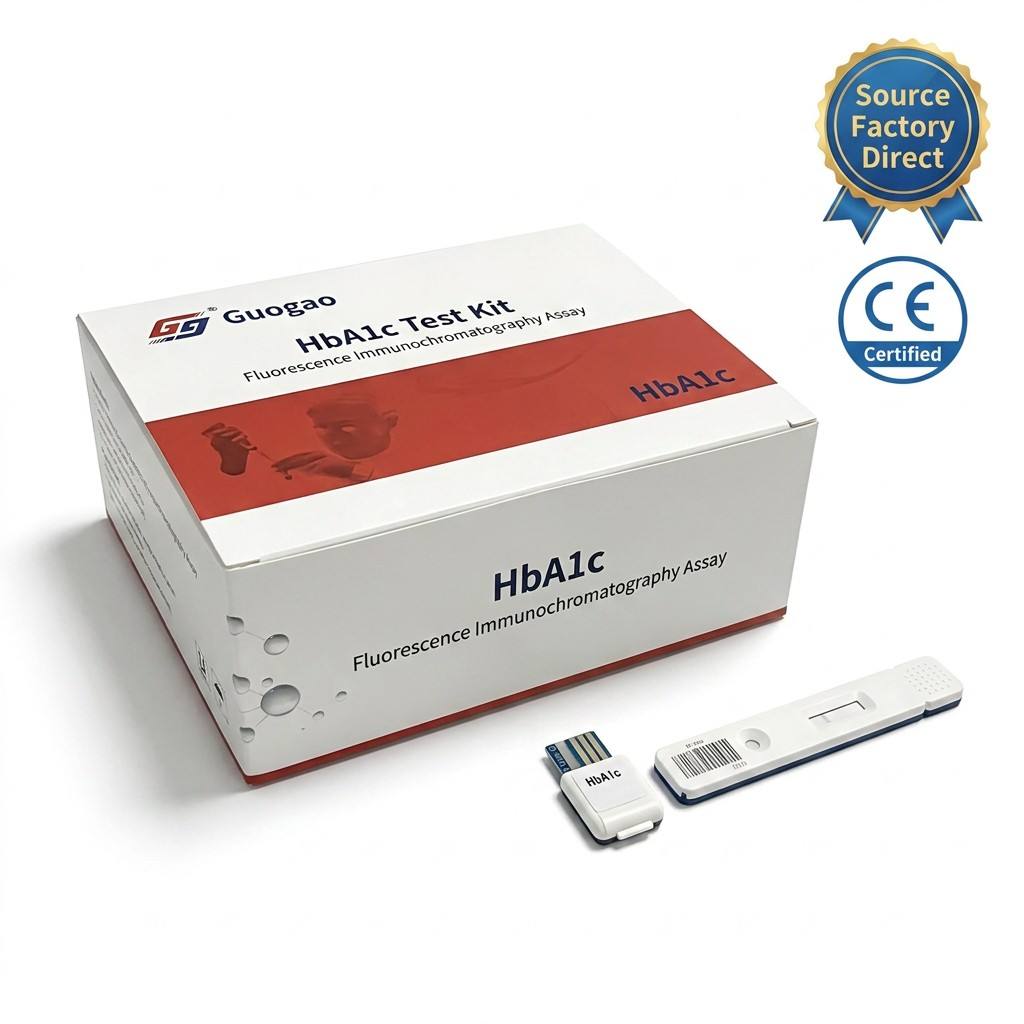 Point-of-care testing can support a focused next clinical decision.
Where Pet Healthcare teams need practical safeguards
The operational details surrounding a Diagnostic Kit can influence whether its result is useful. Clinics should consider the entire path from storage to documentation.
- Match the test to the clinical question. A screening assay should address a plausible disease concern, not be used simply because it is available.
- Protect sample quality. Correct specimen type, collection timing, handling, and reading time are essential for meaningful interpretation.
- Train the people who run it. Clear instructions and a consistent workflow reduce avoidable errors when staff members are working under pressure.
- Manage inventory deliberately. Temperature requirements, expiration dates, lot tracking, and replenishment practices all affect readiness.
- Record the result and the next action. A rapid result has more value when the medical record shows how it informed follow-up, referral, monitoring, or client guidance.
These safeguards are not bureaucratic extras. They are part of responsible Veterinary Screening. A kit stored incorrectly or used outside its intended workflow can create false confidence, which is often more costly than acknowledging uncertainty early.
How rapid tests fit with laboratory confirmation
Rapid kits and reference laboratories are complementary. A point-of-care result can direct the immediate plan; a laboratory method may provide confirmation, broader analysis, or additional detail. The balance depends on the animal’s condition and the question at hand. For a stable patient, a clinician may use screening results to schedule targeted follow-up. For a severely ill patient, the same result may support urgent treatment decisions while additional diagnostics are underway.
That layered approach is especially important for Animal Disease Detection. The clinical team should know what the test detects, what it does not detect, and when a result needs confirmation. Saying “the kit is positive” is less useful than saying “this finding supports our current suspicion, and here is the next step we will use to confirm or manage it.”
A simple evaluation checklist for veterinary practices
Before adding a Diagnostic Kit to routine use, practices can ask a few grounded questions:
- Which clinical decisions would this test help us make faster?
- Which pets and presentations are appropriate for Veterinary Screening with this method?
- What specimen, storage, timing, and staff-training requirements apply?
- When is a confirmatory laboratory test or repeat evaluation required?
- How will results be recorded and communicated to pet owners?
Those questions keep the conversation focused on patient care rather than on a promise of instant certainty. In other words, a rapid test should earn its place by improving a real workflow.
The practical value: information when decisions still matter
Rapid diagnostic kits are important because they help veterinary teams act on relevant information sooner. Used thoughtfully, a Diagnostic Kit can support triage, reduce unnecessary uncertainty, guide subsequent testing, and improve communication with owners. It is not a substitute for veterinary judgment. It is a tool that makes that judgment more timely and more informed.
For Pet Healthcare, the goal is not simply to produce a result quickly. The goal is to connect a reliable testing process with an appropriate next decision for the individual animal.