 EN
EN
How to Track Your Cycle Using an Ovulation Test Kit Effectively?
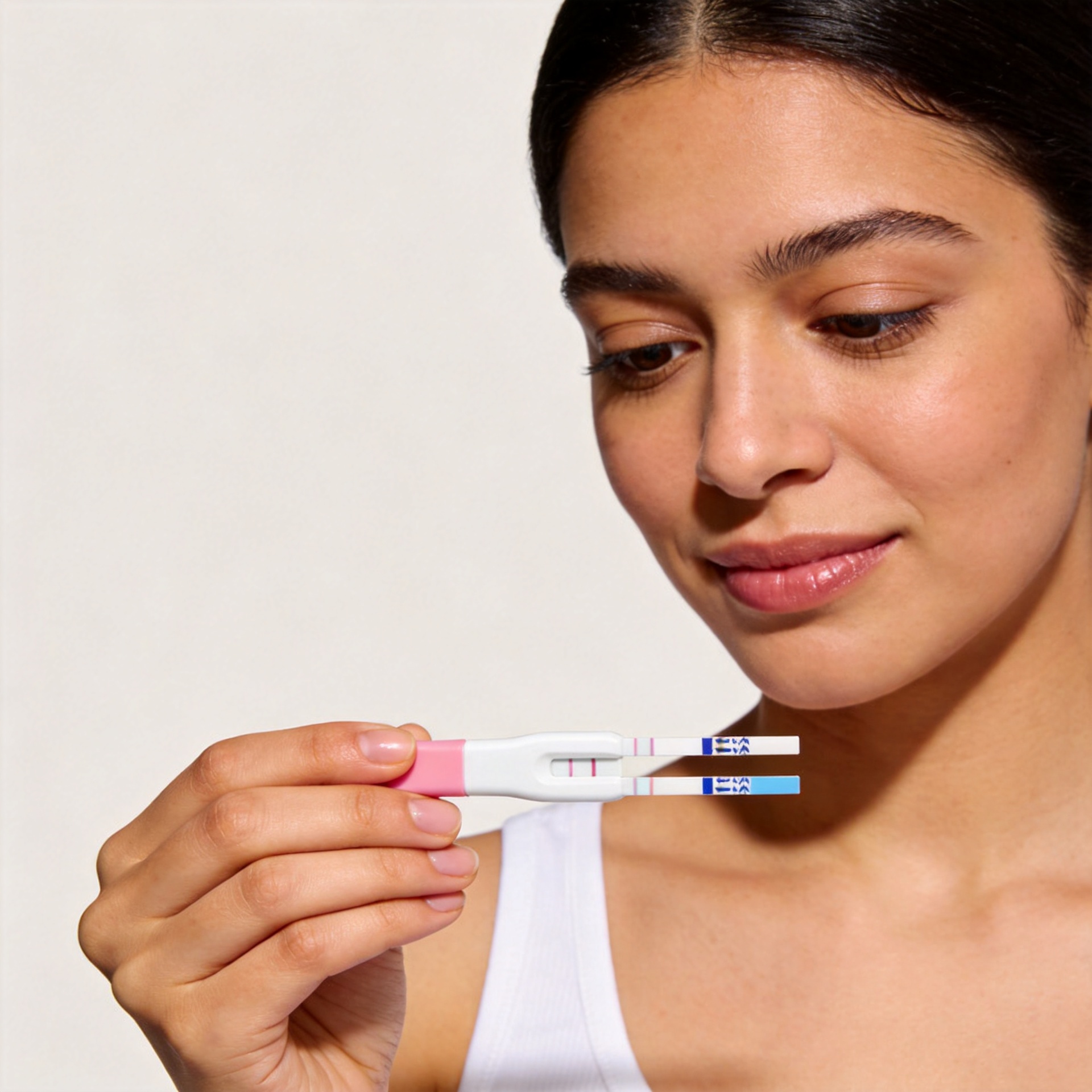
For anyone managing a small clinic or advising patients on fertility tracking, one of the most common questions is whether at-home ovulation test kits are actually reliable — and whether patients are using them correctly. The kits themselves perform well: studies show urinary LH detection reaches around 97% accuracy when performed properly. Yet roughly 1 in 4 users misread results from traditional line-based strips. Getting the method right matters more than brand selection.
Whether you're a clinic purchasing lh ovulation test strips in bulk for patient use, or an individual trying to understand your fertile window, this guide covers the complete process from start to finish.
Understanding How an Ovulation Test Kit Works
An ovulation test kit — also called an ovulation predictor kit — detects a surge in luteinizing hormone (LH) in your urine. LH is the hormone that triggers egg release from the ovary. A positive result means your body is approaching ovulation, typically within 24 to 36 hours.
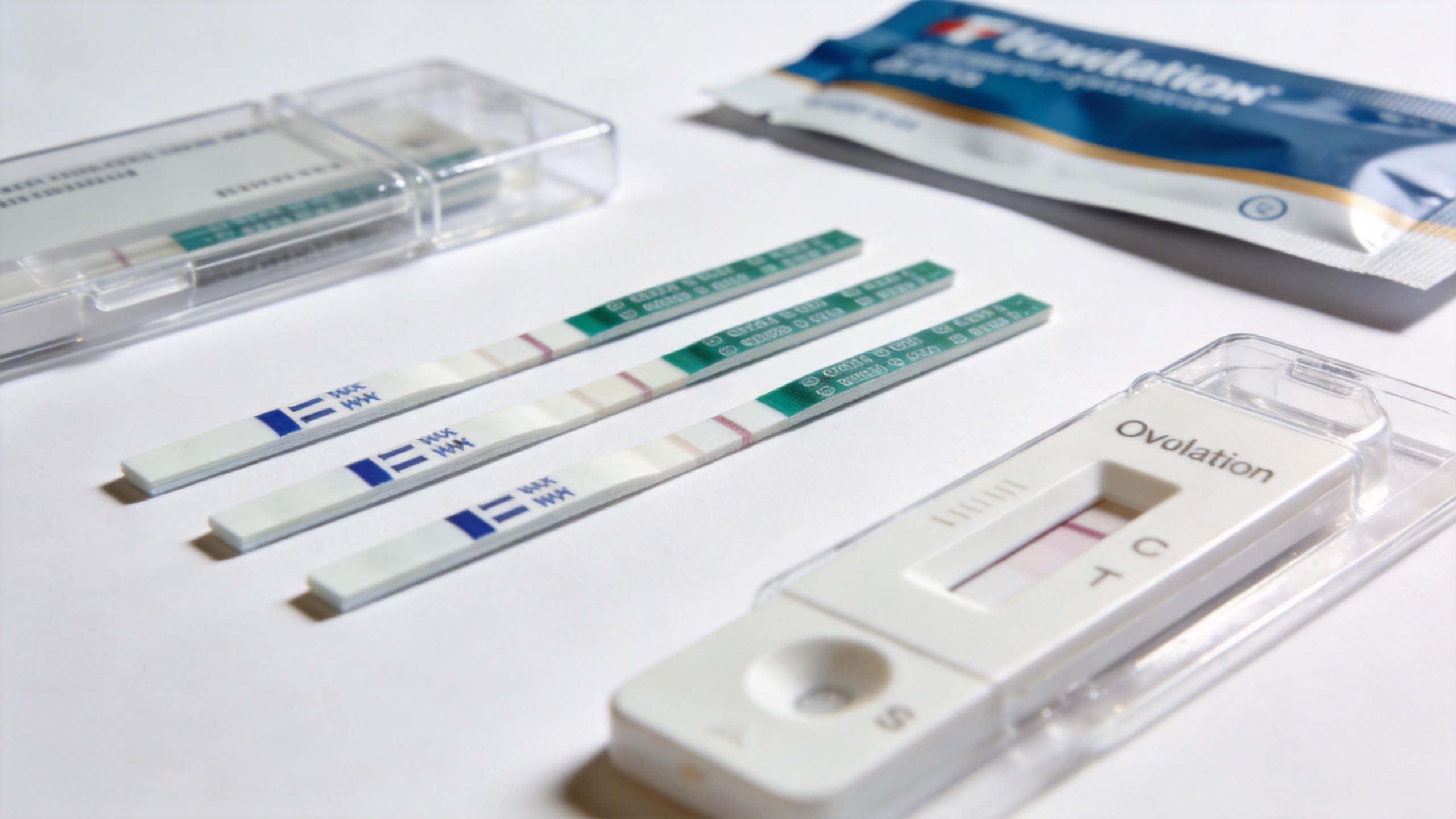
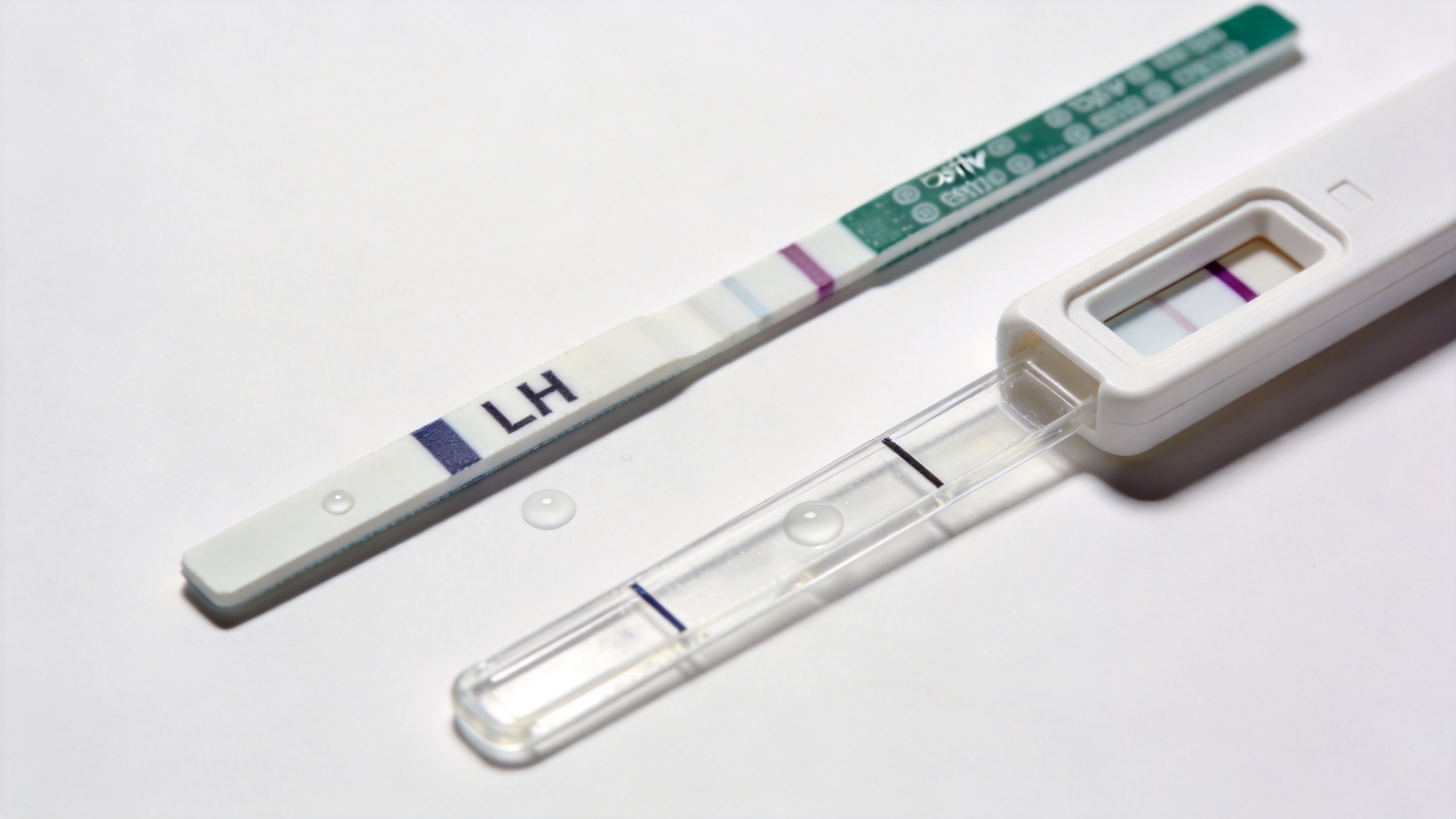
LH is present in urine throughout the menstrual cycle at low baseline levels. What the test detects is a sharp surge — often two to five times above baseline — that precedes ovulation. Reading the result correctly matters: on most standard lh ovulation test strips, the test line must be equal to or darker than the control line to register as positive.
Research suggests that LH surge onset primarily occurs between midnight and early morning — around 48% of surges begin between 4:00 AM and 8:00 AM. By mid-morning, enough LH has typically accumulated in urine to be detectable, which is why testing after waking and before 10:00 AM tends to be most reliable.
Step-by-Step Guide to Using an Ovulation Test Kit
Step 1: Calculate When to Start Testing
Cycle length determines when to begin. For a 28-day cycle, start testing on day 11. For a 30-day cycle, begin on day 13. A common formula: subtract 17 from your average cycle length, then start testing on that day.
For clinics advising patients with irregular cycles — menstrual cycle length can range from 23 to 35 days, with over half of women seeing a 5-day or greater variation between cycles — starting slightly earlier and using a kit with more strips helps ensure the LH surge is captured. Most standard ovulation predictor kit packages include 5 to 7 test strips; for irregular cycles, 10 or more tests per cycle is the more practical choice.
Step 2: Prepare Your Urine Sample Correctly
Limit fluid intake for about 2 hours before testing to avoid diluting the urine, and avoid urinating for at least 2 hours prior. Both steps help concentrate LH levels for a clearer reading.
If your cycle is particularly irregular or PCOS is suspected, consult a healthcare provider before relying on strip results alone. Elevated baseline LH levels in some conditions can produce false positives on standard strips, so the test result is a starting point for a clinical conversation rather than a standalone answer.
Step 3: Conduct the Test
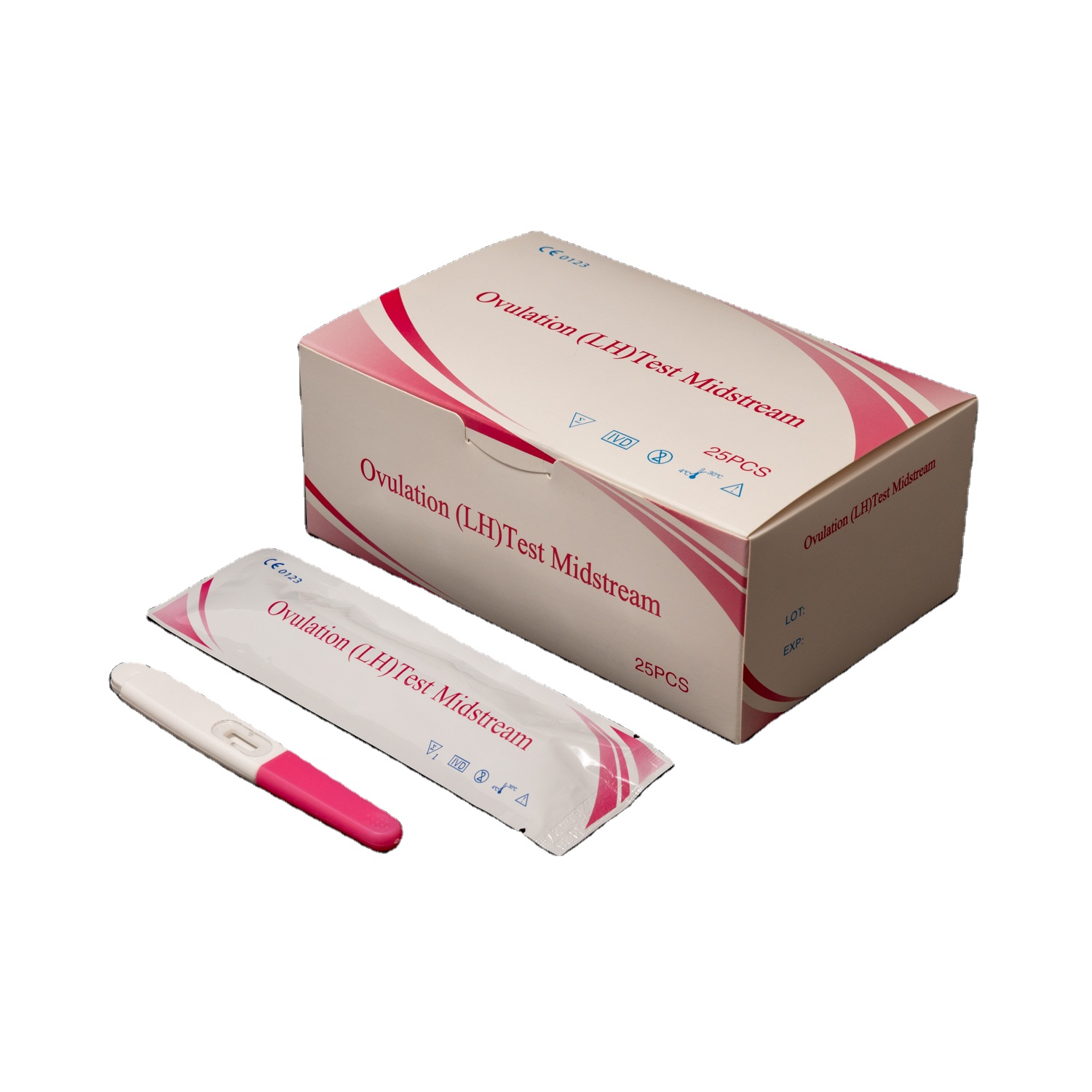
Dip the ovulation test kit strip in urine for the time specified by the manufacturer — usually 5 to 10 seconds — then lay it flat. Read results within the timeframe in the instructions, typically 3 to 10 minutes. Reading after that window closes can produce misleading evaporation lines.
When patients report inconsistent results, the issue is usually reading technique rather than strip quality. On traditional line-based tests, the test line must match or exceed the control line intensity — a faint line does not count as positive. Fertility monitor strips with digital readouts reduce this type of interpretation error considerably.
Step 4: Track Results Daily and Consistently
Test at the same time each day, preferably in the morning. Record each result, including negative ones, in a dedicated tracker. Reviewing patterns across two or three cycles helps identify your personal LH surge timing, which is more predictive than a single cycle's data.
Among the patients who use these kits most effectively, the differentiating factor is routine consistency: same test time, same prep steps, same reading window. Those three habits reduce variability more reliably than switching to a higher-cost brand.
Step 5: Identify the Positive Result
A positive result on your ovulation predictor kit means the LH surge has been detected. Ovulation typically follows within 12 to 36 hours — this is your peak fertility window. Once positive, there is no need to continue testing in that cycle.
If 10 or more consecutive days pass without a positive result, ovulation may have been missed, the cycle may be longer than expected, or ovulation may not have occurred that cycle. Professional evaluation is appropriate in these cases.
Common Mistakes That Affect Accuracy
- Starting testing too late in the cycle: If you begin too late, the LH surge may already be declining by the time testing starts. This is the most common error.
- Drinking too much fluid before testing: Diluted urine produces fainter lines and can lead to missed positives.
- Treating faint lines as positives: On strip-based tests, a faint line means negative. Only a line equal to or darker than the control line is a true positive.
- Irregular storage conditions: For clinics or distributors sourcing ovulation test strips wholesale, strips should be stored within the manufacturer-specified range — typically 2°C to 30°C. Improper handling during shipping can reduce strip sensitivity before any test is run.
- Testing at inconsistent times: LH surges can last as briefly as 12 hours, so timing inconsistency creates a real risk of missing the window.
Selecting the Right Ovulation Test Kit for Your Needs
Standard LH strip tests are cost-effective and accurate for most clinical and individual applications. Digital ovulation tests remove the line-reading guesswork but cost more per test. Fertility monitor strips that track both LH and estrogen extend the detectable fertility window to four or more days, compared to two days for LH-only tests, which suits users who want additional lead time before ovulation.
For clinics or medical distributors evaluating ovulation test strips wholesale options, batch consistency matters as much as per-strip accuracy. Confirming that the supplier provides lot-specific quality data and documented storage conditions reduces result variability across different batches in clinical settings. Performance differences between lots that appear negligible in individual use can affect reliability when aggregated across larger patient groups.
Final Thoughts
An ovulation test kit is one of the most accessible and well-validated tools available for cycle tracking. At around 97% accuracy under proper conditions, these tests work — but only when the protocol is applied consistently. For clinicians advising patients, the most useful intervention is a single walkthrough of the reading method, confirming they can distinguish a faint line from a true positive, and setting realistic expectations around cycle variability.
If your cycle is irregular or multiple cycles of testing have produced unclear results, a healthcare provider is the right next step. The test provides useful data for understanding your cycle; it does not replace clinical evaluation.