 EN
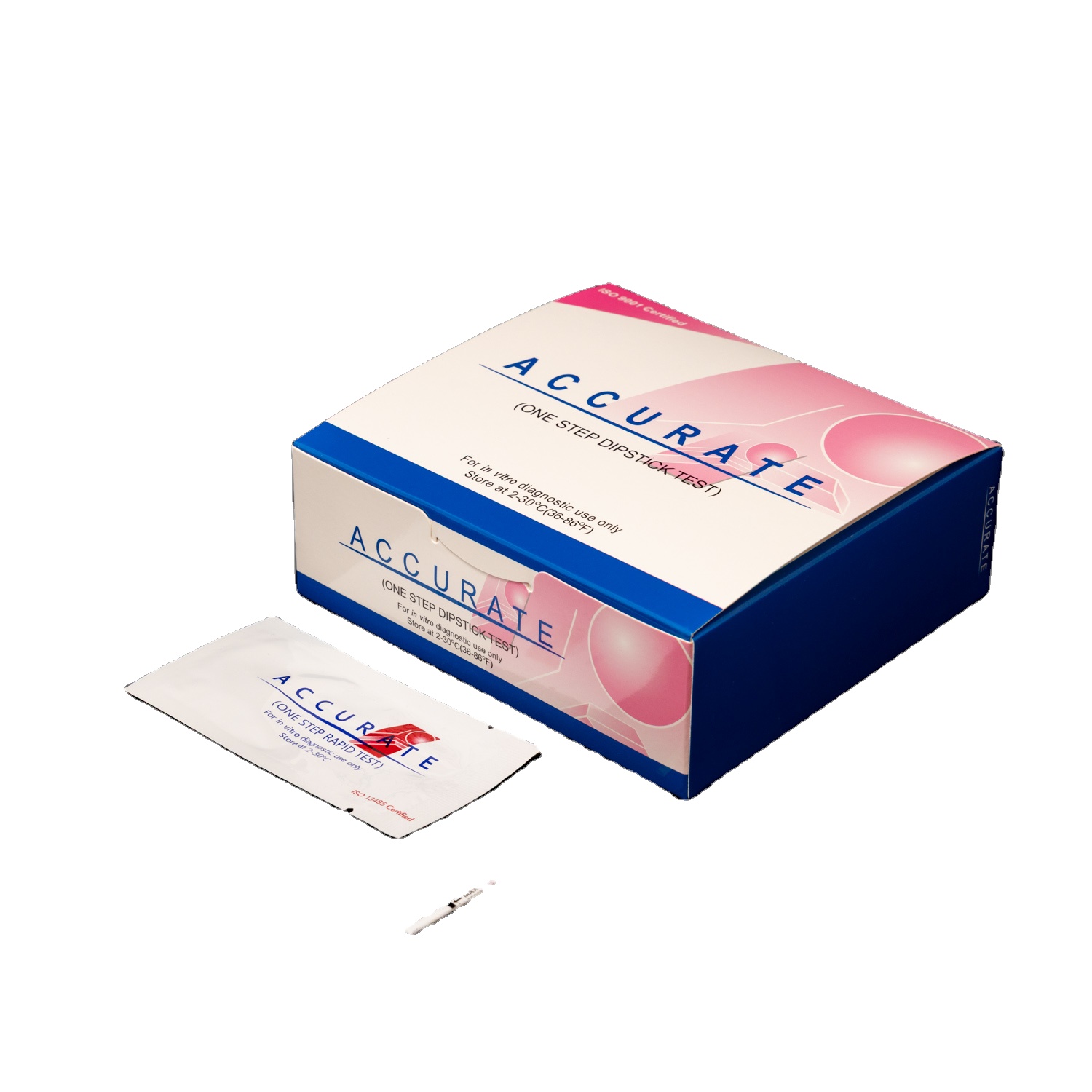
Diagnostic Kit Procurement Guide for Veterinary Distributors and Clinics.
Buying a Diagnostic Kit for veterinary use is not the same as buying a general medical set or choosing the lowest quotation. A distributor has to protect continuity across multiple customers; a clinic has to protect the quality of a real workflow, from sample collection to result communication. The useful question is therefore not “Which Diagnostic Kit has the lowest quoted price?” but “Which documented solution fits this animal-health use case, our handling capacity, and the rules in the market where it will be used?”
From a procurement-adviser perspective, the first task is to turn a broad request into a controlled specification. That is especially important because a generic web search for diagnostic kits often surfaces human examination tools rather than veterinary assays. Veterinary buyers should define species, intended condition or analyte, sample matrix, expected throughput, user skill level, storage capability, and the decision that a result is intended to support before comparing suppliers.
Start with the clinical and channel use case
For a clinic, a Diagnostic Kit may support triage, routine screening, monitoring, or referral decisions. Those are different jobs. A rapid in-clinic workflow may prioritize simple preparation, short hands-on time, clear control interpretation, and training materials. A laboratory-oriented workflow may prioritize batch compatibility, traceability, and a repeatable record trail. Do not assume that a kit designed for one setting transfers cleanly to another.
Distributors should make the same distinction across their customer base. A mixed portfolio of small practices, specialty hospitals, shelters, and mobile services will not necessarily need the same pack size, delivery cadence, or support model. When comparing Animal Diagnostic Products, classify each demand segment before building a catalogue. This helps a distributor avoid carrying a broad but mismatched range that creates slow-moving stock or forces clinics to buy unsuitable quantities.
A practical requirements sheet should include the intended veterinary application, supported animal species, specimen type, test principle, expected volume, storage range stated by the manufacturer, expiry management, package configuration, and required accessories. Leave a column for local registration or import documentation rather than treating compliance as an afterthought.
Evaluate evidence before price
Unit price matters, but it is only one component of procurement cost. A Diagnostic Kit with incomplete instructions, unclear lot records, or an impractical cold-chain requirement can cost more in staff time, repeat testing, expired inventory, and customer dissatisfaction than a higher-priced alternative. Many buyers start with the price per test; later they discover that minimum order quantities, delivery frequency, controls, and disposal requirements determine the real operating cost.
Ask every Veterinary Test Supplier for the current instructions for use, intended-use statement, storage and transport conditions, lot or batch traceability process, quality-control guidance, and a contact route for technical questions. Ask which information is specific to the veterinary application and which statements are general marketing language. If a performance claim is important to your purchase decision, request the supporting documentation and clarify the population, specimen type, and comparison method behind it.
International animal-health guidance is useful here as a framework rather than a shortcut to approval. The World Organisation for Animal Health (WOAH) develops internationally agreed standards and methods for veterinary diagnostic laboratories and diagnostic tests. Its laboratory guidance also highlights validated methods, reference materials, and proficiency testing. A buyer does not need to turn every purchase into a laboratory accreditation exercise, but these principles support sensible questions about controls, documentation, consistency, and problem escalation.
Compare the supply model, not just the test
A sound Diagnostic Kit purchase has a supply plan behind it. For distributors, evaluate lead time, forecasting method, available shelf life on dispatch, temperature-sensitive shipping arrangements, damaged-goods process, and the supplier’s approach to replacements or technical complaints. For clinics, confirm where reserve stock will be held, who checks expiry dates, and what happens when demand spikes after an outbreak or seasonal change.
When assessing Veterinary Equipment that may be used alongside a kit, separate confirmed compatibility from assumption. Request the manufacturer’s documented workflow and confirm whether readers, pipettes, timers, sample-preparation tools, or consumables are required. It is not enough that two products appear similar. Compatibility, training, maintenance responsibility, and local service capability all affect the usability of the combined workflow.
This is also where distributors can add value beyond reselling. A Veterinary Test Supplier that can provide transparent ordering information, consistent documents, and a realistic communication path is often easier for clinics to manage than one that offers only a low initial quotation. For a distributor, a supplier that covers both test kits and related equipment can reduce coordination work, but each item still needs its own evidence and market check.
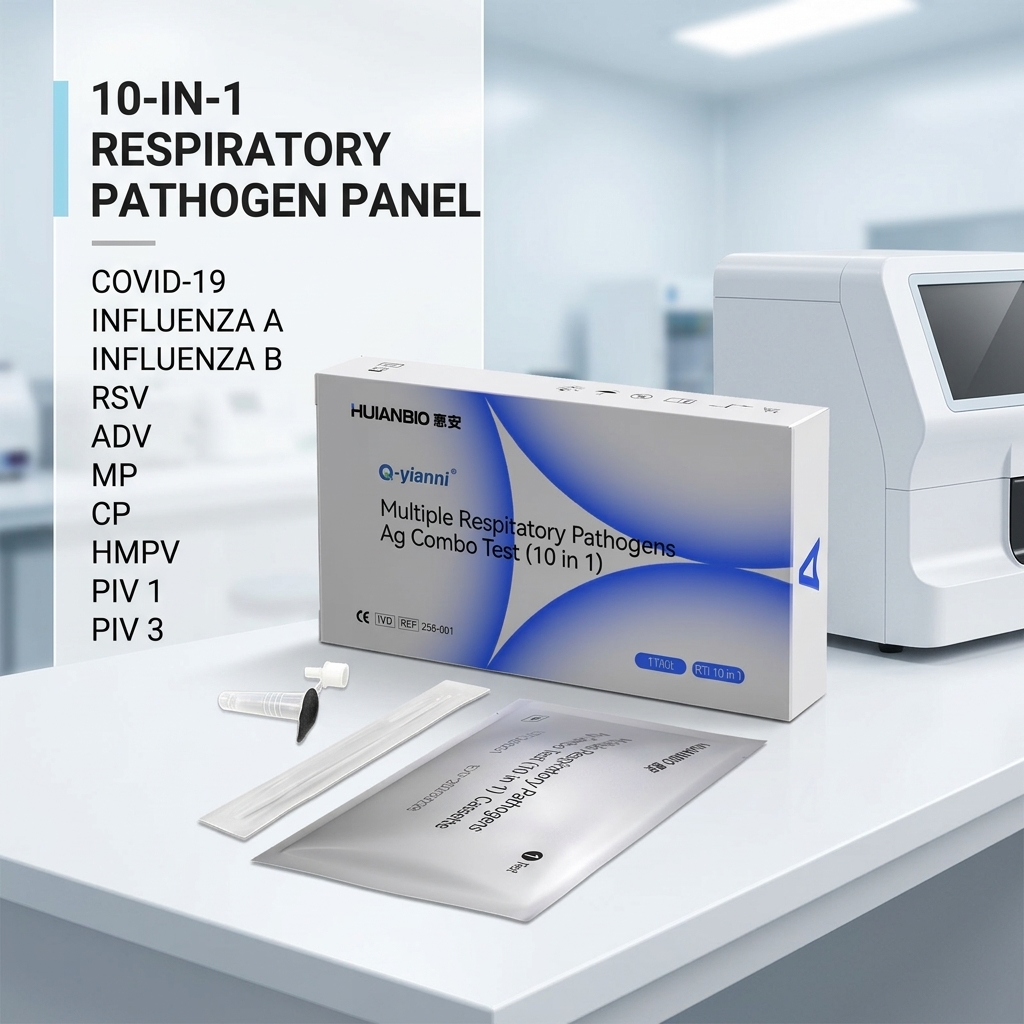
Build a supplier comparison matrix
A concise matrix makes cross-functional review easier. Score each candidate Diagnostic Kit against agreed criteria rather than relying on a sales call or a single brochure.
| Criterion | What to verify | Why it matters |
|---|---|---|
| Intended veterinary use | Species, specimen, target condition, and user setting | Prevents an attractive but unsuitable kit from entering the workflow |
| Documentation | Current instructions, lot records, storage, controls, and technical contact | Supports repeatable purchasing and incident handling |
| Supply continuity | MOQ, shelf life on delivery, lead time, shipping conditions, and replacements | Protects clinics and channel customers from avoidable interruptions |
| Local pathway | Destination-market import, registration, labeling, and professional-use requirements | Requirements differ by country and should be confirmed locally |
| Total operating fit | Training, accessories, waste handling, stock rotation, and support | Shows the cost and effort beyond price per test |
Confirm compliance market by market
There is no universal document that automatically makes a Diagnostic Kit suitable in every territory. Regulations, import rules, labeling requirements, and professional-use expectations can differ by destination and product category. A distributor should confirm the local route with the relevant authority, importer of record, or qualified regulatory adviser before making availability claims. A clinic should ask its purchasing team or local authority what evidence it needs to retain.
Keep this review separate from clinical utility. A product can appear operationally useful yet still require additional documentation for a particular market. Conversely, a document package should not be interpreted as proof that the kit is right for every animal population or workflow. This disciplined separation protects Pet Healthcare Solutions from being selected on claims that do not match the actual setting.
Run a controlled first order
Before a full rollout, use a limited, documented first order when the local pathway allows it. Confirm received quantity, outer-pack condition, lot identity, remaining shelf life, storage upon arrival, instruction revision, and the responsible contact for technical issues. Clinics should train relevant users on the approved workflow and record the points that caused confusion. Distributors should capture customer questions, delivery exceptions, and replenishment patterns before committing to a larger forecast.
Do not overstate the result of this review. A successful initial workflow does not replace formal validation, and one problem does not necessarily prove a product failure. It does, however, show whether the Diagnostic Kit and the supporting process are practical for the intended veterinary setting.
Frequently asked procurement questions
What should a clinic ask a Veterinary Test Supplier first?
Start with intended use, supported species and specimen types, instructions for use, storage requirements, controls, documentation, technical support, and the local route for use or import. Then assess the operational cost, not only the quoted price.
How can distributors select Animal Diagnostic Products without overstocking?
Segment customers by workflow and demand, use shelf-life and lead-time data in the forecast, begin with controlled quantities, and monitor repeat orders. This is usually more reliable than building a catalogue around the broadest possible test list.
Should Veterinary Equipment be bought from the same supplier as the kit?
It can simplify coordination, but only when compatibility, training, service, and documentation are confirmed. Treat each integration point as a procurement question, not an assumption.
Conclusion
A sound veterinary Diagnostic Kit procurement decision is evidence-led and workflow-led. Define the animal-health use case, request usable supplier documentation, compare total operating fit, verify the destination-market pathway, and learn from a controlled first order. That process helps distributors supply responsibly and helps clinics build dependable Pet Healthcare Solutions without turning a broad product search into an avoidable operational risk.