 EN
EN
How to Find a Trusted Rapid Test Kit Supplier for Bulk Orders?
As someone who has worked with hospitals, clinics, and medical device distributors across Asia, Europe, and Africa for years, I know that finding a reliable source for wholesale rapid diagnostic tests is one of the most consequential decisions a procurement manager can make. Get it wrong, and a single problematic bulk shipment can disrupt your entire supply chain — or worse, put patients at risk. Get it right, and you have a supplier relationship that can support your operations for years.
The challenge is that the market for rapid test kits is crowded. Dozens of manufacturers claim to offer quality products at competitive prices, but price tags tell only part of the story. What really distinguishes a trustworthy supplier from a risky one comes down to a structured evaluation framework — not a gut feeling, and not just a catalog comparison.
Here is a practical guide to building that framework, based on the real factors that matter for bulk procurement of rapid test kits.
1. Verify Compliance Documentation Before Anything Else
If there is one thing I have learned from years of handling cross-border medical device trade, it is this: a supplier's compliance credentials are not optional background information . These credentials are the foundation of every procurement decision. For any rapid test kit manufacturer you are evaluating, start by requesting the following:
- CE Marking — Required for European market sales and widely recognized as a baseline quality signal globally.
- ISO 13485 Certification — The international standard for quality management systems in medical device manufacturing. Without this, a supplier's quality control processes are essentially unverified.
- FDA Registration — Required if you plan to resell in the United States or supply to US-based organizations.
- Local Market Registrations — Depending on your target markets in Asia, Africa, or Latin America, ask specifically about in-country product registration status.
One point that often gets overlooked: having a certificate on file is not the same as having a current, verifiable certificate. Be sure to request the actual document — not just a mention in a product brochure — and confirm the expiry date and the certifying body.
If a supplier hesitates to share this documentation or provides certificates from unrecognized bodies, treat that as an early warning sign.

2. Understand the Manufacturing Basis — Not Just the Spec Sheet
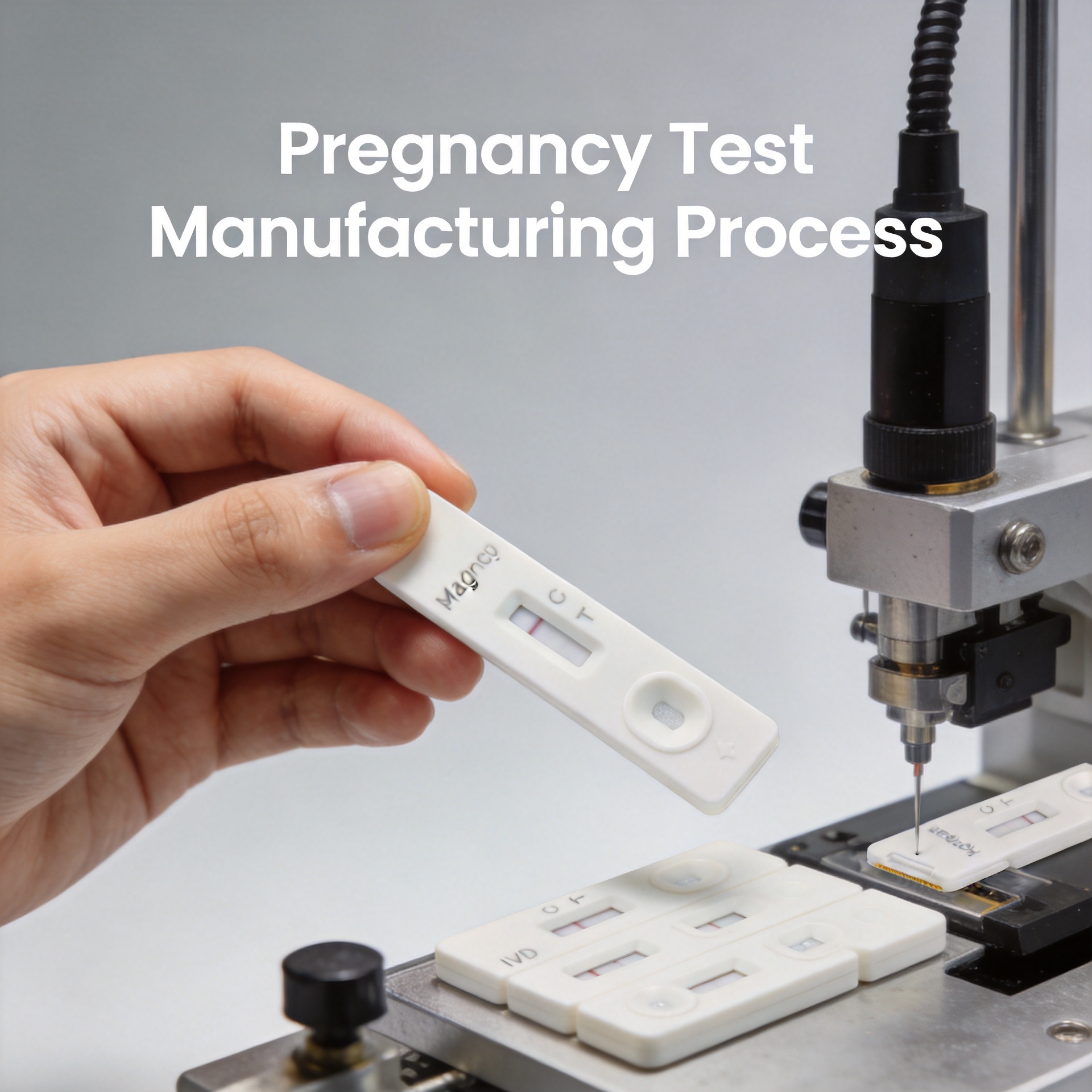
Before committing to a bulk order, it helps to understand how the products actually work. Most modern lateral flow rapid test kits operate on the one-step rapid test principle: a sample (blood, saliva, or nasal swab) migrates along a nitrocellulose membrane and reacts with embedded antibodies or antigens to produce a visible result, typically within 15 to 30 minutes. This simplicity is a feature — it enables point-of-care use with minimal training — but it also means that manufacturing consistency directly determines performance consistency.
When you are evaluating a supplier's rapid test kit manufacturing capabilities, ask specifically about:
- How are antibody or antigen lots validated between production batches?
- What internal quality control procedures are applied to each production run?
- Can the supplier provide batch-specific Certificate of Analysis documents with your orders?
This is where many buyers make a critical mistake. They rely entirely on the supplier's published performance data without understanding what conditions that data reflects. Independent clinical validation data, where available, provides far stronger assurance than any internal brochure.
3. Conduct a Rapid Test Kit Accuracy Comparison Across Candidate Suppliers
Accuracy benchmarks vary meaningfully between products and manufacturers. For reference, regulatory minimum standards for COVID-19 antigen rapid tests set clinical sensitivity at ≥80% (for symptomatic individuals within seven days of symptom onset) and clinical specificity at ≥98%. For other diagnostic categories, you should look for published performance data with clearly stated study conditions.
A thorough rapid test kit accuracy comparison should include:
- Sensitivity and specificity figures from third-party or peer-reviewed studies, not only manufacturer-provided data
- Performance under real-world storage and temperature conditions comparable to your deployment environment
- Consistency between different production lots, not just a single top-performing sample
If a supplier offers only vague performance claims without supporting data, or if their numbers seem suspiciously high across all parameters, ask for the underlying study reports. Credible manufacturers welcome this kind of scrutiny — it is part of how they build long-term buyer relationships.
4. Clarify MOQ, Lead Times, and Inventory Depth Before Signing
For bulk orders, minimum order quantity (MOQ) and supply stability are often more important than headline price. Most manufacturers set MOQs starting at around 1,000 units per SKU, with significant pricing advantages for orders above 10,000 units. Before committing to a large volume, it helps to clarify a few things upfront:
- Whether the supplier can actually fulfill your target order volume from current stock or production capacity — not just promise it
- What lead time is realistic for your order size and destination region
- How the supplier handles supply disruptions — does their business model depend on a single manufacturing line, or do they have backup sourcing relationships?
For continued supply relationships, the ability to maintain stable, predictable delivery schedules matters far more than winning the lowest price in a single negotiation. Many distributors have learned this lesson the hard way after locking into contracts with suppliers who could not sustain volume once demand surged.
5. Start With a Small-Batch Validation Order
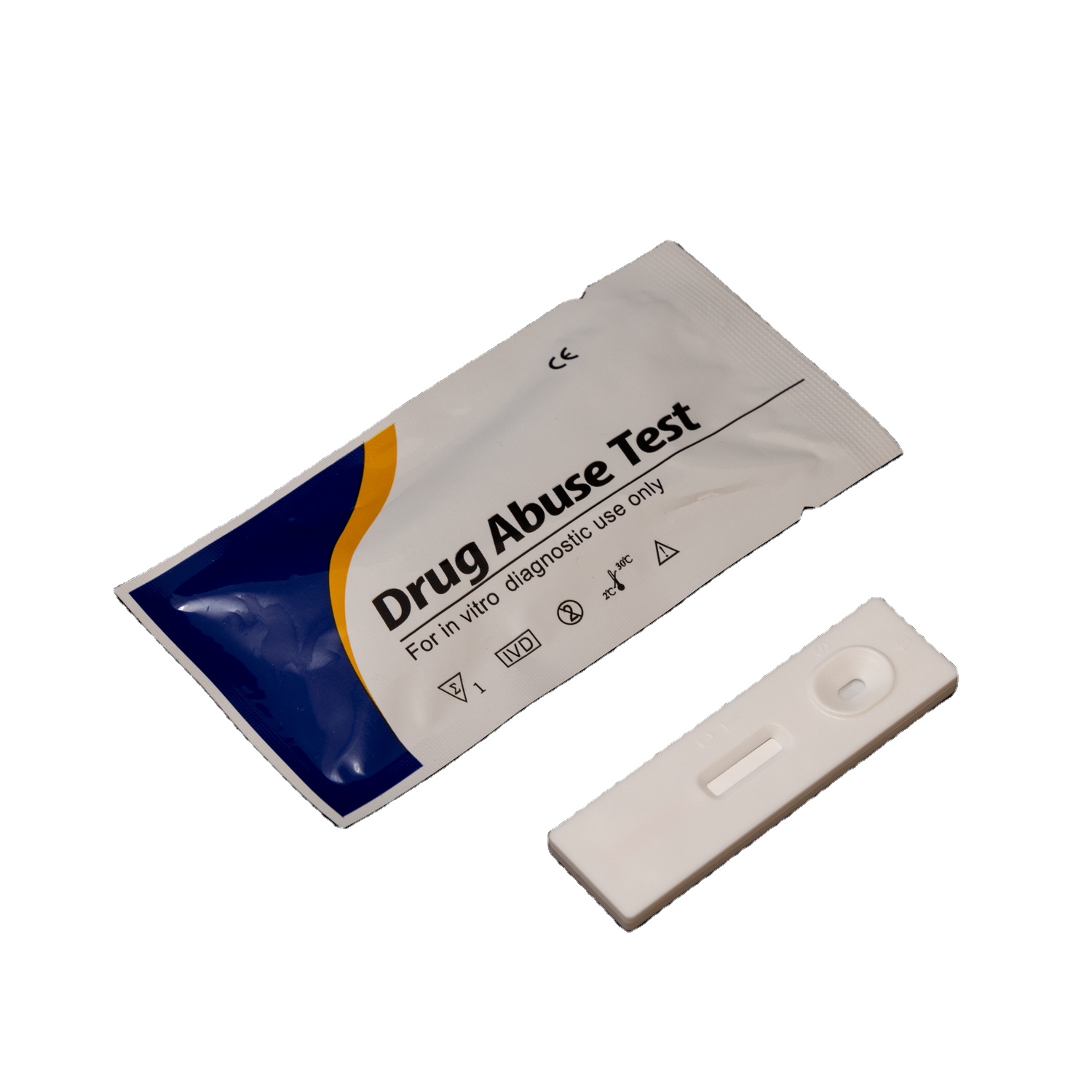
Regardless of how compelling a supplier's documentation looks, there is no substitute for evaluating the actual product before placing your full bulk order. For any new supplier relationship, insist on a small-batch trial order — typically 500 to 1,000 units — that you can evaluate against your own quality criteria before scaling up.
The cost of a proper small-batch evaluation is typically less than the cost of discovering a quality issue after receiving a full bulk shipment. I have seen buyers skip this step to save time and then spend months dealing with batch consistency problems that a proper trial would have caught early.
During your small-batch review, look for: result consistency across different operators, readability of test lines under your intended deployment conditions, packaging integrity after simulated shipping conditions, and whether the included instructions match how the product is actually designed to be used.
6. Assess the Supplier's Long-Term Reliability Signals
Beyond product performance, the reliability of a wholesale rapid diagnostic tests supplier depends on operational factors that are harder to measure but equally important:
- Export experience — Has the supplier successfully delivered to your target markets before? Cross-border medical device shipments involve specific customs documentation requirements that vary by destination.
- Documentation support — Can the supplier provide complete export compliance documentation packages, including shipping records and batch traceability?
- Communication responsiveness — How quickly does the supplier respond to technical or logistics questions? Slow response times during pre-sales often predict slower service once you are a paying customer.
- Transparent quality records — A trustworthy supplier should be able to provide pre-shipment inspection reports for each batch, not just once but as a standard practice.
For procurement managers working across multiple global markets, a supplier who understands the compliance landscape in Asia, Europe, Africa, and the Americas simultaneously is considerably more valuable than one with regional expertise only.
Building a Supplier Relationship That Lasts
Finding the right rapid test kit supplier for bulk orders is really about more than a single transaction. The relationship evolves that requires continuous evaluation as your order volumes grow, as regulations evolve in your target markets, and as new diagnostic test categories become relevant to your clients.
This evaluation approach — starting with compliance verification, evaluating manufacturing quality and accuracy standards, clarifying supply capacity, conducting a trial order, and assessing long-term reliability — gives you a consistent basis for making supplier decisions that hold up over time, not just for the first shipment.
At JIUHEKIT (Beijing Jiachuang Jiuhe Global Trade Co., Ltd), we have built our supplier relationships around exactly these principles. With export experience covering Asia, Europe, Africa, North America, and South America, and a focus on providing complete compliance documentation alongside every order, we work with medical device wholesalers, hospitals, and clinics who need supply chain partners they can depend on — not just a price list. If you are evaluating wholesale rapid diagnostic tests suppliers for your next bulk order, we welcome a conversation.