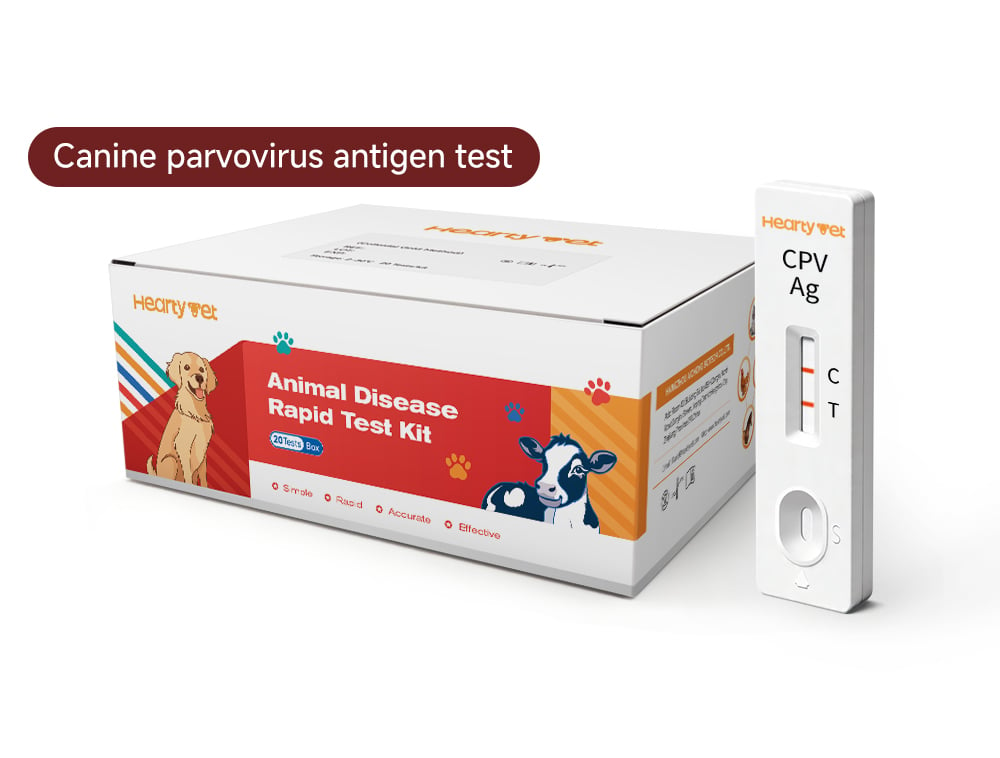
Confirm or rule out parvo in minutes — the fastest way to protect your patient.
What It Tests
Detects CPV (Canine Parvovirus) antigen directly from fecal samples.
Who Needs It
Veterinary emergency clinics, general practices, shelters, and breeders dealing with puppies showing sudden vomiting, bloody diarrhea, or lethargy.
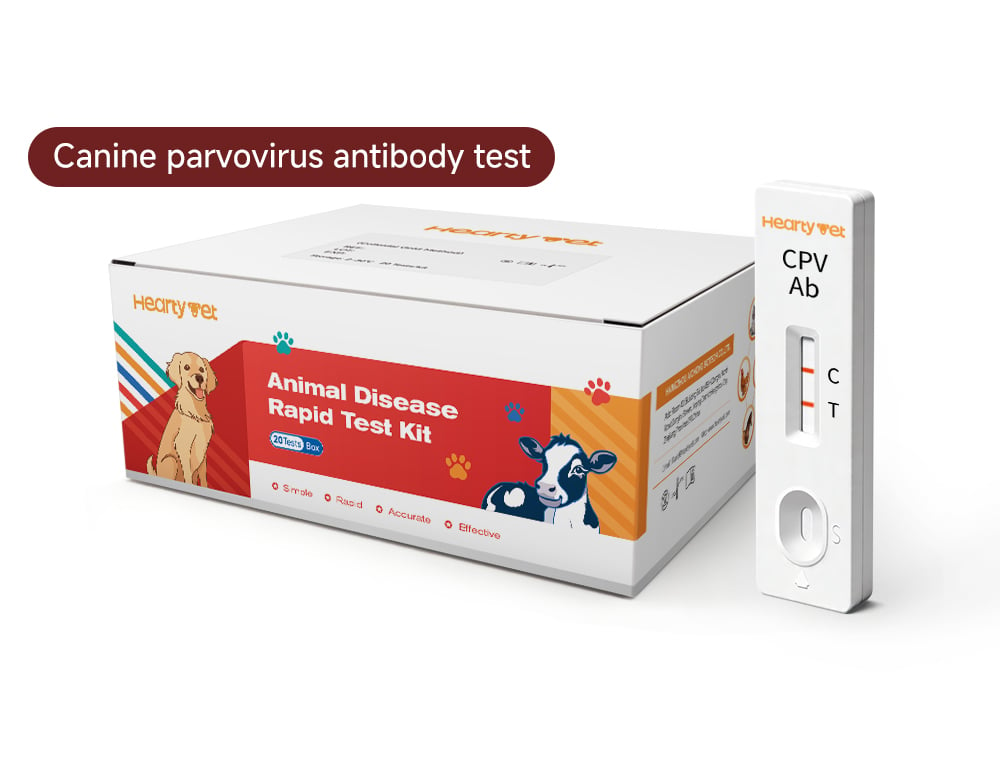
Know your dog's parvo immunity status — without sending samples to a lab.
What It Tests
Detects CPV-specific antibodies (IgG) in whole blood, serum, or plasma.
Who Needs It
Veterinary clinics assessing post-vaccination immunity, breeders managing kennel immunity programs, and shelters evaluating incoming dogs.
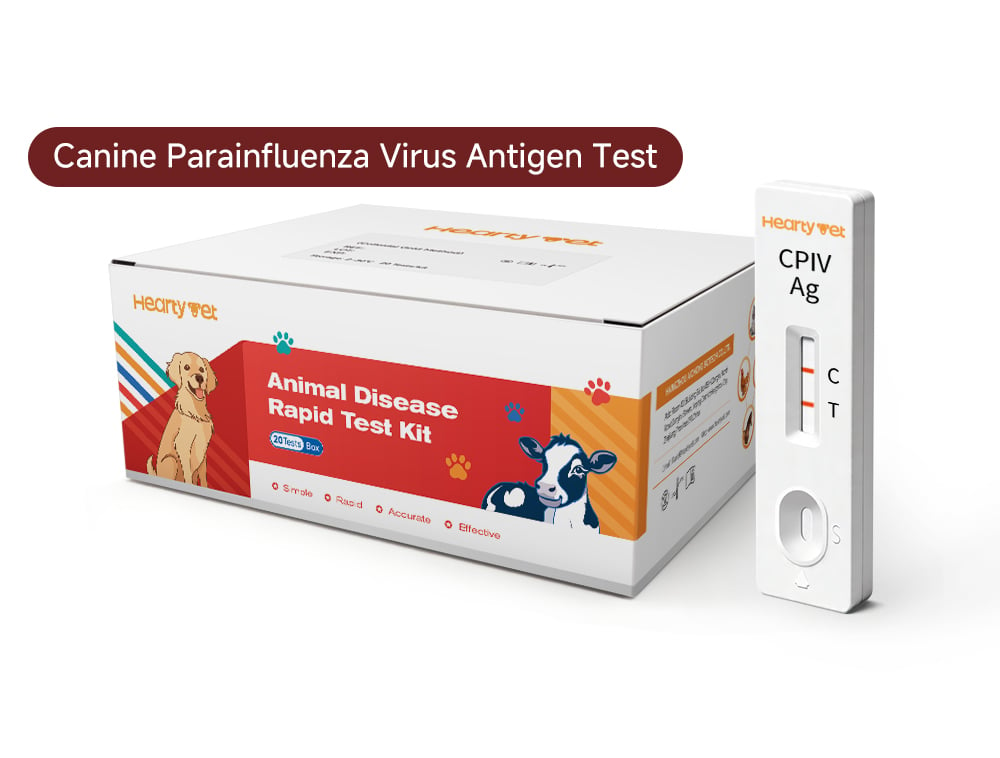
The #1 cause of kennel cough — detect it before it spreads.
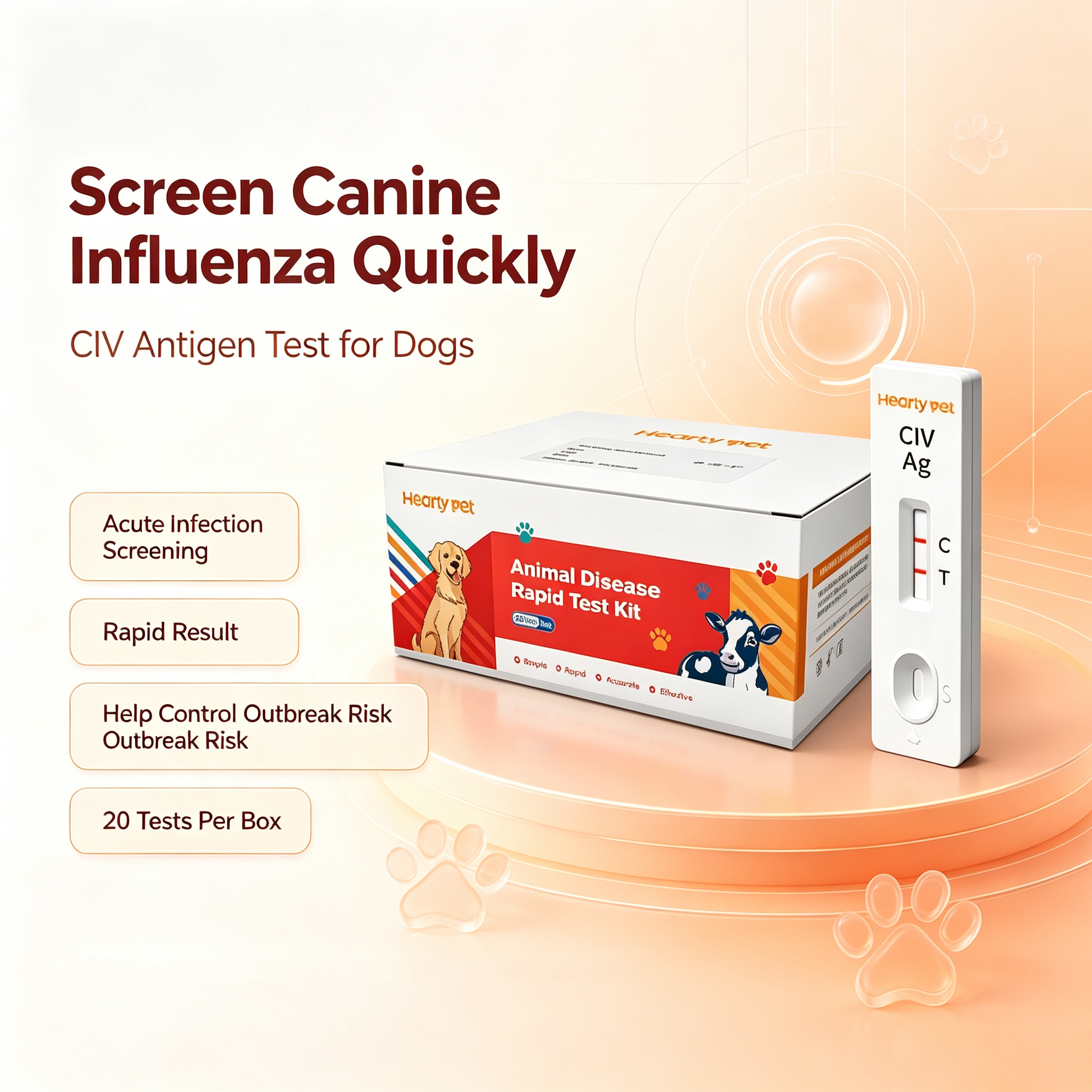
Is it dog flu or kennel cough? Get the answer in minutes.
What It Tests
Detects CIV (Canine Influenza Virus, H3N2/H3N8) antigen from nasal discharge.
Who Needs It
Veterinary clinics in CIV-endemic regions (North America, South Korea) and dog daycares, boarding facilities, and shelters managing respiratory illness outbreaks.
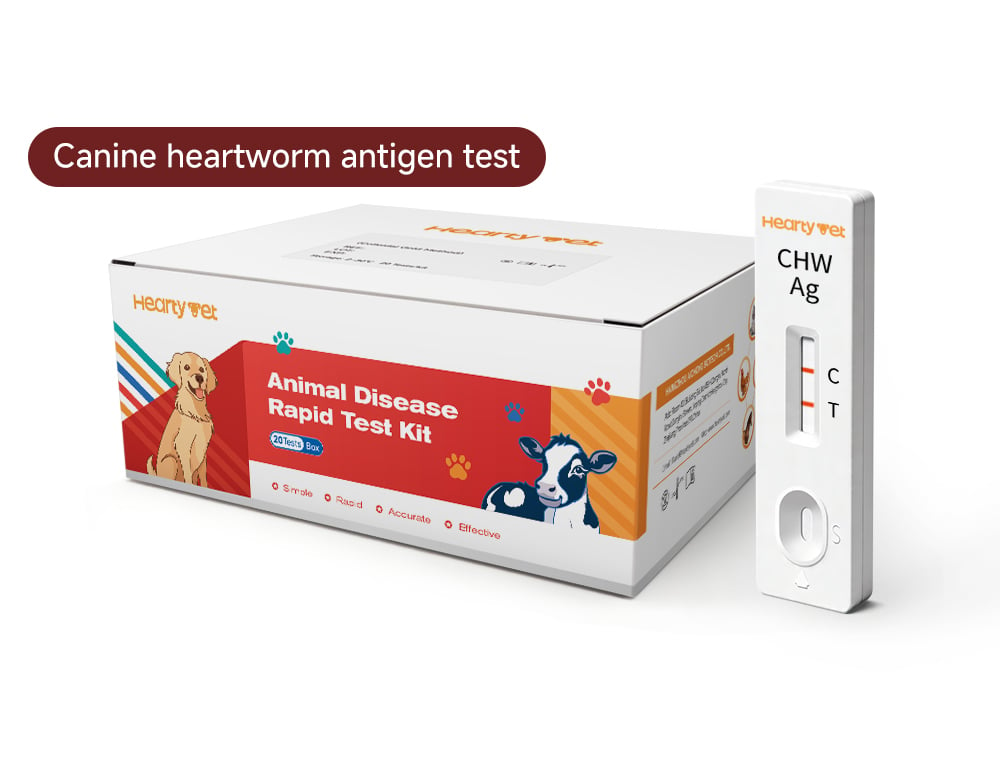
Annual heartworm testing made simple — accurate results in minutes.
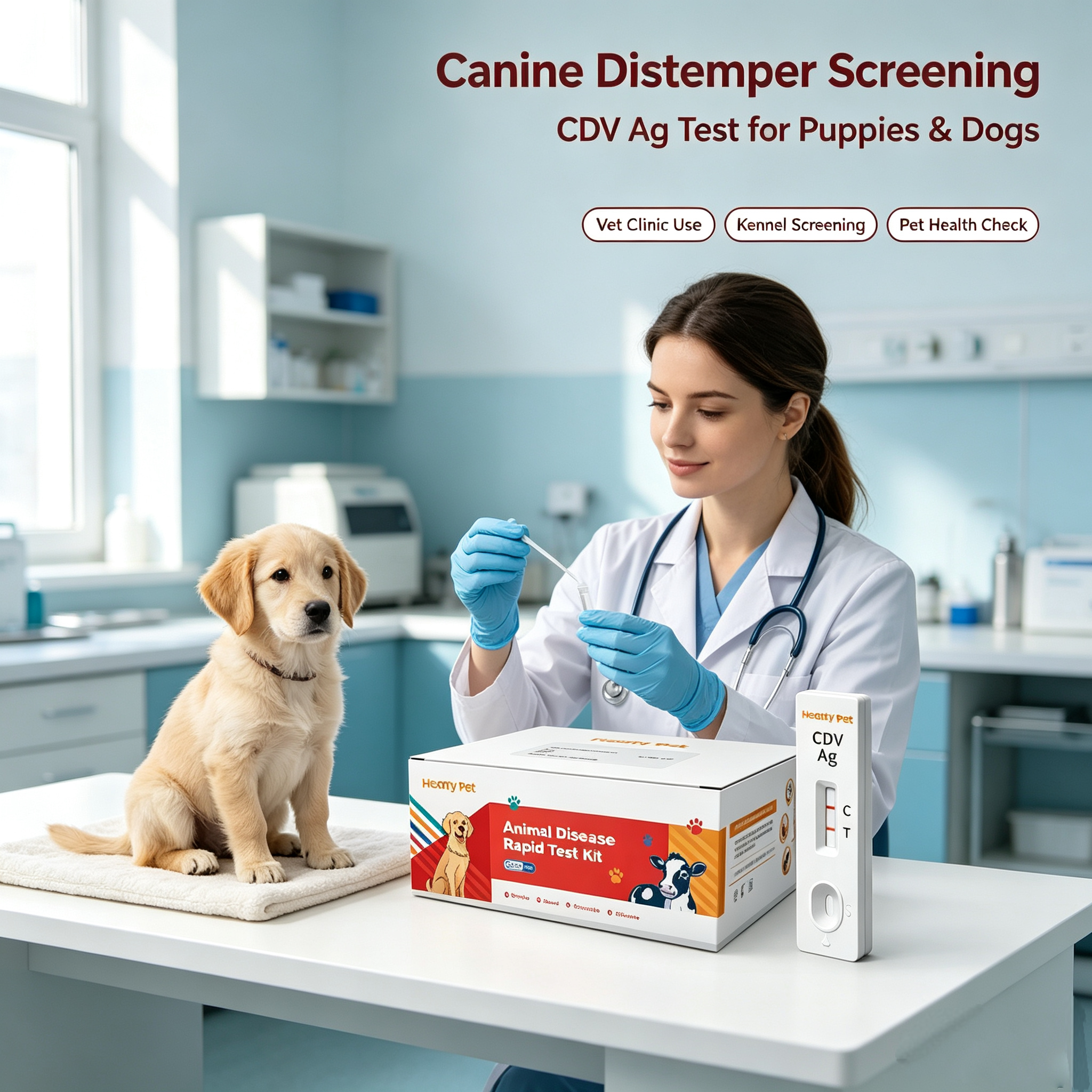
Detect canine distemper at the point of care — results in minutes, not days.
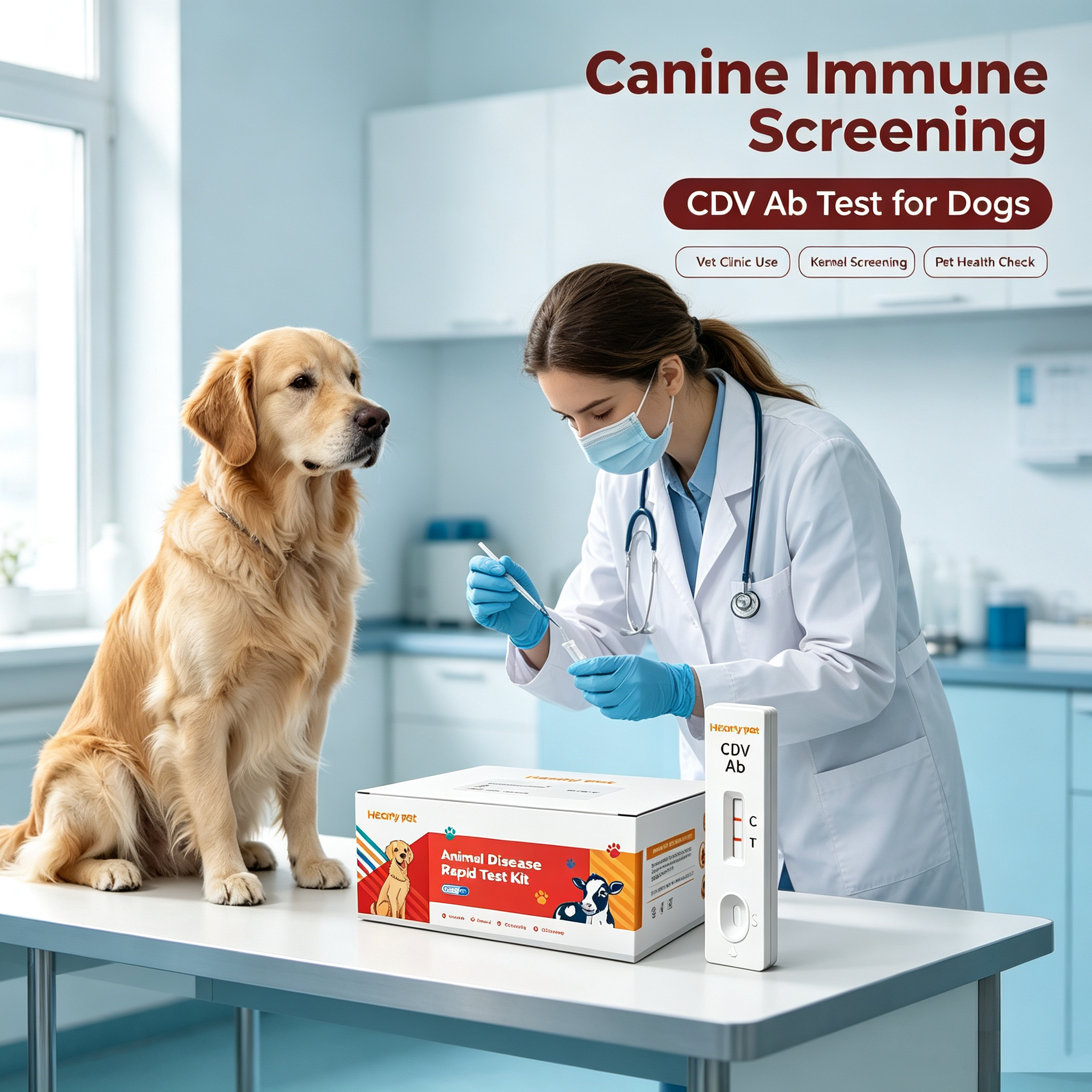
Check distemper vaccine protection instantly — no lab, no waiting.
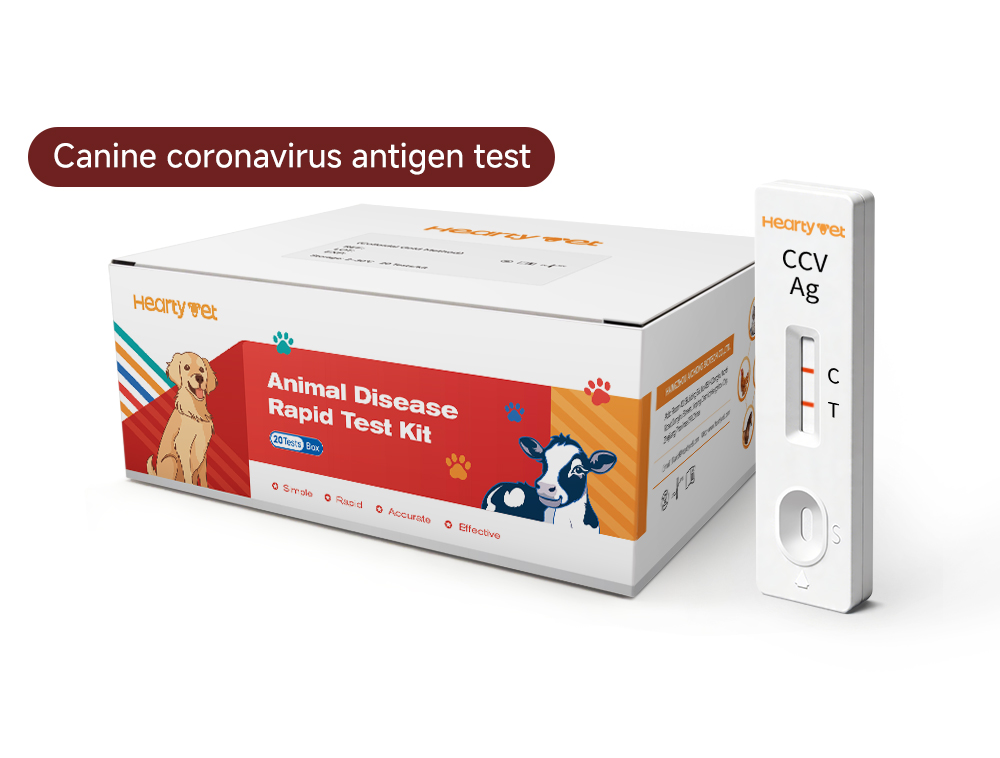
Differentiate coronavirus from parvovirus quickly — guide the right treatment faster.
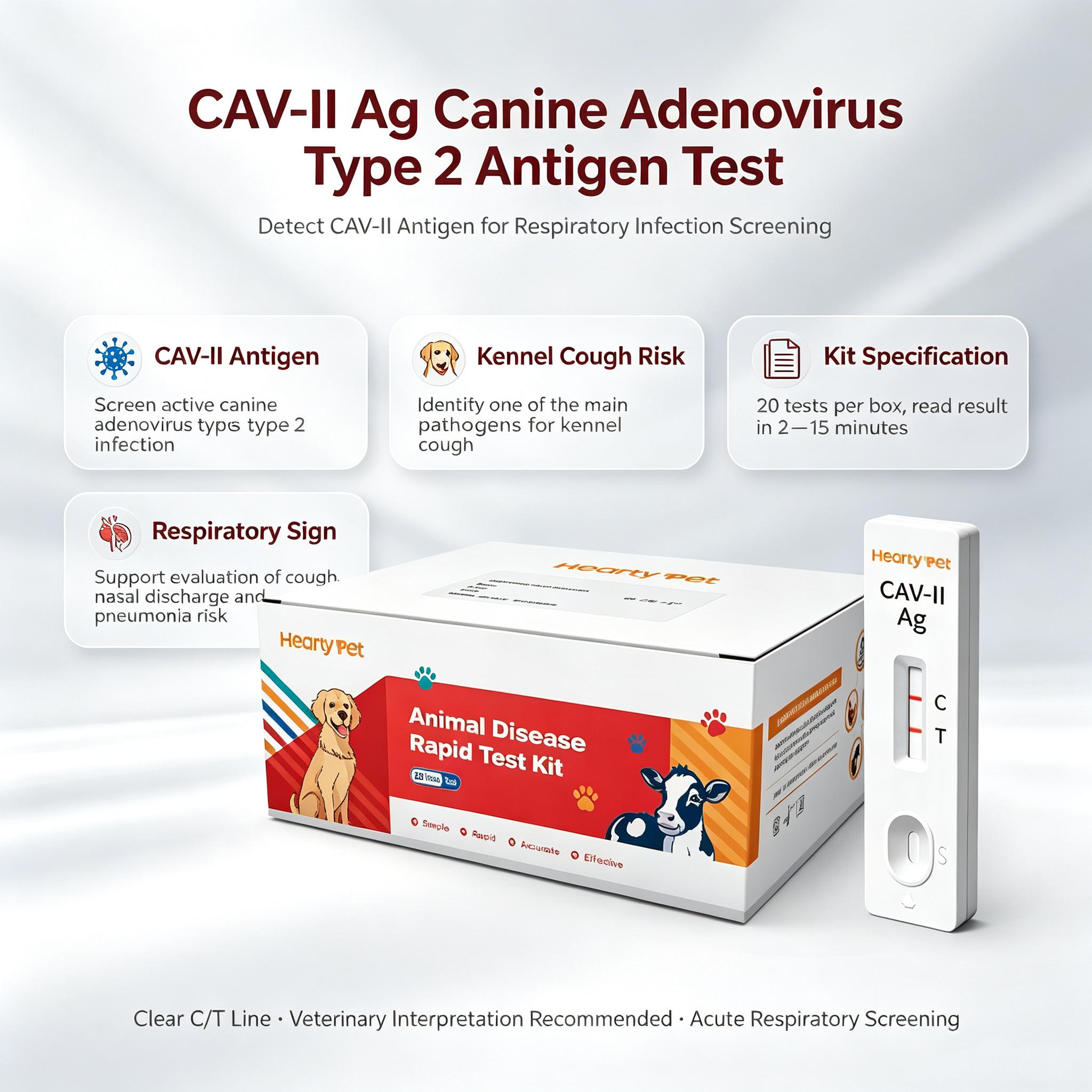
Pinpoint the cause of kennel cough faster — CAV-2 detected in minutes.
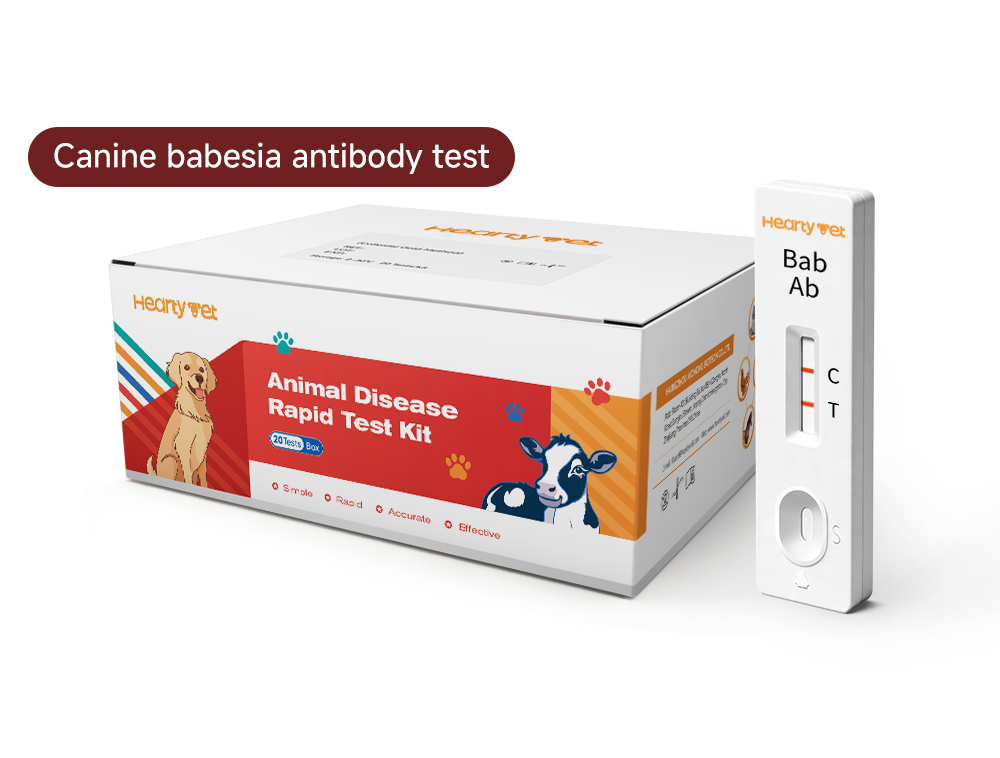
After a tick bite, know if Babesia is behind the anemia — results in minutes.
Complete your tick panel — Anaplasma detected from one blood drop.
What It Tests
Detects Anaplasma-specific antibodies in whole blood, serum, or plasma.
Who Needs It
Veterinary clinics across North America and Northern Europe. Anaplasma shares the black-legged tick vector with Lyme disease — co-testing is standard of care.
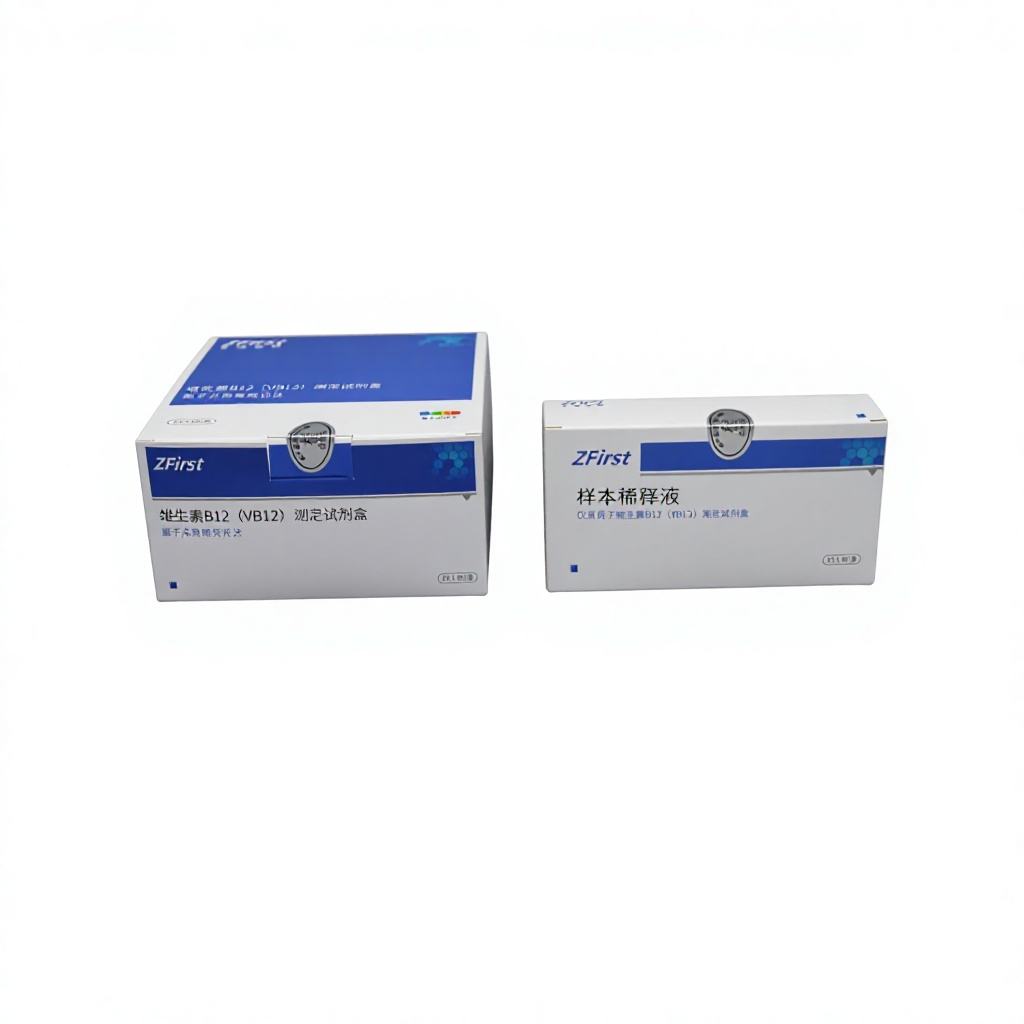
Tech & Features: Quantum Dot Immunofluorescence (QD-FIA) provides high low-concentration sensitivity, anti-light quenching stability, and specialized diluent to release bound VB12.
Target Scenarios: Elderly, pregnant populations, vegetarians, and clinical units.
Usage Effect: Delivers accurate quantitative results in 15–20 minutes for early diagnosis of anemia and neurological assessment.
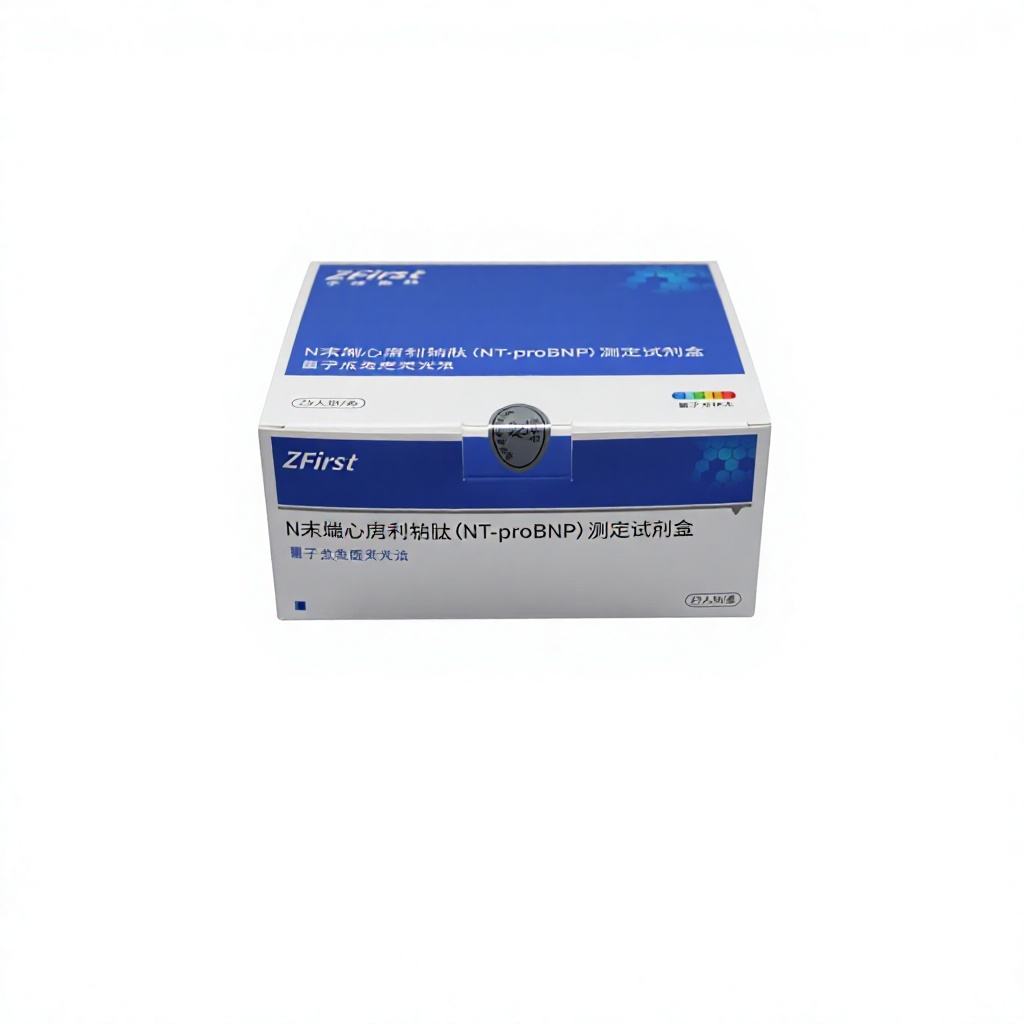
Tech & Features: Quantum Dot Immunofluorescence (QD-FIA) provides ultra-sensitivity, strong anti-interference, and wide sample compatibility (serum, plasma, whole blood).
Target Scenarios: Emergency departments, chest pain centers, and small laboratories.
Usage Effect: Delivers laboratory-grade quantitative results in 10–15 minutes for rapid heart failure diagnosis and cardiac risk screening.
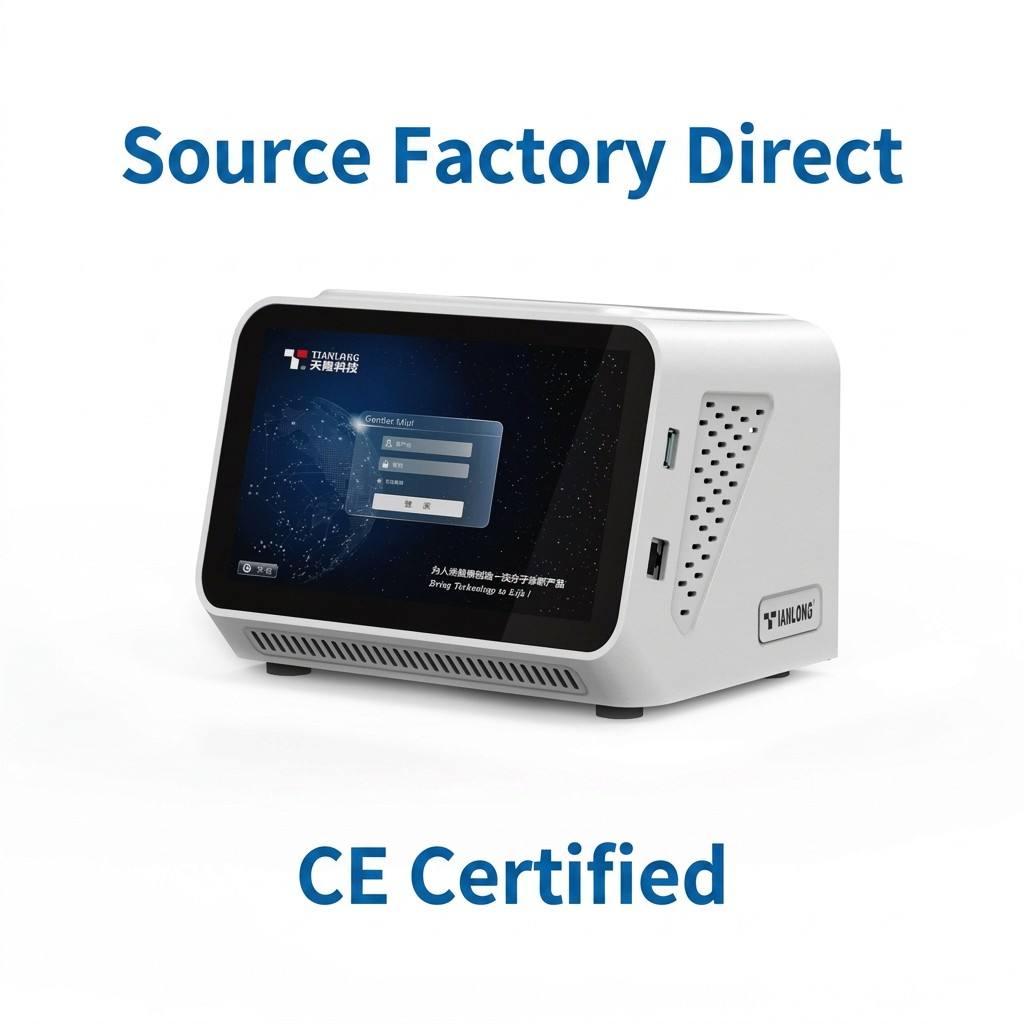
Tech Advantages: 3.2 kg portable 4-channel qPCR; 1-second full-channel scanning; zero post-move calibration required.
Target Users & Scenarios: Mobile labs, on-site testing, food safety, and animal disease control.
Performance & Effect: Fast 5.0°C/s heating rate and precise ±0.1°C temperature control significantly reduce total testing time.
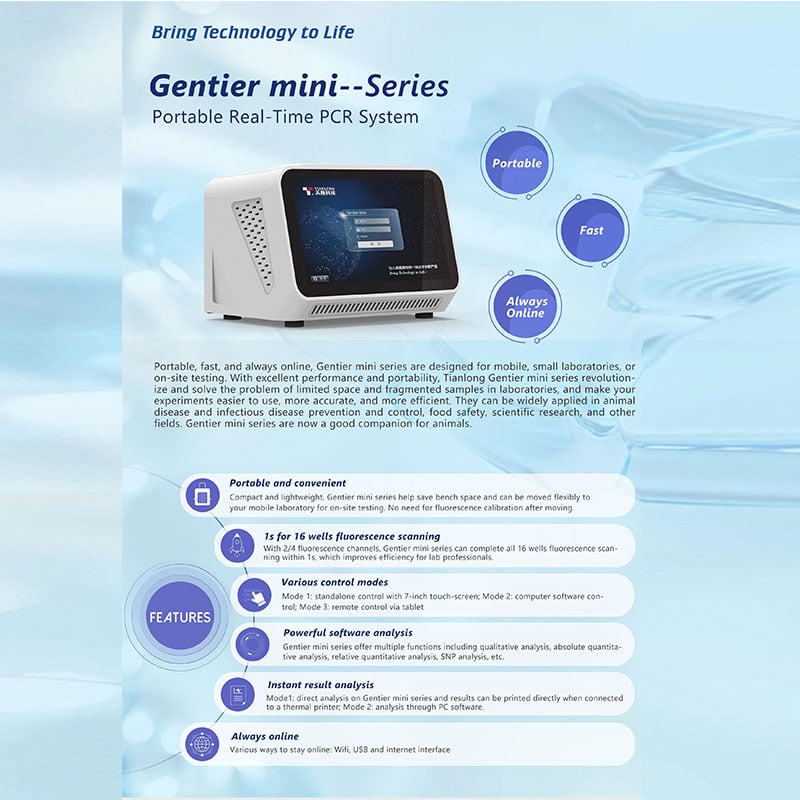
Tech & Specs: 3.2 kg ultra-portable design requiring no post-move calibration; scans 16 channels in 1 second.
Scenarios & Users: Mobile labs, on-site testing, food safety, and animal disease control.
Effectiveness: Rapid diagnosis via 5.0°C/s heating rate and 7-inch touchscreen, PC, or tablet remote control.
Certifications: National Medical Device Certificate (Lu Mechun Zhun 20222400188), ISO 13485.
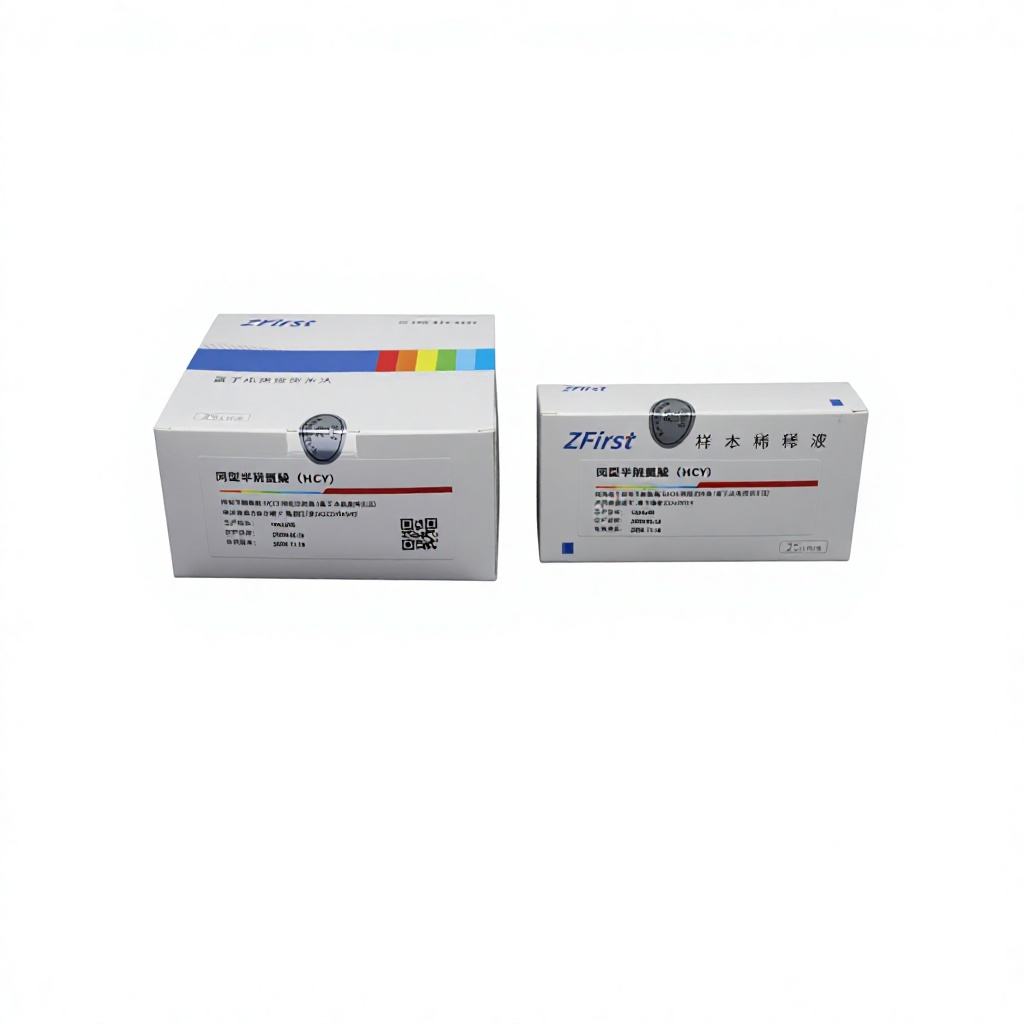
Tech & Material: Quantum Dot Immunofluorescence (QD-FIA) with narrow emission for strong anti-interference.
Target Users & Applications: Primary medical institutions screening H-type hypertension, stroke risk, and pregnancy risks.
Technical Advantage: Quantum Dot fluorescence technology with high sensitivity and CV < 10% repeatability.
Material & Craftsmanship: High-brightness nanomaterials with strong anti-interference performance.
Application & Target Users: Pediatrics, gynecology/obstetrics, clinics, and community centers.
Technical Advantage: Quantum Dot fluorescence technology with an optimized dedicated sample diluent.
Material & Craftsmanship: Stable nanomaterials featuring narrow emission and strong anti-interference properties.
Application & Target Users: Clinical departments, laboratories, and perinatal care.